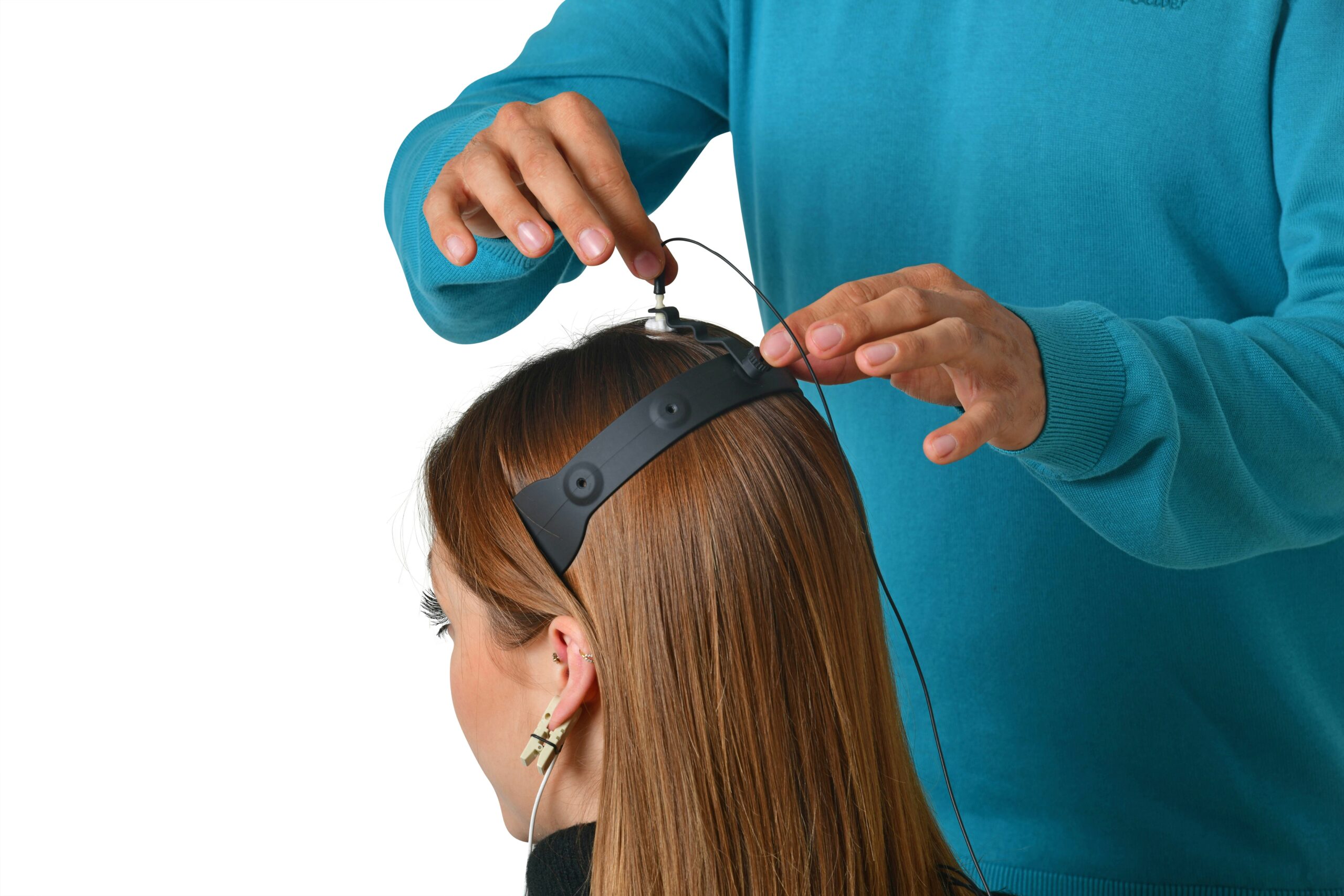
You’re meticulously preparing for your next athletic endeavor, perhaps a crucial competition, a demanding training session, or even just a consistent workout routine. You’ve dialed in your nutrition, perfected your sleep hygiene, and meticulously planned your training schedule. But are you truly optimizing your body’s readiness to perform at its peak? You might be overlooking a powerful tool: biofeedback. This article will guide you through leveraging biofeedback, specifically focusing on its application for muscle readiness, to ensure you’re not just training harder, but smarter.
You’ve probably heard the term “biofeedback” before, but what does it actually mean in the context of physical performance? At its core, biofeedback is a training technique that provides you with real-time information about your physiological processes. Essentially, it’s about learning to control bodily functions that are usually involuntary, such as heart rate, muscle tension, and skin temperature, by using electronic or mechanical aids. Imagine having a direct line to what your muscles are doing, beyond what you can consciously feel. That’s the power of biofeedback.
What is Muscle Readiness?
Muscle readiness isn’t just about whether your muscles are sore or not. It’s a multifaceted state that encompasses several critical factors influencing your ability to generate force, execute movements with precision, and recover effectively. Think of it as your muscles being in an optimal state of preparedness for the demands you are about to place upon them.
Neuromuscular Efficiency
This refers to how effectively your nervous system can communicate with and activate your muscles. High neuromuscular efficiency means your brain can send clear signals to your muscle fibers, causing them to contract with the intended force and speed. When your neuromuscular system is ready, you’ll experience faster reaction times, more explosive movements, and greater control.
Muscle Tone and Tension
Muscle tone refers to the slight, ongoing contraction of muscles that provides resistance to passive stretching and helps maintain posture. Appropriate muscle tone is crucial for stability and preparing your muscles for action. However, excessive or insufficient tone can hinder performance. You need your muscles to be primed, not overly tight or too relaxed.
Myoelectric Activity
This is the electrical activity produced by your muscles as they contract. Electromyography (EMG), a common biofeedback modality, measures this activity. Monitoring myoelectric activity can provide insights into how deeply you’re engaging specific muscle groups, the synchronization of muscle firing, and signs of fatigue.
Proprioception and Kinesthesia
These are your body’s awareness of its position and movement in space. While not directly measured by all biofeedback devices, optimal muscle readiness contributes to improved proprioception and kinesthesia. When your muscles are functioning optimally, your brain receives clearer signals about limb placement and joint angles, allowing for more coordinated and efficient movements.
Recent advancements in biofeedback technology have opened new avenues for monitoring muscle readiness levels, which can significantly enhance athletic performance and rehabilitation processes. A related article discusses the various applications of biofeedback in sports science and how it can be utilized to optimize training regimens. For more insights on this topic, you can read the article at Freaky Science.
Biofeedback Modalities for Muscle Readiness Assessment
The evolution of technology has brought forth a variety of biofeedback tools that you can utilize to gain a deeper understanding of your muscle readiness. These devices translate subtle physiological cues into visible or audible data, empowering you to make informed training decisions.
Electromyography (EMG)
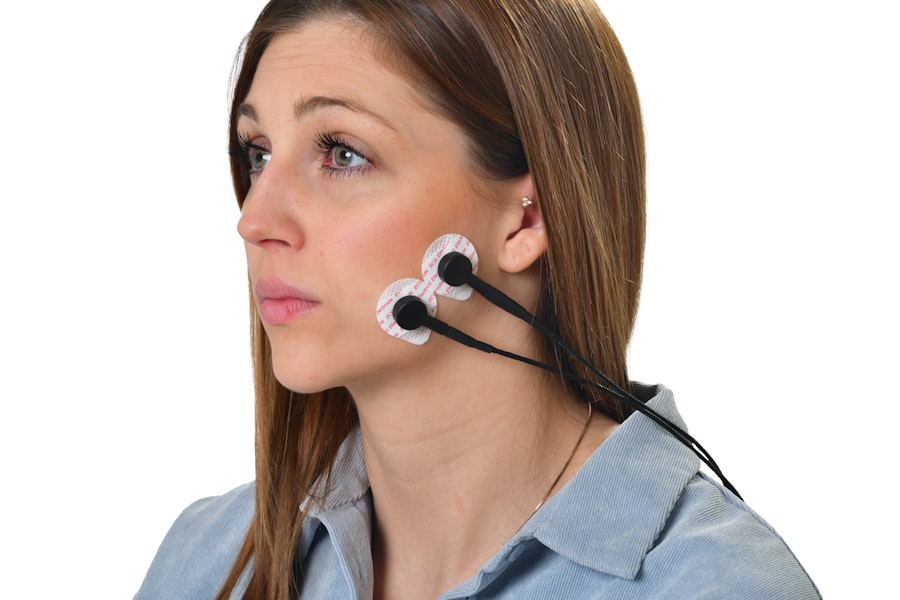
EMG is arguably the most direct biofeedback method for assessing muscle function. Surface EMG electrodes are placed on the skin over specific muscles. These electrodes detect the electrical signals generated by muscle fibers during contraction.
Surface EMG and Muscle Activation
You can use surface EMG to see how strongly you’re activating a particular muscle during an exercise. For instance, if you’re aiming to strengthen your glutes, EMG can show you if your gluteal muscles are indeed firing effectively, or if other muscles are compensating. This can be invaluable for identifying and correcting movement patterns that lead to under-recruitment of target muscles.
Identifying Muscle Imbalances Through EMG
EMG can also reveal imbalances between opposing muscle groups or between the left and right sides of your body. For example, consistently lower EMG readings from one hamstring compared to the other during a specific movement might indicate a weakness that needs addressing to prevent injury and improve performance.
Assessing Muscle Fatigue with EMG
As muscles fatigue, their ability to generate electrical signals can change. EMG can detect these changes, providing an objective measure of when your muscles are nearing their limit. This allows you to tailor your training intensity and volume, ensuring you’re pushing hard enough without overtraining and risking injury.
Pressure Biofeedback Units (PBUs)
While not as directly measuring muscle activity as EMG, PBUs are excellent for assessing spinal and core muscle stability, which is fundamental to overall muscle readiness. These devices typically involve placing a pressure cuff between you and a surface, and measuring the pressure changes as you contract your core muscles.
Core Muscle Engagement and Stability
PBUs are particularly useful for evaluating the fine motor control and endurance of your deep core musculature, such as the transversus abdominis and multifidus. These muscles are crucial for stabilizing your spine and pelvis, providing a solid foundation for all other movements.
Rehabilitative Applications
For individuals recovering from back injuries or experiencing chronic low back pain, PBUs offer a way to retrain and strengthen these vital stabilizing muscles. You learn to maintain a specific pressure level through sustained contraction, building endurance and neuromuscular control.
Inertial Measurement Units (IMUs) and Motion Capture Technology
These technologies, while often integrated into more complex systems, can provide valuable insights into movement quality and muscle coordination. IMUs typically use accelerometers and gyroscopes to measure acceleration and angular velocity.
Movement Quality and Biomechanics
By tracking your body’s movements, these technologies allow you to analyze the fluidity, precision, and efficiency of your technique. You can identify jerky movements, excessive compensatory patterns, or inefficient joint angles that might be impacting muscle readiness.
Detecting Asymmetries in Movement
Similar to EMG, IMUs can help identify asymmetries in how you move. For example, an athlete might exhibit a slight lag in the movement of one limb or an uneven distribution of force during a propulsion or landing phase, which can be indicative of underlying muscle readiness issues or potential injury risks.
Practical Applications of Biofeedback for Muscle Readiness
The real power of biofeedback lies in its practical application to your training and recovery protocols. It’s not just about collecting data; it’s about using that data to make tangible improvements.
Pre-Activation and Warm-up Optimization
You know that a good warm-up is essential, but how do you know if it’s truly preparing your muscles for the work ahead? Biofeedback can elevate your warm-up from a passive routine to an active, targeted preparation.
Enhancing Neuromuscular Priming
Using EMG during a warm-up, you can monitor muscle activation patterns. You might discover that you’re not fully engaging certain muscle groups even with typical warm-up exercises. By adjusting your movements, adding specific activation drills, or increasing the intensity slightly, you can ensure your target muscles are primed and ready to fire efficiently.
Identifying and Addressing “Sleepy” Muscles
Sometimes, specific muscle groups may be less responsive even after a general warm-up. Biofeedback can highlight these “sleepy” muscles, allowing you to incorporate targeted drills or manual therapy techniques to enhance their readiness before you even start your main workout.
Training Modifications and Technique Refinement
Biofeedback provides objective feedback that you can use to adjust your training on the fly and refine your technique, leading to more effective muscle engagement and reduced risk of injury.
Real-time Technique Correction
Imagine performing a squat or a deadlift and seeing EMG data suggesting your glutes aren’t firing as strongly as they should, or that your core isn’t stable. With biofeedback, you can immediately adjust your form, focus on cueing the correct muscles, and practice until the desired activation pattern is achieved. This immediate feedback loop is far more effective than relying solely on post-exercise reflection.
Load and Intensity Management
EMG can help you determine the optimal load for an exercise to achieve a specific level of muscle activation. You can also use it to gauge when you’re achieving sufficient muscle recruitment during a set, helping you decide if you should continue or rest, thus preventing excessive fatigue that could compromise performance and recovery.
Injury Prevention and Rehabilitation
Biofeedback plays a crucial role in both proactively preventing injuries and effectively rehabilitating them, ensuring your muscles are truly ready for the stresses of sport and activity.
Identifying Early Warning Signs of Overtraining
Persistent patterns of reduced muscle activation, increased muscle co-contraction (where opposing muscles activate too much), or signs of fatigue in EMG readings can be early indicators of overtraining. Recognizing these patterns allows you to adjust your training volume, intensity, or rest periods before a more serious injury occurs.
Guiding Rehabilitation Progress
For individuals recovering from muscle strains, tears, or other injuries, biofeedback provides a clear, objective measure of progress. You can track the return of muscle strength, control, and coordination, ensuring that you are not returning to full activity too soon. This helps to prevent re-injury and build confidence in the recovering muscle.
Advanced Strategies for Muscle Readiness Enhancement

Once you’ve established a baseline understanding and implemented basic biofeedback applications, you can explore more sophisticated strategies to further enhance your muscle readiness.
Integrating Biofeedback with Other Performance Metrics
Biofeedback doesn’t exist in a vacuum. The most effective approach is to integrate it with other data points that contribute to your overall understanding of performance.
Combining EMG with Force Plates or Jump Mats
By correlating muscle activation data from EMG with force output measured by force plates or jump mats, you can gain a deeper understanding of the relationship between neural drive and mechanical power production. This can help you identify athletes who are efficient in converting neural signals into powerful movements.
Linking Heart Rate Variability (HRV) and Muscle Recovery
While HRV primarily reflects autonomic nervous system regulation and overall recovery, you can observe how HRV trends correlate with your muscle readiness indicators. For instance, you might find that days with lower HRV are also associated with poorer muscle activation or increased signs of fatigue on EMG. This allows for a more holistic approach to managing training.
Personalized Training Programs Based on Biofeedback Data
The beauty of biofeedback is that it offers individualized insights. This allows you to move beyond generic training plans and create a truly personalized approach.
Tailoring Exercise Selection and Progression
Based on your unique muscle activation patterns and levels of readiness, you can select exercises that best target your weaknesses and progress them appropriately. If EMG shows a particular muscle is consistently underactive, you might choose more targeted drills or isometric exercises before progressing to more complex movements.
Optimizing Rest and Recovery Strategies
Biofeedback can inform your rest and recovery decisions. If your EMG data indicates significant muscle fatigue or delayed recovery, you might consciously incorporate longer rest periods between sets, opt for active recovery sessions, or prioritize sleep. Conversely, if your muscles are showing excellent readiness, you might be able to push a little harder.
Using Biofeedback for Sport-Specific Skill Development
Beyond general muscle readiness, biofeedback can be applied to refine the specific muscle activation patterns required for your sport.
Analyzing Elite Athlete Movement Patterns
By comparing your muscle activation patterns during specific sport movements with those of elite athletes, you can identify areas where you can improve your technique and efficiency. This involves understanding how top performers recruit their muscles optimally for power, speed, and precision.
Replicating Sport-Specific Neuro-Muscular Patterns
Biofeedback can help you retrain and reinforce the neural pathways responsible for executing sport-specific skills. For example, a pitcher might use EMG to ensure they are maximally engaging their posterior shoulder muscles during the deceleration phase of their throw, contributing to both performance and injury prevention.
Recent advancements in biofeedback technology have opened new avenues for monitoring muscle readiness levels, allowing athletes to optimize their performance and prevent injuries. A related article discusses the various techniques and benefits of using biofeedback in sports training, highlighting how real-time data can enhance an athlete’s understanding of their physical state. For more insights on this topic, you can read the full article here. This innovative approach not only aids in improving athletic performance but also contributes to overall physical well-being.
Considerations and Limitations of Biofeedback
| Metrics | Definition |
|---|---|
| Electromyography (EMG) | Measures muscle activity and tension levels |
| Heart Rate Variability (HRV) | Indicates the body’s readiness and stress levels |
| Respiration Rate | Shows breathing patterns and relaxation levels |
| Temperature Biofeedback | Monitors skin temperature as an indicator of stress and readiness |
While biofeedback is a powerful tool, it’s essential to approach it with a clear understanding of its potential limitations and to use it responsibly.
The Importance of Proper Sensor Placement and Calibration
The accuracy of biofeedback data hinges on the correct application of sensors and proper calibration of the equipment. Incorrect placement, especially with EMG, can lead to misleading readings and flawed training decisions.
Understanding Anatomical Landmark Identification
For EMG, accurately identifying anatomical landmarks to place electrodes is crucial. This requires a working knowledge of muscle anatomy or instruction from a qualified professional. Without this, you might be measuring activity from adjacent muscles or not capturing the intended muscle’s signal effectively.
Regular Calibration Procedures
Ensuring that your biofeedback devices are properly calibrated according to the manufacturer’s instructions is vital for reliable data. This might involve zeroing the device or establishing baseline readings before each session.
Interpreting Data with Context
Biofeedback data, while objective, requires interpretation within the broader context of your training, recovery, and overall physical state. A single data point is rarely enough to make definitive conclusions.
Avoiding Over-Reliance on Numbers Alone
Don’t let the numbers dictate your training entirely. Listen to your body. If biofeedback data suggests you’re ready, but you feel unusually fatigued or unwell, it’s wise to adjust your plans. Conversely, if the data suggests fatigue, but you feel energetic, consider if other factors might be influencing the readings.
The Role of Qualified Professionals
For complex applications or if you’re unsure about interpreting data, consulting with a qualified coach, physiotherapist, or sports scientist who is experienced with biofeedback is highly recommended. They can provide expert guidance on data interpretation and its application to your specific goals.
Cost and Accessibility of Technology
While biofeedback technology is becoming more accessible, some advanced systems can be costly, potentially limiting their availability to a wider range of individuals.
Evaluating Different Price Points and Features
It’s important to research different biofeedback devices and consider your budget and specific needs. Consumer-grade devices may offer basic functionality, while professional-grade equipment will provide more advanced features and potentially higher accuracy, but at a greater expense.
Exploring Community Resources or Professional Services
If purchasing equipment is not feasible, consider utilizing services offered by sports performance centers, physiotherapy clinics, or gyms that have biofeedback equipment. This can provide you with access to the technology and expert guidance without the significant upfront investment.
By understanding and strategically employing biofeedback, you can unlock a new level of awareness regarding your muscle readiness. This knowledge empowers you to make more informed decisions about your training, recovery, and overall performance, ensuring you’re always prepared to step up and meet your physical challenges head-on.
FAQs
What is biofeedback?
Biofeedback is a technique that uses electronic monitoring to measure and provide information about physiological processes in the body, such as muscle tension, heart rate, and brain waves.
How does biofeedback help monitor muscle readiness levels?
Biofeedback devices can measure muscle tension and provide real-time feedback to the user, allowing them to monitor their muscle readiness levels and make adjustments to their physical activity or training regimen as needed.
What are the benefits of using biofeedback to monitor muscle readiness levels?
Using biofeedback to monitor muscle readiness levels can help individuals optimize their physical performance, prevent injuries, and improve overall muscle function. It can also provide valuable insights into the impact of stress and tension on muscle readiness.
What types of biofeedback devices are available for monitoring muscle readiness levels?
There are various types of biofeedback devices available, including electromyography (EMG) sensors, which measure muscle activity, and wearable devices that track muscle tension and provide real-time feedback.
How can individuals incorporate biofeedback into their training or physical activity routine?
Individuals can incorporate biofeedback into their training or physical activity routine by using biofeedback devices to monitor muscle readiness levels during workouts, adjusting their technique or intensity based on the feedback received, and using the data to make informed decisions about their training and recovery strategies.