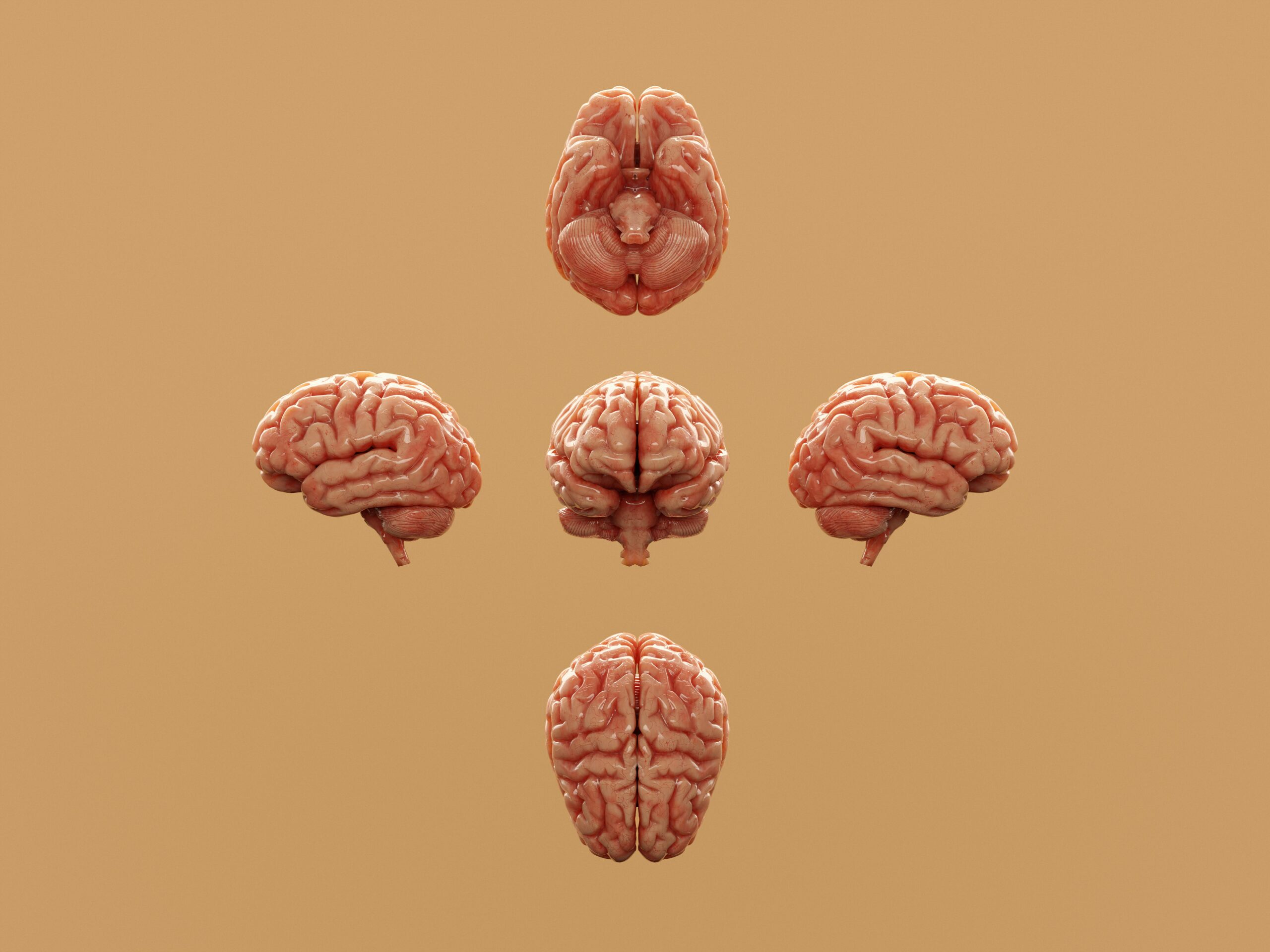
Your brain is a marvel of efficiency, a constantly evolving biological network wired for survival and growth. At its core, your brain possesses a fundamental preference for change. This isn’t a whimsical desire for novelty; it’s a deeply embedded biological imperative that drives your ability to adapt, learn, and navigate the complexities of the world around you. Without this inclination towards the new, you would be static, unable to respond to threats, acquire new skills, or even form new memories. Understanding this preference can provide profound insights into your own behavior, your learning processes, and how to optimize your cognitive function.
Your brain is not a passive recipient of information. Instead, it actively anticipates and processes incoming sensory data, constantly comparing it against established patterns and expectations. When something deviates from the norm, your brain is hardwired to notice. This fundamental mechanism, known as change detection, is crucial for survival and efficient learning.
The Role of the Sensory Cortex
The initial processing of incoming stimuli occurs in your sensory cortices – visual, auditory, somatosensory, and so on. These areas are highly attuned to detecting novel or altered sensory inputs. Think about the sudden sound of a car horn in a quiet environment, or a flash of movement in your peripheral vision. Your sensory cortices are the first responders, flagging these deviations for further analysis.
Feature Detection and Pattern Recognition
Within these sensory areas, specialized neurons are dedicated to detecting specific features of stimuli. For instance, in your visual cortex, you have neurons that respond to edges, lines, colors, and movement. When these features change – a line shifts its orientation, a color intensifies, or movement begins – it triggers a heightened neural response compared to when the stimulus remains constant. This rapid identification of altered features is the bedrock of change detection.
Predictive Coding and Error Signals
Modern neuroscience increasingly points to a model of brain function called predictive coding. Your brain is constantly generating predictions about what sensory input it expects to receive. When the actual sensory input matches these predictions, neural activity is minimal. However, when there’s a mismatch, a “prediction error” is generated. These prediction errors are powerful signals that are broadcast to higher brain regions, demanding attention and initiating learning processes. This means your brain doesn’t just process what is, but more importantly, what isn’t as expected.
The Hippocampus and Memory Formation
While sensory cortices handle the initial detection, the hippocampus plays a critical role in consolidating information about these changes into memory. Without the hippocampus, new experiences, especially those involving novel stimuli or altered patterns, would struggle to be encoded.
Encoding Novelty for Long-Term Storage
The hippocampus is particularly sensitive to novelty. When you encounter something new and significant, the hippocampus becomes highly active, facilitating the encoding of this information. This is why particularly surprising or unexpected events are often more memorable. The hippocampus helps to tag these changes as important, increasing their likelihood of being transferred to more permanent storage in the neocortex.
Associative Learning and Contextual Changes
Beyond simple object novelty, the hippocampus is also vital for learning about changes in relationships between stimuli or shifts in context. Imagine walking into a familiar room but finding the furniture rearranged. Your hippocampus, working with other brain structures, helps you register this change in spatial arrangement, allowing you to update your mental map of the environment. This associative learning is fundamental to understanding how the world operates and predicting future events.
Research has shown that the brain is wired to prioritize change over static details, a phenomenon that can be attributed to its evolutionary development for survival. An interesting article that delves deeper into this topic is available at Freaky Science, where it explores how our cognitive processes are designed to detect and respond to new stimuli in our environment. This ability to notice changes quickly can be crucial for recognizing potential threats and adapting to new situations, ultimately enhancing our chances of survival.
The Brain’s Reward System and the Allure of the New
The preference for change isn’t just about survival; it’s also deeply intertwined with your brain’s reward system. Novelty and learning are intrinsically rewarding, motivating you to seek out new experiences and acquire new knowledge.
Dopamine: The Neurotransmitter of Motivation and Reward
Dopamine is a key neurotransmitter that plays a crucial role in the reward circuitry of your brain. When you experience something rewarding, whether it’s the taste of delicious food, achieving a goal, or even encountering something novel, your dopamine levels tend to rise. This surge in dopamine reinforces the behavior that led to the reward, making you more likely to repeat it.
Novelty as a Dopaminergic Stimulus
The brain’s reward system is particularly responsive to novelty. Studies have shown that encountering uncharted territory, learning a new skill, or even just experiencing unexpected stimuli can trigger dopamine release. This suggests that your brain is wired to find change inherently stimulating and motivating. This inherent drive to explore and discover fuels your curiosity and is a powerful engine for learning and adaptation.
Prediction Errors and Dopamine Release
The link between dopamine and prediction errors is particularly compelling. When your brain predicts a certain outcome or reward and then experiences something better or different than expected (a positive prediction error), dopamine release is particularly pronounced. Conversely, when an expected reward fails to materialize (a negative prediction error), dopamine levels can drop. This system incentivizes you to explore and learn, as unexpected positive outcomes are strongly reinforced.
The Ventral Tegmental Area (VTA) and Nucleus Accumbens
These brain regions form the core of your brain’s mesolimbic dopamine pathway, the primary reward circuit. The VTA produces dopamine, which is then released in the nucleus accumbens and other areas. When you encounter novelty or learn something new and beneficial, this pathway is activated, leading to feelings of pleasure and motivation.
Seeking Out Stimulating Environments
Your brain’s reward system subtly guides your behavior. If you find yourself constantly seeking out new experiences, learning new things, or exploring unfamiliar places, you’re likely responding to this inherent drive. This isn’t necessarily a conscious decision; it’s your brain’s way of telling you that engagement with the novel and the changing is beneficial.
The Drive for Mastery and Competence
The reward associated with learning and change also underpins your drive for mastery and competence. As you learn a new skill and gradually improve, the initial challenge and novelty give way to a sense of accomplishment. This sense of achievement is also mediated by the reward system, further encouraging you to engage in challenging and changing tasks.
Change as the Foundation of Learning and Neuroplasticity
Your brain’s preference for change is not just about detecting it; it’s about leveraging it. Change is the raw material upon which learning and neuroplasticity are built. Your brain is not a fixed entity; it’s a dynamic organ that reshapes itself in response to experience.
Neuroplasticity: The Brain’s Ability to Rewire
Neuroplasticity refers to your brain’s remarkable capacity to alter its structure and function in response to experience. This means that every new piece of information you learn, every new skill you acquire, and every new environment you navigate, physically changes your brain.
Synaptic Plasticity: Strengthening and Weakening Connections
At the cellular level, neuroplasticity involves changes in the strength of connections between neurons, known as synapses. When you repeatedly engage in a particular thought process or behavior, the synapses involved become stronger, making that pathway more efficient. Conversely, unused pathways may weaken. This is the essence of learning – the selective strengthening of neural circuits.
Structural Plasticity: Creating and Eliminating Neurons and Connections
Beyond synaptic changes, your brain also exhibits structural plasticity. This can involve the formation of new neurons (neurogenesis), the creation of new connections between neurons, and even the elimination of existing ones. These more profound changes allow your brain to adapt to significant shifts in your environment or learning demands.
How Novelty Facilitates Learning
When your brain encounters novelty, it’s not just observing; it’s actively preparing to learn. The heightened attention and the release of neurochemicals like dopamine, stimulated by change, create an optimal state for the brain to form new neural connections and consolidate information.
The Role of Attention and Focus
Change inherently captures your attention. This increased focus is essential for effective learning. When you are paying attention, your brain is more receptive to incoming information, and the neural processes involved in encoding and consolidation are more robust. The novelty acts as a natural attention-grabbing mechanism, priming you for learning.
Consolidation and Memory Formation
The changes detected and encoded due to novelty are then processed and consolidated. This involves the transfer of information from short-term to long-term memory, often requiring sleep and other restorative processes. The more impactful or novel the change, the more likely it is to be successfully consolidated.
The Adaptive Value of Embracing Change
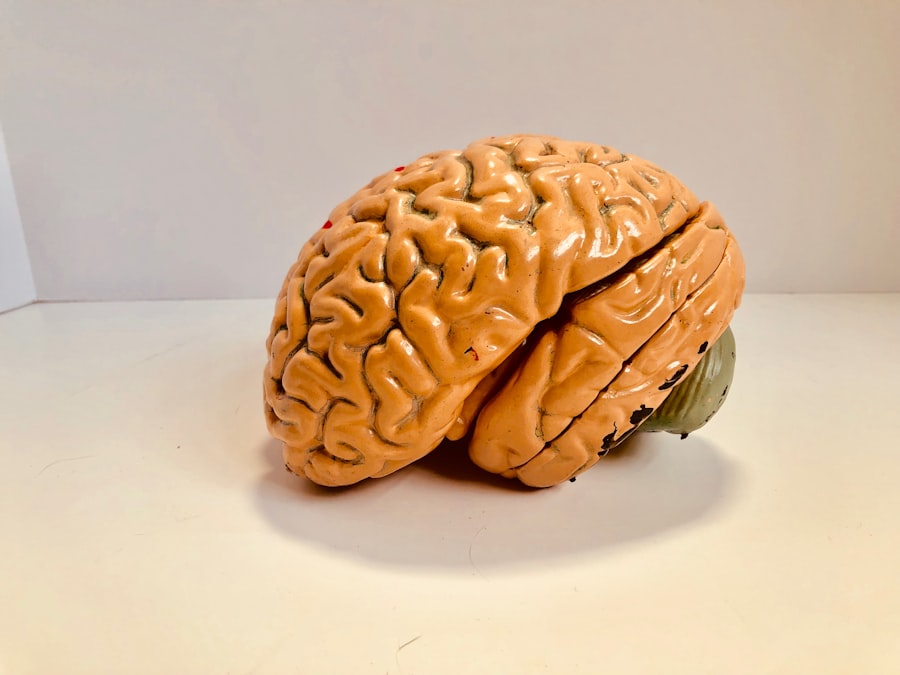
Your brain’s preference for change is not a mere quirk of its design; it’s a fundamental adaptive mechanism that has evolved to ensure your survival and prosperity. By embracing change, you are fundamentally aligning yourself with your brain’s innate capabilities.
Navigating a Dynamic Environment
The world you inhabit is in a perpetual state of flux. From the weather to social dynamics to technological advancements, constant change is the norm. Your brain’s ability to detect, adapt to, and learn from these changes is crucial for your ability to navigate this dynamic environment successfully.
Responding to Threats and Opportunities
Historically, the ability to detect and respond to changes in the environment was paramount for survival. A sudden rustle in the bushes might signal a predator, requiring immediate adaptive action. Conversely, a change in the availability of resources might signal an opportunity. Your brain’s preference for change directly facilitates these rapid and essential responses.
Social Adaptation and Learning
Much of your learning and adaptation occurs in social contexts. Changes in social cues, group dynamics, or the behaviors of others require constant recalibration and learning. Your brain’s sensitivity to these social changes allows you to form relationships, understand social norms, and function effectively within groups.
Skill Acquisition and Personal Growth
The desire for change is also intricately linked to your personal growth and skill development. Learning a new language, mastering a musical instrument, or acquiring any new skill fundamentally involves embracing change – the change in your knowledge base, your motor control, and your cognitive processes.
Stepping Outside Your Comfort Zone
To learn and grow, you often need to step outside your comfort zone, which is inherently a state of familiarity and low change. Embracing new challenges, even if they initially feel daunting, allows your brain to form new connections and expand its capabilities. This is where true personal development lies.
The Cycle of Learning and Improvement
The constant pursuit of improvement is a testament to your brain’s preference for change. You are not content to stay static; you strive to become better, more knowledgeable, and more skilled. This ongoing cycle of learning, adaptation, and improvement is fueled by your brain’s desire to engage with and overcome new challenges.
Research into cognitive processes reveals that the brain is wired to prioritize change over static details, a phenomenon that plays a crucial role in how we perceive and interact with our environment. This preference for novelty helps us respond to potential threats and opportunities more effectively. For a deeper understanding of this concept, you can explore an insightful article on the topic at Freaky Science, which discusses how our neural pathways are shaped by the need to adapt to new information. By focusing on changes, our brains can filter out irrelevant details, allowing us to navigate our surroundings with greater efficiency.
Strategies for Leveraging Your Brain’s Preference for Change
| Reasons | Explanation |
|---|---|
| Novelty | The brain is wired to seek out new and unfamiliar stimuli, which can trigger a release of dopamine and create a sense of excitement and reward. |
| Adaptation | Change allows the brain to adapt and respond to new environments and challenges, helping to ensure survival and success. |
| Learning | Exposure to change and new experiences can stimulate the brain’s learning and memory processes, leading to personal growth and development. |
| Stimulation | Constant change can provide mental stimulation and prevent boredom, keeping the brain engaged and active. |
Understanding your brain’s inherent preference for change provides a powerful framework for optimizing your learning, creativity, and overall cognitive well-being. Rather than resisting change, you can actively harness its power.
Actively Seek Novelty and Stimulation
Consciously introduce novelty into your daily life. This doesn’t require drastic changes; small, consistent efforts can yield significant benefits.
Varied Learning Experiences
Expose yourself to diverse learning materials and methods. Read books from different genres, watch documentaries on unfamiliar subjects, listen to lectures on new topics, and engage in hands-on learning experiences.
Routine Disruption
While routines can be efficient, they can also lead to cognitive stagnation. Periodically disrupt your routines. Take a different route to work, try a new restaurant, or change the order in which you perform daily tasks. Observe how these small shifts impact your awareness.
New Environments and Activities
Explore new places, whether it’s a different park in your city or a trip to a foreign country. Engage in new hobbies or activities that challenge you. Even small doses of novelty in your environment can invigorate your brain.
Embrace Challenges and Learning Opportunities
View challenges not as obstacles, but as invitations for your brain to grow and adapt.
Deliberate Practice
Engage in deliberate practice, which involves pushing yourself beyond your current skill level in a structured and focused manner. This inherently involves encountering and overcoming novel challenges within a domain.
Seeking Constructive Feedback
Actively solicit feedback from others on your work or performance. This feedback often highlights areas where you can improve, presenting opportunities for learning and adaptation.
Embracing Failure as a Learning Tool
Understand that setbacks and failures are inevitable parts of the learning process. Instead of dwelling on disappointment, analyze what went wrong, identify what you can learn from the experience, and adapt your approach accordingly.
Cultivate a Mindset of Continuous Learning
Adopting a growth mindset – the belief that your abilities can be developed through dedication and hard work – is crucial for aligning with your brain’s preference for change.
Curiosity and Questioning
Nurture your innate curiosity. Ask “why?” and “how?”. Don’t be afraid to question established ideas or seek deeper understanding. This inquisitive nature is a direct pathway to discovering new information and perspectives.
Lifelong Learning Goals
Set personal goals for continuous learning. This could involve acquiring a new skill, reading a certain number of books per year, or completing online courses. Having clear learning objectives provides direction and motivation.
By recognizing and actively leveraging your brain’s inherent preference for change, you are not just adapting to the world; you are actively shaping your own cognitive landscape, fostering resilience, and unlocking your full potential for learning and growth. Your brain is, by its very nature, designed to thrive on the dynamic, and by embracing this truth, you empower yourself to navigate an ever-evolving existence with greater efficacy and fulfillment.
FAQs
1. Why does the brain prioritize change over static detail?
The brain prioritizes change over static detail because it is evolutionarily advantageous. Our brains are wired to detect and respond to changes in our environment in order to ensure survival.
2. How does the brain process change and static detail differently?
The brain processes change and static detail differently through different neural pathways. Change activates the brain’s reward system, while static detail is processed in the visual cortex.
3. What are the implications of the brain prioritizing change over static detail?
The brain’s prioritization of change over static detail can impact our attention, memory, and decision-making processes. It can also influence how we perceive and interact with the world around us.
4. Can the brain’s preference for change be overridden or modified?
While the brain’s preference for change is deeply ingrained, it can be overridden or modified through conscious effort, mindfulness practices, and cognitive training.
5. How can understanding the brain’s prioritization of change benefit us?
Understanding the brain’s prioritization of change can benefit us by helping us adapt to new situations, improve our learning and memory, and enhance our ability to navigate a dynamic world.