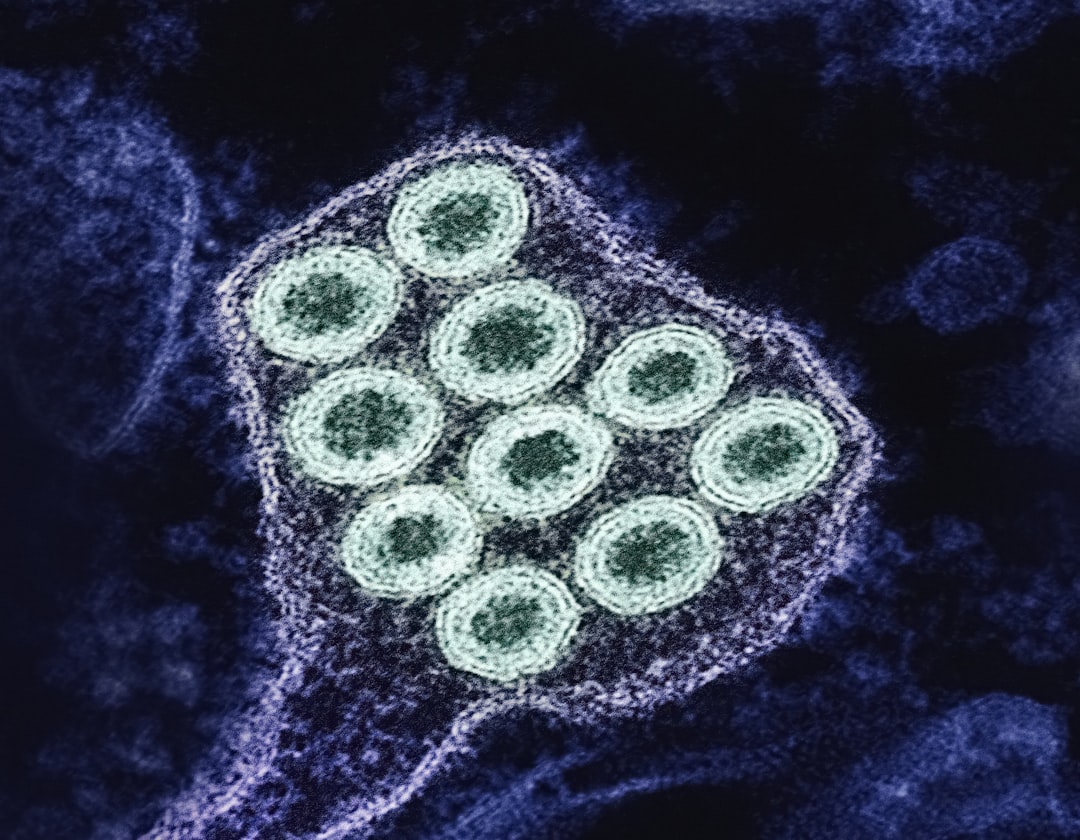
You’ve likely heard whispers, perhaps even seen dramatic headlines, about viruses and their role in human development. While the immediate thought might be of illness and adversity, a deeper dive reveals a far more intricate and, frankly, astonishing relationship. Specifically, let’s consider the profound and often overlooked influence of viruses on a foundational pillar of your existence: the formation of your placenta. This sophisticated organ, crucial for your very survival in utero, is not a pristine, untouched entity. Instead, it’s a dynamic landscape shaped, in part, by the persistent presence of viral genetic material.
Viral Relics and Maternal Immunity
It’s crucial to understand that when we talk about viral influence on placental formation, we’re not necessarily referring to active, replicating infections causing immediate harm during pregnancy. Instead, a significant portion of this influence stems from something far more ingrained: ancient viral sequences integrated into your genome.
Endogenous Retroviruses: The Ghost in Your Genome
You carry within your DNA—in every cell of your body, including those contributing to placental development—remnants of ancient viral infections. These are known as Human Endogenous Retroviruses (HERVs). Think of them as molecular fossils, viral DNA that, millions of years ago, infected your ancestors and, crucially, inserted themselves into the reproductive cells. When those infected individuals reproduced, these viral DNA sequences were passed down to their offspring, becoming a permanent part of the germline.
The Scale of HERVs
It’s astonishing to consider the sheer volume of HERVs in your genome. They constitute a significant fraction, estimated to be around 8% of your total DNA. This is more genetic material than all the protein-coding genes combined. While many of these HERVs are now inactive, fragmented, or mutated beyond recognition, a subset still retains some degree of function or can produce transcripts and proteins.
Beyond Junk DNA
For a long time, these HERVs were dismissed as mere “junk DNA.” However, modern research has revealed that this view is far too simplistic. These viral relics are not inactive passengers; they are actively engaging in cellular processes and, as you’ll discover, playing a role in the complex dance of placental development.
The Immune System’s Tightrope Walk
Your mother’s immune system faces a monumental task during pregnancy. It must tolerate a semi-allogeneic fetus (carrying half of your father’s genetic material, which is foreign) while simultaneously defending against genuine threats. This delicate balance is heavily influenced by the immune response, and viruses, both active and endogenous, have undoubtedly shaped this response over evolutionary time.
Recognizing the “Self” and the “Non-Self”
The immune system relies on intricate recognition mechanisms. Viral infections have historically presented challenges to these mechanisms, forcing the evolution of sophisticated ways to distinguish between pathogens and the body’s own tissues. This evolutionary pressure, driven by viral encounters, has likely contributed to the development of tolerogenic mechanisms essential for a successful pregnancy.
HERVs and Immune Modulation
Interestingly, some HERV proteins are able to interact with components of the maternal immune system. This can lead to a dampening of inflammatory responses, which is crucial to prevent the rejection of the fetus. In essence, these ancient viral remnants might be helping your mother’s immune system to become more permissive to your presence.
Recent research has shed light on the intriguing role that viruses may have played in the evolution of the human placenta, suggesting that these microorganisms contributed to the development of this vital organ. For a deeper understanding of this fascinating connection, you can explore the article on this topic at Freaky Science, which delves into how viral elements have influenced human biology and reproductive strategies.
Syncytiotrophoblast Formation: A Viral Blueprint?
The syncytiotrophoblast is the outer layer of the placenta, the one directly interfacing with your mother’s blood supply. It’s a multinucleated cell layer formed by the fusion of individual cells called cytotrophoblasts. This fusion process is critical for nutrient and gas exchange. And here’s where the viral connection becomes particularly intriguing.
The Role of Env Proteins
Many retroviruses, including the ancestors of HERVs, encode a gene called env. This gene produces envelope proteins, which are essential for the virus to fuse with host cells and infect them. It turns out that some HERVs also produce functional Env-like proteins.
Synchronization and Fusion
Research has shown that these HERV-derived Env proteins can mediate cell-cell fusion. This is remarkably similar to the process required for the formation of the syncytiotrophoblast. It’s as if the evolutionary selection has favored the retention and even utilization of these viral fusion machinery components for a vital human developmental process.
Evidence in Placentas
Studies have detected HERV transcripts and proteins specifically within the syncytiotrophoblast. This localization suggests a functional role rather than mere passive presence. The presence of these viral proteins in the very cells responsible for placental function raises compelling questions about their specific contributions.
Mimicking Viral Strategies
Your nascent placenta, in a sense, appears to have co-opted viral strategies for its own benefit. The ability of viral proteins to induce cell fusion has been repurposed by the placenta to create the essential multinucleated barrier. This is a prime example of how evolutionary pressures can lead to the adoption and adaptation of existing biological mechanisms, even those with a viral origin.
Protecting Against Active Viral Infections
While endogenous viruses play a structural role, active viral infections always pose a potential threat during pregnancy. However, human evolution has also equipped you with mechanisms, partly influenced by past viral encounters, to ward off infections that could disrupt placental development.
The Placental Barrier: More Than Just a Physical Defense
The placenta isn’t just a passive exchange system; it’s also an active guardian. It possesses various mechanisms to limit the passage of pathogens from the mother to the fetus. These defense mechanisms have likely been honed over millennia of human-virus interactions.
Innate Immunity at the Maternal-Fetal Interface
The placental cells themselves are equipped with innate immune receptors that can detect viral components. This allows for an early warning system and the initiation of local antiviral responses. This innate immune capacity likely evolved in response to the constant threat of viral infections in ancestral populations.
Harnessing Antiviral Pathways
Your maternal immune system also employs potent antiviral pathways, such as the interferon system. While these pathways are crucial for fighting off general viral infections, their specific modulation during pregnancy ensures that a potentially beneficial infection is not overreacted to, while still providing a degree of protection.
Viral Interference: A Double-Edged Sword
Interestingly, the presence of HERV proteins themselves might even offer a form of protection against certain active viral infections. This phenomenon, known as viral interference, occurs when the presence of one virus (or viral component) inhibits the replication or entry of another.
Competing for Receptors
Some HERV Env proteins might compete with the entry receptors used by certain exogenous retroviruses. If the HERV protein occupies the receptor first, the infectious virus may be unable to gain entry into the cell. This can create a subtle but potentially significant barrier to infection.
Disruption of Viral Life Cycles
Beyond receptor competition, HERV proteins could potentially interfere with other stages of the viral life cycle. Their interaction with cellular machinery might disrupt assembly, budding, or release of infectious virions.
Early Development and Implantation: A Viral Influence
The very beginning of your journey, from fertilization to successful implantation, is a critical and complex phase. Emerging evidence suggests that viral elements may also play a role in these initial stages of placental establishment.
trophoblast Stem Cells and Differentiation
The development of the placenta begins with trophoblast stem cells, which have the remarkable ability to differentiate into various cell types. This differentiation process is tightly regulated by a cascade of genetic and epigenetic signals.
HERV Promoters and Gene Regulation
It’s becoming clear that HERV sequences, particularly their long terminal repeats (LTRs), can act as potent promoters or enhancers for nearby genes. These regulatory elements are crucial for controlling gene expression during development. In the context of early placental development, HERV LTRs might be influencing the expression of genes essential for trophoblast stem cell differentiation and proliferation.
Epigenetic Control
The epigenetic landscape—the chemical modifications to DNA and its associated proteins—plays a vital role in determining which genes are turned on or off. HERV sequences can be targets of epigenetic modifications, and their activity can, in turn, influence the epigenetic state of surrounding host genes. This intricate interplay could be crucial for establishing the unique molecular environment of the early placenta.
The “Placental Mammal” Hypothesis
Some researchers have proposed the “placental mammal” hypothesis, which suggests that the evolution of the placenta itself might have been co-opted or influenced by the integration of retroviral elements in early mammalian ancestors.
ERVs as Drivers of Innovation
The hypothesis posits that the genetic material provided by ERVs, perhaps including those that facilitate cell fusion or immune modulation, could have provided novel genetic tools that were then selected for and integrated into the development of advanced placental structures. This is a bold idea, suggesting that a significant evolutionary leap might have been partly enabled by ancestral viral infections.
Evolutionary Arms Race
This perspective paints a picture of a long-standing evolutionary arms race, where viruses and their hosts have engaged in a continuous interplay of exploitation and adaptation. The placenta, in this view, is not just a product of host evolution but also a testament to viral influence on that evolutionary trajectory.
Recent research has unveiled fascinating insights into the evolutionary role of viruses in the development of the human placenta, suggesting that these microscopic entities may have contributed significantly to our reproductive biology. For a deeper understanding of this intriguing connection, you can explore a related article that discusses the implications of viral integration in human evolution. This article highlights how certain viral genes have been co-opted over time to facilitate the complex processes involved in placental formation. To learn more about this captivating topic, visit this article.
Potential Dysregulation and Disease
While the beneficial and integration aspects of viral influence on placental formation are significant, it’s also important to acknowledge that dysregulation can occur, potentially contributing to pregnancy complications.
HERVs and Preeclampsia
Preeclampsia, a serious pregnancy disorder characterized by high blood pressure and proteinuria, has been linked to aberrant HERV expression. While the exact mechanisms are still under investigation, it’s hypothesized that dysregulated HERV activity could contribute to inflammation, endothelial dysfunction, and placental insufficiency.
Aberrant Immune Responses
If the HERV-mediated immune tolerance mechanisms are disrupted, it could lead to an inappropriate inflammatory response at the maternal-fetal interface, potentially triggering the cascade of events seen in preeclampsia.
Syncytiotrophoblast Dysfunction
Alterations in HERV protein expression or function could also directly impact the integrity and function of the syncytiotrophoblast, leading to impaired nutrient transfer and oxygen supply.
Other Pregnancy Complications
Beyond preeclampsia, research is exploring possible links between HERV activity and other pregnancy complications, such as intrauterine growth restriction and preterm birth. The intricate balance of HERV expression and function during placental development appears to be crucial for a healthy pregnancy.
The Need for Further Research
It is vital to emphasize that much of this research is ongoing, and definitive cause-and-effect relationships are still being established. The complexity of the placenta and the multifaceted nature of viral influence mean that understanding these connections requires rigorous scientific investigation.
Future Therapeutic Avenues
While the immediate focus is on understanding, this knowledge also holds potential for future diagnostic and therapeutic strategies. Identifying specific HERV biomarkers or understanding how to modulate HERV activity could, in the long term, offer new ways to manage or even prevent certain pregnancy complications.
Your existence, from its very beginnings, is interwoven with the legacy of viruses. The organ that nourished you within your mother’s womb, the placenta, bears the imprints of these ancient encounters. It’s a reminder that life is not a solitary endeavor but a continuous dance of integration and adaptation, where even the most formidable adversaries can, over vast stretches of time, become unexpected architects of our very formation.
FAQs
What is the role of viruses in building the human placenta?
Viruses have played a crucial role in the evolution of the human placenta. It is believed that viral DNA integrated into the human genome millions of years ago, leading to the development of the placenta as a way to protect the fetus from viral infections.
How did viruses contribute to the development of the human placenta?
Viruses contributed to the development of the human placenta by providing genetic material that allowed for the formation of the placental structure. This genetic material helped in the regulation of the immune system and the establishment of a barrier between the mother and the fetus.
What evidence supports the theory that viruses built the human placenta?
Evidence supporting the theory that viruses built the human placenta includes the presence of viral genetic material in the human genome, as well as similarities between viral genes and genes involved in placental development. Additionally, studies on other mammals have shown similar relationships between viral DNA and placental development.
What are the implications of viruses building the human placenta?
Understanding the role of viruses in building the human placenta has implications for our understanding of human evolution and reproductive biology. It also has potential implications for the study of pregnancy-related complications and the development of new treatments.
How does this research impact our understanding of viruses and human health?
This research impacts our understanding of viruses and human health by highlighting the complex relationship between viruses and the human body. It also emphasizes the potential beneficial roles that viruses may have played in human evolution and development.