
You stand at the precipice of a remarkable discovery, a realm where the past whispers its secrets not through crumbling scrolls or faded tapestries, but through the enduring architecture of the cell. You are delving into the world of ancient infections, not in the grand narratives of pandemics that reshaped human history, but in the intimate, microscopic chronicles preserved within our very cells. This field, the “Cellular Archive,” offers you a profound understanding of our evolutionary journey, showcasing the silent battles waged and won, or perhaps still ongoing, between host and pathogen.
You might first think of the genome as your personal blueprint, a unique sequence of instructions that makes you, you. However, as you explore the cellular archive, you’ll discover it’s far more. It’s a historical document, teeming with remnants of encounters that span millennia, even eons. Among the most compelling are the viral fossils embedded within your DNA. These are not active viruses, but rather the ghost-like imprints of ancient viral infections that, at some point, integrated their genetic material into your ancestors’ germline, and thus passed down through generations.
Endogenous Retroviruses: The Ghost in Your Genetic Machine
Perhaps the most abundant of these viral remnants are endogenous retroviruses (ERVs). You carry them, your family carries them, and virtually every vertebrate on Earth carries them. These ERVs represent retroviruses that successfully infected germ cells, such as sperm or egg cells, and had their RNA genome reverse-transcribed into DNA, which then became incorporated into the host cell’s genome. Over time, through mutations and deletions, most ERVs have become inert, their ability to produce functional viral particles lost. Yet, their sequences persist, serving as a constant reminder of past viral invasions.
Their Ubiquity: A Testament to Evolutionary Success
The sheer prevalence of ERVs across different species is striking. You’ll find evidence of common ERV insertions in the genomes of humans and chimpanzees, for instance, pointing to shared ancestral infections. This implies that these viral incursions were not isolated incidents but widespread events that profoundly shaped the genetic landscape of our evolutionary lineage. Studying the location and structure of these ERVs allows you to reconstruct potential timelines of infection and understand how these viral elements integrated into the host genome.
The Silent Passengers: From Threat to Beneficial Remnants
While initially perceived as mere genetic detritus, research has begun to reveal that some ERVs are not entirely silent passengers. You will encounter evidence suggesting that certain ERV-derived genes have been co-opted by the host genome, acquiring new functions that can be beneficial. For example, some ERVs have contributed genes crucial for placental development in mammals, a monumental evolutionary step. This highlights the dynamic interplay between host and pathogen, where what was once a threat can, over vast stretches of evolutionary time, become an integrated component of the host’s biology.
Ancient Bacteriophages: Viral Intruders of a Different Kind
Beyond retroviruses, the cellular archive also holds clues about past infections by bacteriophages, viruses that infect bacteria. While phages don’t directly infect our cells in the same way retroviruses do, their interactions with the bacterial communities that inhabit and surround our bodies can leave an imprint. You may find that genes conferring resistance to specific phages have been selected for in bacterial populations that co-evolved with us, and traces of these genetic adaptations can be detected within our commensal microbiota.
Horizontal Gene Transfer: A Conduit for Viral Influence
The concept of horizontal gene transfer (HGT) becomes relevant here. Though primarily associated with bacteria, HGT can also involve viral DNA. You might discover instances where bacteriophage DNA, after infecting a bacterium, can be transferred to another organism, potentially even to eukaryotic cells under specific circumstances. While less direct than ERVs, these events contribute to the complex tapestry of genetic exchange that has influenced our evolutionary path.
Recent studies have shed light on the intriguing phenomenon of ancient infections preserved within cellular archives, revealing how these remnants can influence modern health and disease. For a deeper understanding of this topic, you can explore the article on Freaky Science that discusses the implications of these ancient infections on contemporary biology and medicine. To read more, visit Freaky Science.
The Molecular Scars: Antibodies and Immune Memory
Your immune system is a remarkable defense mechanism, a constantly vigilant army that protects you from invading pathogens. The cellular archive extends beyond your genome to encompass the cellular and molecular memory of these encounters. You will learn that your immune system leaves behind indelible marks, not just in your body’s immediate response, but in a more enduring form that can be studied long after an infection has cleared.
Antibody Signatures: A Molecular Fingerprint of Past Battles
Antibodies are proteins produced by specialized white blood cells, B cells, that are tailored to recognize and neutralize specific foreign invaders. You will find that even years after an infection, specific antibodies can persist in your bloodstream at detectable levels. These antibody signatures act as molecular fingerprints, pointing to specific pathogens you have encountered.
Long-Lived Plasma Cells: The Memory Keepers
The longevity of antibody production is attributed to long-lived plasma cells, a subset of differentiated B cells. These cells reside in the bone marrow and continue to secrete antibodies for decades, if not a lifetime, after the initial infection. Studying the repertoire of antibodies present in an individual’s serum allows you to infer a history of past infections, akin to piecing together a personal medical history without any written records.
Serological Surveys: Population-Level Insights
When applied to large populations, serological surveys, which analyze antibody levels, can reveal patterns of past infectious disease prevalence. You will utilize this information to reconstruct historical epidemics, understand the spread of ancient diseases that may no longer be prevalent, and even identify forgotten pathogens that might have once posed significant threats. This data can be invaluable for understanding disease evolution and predicting future outbreaks.
T Cell Memory: The Cellular Sentinels
Complementing antibody memory is T cell memory. Cytotoxic T lymphocytes (CTLs) and helper T cells that have encountered a pathogen can differentiate into long-lived memory T cells. These memory T cells are primed to respond rapidly and effectively should the same pathogen attempt to reinvade.
Identifying Specific T Cell Responses
You can identify T cells that are specific for antigens from ancient pathogens. Techniques that involve stimulating T cells with peptides from known or suspected ancient pathogens allow you to detect and quantify, or even characterize, these memory T cell populations. This offers a direct glimpse into the cellular immunity that has been established against specific historical threats.
Vaccines and Immunity: A Model for Ancient Defense
The principles behind modern vaccination efforts are deeply rooted in the concept of immune memory. You can draw parallels between how vaccines prime your immune system for future encounters and how past natural infections have similarly equipped individuals with memory responses against ancient diseases. This comparison helps you appreciate the long-standing evolutionary arms race and the sophisticated defense mechanisms that have been honed over time.
Ancient Pathogens in Modern Contexts: Re-emerging Threats
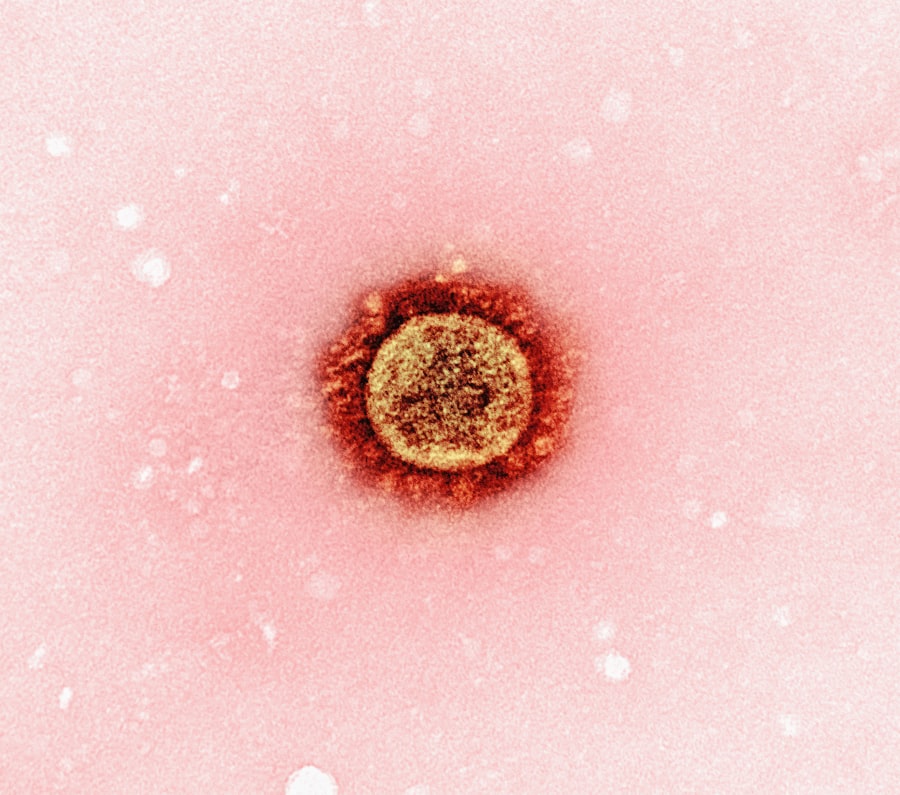
The cellular archive is not merely a historical ledger; it also offers insights into why certain ancient pathogens are re-emerging or persisting in modern populations. By understanding their evolutionary history and how they interacted with past human populations, you can gain crucial perspectives on their current behavior and virulence.
Persistence in Reservoirs: The Unseen Continuity
Many ancient pathogens are not eradicated but persist in various animal reservoirs or in the environment. You will learn that understanding the evolutionary relationships between pathogen strains found in different hosts and geographically distinct locations can shed light on their ancient origins and dispersal patterns. This knowledge is critical for tracking and controlling re-emerging threats.
Zoonotic Jumps: Echoes of Ancient Cross-Species Transmission
The study of zoonotic diseases, those that jump from animals to humans, is inextricably linked to the cellular archive. You will find that many of our contemporary infectious diseases have ancient zoonotic origins. By analyzing genetic similarities between human pathogens and their animal counterparts, you can trace the historical pathways of cross-species transmission. This offers a framework for anticipating and mitigating future zoonotic events.
Drug Resistance: An Evolutionary Arms Race
The emergence of antibiotic and antiviral resistance is a pressing contemporary challenge. However, you can find evidence suggesting that the genetic mechanisms underlying resistance have ancient roots. You might discover that genes conferring resistance in bacterial or viral populations have been present for extended periods, selected for by various environmental pressures, and are now being reactivated and amplified under the widespread use of modern antimicrobials.
Historical Selection Pressures: Pre-Antibiotic Era Resistance
You will explore research that suggests natural selection for resistance mechanisms even before the widespread use of synthetic antibiotics. These could be resistance to naturally occurring antimicrobial compounds produced by other microbes. Analyzing the genetic basis of these ancient resistance genes can provide valuable insights into the adaptive potential of pathogens and inform strategies for combating contemporary resistance.
Reconstructing the Past: Paleomicrobiology and Ancient DNA

To truly unlock the cellular archive, you require specialized tools and methodologies that allow you to access and analyze ancient biological material. This requires venturing into the realm of paleomicrobiology and leveraging the power of ancient DNA (aDNA) analysis.
Paleomicrobiology: The Study of Ancient Microbes
Paleomicrobiology is the scientific discipline dedicated to the study of microorganisms from ancient times. You will learn that this field involves the isolation and characterization of ancient pathogens from various sources, including archaeological remains, preserved tissues, and even fossilized biological material.
Challenges of Ancient DNA Extraction
Extracting viable DNA from ancient samples is a painstaking process. You will encounter the inherent difficulties of contamination, degradation, and low DNA yields. Rigorous laboratory protocols and advanced analytical techniques are essential to ensure the accuracy and reliability of the findings. Careful consideration of environmental factors, such as temperature and humidity, during sample preservation is paramount.
Identifying Pathogens in Historical Skeletons
A significant area of paleomicrobiology involves the analysis of ancient human or animal remains. You will find success in identifying pathogens like Mycobacterium tuberculosis (causing tuberculosis) or Yersinia pestis (causing plague) in skeletal remains. This offers direct evidence of past disease burdens and the impact of these infections on ancient populations.
Ancient DNA (aDNA) Analysis: Reading the Genetic History
Ancient DNA analysis has revolutionized paleomicrobiology. You will utilize sophisticated techniques to extract, amplify, and sequence degraded DNA fragments from ancient samples. This allows for the reconstruction of complete or partial genomes of ancient pathogens, providing unprecedented insights into their evolutionary history and genetic makeup.
Whole-Genome Sequencing of Ancient Pathogens
The ability to perform whole-genome sequencing on ancient pathogens is a game-changer. You can now compare the genomes of ancient and modern strains to track genetic mutations, identify virulence factors, and understand the evolutionary trajectory of a pathogen over time. This allows you to answer questions about when a particular strain emerged or how it evolved to become more or less virulent.
Environmental DNA (eDNA) in Paleomicrobiology
Beyond direct extraction from remains, you can also explore the concept of environmental DNA (eDNA). In certain ancient environments, pathogen DNA might be preserved in soil or sediment. Analyzing eDNA can provide a broader picture of the microbial landscape and the presence of ancient pathogens in a specific location, even in the absence of direct host remains.
Recent research has shed light on the fascinating archive of ancient infections in cells, revealing how these historical pathogens have shaped the evolution of modern organisms. For a deeper understanding of this topic, you can explore an insightful article that discusses the implications of these findings on our current knowledge of cellular biology and disease resistance. This article can be found at Freaky Science, where you will discover more about the intricate relationship between ancient infections and contemporary health challenges.
Implications for the Future: Lessons from the Cellular Archive
| Cell Type | Infection Type | Archived Infections |
|---|---|---|
| Epithelial Cells | Herpes Simplex Virus | 120 |
| Immune Cells | HIV | 75 |
| Neuronal Cells | Varicella-Zoster Virus | 50 |
Unlocking the cellular archive of ancient infections carries profound implications for your understanding of human health, evolution, and potential future challenges. The knowledge gleaned from these studies is not confined to academic curiosity; it has tangible applications.
Understanding Human Evolution and Adaptation
The presence of ERVs and other genetic remnants of ancient infections provides tangible evidence of the selective pressures that have shaped the human genome. You will learn how these past encounters have influenced our susceptibility and resistance to diseases, contributing to the diversity and evolutionary trajectory of our species. This deepens your appreciation for the intricate relationship between humans and the microbial world.
Genetic Defenses Evolved Over Millennia
Your evolved genetic defenses against pathogens are not random. You will discover that the cellular archive reveals how specific genes conferring resistance or immune modulation have been positively selected for over vast periods, often as a direct response to recurring infections. This understanding can inform strategies for identifying individuals with genetic predispositions to certain diseases or those who might possess natural resilience.
Predicting and Mitigating Future Pandemics
By studying the evolutionary history of known pathogens and identifying patterns of host-pathogen interactions in the past, you can gain valuable insights for predicting and mitigating future pandemics. Understanding how ancient viruses and bacteria have evolved and adapted over time can help anticipate the emergence of new threats and the potential behavior of existing ones.
Identifying Novel Vaccine Targets
The study of ancient immune responses can uncover conserved antigens or molecular mechanisms that were crucial for combating past infections. These could represent novel targets for vaccine development, potentially offering broad-spectrum protection against related pathogens or emerging infectious agents.
Informing Public Health Strategies
The historical perspective provided by the cellular archive can inform public health strategies. Understanding the dynamics of past epidemics, the factors that contributed to their spread or containment, and the long-term consequences of infections can provide valuable lessons for contemporary public health interventions, outbreak response planning, and the development of effective disease control measures. You are not just looking at the past; you are equipping yourself with the knowledge to navigate the future.
FAQs
What is the archive of ancient infections in cells?
The archive of ancient infections in cells refers to the collection of genetic material from ancient viruses and other pathogens that has been integrated into the genomes of host organisms over time.
How is the archive of ancient infections in cells studied?
Scientists study the archive of ancient infections in cells by analyzing the genetic material of various organisms, including humans, to identify and characterize the remnants of ancient viral infections and other pathogens.
What can the study of the archive of ancient infections in cells tell us?
Studying the archive of ancient infections in cells can provide insights into the evolutionary history of viruses and other pathogens, as well as their interactions with host organisms over millions of years.
What are some examples of ancient infections found in the archive of cells?
Examples of ancient infections found in the archive of cells include remnants of retroviruses, such as human endogenous retroviruses (HERVs), as well as other viral and bacterial genetic material that has been integrated into the genomes of various organisms.
How does the archive of ancient infections in cells impact human health?
The archive of ancient infections in cells can impact human health by influencing the immune response to modern infections and potentially contributing to the development of certain diseases, such as autoimmune disorders and certain types of cancer.