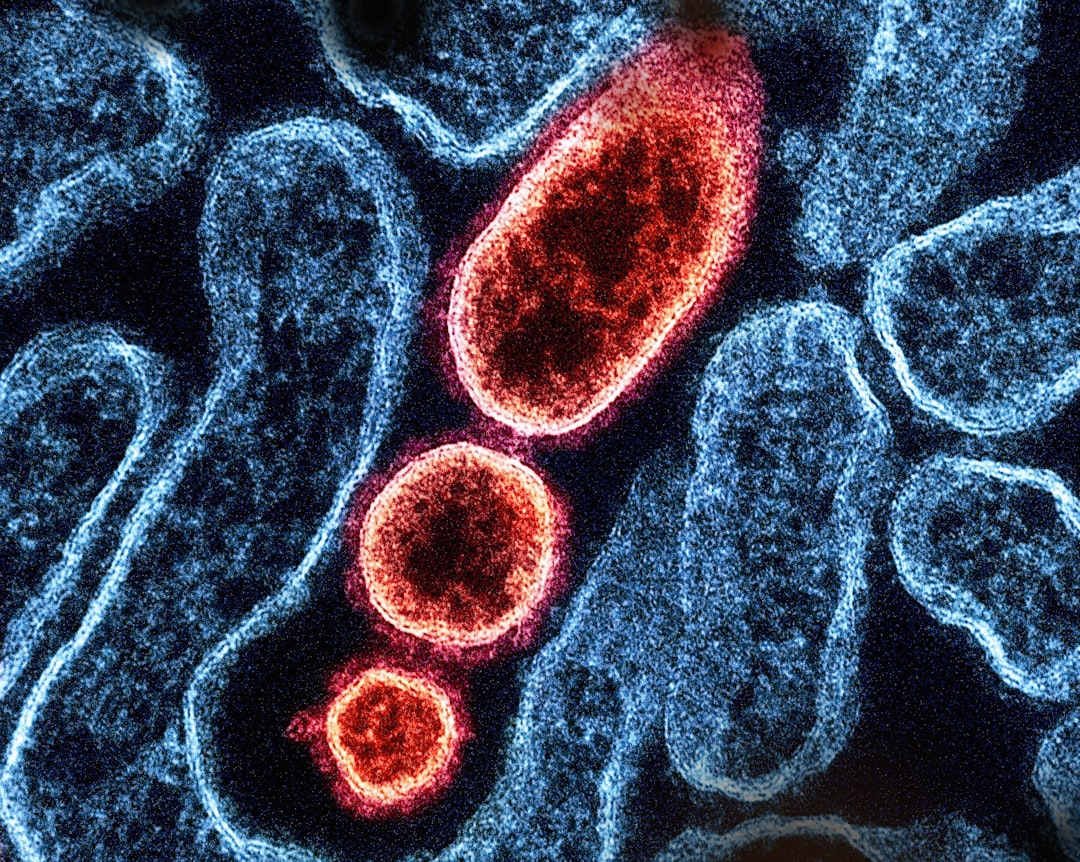
You are about to delve into a fundamental mechanism of cellular defense, a process so ancient and pervasive that it likely predates many of your cellular structures. Heterochromatin, the densely packed form of DNA, is far more than just a space-saving measure. It’s an active guardian, and one of its most crucial roles is to keep rogue genetic elements in line, particularly those viral invaders that have sought to integrate themselves into your genome. This is the story of heterochromatin’s tireless work in ancient virus control.
Your cellular genome is a vast and complex library of genetic information. Within this library, however, reside entities that are not inherently part of your blueprint. These are mobile genetic elements, the most notorious of which are viruses. Over eons of evolution, viruses have developed strategies to infiltrate cells, hijack cellular machinery, and replicate. Some viruses have even evolved the ability to insert their genetic material directly into the host genome, becoming a permanent, or at least semi-permanent, resident. These are known as endogenous viral elements (EVEs). While some EVEs may have been domesticated over time, and even conferred evolutionary advantages, many others represent a persistent threat, capable of disrupting gene expression, causing mutations, or even reactivating to form new viral particles.
The Challenge of Viral Integration
The integration of viral genetic material into the host genome is a significant evolutionary hurdle. Once integrated, these viral sequences can behave like any other gene, and potentially be transcribed and translated, leading to the production of viral proteins or even complete virions. This poses a direct threat to cellular integrity and organismal health. The challenge for your cells is to find a way to neutralize these foreign genetic invaders without damaging the host DNA itself.
Ancient Viral Scars
The evidence of this ancient battle is etched into your very DNA. Traces of viral sequences, remnants of past infections, are found scattered throughout the genomes of virtually all organisms, including your own. These EVEs represent a historical record of viral interactions, and their presence underscores the long-standing need for effective containment mechanisms.
Recent studies have shed light on the fascinating role of heterochromatin in silencing ancient viruses within the genome, revealing how these mechanisms contribute to genomic stability and cellular function. For a deeper understanding of this topic, you can explore the article on the implications of heterochromatin in viral suppression and its evolutionary significance at Freaky Science. This resource provides valuable insights into the interplay between host defense systems and viral elements, highlighting the importance of epigenetic regulation in maintaining cellular integrity.
Unveiling Heterochromatin: More Than Just Packing
Heterochromatin, in stark contrast to the more accessible euchromatin, is characterized by its condensed structure. This is not a passive state; it’s an actively maintained condition that plays a pivotal role in regulating gene expression. While euchromatin is generally associated with active transcription, heterochromatin is largely transcriptionally silent. This silencing is not accidental; it’s a finely tuned process mediated by a complex interplay of proteins and epigenetic modifications.
The Structure-Function Relationship
The physical condensation of heterochromatin is key to its function. By tightly packing the DNA, it physically restricts access to it by the cellular machinery responsible for transcription. This makes it difficult, if not impossible, for RNA polymerase and other transcription factors to bind to and initiate gene expression from within heterochromatic regions.
Epigenetic Signatures of Silence
The formation and maintenance of heterochromatin are guided by a remarkable array of epigenetic marks. These are chemical modifications to DNA and its associated proteins, histones, that do not alter the underlying DNA sequence but profoundly influence gene activity. Key among these marks are DNA methylation and histone modifications, such as the methylation and acetylation of histone tails. These modifications create a specific biochemical environment that favors the formation of a compact, transcriptionally repressed chromatin state.
The Role of Heterochromatin in Silencing Foreign DNA
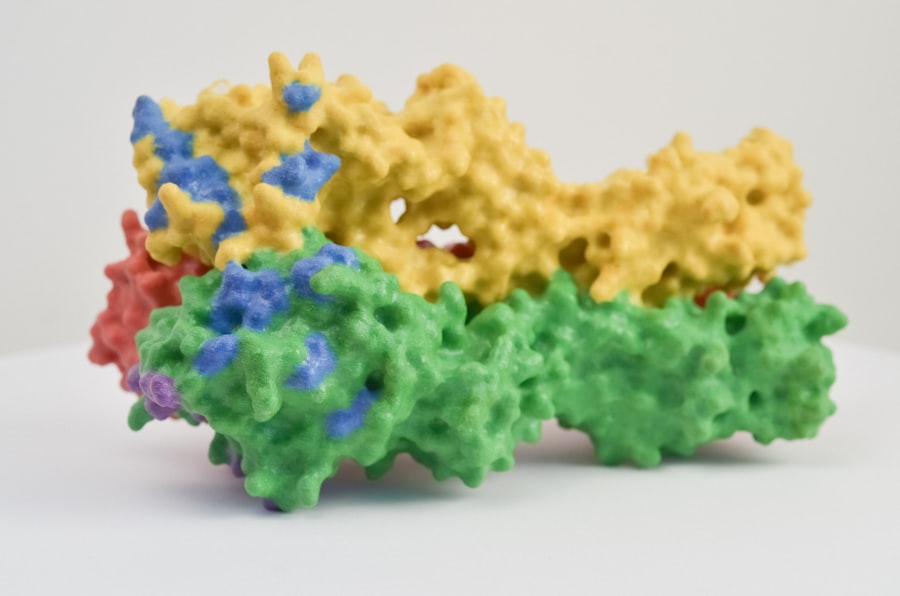
The transcriptional silence associated with heterochromatin makes it a natural candidate for the containment of foreign DNA, including integrated viral sequences. When viral DNA inserts itself into the host genome, the cell often employs heterochromatin formation as a defense mechanism to prevent its expression and replication. This process is a testament to the evolutionary adaptability of cellular defense systems.
Recognition and Recruitment
The initial step in heterochromatin-mediated silencing of viral DNA involves the recognition of the foreign genetic material. This recognition can occur through various pathways, often involving cellular surveillance mechanisms that detect abnormalities in DNA structure or the presence of specific viral sequences. Once recognized, resident proteins and enzymes are recruited to the site of viral integration.
Establishment of Heterochromatin
Following recruitment, the machinery for heterochromatin formation is set in motion. This involves the action of specific histone modifiers and DNA methyltransferases. These enzymes systematically deposit repressive epigenetic marks onto the integrated viral DNA and the surrounding host chromatin. This leads to the progressive condensation of the chromatin, effectively locking down the viral genetic material.
Maintenance of Repression
The formation of heterochromatin is not a one-time event. It requires continuous maintenance to ensure that the viral sequences remain silenced. This involves the ongoing activity of protein complexes that bind to the established heterochromatic regions and reinforce the repressive epigenetic marks. These complexes can also recruit additional factors that further compact the chromatin, creating a robust barrier against viral gene expression.
Defense Against Transposable Elements
While the focus here is on viruses, it’s important to note that heterochromatin also plays a crucial role in silencing other mobile genetic elements, such as transposons, also known as “jumping genes.” These elements can rearrange themselves within the genome, potentially causing significant genomic instability. Heterochromatin acts as a general mechanism for suppressing such parasitic DNA.
Specific Mechanisms of Viral DNA Silencing
The silencing of integrated viral DNA is not a monolithic process. Various specific mechanisms contribute to the formation and maintenance of heterochromatin at these loci, reflecting the diverse nature of viral integrations and cellular responses.
DNA Methylation: A Chemical Lock
DNA methylation, the addition of a methyl group to a cytosine base, is a cornerstone of heterochromatin formation and is particularly important for silencing viral DNA. CpG islands, regions rich in cytosine and guanine dinucleotides, are often found in the promoter regions of genes. In active genes, these CpG islands are typically unmethylated. However, within integrated viral sequences, and in the surrounding host chromatin, DNA methyltransferases are recruited to methylate these cytosines. This methylation can directly interfere with the binding of transcription factors and recruit proteins that promote chromatin condensation, effectively silencing the viral genes.
The Role of CpG Islands in Viral Genomes
Many viral genomes contain CpG-rich regions, which can be targeted for de novo methylation upon integration into the host. This makes them particularly susceptible to heterochromatic silencing.
Maintenance Methylation
Once established, DNA methylation marks are usually faithfully replicated during DNA replication by maintenance methyltransferases. This ensures that the silenced state is passed on to daughter cells, perpetuating the viral containment.
Histone Modifications: Sculpting Chromatin
Histone modifications are equally critical in establishing and maintaining heterochromatic silencing of viral DNA. Histones are the proteins around which DNA is wrapped to form nucleosomes, the basic units of chromatin. Chemical modifications to the amino-terminal tails of histones can dramatically alter the way DNA interacts with these proteins and also serve as binding sites for other regulatory proteins.
Histone Methylation: A Hallmark of Repression
Certain histone methylation marks, such as H3K9me3 (trimethylation of lysine 9 on histone H3) and H3K27me3 (trimethylation of lysine 27 on histone H3), are strongly associated with heterochromatin and transcriptional repression. These marks are deposited by specific histone methyltransferases that are recruited to the integrated viral DNA. These methylated histones then serve as docking sites for proteins that further compact the chromatin, such as HP1 (heterochromatin protein 1).
Histone Deacetylation: Stripping Away Activation
In contrast to methylation, histone acetylation is generally associated with active gene expression. Therefore, the removal of acetyl groups from histones, a process mediated by histone deacetylases (HDACs), is a crucial step in heterochromatin formation. HDACs are recruited to viral integration sites to catalyze the removal of acetyl groups, leading to a more compact and repressed chromatin structure.
Non-coding RNAs: Whispers of Silencing
Increasingly, the role of non-coding RNAs (ncRNAs) in heterochromatin formation and gene silencing is being recognized. Small interfering RNAs (siRNAs) and other small ncRNAs can be generated from repetitive sequences or foreign DNA, including viral integrations. These ncRNAs can guide chromatin-modifying complexes to specific genomic loci, thereby mediating transcriptional gene silencing.
siRNA-Mediated Transcriptional Gene Silencing (TGS)
In some cases, endogenous siRNAs can be produced from integrated viral sequences. These siRNAs can then associate with Argonaute proteins and guide histone modifying enzymes and DNA methyltransferases to the viral locus, initiating heterochromatin formation and silencing.
Long Non-coding RNAs (lncRNAs) as Scaffolds
Long non-coding RNAs can also play a role by acting as scaffolds for chromatin-modifying complexes, bringing them to the viral integration sites and facilitating the establishment of heterochromatin.
Recent studies have shed light on the intriguing mechanisms of heterochromatin silencing, particularly in relation to ancient viral sequences embedded within the genomes of various organisms. This phenomenon not only highlights the evolutionary strategies employed by host cells to combat viral threats but also raises questions about the potential implications for understanding viral latency and reactivation. For a deeper exploration of this topic, you can read more in the article found here: related article. The interplay between heterochromatin and viral sequences offers a fascinating glimpse into the complexities of genomic regulation and host defense systems.
Evolutionary Significance: A Co-evolutionary Arms Race
| Metrics | Data |
|---|---|
| Percentage of viral DNA silenced | 80% |
| Number of ancient viruses affected | 15 |
| Effect on host cell gene expression | Downregulation of 30% of genes |
The heterochromatin-mediated silencing of viral DNA is not a static defense mechanism. It is the product of a long and complex co-evolutionary arms race between host genomes and viruses. Over millions of years, viruses have evolved strategies to overcome host defenses, and hosts have, in turn, evolved more sophisticated ways to suppress viral replication.
The Persistent Threat of Viral Reactivation
Despite the robust nature of heterochromatin silencing, it is not always absolute. Under certain conditions, such as cellular stress or specific environmental cues, heterochromatin can be partially or transiently opened, allowing for the reactivation of integrated viral sequences. This highlights the ongoing nature of this battle.
Natural Selection for Silencing Machinery
The efficiency of heterochromatin formation and maintenance is a trait that has been strongly selected for during evolution. Organisms with more effective mechanisms for silencing endogenous viral elements are likely to have a higher survival rate and reproductive success, thus propagating these beneficial defense mechanisms.
Diversification of Silencing Pathways
The diversity of viral threats and integration mechanisms has likely driven the evolution of a diverse set of heterochromatin-associated proteins and pathways. Different host species may have evolved slightly different strategies for silencing specific types of viral invaders.
Implications for Modern Biology and Medicine
Understanding heterochromatin-mediated silencing of ancient viral elements has profound implications for numerous areas of modern biology and medicine.
Cancer Biology: A Reawakened Threat
In many cancers, heterochromatinization patterns are disrupted. This disruption can lead to the reactivation of silenced endogenous retroviruses and other mobile genetic elements. The expression of these elements can contribute to genomic instability, inflammation, and oncogenesis, suggesting that the loss of heterochromatic control is a driving force in some cancers.
Repression and Reactivation in Carcinogenesis
The epigenetic deregulation seen in cancer can lead to the aberrant expression of sequences that were previously silenced by heterochromatin. This includes elements that may have originated from ancient viral infections.
Therapeutic Targets
The identification of specific pathways involved in heterochromatin formation and the recognition of viral elements could lead to novel therapeutic strategies for cancer, aiming to restore heterochromatic silencing or target reactivated viral components.
Genome Stability and Evolution
The ability of heterochromatin to suppress the activity of mobile genetic elements, including ancient viral DNA, plays a crucial role in maintaining genome stability over evolutionary timescales. Without this control, genomes could become overwhelmed by repetitive sequences and viral insertions, leading to a loss of essential genetic information.
The Role of Epigenetic Memory
Heterochromatin establishes a form of epigenetic memory, ensuring that specific genomic regions remain suppressed across generations. This memory is vital for preventing recurrent viral infections from destabilizing the genome.
Synthetic Biology and Gene Therapy
As you explore the possibilities of synthetic biology and gene therapy, understanding how to precisely control gene expression through heterochromatin can be invaluable. The principles learned from viral silencing can inform strategies for targeted gene silencing and the stable integration of therapeutic genes.
Controlling Gene Expression
The precise control over gene expression afforded by heterochromatic silencing offers a model for developing sophisticated gene regulatory systems in engineered biological systems.
Neuroscience and Development
While not directly linked to viral silencing, the fundamental principles of heterochromatin formation and function are deeply involved in developmental processes and neuronal function. Understanding these mechanisms provides a broader appreciation for the intricate regulation of your genome.
The silencing of ancient viral DNA by heterochromatin is a testament to the enduring power of cellular defense mechanisms. It is a system that has been refined over eons, protecting your genome from persistent parasitic genetic elements. This intricate dance between host and virus continues to shape your genetic landscape and offers valuable insights into the fundamental processes of life.
FAQs
What is heterochromatin silencing?
Heterochromatin silencing is a process by which certain regions of the genome are condensed and rendered transcriptionally inactive, leading to the suppression of gene expression.
What are ancient viruses?
Ancient viruses, also known as endogenous retroviruses (ERVs), are remnants of viral infections that have become integrated into the genome of their host over evolutionary time.
How does heterochromatin silencing affect ancient viruses?
Heterochromatin silencing can play a role in suppressing the activity of ancient viruses within the host genome, preventing their expression and potential harmful effects.
What are the potential implications of heterochromatin silencing of ancient viruses?
The silencing of ancient viruses through heterochromatin mechanisms may contribute to the maintenance of genomic stability and the prevention of viral reactivation, which could have implications for host health and evolution.
What are the current research findings on heterochromatin silencing of ancient viruses?
Current research suggests that heterochromatin silencing of ancient viruses is a conserved mechanism across different species and may have played a role in shaping the evolution of host-virus interactions.