Prion sterilization: Safely sterilizing medical tools
The successful sterilization of medical equipment is a cornerstone of patient safety, preventing the transmission of a vast array of pathogens. However, certain agents present a unique and formidable challenge: prions. These misfolded proteins, unlike conventional microorganisms, are remarkably resistant to standard sterilization methods. Their ability to induce conformational changes in normal proteins, leading to a cascade of cellular dysfunction and ultimately fatal neurodegenerative diseases, necessitates a deeper understanding and more rigorous approach to their inactivation. This article will delve into the complexities of prion sterilization, examining the challenges, the established protocols, and the ongoing research aimed at safeguarding against prion transmission in healthcare settings. Think of prions as rogue architects, able to hijack the blueprints of healthy proteins and force them to adopt the same destructive, malformed structure, leading to the collapse of cellular order.
Prions stand apart in the realm of infectious agents. They are not microorganisms in the traditional sense, possessing no genetic material like DNA or RNA. Instead, they are solely composed of a protein, specifically a misfolded isoform of a normal cellular protein known as the cellular prion protein (PrP^C). This normal protein is found on the surface of various cells, particularly neurons, and its exact function is still under investigation, but it is believed to play a role in cell signaling and protection. The dangerous variant, the disease-associated prion protein (PrP^Sc), arises from a spontaneous misfolding event or is acquired through exposure to an existing prion.
The Nature of Prion Misfolding
The critical distinction between PrP^C and PrP^Sc lies in their three-dimensional structure. While PrP^C is rich in alpha-helical regions, PrP^Sc is characterized by an abundance of beta-sheet structures. This structural shift is not merely an aesthetic difference; it confers upon PrP^Sc a remarkable stability and a propensity to aggregate. These aggregates, often forming fibrillar structures called amyloid plaques, are highly resistant to degradation. Imagine a perfectly folded origami crane (PrP^C) versus a crumpled ball of paper that stubbornly resists being smoothed out again (PrP^Sc). The biological consequences of this misfolding are devastating. When PrP^Sc encounters PrP^C, it acts as a template, inducing the normal protein to adopt the same misfolded conformation. This autocatalytic process leads to a snowball effect, where the concentration of PrP^Sc steadily increases, ultimately overwhelming cellular functions and leading to neuronal death.
Resistance to Inactivation
The inherent stability and aggregation patterns of PrP^Sc make it exceptionally resistant to common sterilization methods that effectively inactivate bacteria, viruses, and fungi. Autoclaving, a cornerstone of medical sterilization employing high-pressure steam, is often insufficient to fully eliminate prion infectivity. While prolonged and specific autoclaving cycles can reduce prion load, they may not guarantee complete inactivation, leaving a residual risk. Similarly, chemical disinfectants that readily denature nucleic acids and proteins in microorganisms are often ineffective against the highly stable beta-sheet structure of prions. The amyloid form of prions can act like a hardened shield, deflecting the attacks of typical sterilizing agents. This resilience poses a significant threat in healthcare settings where medical instruments can become contaminated with prion-containing tissues or fluids.
Prion Diseases and Transmission Routes
Prion diseases, collectively known as transmissible spongiform encephalopathies (TSEs), are a group of incurable and fatal neurodegenerative disorders. The most well-known human prion disease is Creutzfeldt-Jakob disease (CJD). Other human forms include variant CJD (vCJD), kuru, and fatal familial insomnia. Animal prion diseases include Bovine Spongiform Encephalopathy (BSE), also known as “mad cow disease,” scrapie in sheep and goats, and chronic wasting disease (CWD) in deer and elk.
Transmission of prions can occur through several routes. In the natural environment, it is often through ingestion of contaminated tissues, particularly nervous tissue. In healthcare settings, the primary concern is iatrogenic transmission, which can occur through the use of inadequately sterilized surgical instruments, neurosurgical procedures, corneal transplants, organ donations, and blood transfusions. The incubation periods for prion diseases are notoriously long, often spanning years or even decades, meaning that an individual could be infected and potentially transmit the disease before showing any outward symptoms. This silent spread is a critical factor in the urgency for effective prion sterilization.
Sterilizing medical tools to effectively eliminate prions is a critical concern in healthcare settings, given the resilience of these infectious agents. For a comprehensive guide on the methods and protocols involved in this process, you can refer to the article available at Freaky Science. This resource provides valuable insights into the best practices for ensuring that medical instruments are free from prion contamination, which is essential for patient safety and infection control.
Traditional Sterilization Methods and Their Limitations
Standard sterilization protocols in healthcare facilities are designed to eliminate a broad spectrum of biological threats. These methods rely on either physical or chemical means to kill or inactivate microorganisms. However, as discussed, the unique properties of prions often render these methods insufficient on their own.
Autoclaving: The Workhorse with Caveats
Autoclaving, or steam sterilization, is a widely used and highly effective method for sterilizing most medical equipment. It involves exposing instruments to saturated steam under pressure at elevated temperatures (typically 121°C or 134°C) for a specified duration. The high temperature and moisture effectively denature proteins and disrupt cellular structures of most pathogens. The rationale behind autoclaving is a robust one: the intense heat and steam essentially “cook” contaminants, breaking them down into harmless components.
However, research has consistently shown that standard autoclaving cycles, such as those used for routine sterilization, are not sufficient to completely inactivate prions. The beta-sheet-rich structure of PrP^Sc is highly resistant to denaturation by heat and steam. While prolonged autoclaving at higher temperatures can reduce prion infectivity significantly, complete eradication often requires specific, extended protocols and careful consideration of instrument material. For example, 134°C autoclaving for an extended period, often 18 minutes or more in a pre-vacuum autoclave, is recommended for prion-contaminated instruments. Even then, the concern remains that some infectious material might persist.
Chemical Disinfection: A Partial Solution
Chemical disinfectants are another crucial element of infection control. These agents work by disrupting cellular membranes, denaturing proteins, or interfering with essential metabolic processes of microorganisms. Common disinfectants include alcohols, aldehydes (like glutaraldehyde), and oxidizing agents (like hydrogen peroxide).
While some chemical agents have demonstrated efficacy against prions, their use in the context of medical device sterilization is often limited. For instance, concentrated solutions of sodium hydroxide (NaOH) or sodium hypochlorite (bleach) are known to be effective in inactivating prions. However, these chemicals can be highly corrosive and damaging to many medical instruments, particularly those made of delicate alloys or with complex internal lumens. Furthermore, the application of these chemicals requires careful control of concentration, contact time, and subsequent rinsing to ensure both effective inactivation and the preservation of instrument integrity. Using corrosive chemicals for sterilization is akin to employing a sledgehammer to crack a nut; it gets the job done, but at the potential cost of the nut itself. Emerging evidence suggests that combinations of chemical treatments and physical methods might offer synergistic prion inactivation.
Radiation and Filtration: Limited Applicability
Other sterilization methods, such as irradiation (using gamma rays or electron beams) and filtration, are generally not considered primary methods for prion inactivation. Radiation can be effective against microorganisms by damaging their genetic material, but its efficacy against prions is less well-established. Filtration is primarily used to remove particulate matter and microorganisms from liquids and gases, but it cannot remove soluble prion proteins. Therefore, these methods are typically employed for specific applications and do not represent a universal solution for prion sterilization on medical instruments.
Enhanced Sterilization Protocols for Prions
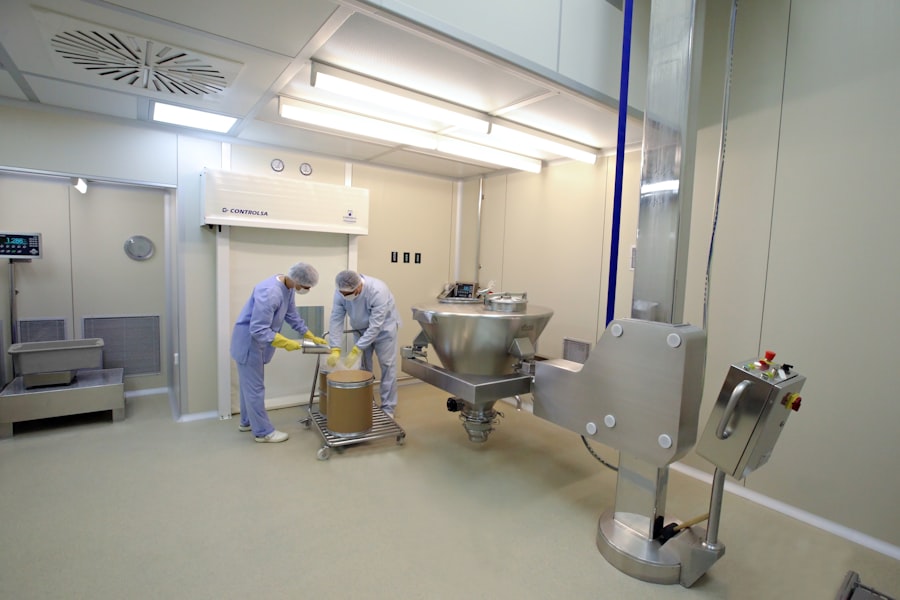
Recognizing the limitations of standard methods, specific enhanced protocols have been developed and recommended for the sterilization of medical devices that have come into contact with prion-infected tissues or fluids. These protocols aim to provide a higher level of assurance for prion inactivation.
The Role of Alkaline Hydrolysis
Alkaline hydrolysis, particularly using concentrated sodium hydroxide (NaOH), has emerged as a highly effective method for prion inactivation. This process involves immersing instruments in a high concentration of NaOH (typically 0.1 M to 1 M) at elevated temperatures. The strong alkaline environment disrupts the highly stable beta-sheet structure of the prion protein, leading to its denaturation and rendering it non-infectious.
However, the aggressive nature of NaOH necessitates careful consideration for incompatible materials. Many metals, plastics, and rubber components of medical devices can be degraded by prolonged exposure to high concentrations of NaOH. Therefore, its application is often restricted to instruments that are resistant to alkaline corrosion. Research is ongoing to optimize alkaline hydrolysis protocols, exploring milder concentrations and shorter exposure times that still achieve effective prion inactivation while minimizing damage to instruments.
Advanced Autoclaving Protocols
While standard autoclaving is insufficient, modified and extended autoclaving cycles have been shown to significantly reduce prion infectivity. These enhanced protocols typically involve higher temperatures (134°C) and longer exposure times (e.g., 18 minutes or more) than those used for routine sterilization. The use of pre-vacuum autoclaves, which remove air more effectively, allows for better steam penetration and can improve the efficacy of these extended cycles.
It is crucial to understand that even with these advanced autoclaving protocols, complete inactivation might not always be guaranteed, especially if there is heavy prion contamination or if the instruments are not thoroughly cleaned prior to sterilization. Therefore, these enhanced autoclaving methods are often used in conjunction with other decontamination steps.
Combined Treatment Approaches
The most robust approach to prion sterilization often involves a combination of different methods. A multi-step process that includes thorough cleaning, followed by chemical disinfection and then further inactivation using heat or other agents, can provide a higher level of assurance.
For example, a common strategy involves:
- Initial Decontamination:immersing instruments in a 0.1 M NaOH solution for at least 1 hour to begin the prion denaturation process.
- Thorough Cleaning: vigorous mechanical cleaning to remove all visible organic debris, as prions can be shielded by tissue and blood.
- Sterilization: performing an extended autoclave cycle (e.g., 134°C for 18 minutes) or employing alkaline hydrolysis under controlled conditions for instruments resistant to it.
The rationale behind combined treatments is that each method targets different aspects of prion resistance. Cleaning removes physical barriers. Chemical agents begin to break down the protein structure. Heat or further chemical treatment then completes the inactivation process. This layered defense strategy is far more effective than relying on a single intervention.
Cleaning and Decontamination: The Crucial First Steps
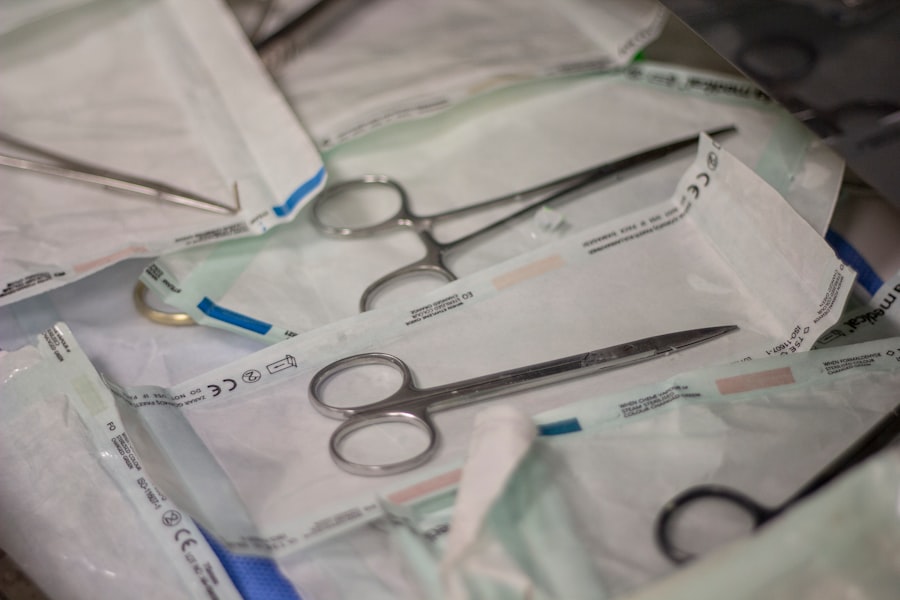
Before any sterilization process can be truly effective against prions, thorough cleaning and decontamination of medical instruments are absolutely paramount. Prions are not easily washed away, and if organic debris remains on an instrument, it can shield prions from the subsequent sterilization efforts, rendering them ineffective.
Mechanical Cleaning: Removing the Guard
Mechanical cleaning, which includes wiping, scrubbing, and ultrasonic cleaning, is essential for physically removing blood, tissue, and other biological matter from the surfaces of instruments. Prions can bind tightly to organic materials. If these materials are not removed, they act as a protective blanket for the prions, preventing sterilizing agents from reaching them. Ultrasonic cleaners, utilizing high-frequency sound waves to create cavitation bubbles that dislodge debris, are particularly effective in reaching intricate areas and lumens of surgical instruments. The cleaning process should be performed as soon as possible after use to prevent drying of organic matter, which makes it much harder to remove. Think of removing all the dirt and grime from a piece of armor before trying to polish it; the polishing agent won’t be effective if it’s just rubbing over ingrained dirt.
Enzymatic Cleaners: Breaking Down the Organic Matrix
Enzymatic cleaners are specifically designed to break down proteins, carbohydrates, and lipids found in organic debris. These cleaners contain enzymes that catalyze the degradation of these complex molecules into smaller, more soluble components that can be easily rinsed away. Their use is highly recommended as a preliminary step in the decontamination of instruments that may be contaminated with prions. By predigesting the organic material, enzymatic cleaners prepare the surface of the instrument for more effective action by subsequent prion inactivation agents.
Challenges in Cleaning and Decontamination
The challenge with prion decontamination lies in the fact that prions themselves are proteins and are not easily broken down by conventional cleaning agents. While enzymatic cleaners are effective against organic debris, they may have limited direct effect on the prion protein itself. Therefore, the goal of cleaning and decontamination is primarily mechanical removal of as much prion-laden material as possible, thereby reducing the overall prion load on the instrument to a manageable level for subsequent inactivation processes. Inadequate cleaning is a consistent Achilles’ heel in prion sterilization protocols.
Sterilizing medical tools to effectively eliminate prions is a critical concern in healthcare settings due to the resilience of these infectious agents. For those interested in understanding the complexities of prion sterilization, a related article can provide valuable insights and practical methods. You can explore this topic further by visiting Freaky Science, where you will find detailed information on various sterilization techniques and their effectiveness against prions. This knowledge is essential for ensuring safety in medical environments where prion diseases may pose a risk.
Material Compatibility and Instrument Care
| Method | Procedure | Effectiveness Against Prions | Notes |
|---|---|---|---|
| Autoclaving | 121°C for 30 minutes or 134°C for 18 minutes | Moderate to High | Higher temperature and longer duration recommended for prion inactivation |
| Extended Autoclaving | 134°C for 18 minutes (pre-vacuum cycle) | High | Recommended by WHO for prion sterilization |
| Chemical Treatment (Sodium Hypochlorite) | Immerse in 20,000 ppm available chlorine for 1 hour | High | Corrosive to instruments; thorough rinsing required |
| Chemical Treatment (Sodium Hydroxide) | Immerse in 1N NaOH for 1 hour followed by autoclaving at 121°C for 30 minutes | High | Effective but may damage some instruments |
| Enzymatic Cleaners | Use prior to sterilization to remove organic material | Low | Not effective alone against prions; aids sterilization process |
| Dry Heat | 180°C for 1 hour | Moderate | Less commonly used; may damage instruments |
The choice of sterilization method for medical instruments is heavily influenced by the materials from which they are constructed. Certain sterilization agents, particularly strong chemicals like sodium hydroxide, can damage or degrade specific materials, compromising the integrity and functionality of the instruments.
Stainless Steel and Its Alloys
Most surgical instruments are made of stainless steel or its various alloys. While stainless steel is generally robust, prolonged exposure to highly corrosive chemicals or extreme temperatures can lead to pitting, corrosion, and weakening of the material. Fortunately, many common stainless steel instruments can withstand the enhanced autoclaving protocols and carefully controlled alkaline hydrolysis treatments. However, manufacturers’ instructions and material compatibility data should always be consulted.
Delicate Instruments and Specialty Materials
Instruments made from less robust materials, such as certain plastics, rubber, or specialized alloys, may not be able to tolerate the harsh conditions of some prion sterilization methods. For instance, plastics can melt or deform at high temperatures, and some polymers can be degraded by strong alkaline solutions. In such cases, alternative sterilization methods or a different approach to instrument management may be necessary. Disposable instruments, designed for single use, bypass the sterilization dilemma entirely for high-risk procedures.
Manufacturer Recommendations and Reprocessing Guidelines
Adhering to manufacturer recommendations for the reprocessing and sterilization of medical devices is critical. Manufacturers provide guidelines based on the materials and design of their products, which are essential for ensuring both effective sterilization and the longevity of the instruments. Following these guidelines meticulously is a non-negotiable aspect of responsible medical practice. When in doubt, always err on the side of caution and consult with both the manufacturer and your institution’s infection control department.
Monitoring and Validation of Prion Sterilization
Ensuring the effectiveness of any sterilization process, especially one as critical as prion inactivation, requires robust monitoring and validation procedures. These processes provide assurance that the sterilization equipment and protocols are functioning as intended and that prion infectivity has been eliminated.
Biological Indicators for Prions
The development of reliable biological indicators (BIs) for prion sterilization has been a significant challenge. Unlike bacteria, which have well-established resistance profiles to sterilization methods, prions are not easily cultureable. While some research has explored the possibility of using specific prion-resistant strains of yeast or bacteria, their applicability to validating human prion inactivation remains limited and is an active area of research. Currently, there is no universally accepted standard biological indicator for routine prion sterilization monitoring.
Chemical Indicators and Process Monitoring
Chemical indicators are widely used to signal that certain parameters of the sterilization cycle have been met (e.g., temperature, time, steam penetration). While these indicators do not directly confirm prion inactivation, they are essential for verifying that the physical and chemical conditions required for prion inactivation have been achieved. For example, a Class 5 or Class 6 indicator that responds to all critical parameters of an extended steam sterilization cycle can provide assurance that the cycle has performed correctly.
Genetic Material Detection (Indirect Prion Testing)
While direct detection of prions in processed instruments is currently not feasible for routine clinical settings, research is ongoing in developing sensitive methods for detecting prion proteins. However, the focus for validation remains on confirming that the process employed is capable of inactivating prions, rather than testing the instruments themselves after every sterilization cycle. This is achieved through:
- Process Validation: This involves rigorous testing of the sterilization equipment and the chosen protocol using known prion surrogates or by challenging the system under worst-case scenarios. This is typically performed by specialized laboratories.
- Regular Maintenance and Calibration: Ensuring that all sterilization equipment, especially autoclaves and ultrasonic cleaners, are regularly maintained, calibrated, and functioning within specified parameters is crucial.
The assurance of prion sterilization is therefore built upon a foundation of validated processes, diligent adherence to protocols, and the use of appropriate monitoring tools, rather than direct testing of each individual instrument for prion absence. It is a system-based approach to risk management.
Future Directions and Emerging Technologies
The ongoing battle against prion diseases necessitates continuous research and the development of innovative approaches to sterilization. As our understanding of prion biology deepens, so too does the potential for more effective and less damaging inactivation methods.
Novel Chemical Agents and Combinations
Researchers are investigating new chemical agents and combinations that exhibit enhanced prion inactivation properties without causing significant damage to medical instruments. This includes exploring the synergistic effects of different disinfectants and oxidizers, as well as developing targeted agents that can specifically disrupt the misfolded prion structure. This is like searching for a more precise chisel to carve away the destructive elements without harming the underlying structure.
Physical Methods with Enhanced Efficacy
Beyond traditional autoclaving, novel physical methods are being explored. This could include advanced plasma sterilization techniques, supercritical fluid technologies, or targeted microwave or ultrasonic applications designed to disrupt prion aggregates more effectively. The goal is to find methods that are both powerful enough to inactivate prions and gentle enough for a wide range of instruments.
Disposable Technologies and Material Science
The increasing use of disposable medical devices is a significant strategy to circumvent the challenges of prion sterilization altogether, particularly for high-risk procedures. Further advancements in material science could also lead to the development of instrument materials that are inherently more resistant to prion adherence or easier to sterilize.
Improved Detection and Surveillance
Ultimately, advancements in prion detection technology could enable faster and more accurate identification of prion contamination, which would inform and improve sterilization protocols and public health responses. Early detection is a powerful ally in preventing the spread of any disease, and prions are no exception.
The commitment to patient safety demands a vigilant and proactive approach to prion sterilization. By understanding the unique challenges posed by these resilient agents, adhering to stringent protocols, and embracing ongoing research and innovation, healthcare professionals can continue to minimize the risk of prion transmission and ensure the highest standards of care. The fight against prions is a quiet but critical one, fought in the sterile environments of hospitals and laboratories, and its success is measured in the health and well-being of countless individuals.
FAQs
What are prions and why is sterilizing medical tools for them important?
Prions are infectious proteins that cause rare but fatal neurodegenerative diseases, such as Creutzfeldt-Jakob disease. They are highly resistant to conventional sterilization methods, so specialized procedures are necessary to prevent transmission through medical instruments.
Can standard sterilization methods eliminate prions from medical tools?
No, standard sterilization methods like routine autoclaving or chemical disinfectants are generally insufficient to inactivate prions. Prions require more rigorous protocols involving higher temperatures, longer exposure times, or specific chemical treatments.
What are the recommended procedures for sterilizing medical tools contaminated with prions?
Recommended procedures include prolonged autoclaving at higher temperatures (e.g., 134°C for at least 18 minutes), combined with chemical treatments such as immersion in sodium hydroxide or sodium hypochlorite solutions. Instruments should be cleaned thoroughly before sterilization to remove organic material.
Are disposable medical instruments preferred when dealing with prion contamination?
Yes, whenever possible, single-use disposable instruments are preferred for procedures with a high risk of prion contamination to eliminate the risk of transmission through reusable tools.
How should medical facilities handle instruments suspected of prion contamination?
Instruments suspected of prion contamination should be segregated and subjected to validated prion decontamination protocols or disposed of safely if decontamination is not feasible. Facilities should follow guidelines from health authorities to ensure patient safety.