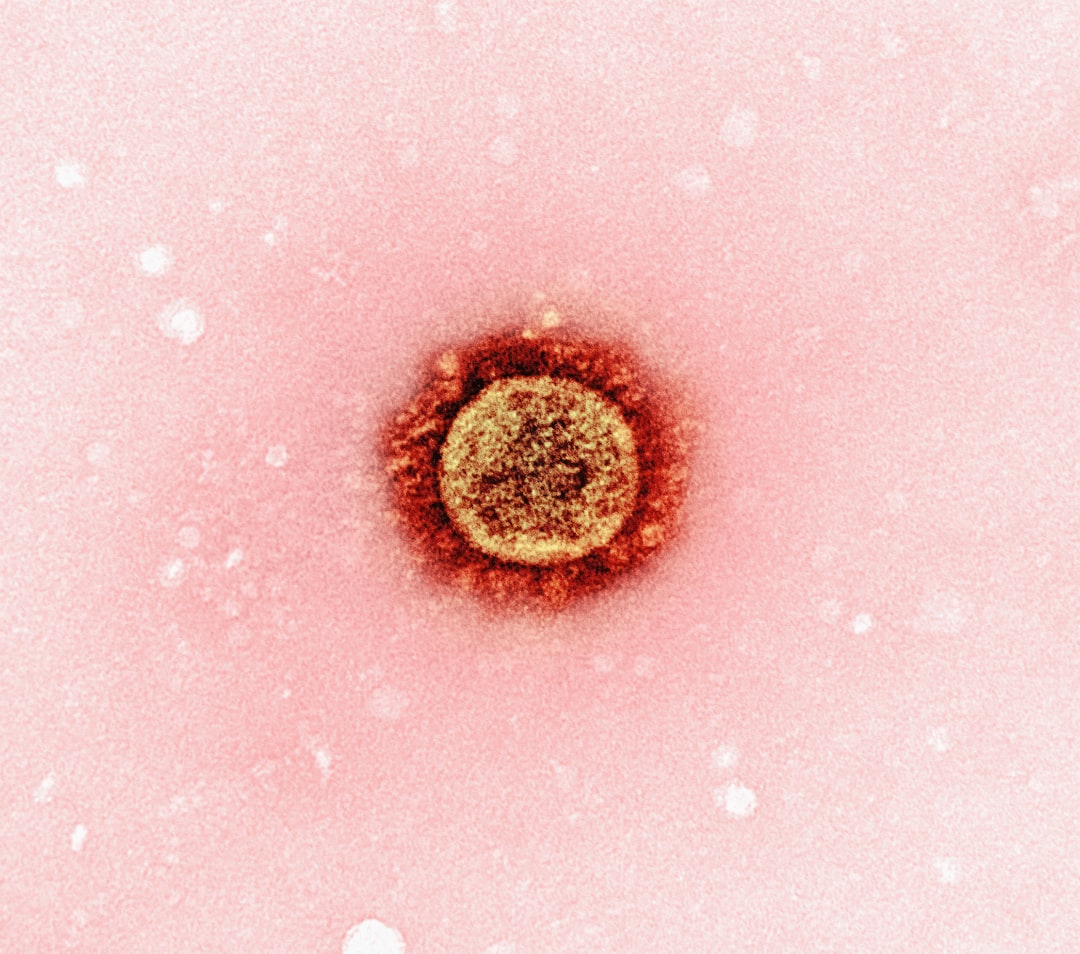
Creutzfeldt-Jakob Disease (CJD) is a rare, fatal neurodegenerative disorder characterized by a rapid and relentless progression of dementia. Unlike other forms of dementia that may unfold over years, CJD often strikes with alarming speed, turning a functioning individual into someone requiring intensive care in a matter of months. This swift descent into cognitive decline is the hallmark of this prion disease, leaving families and healthcare professionals struggling to keep pace with its devastating trajectory. Understanding the rapid onset of CJD dementia is crucial for accurate diagnosis, timely intervention, and empathetic care.
At the heart of Creutzfeldt-Jakob Disease lies a group of insidious pathogens known as prions. These are not viruses or bacteria, but misfolded proteins that possess a malevolent ability to induce chain reactions of misfolding in their healthy counterparts. Imagine a single warped cog in a complex machine. This warped cog doesn’t just malfunction; it forcibly alters the shape of adjacent cogs, causing them to malfunction too. This is the essence of prion propagation. The normally occurring cellular prion protein, denoted as PrPC, plays a role in processes like cell signaling and adhesion. However, when it encounters an abnormal, misfolded isoform, PrPSc, it undergoes a conformational change, transforming into the disease-causing agent.
The Nature of Prions
Prions are remarkably resilient. They are not destroyed by conventional sterilization methods like heat, radiation, or formaldehyde, which are typically effective against viruses and bacteria. This resistance contributes to their ability to persist in the environment and potentially transmit through various routes. Their infectious nature stems solely from their shape. This protein-only infectious agent, devoid of genetic material like DNA or RNA, represents a unique challenge in our understanding of disease.
The Cascade of Neurodegeneration
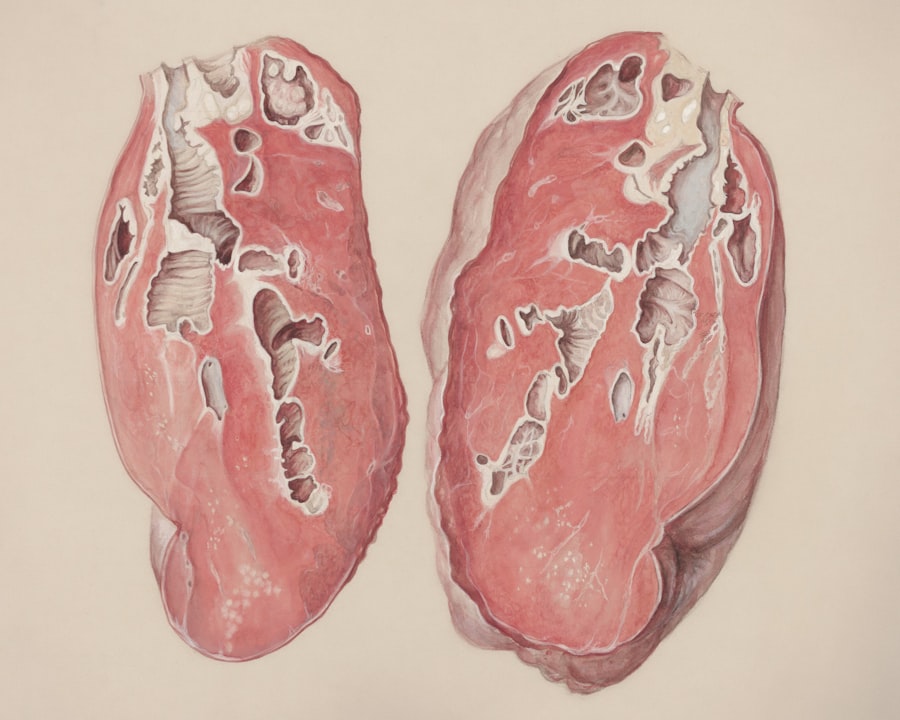
Upon entering the body, prions target the brain. Once in the central nervous system, PrPSc molecules begin to corrupt normal PrPC proteins. This process, akin to a domino effect, leads to the accumulation of misfolded prions in the brain. These aggregates form characteristic deposits, creating spongiform changes – literally, sponge-like holes – in brain tissue. This widespread neuronal damage is the physiological undercurrent of the dementia that defines CJD. The brain, once a finely orchestrated symphony of neural activity, begins to unravel, note by note, until the music fades into silence.
Creutzfeldt-Jakob disease (CJD) is a rare and rapidly progressive neurodegenerative disorder that leads to severe dementia and other neurological symptoms. For those interested in understanding more about the implications of this disease and its effects on cognitive function, a related article can be found at Freaky Science, which explores the latest research and findings surrounding CJD and its impact on patients and their families.
The Alarming Acceleration: The Rapid Onset of CJD Dementia
The defining feature of Creutzfeldt-Jakob Disease is its temporal aggression. While many neurodegenerative diseases present with a gradual decline spanning a decade or more, CJD often paints a starkly different picture. The onset of symptoms can be sudden, and the progression is typically measured in months, sometimes even weeks. This rapid descent leaves individuals and their families in a state of shock, scrambling to comprehend the profound changes occurring before their eyes. It is a stark contrast to the slow erosion of memory and cognitive function seen in conditions like Alzheimer’s disease, where the present can still hold some semblance of the past for a considerable time.
Initial Manifestations: A Subtle Unsettling
The initial symptoms of CJD dementia can be subtle, often dismissed as general stress, fatigue, or unrelated medical conditions. At this stage, the warped cog is only just beginning to influence its neighbors, and the machine’s overall function appears relatively intact.
Early Psychological and Behavioral Changes
Individuals might experience personality changes, such as increased irritability, anxiety, or apathy. They may withdraw socially or exhibit uncharacteristic mood swings. These are the whispered warnings before the storm.
Subtle Cognitive Disturbances
Early cognitive issues can manifest as difficulties with concentration, memory lapses that feel more significant than typical forgetfulness, and problems with abstract thinking or problem-solving. These subtle shifts can be like a faint tremor before a major earthquake. Tasks that were once second nature may begin to feel like navigating a complex maze.
The Swiftening Decline: The Full Force of the Disease
As the prion disease progresses, the neurological damage intensifies, leading to a much more pronounced and rapid deterioration of cognitive and motor functions. The warped cogs have now disrupted a significant portion of the machinery, and its breakdown becomes undeniable.
Profound Dementia and Cognitive Impairment
The dementia becomes severe and all-encompassing. Individuals lose the ability to recognize loved ones, understand language, or engage in meaningful communication. Abstract reasoning vanishes, replaced by confusion and disorientation. The once familiar landscape of the mind becomes an alien territory.
Motor System Involvement
Beyond cognitive decline, CJD often impacts the motor system. This can lead to muscle stiffness, involuntary jerking movements (myoclonus), unsteadiness, and difficulty with coordination, making even simple actions like walking or swallowing a monumental challenge. The body, once a vessel for thoughts and actions, begins to betray its owner.
Sensory Disturbances
Visual disturbances, such as blurred vision, double vision, or even hallucinations, can also occur, further contributing to the disorientation and distress. The world, as perceived through the senses, becomes distorted and unreliable.
Diagnostic Challenges: Unmasking the Elusive Enemy
Diagnosing Creutzfeldt-Jakob Disease, especially in its early stages, presents a considerable challenge. The rapid and often non-specific nature of initial symptoms can lead to misdiagnosis or delayed identification. Healthcare professionals must act as astute detectives, piecing together subtle clues against a backdrop of often confusing presentations. The window for making a definitive diagnosis and initiating supportive care is often narrow due to the disease’s swift progression.
The Importance of Clinical Suspicion
Given the rarity of CJD, a high degree of clinical suspicion is paramount. Physicians must consider CJD in the differential diagnosis of rapidly progressive dementia, particularly when other common causes have been ruled out. This requires a keen awareness of the disease’s distinctive characteristics.
Neurological Examination Findings
A thorough neurological examination can reveal specific signs, such as the myoclonus, spasticity, and coordination problems that are characteristic of CJD. These physical manifestations can be critical pieces of the diagnostic puzzle.
Neuroimaging and Electroencephalography (EEG)
While neuroimaging techniques like MRI can reveal brain changes associated with CJD, they may not always be definitive in the early stages. Electroencephalography (EEG) is often employed, as it can show characteristic patterns of electrical activity in the brain that are indicative of CJD, such as periodic sharp wave complexes. These diagnostic tools act as a specialized lens, allowing us to peer into the inner workings of the affected brain.
Laboratory Investigations and Biomarkers
There is no single definitive blood test for CJD. However, cerebrospinal fluid (CSF) analysis can detect specific proteins that are elevated in CJD patients, such as the 14-3-3 protein. Research is ongoing to identify more sensitive and specific biomarkers for earlier and more accurate diagnosis. Confirmation of CJD diagnosis often relies on a combination of clinical findings, diagnostic tests, and in some cases, a brain biopsy, though this is rarely performed due to its invasiveness and the rapid progression of the disease.
Managing the Unmanageable: Supportive Care in CJD
Currently, there is no cure for Creutzfeldt-Jakob Disease, and no treatment has been shown to slow its relentless progression. Therefore, the focus of care is on providing comprehensive supportive measures to alleviate symptoms, ensure comfort, and maintain dignity for the patient. The approach is akin to tending a garden ravaged by an unexpected frost; while the frost cannot be reversed, care can be focused on mitigating further damage and providing what comfort is possible.
Symptomatic Relief
Managing the array of symptoms is crucial. This can involve medications to control myoclonus, reduce agitation, and manage anxiety. Speech and physical therapy can provide some assistance with swallowing and mobility, even if only for a limited time.
Nutritional and Hydration Support
As swallowing becomes difficult, nutritional and hydration support becomes essential. This may involve modified diets or feeding tubes to ensure adequate intake and prevent dehydration.
Psychological and Social Support for Families
The rapid and devastating nature of CJD places an immense emotional and practical burden on families. Providing comprehensive psychological and social support is vital. This includes offering information, counseling, and connecting families with support groups and resources. The emotional toll on caregivers can be profound, and they too require a lifeline.
End-of-Life Care and Palliative Services
As the disease progresses towards its terminal stage, palliative care becomes increasingly important. The focus shifts to maximizing comfort, controlling pain, and ensuring that the patient’s wishes regarding end-of-life care are respected. This is about ensuring a peaceful passage through the final stages.
Creutzfeldt-Jakob disease is a rare and rapidly progressive form of dementia that can have devastating effects on individuals and their families. For those looking to understand more about the symptoms and progression of this condition, a related article provides valuable insights into the various aspects of rapid dementia. You can read more about it in this informative piece on Freaky Science, which explores the complexities of neurodegenerative diseases and their impact on cognitive function.
The Broader Landscape: Types of CJD and Prevention
| Metric | Value | Notes |
|---|---|---|
| Incidence Rate | 1-2 cases per million per year | Worldwide average |
| Median Age of Onset | 60-65 years | Varies by subtype |
| Median Survival Time | 4-6 months | From symptom onset |
| Rapid Dementia Progression | Weeks to months | Characteristic feature |
| Common Initial Symptoms | Cognitive decline, memory loss, behavioral changes | Often rapidly progressive |
| Diagnostic Sensitivity (MRI) | ~90% | Characteristic diffusion abnormalities |
| CSF 14-3-3 Protein Sensitivity | 85-95% | Supportive diagnostic marker |
| EEG Findings | Periodic sharp wave complexes in ~60% | More common in classic CJD |
| Genetic Mutation Frequency | 10-15% | Familial forms of CJD |
Creutzfeldt-Jakob Disease can manifest in different forms, each with its own implications for transmission and prognosis. Understanding these variations is crucial for public health and medical preparedness.
Sporadic CJD: The Enigmatic Majority
The most common form of CJD, accounting for approximately 85% of all cases, is sporadic CJD. The exact cause of sporadic CJD remains largely unknown, though it is believed to arise from spontaneous misfolding of the prion protein in an individual’s brain. It is not thought to be inherited or acquired through external exposure. This form is like a lightning strike from a clear sky – unexpected and without a discernible source.
Genetic (Familial) CJD: The Inherited Predisposition
A smaller percentage of CJD cases are genetic, meaning they are caused by inherited mutations in the PRNP gene, which codes for the prion protein. Individuals with these mutations have an increased risk of developing CJD. This is a stark reminder of how our own biological blueprint can sometimes carry a hidden vulnerability.
Acquired CJD: The Rare but Preventable Forms
Acquired CJD is extremely rare and can be contracted through specific routes of exposure. This includes:
Iatrogenic CJD (iCJD)
This form can be transmitted through medical procedures that involve exposure to contaminated brain tissue or fluids. Historically, this occurred through contaminated neurosurgical instruments, corneal transplants, or growth hormone treatments derived from human pituitary glands. Rigorous sterilization protocols have dramatically reduced the incidence of iatrogenic CJD.
Variant CJD (vCJD)
This form is linked to the consumption of beef contaminated with the prion protein associated with bovine spongiform encephalopathy (BSE), commonly known as “mad cow disease.” Strict regulations on animal feed and meat processing have significantly reduced the risk of vCJD.
Prevention Strategies: A Vigilant Watch
While sporadic CJD cannot be prevented, the focus for acquired forms of the disease lies in vigilant prevention strategies. This includes strict adherence to sterilization protocols in healthcare settings, careful sourcing of biological materials, and robust surveillance of animal populations for diseases like BSE. Public health measures play a critical role in safeguarding against the rare but devastating potential for prion disease transmission. The fight against CJD, even without a cure, is a testament to human ingenuity and the unwavering commitment to protecting health.
FAQs
What is Creutzfeldt-Jakob Disease (CJD)?
Creutzfeldt-Jakob Disease is a rare, degenerative, and fatal brain disorder characterized by rapid cognitive decline and dementia. It is caused by abnormal prion proteins that lead to brain damage.
How quickly does dementia progress in Creutzfeldt-Jakob Disease?
Dementia in CJD progresses rapidly, often worsening over weeks to months. This rapid decline distinguishes it from other forms of dementia, which typically progress more slowly.
What are the common symptoms of rapid dementia in CJD?
Symptoms include memory loss, personality changes, impaired coordination, visual disturbances, and muscle stiffness or twitching. As the disease advances, patients may experience severe cognitive impairment and loss of motor functions.
How is Creutzfeldt-Jakob Disease diagnosed?
Diagnosis involves clinical evaluation, MRI brain scans, electroencephalogram (EEG), cerebrospinal fluid tests for specific proteins, and sometimes brain biopsy. Rapid progression of dementia is a key diagnostic clue.
Is there a treatment or cure for Creutzfeldt-Jakob Disease?
Currently, there is no cure or effective treatment for CJD. Care focuses on alleviating symptoms and providing supportive care to improve quality of life. Research is ongoing to find potential therapies.