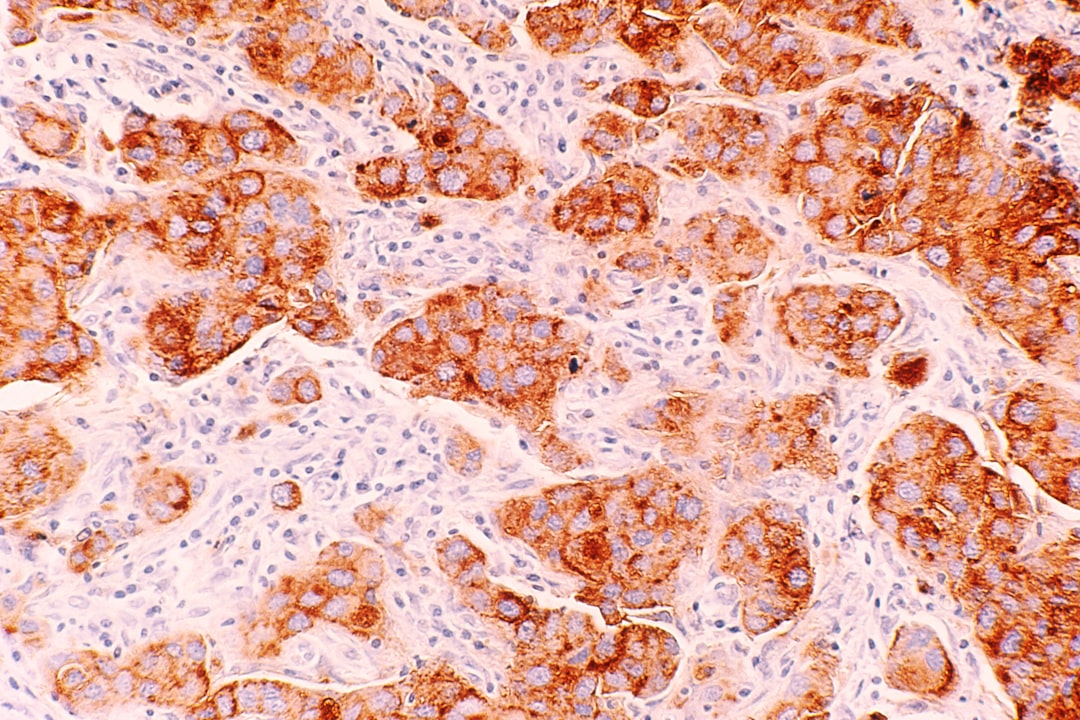
Recognizing Prion Disease Symptoms in Humans
Prion diseases, a group of rare, fatal neurodegenerative disorders, present a complex diagnostic challenge. These diseases are characterized by the misfolding of a normal cellular protein, PrP^C, into an abnormal, infectious form, PrP^Sc. This aberrant protein acts like a rogue seed, inducing other normal PrP^C molecules to adopt the misfolded conformation, leading to their aggregation and the destruction of brain tissue. Understanding the varied and often subtle symptoms of these conditions is crucial for early identification, even though definitive diagnosis typically requires post-mortem examination or specialized laboratory tests. Recognizing the early warning signs can prompt further investigation and offer individuals and their families time to seek supportive care and make informed decisions.
Prion diseases, also known as transmissible spongiform encephalopathies (TSEs), are unlike other neurodegenerative conditions caused by viruses or bacteria. The infectious agent is not a living organism but a misfolded protein. This protein, PrP^Sc, is highly resistant to degradation and can accumulate in the brain, damaging nerve cells and leading to a cascade of neurological dysfunction. The accumulation of PrP^Sc creates characteristic “holes” or spongiform changes in brain tissue, visible under a microscope. This pathological hallmark gives rise to the “spongiform” in their name.
The Mechanism of Prion Propagation
The central mechanism underlying prion diseases is the templating of misfolding by the abnormal PrP^Sc. A normal cellular protein, PrP^C, is abundant in the brain and has an unknown function, though it is believed to play a role in cell signaling and protection. When PrP^Sc encounters PrP^C, it induces a conformational change, converting the normal protein into the abnormal form. This process creates a chain reaction, exponentially increasing the amount of misfolded protein. Think of it like a single domino knocking over countless others; a single misfolded prion can transform a multitude of normal proteins.
Types of Human Prion Diseases
Human prion diseases are categorized based on their etiology: sporadic, familial (genetic), and acquired.
Sporadic Creutzfeldt-Jakob Disease (sCJD)
Sporadic CJD is the most common form, accounting for approximately 85% of all cases. It occurs spontaneously, with no known genetic predisposition or external exposure. The exact cause of the initial misfolding event is unknown, but it is thought to arise from a random mutation or errors in protein metabolism.
Familial Prion Diseases (Genetic Prion Diseases)
These forms are caused by inherited mutations in the PRNP gene, which provides instructions for making the prion protein. These mutations increase the likelihood of PrP^C misfolding and accumulating. Familial prion diseases include:
Gerstmann-Sträussler-Scheinker Syndrome (GSS)
GSS is a rare, autosomal dominant inherited prion disease characterized by progressive cerebellar ataxia, dementia, and motor neuron disease. It typically has a slower progression than CJD.
Fatal Familial Insomnia (FFI)
FFI is an extremely rare, autosomal dominant prion disease that primarily affects the thalamus, a region of the brain involved in regulating sleep and consciousness. As the name suggests, relentless insomnia is a hallmark symptom, leading to profound physical and mental deterioration.
Acquired Prion Diseases
These forms are contracted through external exposure to prions. While rare, they highlight the infectious nature of these agents.
Variant Creutzfeldt-Jakob Disease (vCJD)
vCJD is linked to the consumption of contaminated beef products from cattle infected with bovine spongiform encephalopathy (BSE), commonly known as “mad cow disease.” vCJD has a distinct clinical and pathological profile compared to sporadic CJD.
Iatrogenic Creutzfeldt-Jakob Disease (iCJD)
iCJD is typically acquired through medical procedures involving contaminated instruments, organ transplantation, or the administration of growth hormone derived from human pituitary glands.
Prion diseases, also known as transmissible spongiform encephalopathies, are a group of progressive neurodegenerative disorders that can have devastating effects on human health. Symptoms of prion diseases in humans can include severe cognitive decline, personality changes, and motor dysfunction, often leading to a rapid deterioration of overall health. For a deeper understanding of the symptoms and implications of prion diseases, you can read more in this related article: Prion Disease Symptoms in Humans.
Early Neurological Manifestations
The initial symptoms of prion diseases can be vague and nonspecific, often mimicking other neurological or psychiatric conditions. This can lead to delays in diagnosis as clinicians work through a differential diagnosis. The insidious onset is like a creeping shadow, gradually darkening the landscape of an individual’s cognitive and physical abilities.
Cognitive and Behavioral Changes
Subtle changes in personality, mood, and cognitive function can be among the earliest indicators.
Memory Impairment
Difficulty remembering recent events, misplacing items, and asking repetitive questions might be observed. This is not simply forgetfulness but a more profound inability to retain new information.
Behavioral Disturbances
Individuals may exhibit personality shifts, such as increased irritability, anxiety, depression, apathy, or socially inappropriate behavior. They might become withdrawn or unusually agitated.
Communication Difficulties
Trouble finding the right words, impaired comprehension, or changes in speech patterns can emerge. Understanding complex instructions can become challenging.
Motor System Deficits
Problems with coordination, balance, and fine motor control are also common early signs.
Gait Abnormalities
A staggering or unsteady gait, increased unsteadiness, and a tendency to fall are frequently reported. The person’s usual stride might become hesitant and wide-based.
Muscle Weakness and Stiffness
Generalized muscle weakness or increased muscle tone (spasticity) can develop, making voluntary movements more difficult.
Tremors and Myoclonus
Involuntary muscle jerks (myoclonus) are a hallmark of many prion diseases and can range from subtle twitches to more pronounced, widespread contractions. Tremors, particularly resting tremors, may also be present.
Progressive Neurological Deterioration
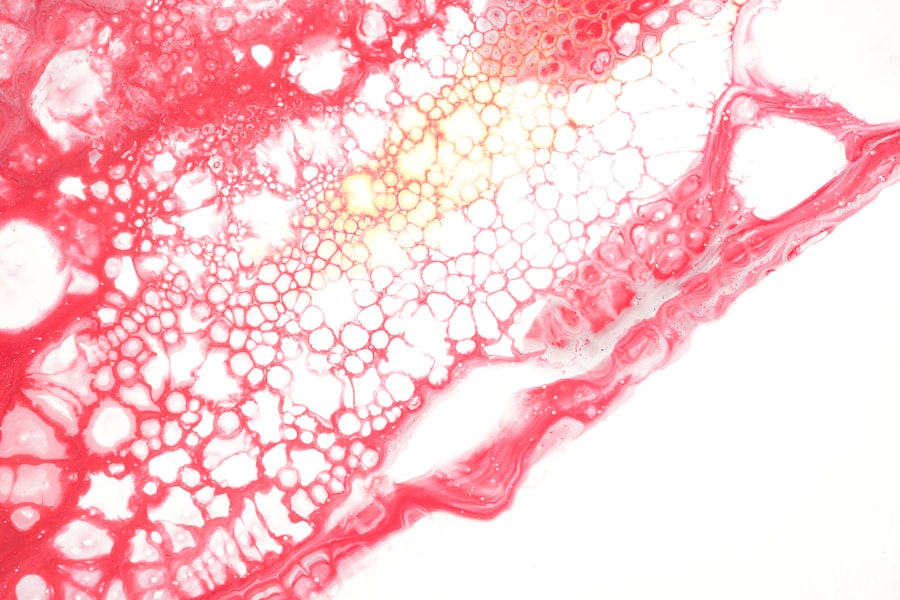
As the prion disease progresses, the symptoms become more severe and widespread, reflecting the increasing damage to critical brain areas. This progression is relentless, like a tide that steadily erodes the shoreline of cognitive and physical function.
Severe Cognitive Decline
The initial cognitive issues can escalate into profound dementia.
Profound Memory Loss
Complete inability to recall past events and recognize familiar people is common. The individual may become disoriented to time, place, and person.
Language Dysfunction (Aphasia)
Severe difficulties with understanding spoken or written language, as well as producing coherent speech, can develop. Communication may become largely non-verbal.
Executive Dysfunction
The ability to plan, organize, problem-solve, and make decisions is severely compromised. Simple daily tasks become insurmountable.
Advanced Motor Impairments
Motor deficits become more pronounced and debilitating.
Ataxia and Dysmetria
Severe problems with coordination and the inability to judge distances accurately (dysmetria) make even simple movements, like reaching for an object, extremely difficult.
Spasticity and Rigidity
Increased muscle stiffness and resistance to passive movement (rigidity) can lead to a stooped posture and a shuffling gait.
Dysphagia and Dysarthria
Difficulty swallowing (dysphagia) and problems with speech articulation (dysarthria) are common and can lead to nutritional deficiencies and aspiration pneumonia.
Sensory and Autonomic Dysfunction
Prion diseases can also affect sensory processing and the autonomic nervous system, which controls involuntary bodily functions.
Visual Disturbances
Problems with vision, such as blurred vision or visual hallucinations, can occur as the disease affects the visual pathways.
Sleep Disturbances (Especially in FFI)
For individuals with Fatal Familial Insomnia, severe and intractable insomnia is the defining characteristic, leading to profound physiological breakdown.
Autonomic Instability
Fluctuations in blood pressure, heart rate, and body temperature can occur due to the dysfunction of the autonomic nervous system.
Diagnostic Clues and Investigations
While clinical suspicion is the first step, confirming a prion disease requires a combination of diagnostic tools. No single test is definitive for all forms, and diagnosis often relies on a constellation of findings.
Clinical Assessment and Neurological Examination
A thorough medical history and neurological examination are paramount. The clinician will look for the characteristic pattern of rapidly progressive dementia coupled with neurological signs.
Observing for Characteristic Signs
The neurological exam will focus on assessing cognitive function, motor skills, coordination, reflexes, and muscle tone. The presence of myoclonus, ataxia, and pyramidal or extrapyramidal signs will be noted.
Ruling Out Other Conditions
It is crucial to differentiate prion diseases from other neurological and psychiatric disorders that can present with similar symptoms, such as Alzheimer’s disease, Lewy body dementia, frontotemporal dementia, and autoimmune encephalitis.
Neuroimaging Techniques
Brain imaging can provide supporting evidence by revealing the characteristic patterns of brain atrophy and other abnormalities.
Magnetic Resonance Imaging (MRI)
MRI is often the preferred imaging modality. It can reveal characteristic patterns of signal changes in specific brain regions, such as the basal ganglia and cortex, which are indicative of prion disease. In some cases, diffusion-weighted imaging (DWI) and fluid-attenuated inversion recovery (FLAIR) sequences can show hyperintensities in affected areas.
Positron Emission Tomography (PET)
PET scans can be used to assess brain metabolism. In prion diseases, reduced glucose metabolism in specific brain regions can be observed. However, PET is less sensitive than MRI in detecting early changes.
Laboratory Tests
Various laboratory tests are used to support the diagnosis and rule out other conditions.
Cerebrospinal Fluid (CSF) Analysis
CSF analysis can reveal elevated levels of specific biomarkers, such as 14-3-3 protein and total tau protein, which are often present in sporadic CJD. However, these markers are not specific to prion diseases and can be elevated in other neurological conditions. Real-time quaking-induced conversion (RT-QuIC) assay of CSF is becoming increasingly important as a highly sensitive and specific diagnostic tool for prion diseases.
Genetic Testing
For suspected familial prion diseases, genetic testing of the PRNP gene can identify mutations associated with these conditions. This is a critical step in diagnosing inherited forms.
Electroencephalography (EEG)
EEG can reveal characteristic patterns of widespread periodic sharp wave complexes (PSWCs) in sporadic CJD, particularly in later stages. However, these findings may not be present in all cases or at all stages of the disease.
Prion diseases, which are a group of progressive neurodegenerative disorders, can lead to a variety of alarming symptoms in humans, including severe cognitive decline, personality changes, and motor dysfunction. For those interested in understanding the complexities of these diseases further, a related article can provide valuable insights into the symptoms and progression of prion diseases. You can explore more about this topic by visiting this informative article.
Supportive Care and Management
| Symptom | Description | Typical Onset | Prevalence in Patients (%) |
|---|---|---|---|
| Rapidly Progressive Dementia | Severe cognitive decline affecting memory, thinking, and behavior | Early to Mid-stage | 90-95 |
| Myoclonus | Involuntary muscle jerks or twitches | Mid-stage | 70-80 |
| Ataxia | Loss of coordination and balance | Mid-stage | 50-60 |
| Visual Disturbances | Blurred vision, visual field defects | Early to Mid-stage | 30-40 |
| Behavioral Changes | Personality changes, anxiety, depression | Early-stage | 40-50 |
| Speech Impairment | Difficulty speaking or slurred speech | Mid to Late-stage | 40-50 |
| Muscle Stiffness | Increased muscle tone and rigidity | Mid to Late-stage | 30-40 |
| Seizures | Sudden, uncontrolled electrical disturbances in the brain | Late-stage | 10-20 |
| Sleep Disturbances | Insomnia or altered sleep patterns | Early to Mid-stage | 20-30 |
Currently, there is no cure for prion diseases, and unfortunately, no treatment can slow or reverse their progression. Management focuses on providing supportive care to maintain the patient’s quality of life and to assist caregivers.
Symptomatic Relief
Addressing specific symptoms can improve comfort and function.
Pain Management
Neuropathic pain or muscle spasms can be managed with appropriate medications.
Management of Agitation and Behavioral Disturbances
Medications may be used to manage agitation, anxiety, and other behavioral symptoms, but their use needs careful consideration due to potential side effects in individuals with cognitive impairment.
Nutritional Support
As dysphagia progresses, enteral feeding tubes may be necessary to ensure adequate nutrition and hydration, preventing malnutrition and dehydration.
Mobility Assistance
Physical and occupational therapy can play a role in maintaining mobility and independence for as long as possible. Assistive devices such as walkers or wheelchairs may be required.
Caregiver Support and Education
Caring for an individual with a prion disease is exceptionally demanding for families.
Psychological Support
Access to counseling and support groups can help families cope with the emotional and psychological burden of the illness. Information and education about the disease trajectory and care needs are vital.
Practical Assistance
Information about respite care options and home health services can alleviate the strain on caregivers. Understanding the progression and needs of the patient allows for better planning and preparation.
The journey of recognizing and managing prion diseases is a challenging one. While the path is difficult, understanding the symptoms, seeking timely medical evaluation, and focusing on supportive care can offer a semblance of control and comfort in the face of these devastating conditions.
FAQs
What are the common symptoms of prion diseases in humans?
Prion diseases in humans often present with symptoms such as rapidly progressive dementia, memory loss, personality changes, difficulty with coordination and balance, muscle stiffness, and involuntary movements.
How quickly do symptoms of prion diseases progress?
Symptoms of prion diseases typically progress rapidly, often worsening over weeks to months, leading to severe neurological decline and, in many cases, death within a year of symptom onset.
Are prion disease symptoms the same for all types of prion diseases?
While many prion diseases share common symptoms like cognitive decline and motor dysfunction, specific symptoms can vary depending on the type of prion disease, such as Creutzfeldt-Jakob disease, fatal familial insomnia, or kuru.
Can prion diseases be diagnosed based on symptoms alone?
No, diagnosis of prion diseases requires a combination of clinical evaluation, neurological examination, brain imaging, cerebrospinal fluid tests, and sometimes brain biopsy, as symptoms alone are not definitive.
Is there any treatment available for prion disease symptoms in humans?
Currently, there is no cure or effective treatment for prion diseases; management focuses on alleviating symptoms and providing supportive care to improve quality of life.