
Your head, a crown of thought and memory, rests precariously atop a slender pillar – your neck. This vital connection, often taken for granted, plays a pivotal role in the efficient functioning of your brain, far beyond what you might intuitively assume. Beyond supporting your gaze and enabling conversation, your neck’s alignment is a key regulator for the intricate plumbing system that keeps your brain healthy: its drainage pathways. When this delicate architecture is compromised, the consequences can ripple through your cognitive and overall well-being. This article will guide you through the principles of optimizing your neck posture to facilitate better brain drainage, understanding how this seemingly simple adjustment can unlock a more vibrant mental state.
Your brain, a marvel of biological engineering, is not a static entity. It is a dynamic organ immersed in a sea of cerebrospinal fluid (CSF). This fluid, clear and colorless, acts as a shock absorber, protecting your brain from the jarring impacts of daily life. But its role extends far beyond passive cushioning. CSF is in constant circulation, a silent river flowing through the intricate network of ventricles within your brain and the subarachnoid space surrounding it. This circulation is not merely cosmetic; it’s a vital process for waste removal and nutrient delivery.
The Glymphatic System: Your Brain’s Nightly Cleaning Crew
At the forefront of brain drainage research lies the glymphatic system. This system, described as your brain’s personal sanitation department, operates most efficiently during sleep. It leverages the flow of CSF to flush out metabolic byproducts, including potentially harmful proteins like amyloid-beta, which have been implicated in neurodegenerative diseases. Imagine your brain as a bustling city, and the glymphatic system as the nightly refuse collection service. Without proper trash removal, the city becomes clogged, inefficient, and eventually unhealthy.
CSF Flow Dynamics: The Importance of Pressure Gradients
The movement of CSF is governed by subtle pressure gradients. Think of water flowing downhill; CSF naturally moves from areas of higher pressure to areas of lower pressure, facilitated by a network of venous and lymphatic vessels. When your neck is in a neutral, aligned position, these pathways are open, allowing for unimpeded flow. However, any deviation from this optimal alignment can create bottlenecks, hindering the outward movement of CSF and the inward flow of freshly oxygenated fluid.
Maintaining proper neck posture is crucial not only for physical health but also for cognitive function, as recent studies suggest a link between neck alignment and brain drainage. For more insights on this fascinating connection, you can read the article on this topic at Freaky Science. This resource delves into how posture affects cerebrospinal fluid flow and overall brain health, highlighting the importance of ergonomic practices in our daily lives.
The Culprit: Forward Head Posture and Its Consequences
The modern world, with its ubiquitous screens and sedentary lifestyles, has inadvertently orchestrated a widespread epidemic of forward head posture, often referred to as “tech neck.” This deviation from the natural cervical lordosis – the gentle inward curve of your neck – is more than just an aesthetic concern. It’s a mechanical impediment to your brain’s well-being.
The Weight of Your Head: A Growing Burden
While your head feels weightless in water, in reality, it’s a substantial load. An average adult head weighs approximately 10-12 pounds. When your cervical spine is properly aligned, this weight is balanced and distributed efficiently over your shoulders. However, with each degree of forward head tilt, the effective weight your neck muscles and structures must bear increases exponentially.
- 15 degrees forward: The effective weight becomes around 27 pounds.
- 30 degrees forward: The effective weight jumps to 40 pounds.
- 45 degrees forward: You’re effectively carrying a bowling ball on your neck, around 49 pounds.
- 60 degrees forward: The strain becomes immense, equivalent to carrying 60 pounds.
This escalating burden places undue stress on the muscles, ligaments, and vertebrae of your neck.
Impact on Venous Drainage: Creating a Traffic Jam
The cervical spine houses critical structures, including the jugular veins, which are the primary conduits for draining deoxygenated blood and metabolic waste from the brain. As your head drifts forward, it can compress these vital vessels. Imagine a garden hose becoming kinked; the flow of water is significantly reduced. Similarly, when your jugular veins are compressed by misaligned cervical vertebrae and tightened neck muscles, the outflow of CSF and venous blood is impeded, leading to a buildup of waste products within the cranial cavity.
Increased Intracranial Pressure: A Silent Siege
The impeded drainage of CSF and venous blood can lead to an increase in intracranial pressure (ICP). While transient increases in ICP are normal, chronic elevation can have detrimental effects on brain tissue. Think of a balloon that is overinflated; the material is stretched, and its structural integrity is compromised. Sustained high ICP can theoretically interfere with neuronal function and potentially contribute to various neurological symptoms.
Achieving Optimal Neck Alignment: The Foundation of Good Posture

Reversing the detrimental effects of poor neck posture requires a conscious and consistent effort to realign your cervical spine. This isn’t about adopting an unnatural, rigid stance, but rather returning to a state of natural, effortless balance.
The Neutral Cervical Spine: A State of Equilibrium
The ideal cervical posture is characterized by a gentle inward curve, known as the lordosis. When viewed from the side, your earlobes should ideally be aligned with your shoulders. This alignment ensures that your head is balanced directly over your torso, minimizing strain on your neck muscles and allowing for optimal CSF flow.
Understanding the Visual Cues: Finding Your Center
To assess your current posture, stand with your back against a wall. Your head should touch the wall with your chin slightly tucked. If you can easily slide your hand between the wall and the back of your neck, your lordosis is likely well-maintained. If there’s minimal space or you have to force your chin to touch, your lordosis may be flattened, indicating a forward head posture. This exercise offers a tangible reference point for correction.
The “String Pulling Up” Metaphor: Engaging Your Core
Imagine a string gently pulling the crown of your head upwards towards the ceiling. This sensation should create a sense of length in your spine and a subtle lengthening of your neck. This isn’t about craning your neck or creating tension; it’s about engaging your deep postural muscles to create an upward lift. Simultaneously, engage your core muscles, as a strong and stable core provides the foundation for good spinal alignment.
Exercises and Stretches for Neck Re-Alignment and Drainage
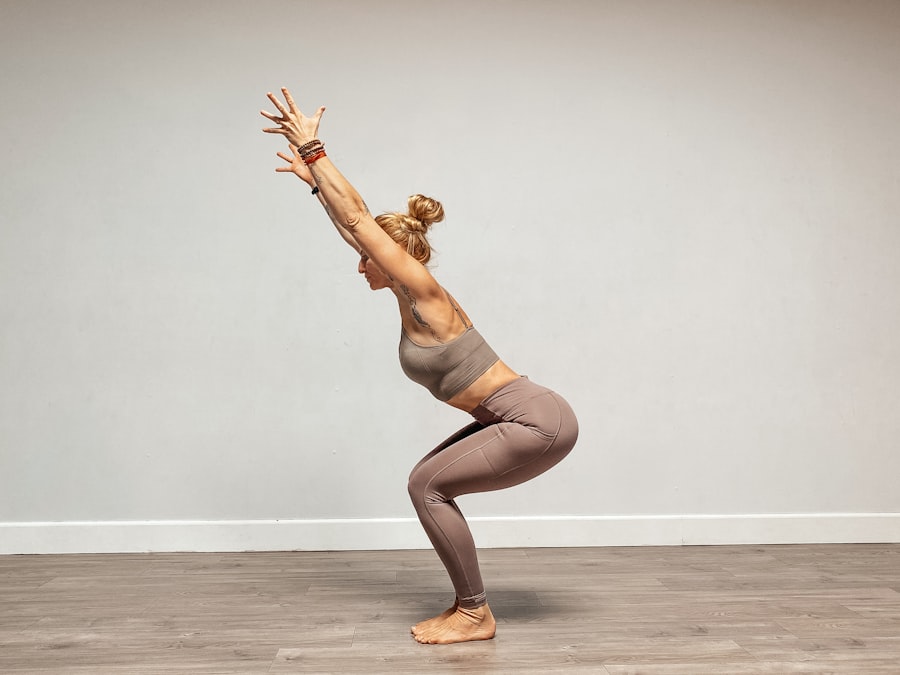
Correcting ingrained postural habits requires persistent action. Regular, targeted exercises and stretches can help to strengthen weakened muscles, lengthen tight ones, and improve overall cervical mobility, thereby facilitating better brain drainage.
Chin Tucks: Reversing the Forward Drift
Chin tucks are a fundamental exercise for counteracting forward head posture.
- Sit or stand with your back straight and shoulders relaxed.
- Gently draw your chin straight back, as if creating a double chin, without tilting your head up or down.
- You should feel a subtle stretch at the base of your skull and engagement of the deep muscles in the front of your neck.
- Hold for 5-10 seconds and repeat 10-15 times. This exercise directly addresses the forward deviation and encourages proper alignment.
Scapular Retractions: Building a Solid Base
Proper shoulder blade positioning is crucial for supporting the neck.
- Sit or stand tall, with your arms relaxed at your sides.
- Gently squeeze your shoulder blades together, as if trying to hold a pencil between them.
- Keep your shoulders relaxed and avoid shrugging.
- Hold for 5-10 seconds and repeat 10-15 times. This strengthens the muscles that pull your shoulders back, creating a more stable platform for your head.
Cervical Retractions and Protraction: Restoring Mobility
These exercises help to improve the range of motion in your neck and can help to alleviate stiffness that may be hindering CSF flow.
- Cervical Retraction: This is essentially the same movement as a chin tuck, focusing on drawing the head back into alignment.
- Cervical Protraction: This involves gently moving your chin forward, extending your neck forward. These movements, performed within a pain-free range, help to mobilize the cervical vertebrae and surrounding soft tissues.
Upper Trapezius and Levator Scapulae Stretches: Releasing Tension
Tightness in these muscles, commonly associated with forward head posture and stress, can constrict blood flow and impede drainage.
- Upper Trapezius Stretch: Gently tilt your head to one side, bringing your ear towards your shoulder. You can gently apply pressure with your hand on the opposite side of your head to deepen the stretch. Hold for 20-30 seconds and repeat on both sides.
- Levator Scapulae Stretch: Rotate your head approximately 45 degrees to one side and then gently nod your chin towards your chest. You should feel a stretch along the side and back of your neck. Hold for 20-30 seconds and repeat on both sides.
Recent studies have highlighted the intriguing connection between neck posture and brain drainage, suggesting that poor alignment can hinder the brain’s ability to effectively remove waste. This relationship is explored in detail in an article that delves into the physiological implications of posture on cognitive health. For more insights on this topic, you can read the full article here. Understanding how our body mechanics influence brain function can lead to better health practices and improved overall well-being.
Lifestyle Modifications for Sustained Postural Improvement
| Metric | Description | Normal Range/Value | Impact of Poor Neck Posture |
|---|---|---|---|
| Cervical Spine Angle | Angle of the neck curvature measured in degrees | 20-40° lordotic curve | Reduced curvature (forward head posture) can compress veins affecting brain drainage |
| Jugular Venous Flow Rate | Blood flow velocity through the internal jugular vein (IJV) | 15-30 cm/s | Decreased flow due to neck flexion or rotation impairs venous drainage from the brain |
| Venous Cross-Sectional Area (CSA) | Size of the jugular vein cross-section measured by ultrasound | 0.5-1.5 cm² | Neck compression reduces CSA, increasing venous pressure and reducing drainage efficiency |
| Intracranial Pressure (ICP) | Pressure inside the skull | 7-15 mmHg (normal range) | Poor neck posture can elevate ICP by impairing venous outflow |
| Venous Reflux Incidence | Frequency of backward blood flow in jugular veins | Low incidence in healthy individuals | Increased with neck hyperextension or rotation, disrupting normal brain drainage |
While exercises are crucial, true postural optimization requires integrating conscious awareness and adjustments into your daily life. Your environment and habits are the fertile ground where good or poor posture takes root.
Ergonomics: Crafting a Supportive Workspace
Your workspace is often the epicenter of poor posture. Take the time to assess and adjust your setup to support your neck and spine.
- Monitor Height: Position your computer monitor at eye level, so you don’t have to tilt your head up or down to see the screen. Use a monitor stand or stack books if necessary.
- Chair Support: Ensure your chair provides adequate lumbar support. Your feet should be flat on the floor, and your knees should be at roughly a 90-degree angle.
- Keyboard and Mouse Placement: Keep your keyboard and mouse close to your body to avoid reaching and hunching.
Conscious Awareness: A Constant Detective of Your Posture
The most powerful tool you possess is your own awareness. Make it a habit to periodically check in with your posture throughout the day.
- Set Reminders: Use your phone or computer to set intermittent reminders to check your posture.
- “Scan” Your Body: Take a moment to notice the position of your head, shoulders, and spine. Are you slouching? Is your head jutting forward?
- Gentle Corrections: When you notice a deviation, gently bring your head back into alignment and engage your core. This constant recalibration will gradually retrain your neuromuscular pathways.
Sleep Posture: The Body’s Extended Reset Button
The hours you spend asleep are a significant portion of your day. Optimizing your sleep posture can either reinforce good habits or undo your daytime efforts.
- Pillow Choice: Select a pillow that supports the natural curve of your neck without propping your head too high or allowing it to collapse. Side sleepers may benefit from a firmer, thicker pillow, while back sleepers might prefer a softer, contoured option.
- Avoid Stomach Sleeping: Sleeping on your stomach forces your neck into an unnatural, twisted position for extended periods, which is detrimental to your cervical alignment and CSF drainage.
The Long-Term Benefits: Beyond a Pain-Free Neck
Optimizing your neck posture is not merely about escaping neck pain; it’s an investment in the very engine of your being – your brain. The improved drainage facilitated by good cervical alignment can lead to a cascade of positive effects throughout your body and mind.
Enhanced Cognitive Function: A Sharper Mind
When your brain is effectively cleared of metabolic waste, it can operate with greater efficiency. This translates to improved focus, memory, and problem-solving abilities. Imagine a clean, uncluttered desk; tasks are easier to manage and complete. A brain with optimized drainage is akin to such a desk, allowing for clearer thought processes.
Reduced Risk of Neurological Disorders: Proactive Brain Health
The glymphatic system’s role in clearing amyloid-beta proteins has significant implications for long-term brain health. By supporting its efficient function through proper neck posture, you may be proactively reducing your risk of developing neurodegenerative conditions. This is an act of stewardship for your brain’s future.
Improved Mood and Energy Levels: A More Vibrant You
The intricate connection between the brain and the rest of the body means that even subtle improvements in brain function can have widespread effects. Enhanced waste removal and nutrient delivery can contribute to a more balanced mood, reduced fatigue, and an overall sense of increased vitality. You might find yourself feeling less bogged down and more energized to engage with life.
Better Sleep Quality: Restorative Slumber
As previously mentioned, the glymphatic system is most active during sleep. By facilitating better CSF flow, you are creating an environment conducive to deeper, more restorative sleep, further enhancing your brain’s ability to repair and rejuvenate. This can create a virtuous cycle of improved posture leading to better sleep, which in turn supports better overall health.
In conclusion, the seemingly simple act of holding your head with grace and alignment is a profound act of self-care for your brain. By understanding the mechanics of your cervical spine and its impact on crucial drainage pathways, you can embark on a journey to optimize your posture, foster a healthier brain, and ultimately, unlock a more vibrant and functional you. Treat your neck not as a passive appendage, but as a crucial conductor of your brain’s well-being, and the rewards will be as profound as they are enduring.
FAQs
What is the relationship between neck posture and brain drainage?
Proper neck posture helps maintain optimal blood flow and cerebrospinal fluid drainage from the brain. Poor posture can compress veins and lymphatic vessels, potentially impairing brain drainage and leading to symptoms like headaches or cognitive issues.
How does poor neck posture affect brain health?
Poor neck posture, such as forward head posture, can restrict venous outflow and lymphatic drainage from the brain. This may cause increased intracranial pressure, reduced clearance of metabolic waste, and contribute to neurological symptoms or discomfort.
Can improving neck posture enhance brain drainage?
Yes, improving neck posture by maintaining a neutral spine alignment can facilitate better venous and lymphatic drainage from the brain. This supports healthy circulation and waste removal, which are important for overall brain function.
What are common signs that neck posture may be affecting brain drainage?
Common signs include frequent headaches, neck pain, dizziness, brain fog, and fatigue. These symptoms may indicate impaired venous or lymphatic drainage related to poor neck alignment.
Are there exercises or treatments to improve neck posture for better brain drainage?
Yes, exercises that strengthen neck and upper back muscles, ergonomic adjustments, physical therapy, and posture awareness techniques can improve neck alignment. These interventions help promote proper brain drainage and reduce related symptoms.