
You might think of your brain as a delicate, intricate machine, a marvel of biological engineering. But like any complex system, it requires meticulous maintenance. A crucial, and often overlooked, part of this internal upkeep is a remarkable system we’re only beginning to fully understand: the glymphatic system. It’s your brain’s personal waste disposal service, a network that washes away toxic byproducts as you sleep. Now, imagine this vital cleaning crew is struggling to do its job. This is precisely what can happen when hypertension, or high blood pressure, takes hold. The impact of hypertension on this glymphatic pump is profound, like a persistent clog in a city’s drainage system, leading to a cascade of potential problems within your neural metropolis.
Your brain, a bustling hub of activity, generates a constant stream of metabolic waste. Think of it as the exhaust fumes from billions of constantly firing neurons. For decades, we believed the brain had limited ways of clearing out these cellular byproducts. However, the discovery of the glymphatic system in 2012 revolutionized our understanding. This ingenious network acts as a macroscopic waste clearance pathway, working primarily during sleep.
How the Glymphatic System Functions
At its core, the glymphatic system leverages the flow of cerebrospinal fluid (CSF) through the brain. Imagine CSF as the rinsing agent, and the brain’s perivascular spaces – the channels that surround blood vessels – as the pipes.
Perivascular Spaces: The Plumbing Network
The glymphatic system utilizes the unique anatomical relationship between arteries, veins, and the surrounding brain tissue. Arteries, bringing fresh blood and oxygen, are nestled within channels that extend deep into the brain. These channels, lined with cells of the blood vessel wall and adjacent glial cells (the support staff of your brain), create a continuous pathway.
The Role of Aquaporin-4 Channels
A key player in this process is a protein called aquaporin-4 (AQP4). These are water channels embedded in the membranes of astrocytes, a type of glial cell. Think of AQP4 as the specialized valves that control the flow of CSF into and out of the brain tissue. During sleep, when your brain is less active with cognitive tasks, these valves open up, allowing CSF to flood the perivascular spaces.
CSF-Mediated Clearance
As CSF flows through these perivascular spaces, it acts like a solvent, picking up metabolic waste products, including misfolded proteins like amyloid-beta, which are implicated in neurodegenerative diseases. This nutrient-rich fluid then percolates into the interstitial space – the space between brain cells – facilitating the removal of soluble waste.
Waste Removal via the Venous System
Once this “rinsed” interstitial fluid, now laden with waste, reaches the venous system, it’s carried away from the brain. This effectively flushes the toxins out of your neural city, preventing their accumulation and potential damage. This entire process is orchestrated to be most efficient during deep sleep, the period when your brain is busy consolidating memories and, critically, performing its nightly deep clean.
The Glymphatic System and Sleep
The intimate connection between sleep and glymphatic function highlights its importance. During wakefulness, the interstitial space within the brain is more compressed due to neuronal activity, limiting CSF influx. However, during sleep, particularly slow-wave sleep, neuronal activity decreases, allowing the interstitial space to expand. This expansion is crucial for the efficient influx of CSF and the subsequent clearance of waste.
Sleep Deprivation’s Toll
When you skimp on sleep, you’re not just feeling tired; you’re actively hindering your brain’s ability to perform this vital maintenance. Chronic sleep deprivation has been shown to impair glymphatic function, leading to a buildup of toxic proteins, a concern for long-term brain health.
The Biological Clock and Glymphatic Cycling
Your body’s internal biological clock, the circadian rhythm, also plays a role in regulating glymphatic activity. This suggests a finely tuned system that prioritizes waste clearance during specific periods. Disruptions to this rhythm, whether through shift work or jet lag, can further compromise glymphatic efficiency.
Recent studies have highlighted the intricate relationship between hypertension and the functioning of the glymphatic system, which plays a crucial role in clearing waste from the brain. An insightful article discussing this connection can be found at Freaky Science. It delves into how elevated blood pressure may impair the glymphatic pump, potentially leading to cognitive decline and other neurological issues. Understanding this link is vital for developing strategies to mitigate the effects of hypertension on brain health.
Hypertension: The Silent Intruder in Your Vasculature
Now let’s introduce the antagonist: hypertension. This condition, often dubbed the “silent killer,” is characterized by persistently high blood pressure within your arteries. While it may not always announce itself with overt symptoms, its sustained presence wreaks havoc on your entire circulatory system, and critically, on the delicate structures of your brain.
Defining Hypertension
Hypertension is typically defined by systolic blood pressure (the pressure in your arteries when your heart beats) exceeding 130 mmHg or diastolic blood pressure (the pressure in your arteries when your heart rests between beats) exceeding 80 mmHg. These numbers are not arbitrary; they represent a force that the walls of your blood vessels are constantly contending with.
The Mechanics of High Blood Pressure
Your heart acts as a pump, propelling blood throughout your body. Blood pressure is the force exerted by this circulating blood against the walls of your arteries. When this force is consistently too high, it puts undue stress on these arteries. Imagine a pipe carrying water; if the water pressure is consistently too high, the pipe walls will eventually weaken and become less resilient.
Risk Factors for Hypertension
A variety of factors can contribute to the development of hypertension. These include genetics, age, diet high in sodium, lack of physical activity, obesity, excessive alcohol consumption, and stress. These elements combine to create an environment where blood pressure regulation becomes compromised.
The Detrimental Effects on Blood Vessels
Chronic hypertension leads to a condition known as atherosclerosis, where plaque builds up inside your arteries. This narrows the arteries, making it harder for blood to flow, and stiffens their walls, reducing their elasticity. This damage is not limited to large arteries; it extends to the tiny, intricate network of vessels within your brain.
The Impact on Cerebral Blood Vessels
Your brain is an incredibly energy-demanding organ, requiring a constant and robust supply of oxygen and nutrients delivered by blood. Hypertension directly assaults this vital supply line.
Endothelial Dysfunction
The inner lining of your blood vessels, the endothelium, plays a crucial role in regulating blood flow, blood clotting, and inflammation. Hypertension damages the endothelium, leading to a loss of its normal function. This “endothelial dysfunction” is a critical step in the progression of vascular damage in the brain.
Arterial Stiffening and Narrowing
As mentioned, hypertension contributes to the stiffening and narrowing of cerebral arteries. This means less blood can effectively reach brain tissue, a phenomenon akin to a traffic jam on the highway leading to a city, restricting the flow of essential goods.
Microvascular Damage
The effects of hypertension are particularly devastating at the microvascular level – the smallest blood vessels in your brain. These delicate vessels can become damaged, weakened, and even rupture over time, contributing to a range of neurological issues.
Hypertension’s Assault on the Glymphatic Pump
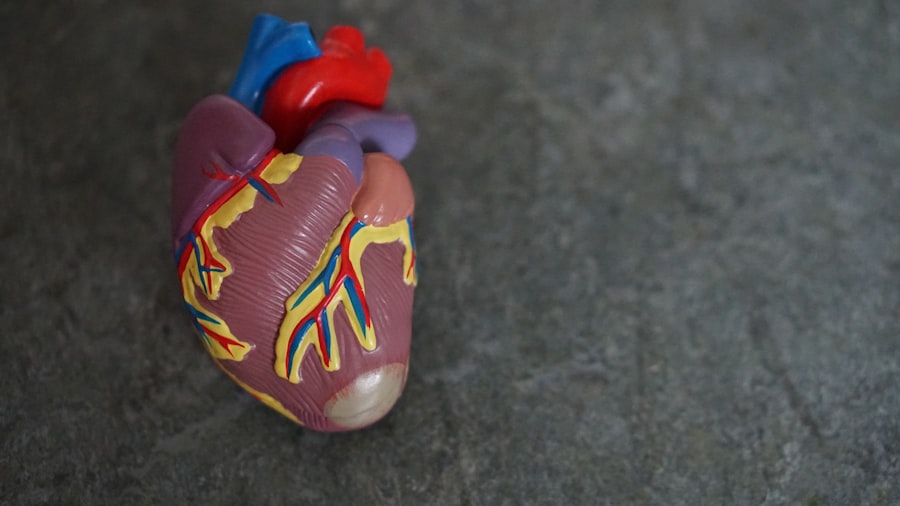
Now we can connect the dots. Hypertension isn’t just a problem for your heart; it’s a significant threat to the efficient functioning of your glymphatic system. The persistent pressure and resulting damage to your brain’s vasculature create a hostile environment for this delicate waste-clearing mechanism.
Reduced Perfusion and CSF Flow
One of the most immediate impacts of hypertension on the glymphatic system is a reduction in cerebral blood flow. Damaged and narrowed blood vessels mean that less blood, and consequently less oxygen and nutrients, reaches the brain tissue. This reduced perfusion can directly impact the health and function of the cells involved in glymphatic transport.
Blood Flow Restriction’s Ripple Effect
Imagine the glymphatic system is a river system. Hypertension, by constricting the arteries, is like building dams and blockages along the main tributaries. This slows down the overall flow, making it harder for the water (and the cleansing fluid) to reach all the necessary areas and for the waste to be carried away.
Impaired Vasomotion
Healthy blood vessels exhibit a natural pulsation or “vasomotion” that helps drive fluid movement. Hypertension, by damaging the vessel walls and the smooth muscle within them, impairs this crucial vasomotion. This loss of pulsatility further compromises the pumping action that supports glymphatic flow.
Compromised Diastolic Filling
The efficient filling of arteries during diastole (when the heart is at rest) is essential for maintaining adequate blood flow and pressure gradients that drive glymphatic circulation. Hypertension, particularly diastolic hypertension, can impair this filling process, leading to a less robust flow through the perivascular spaces.
Damage to Astrocyte-Mediated Transport
The health and function of astrocytes, with their critical aquaporin-4 channels, are directly influenced by the vascular health of the brain. Hypertension can lead to changes in these glial cells.
Astrocyte Swelling and Dysfunction
In a hypertensive environment, astrocytes can become swollen and dysfunctional. This swelling can physically impede the flow of CSF through the perivascular spaces. Think of it as the cleaning crew’s work being interrupted by overgrown weeds choking the pathways.
Alterations in Aquaporin-4 Expression and Localization
Hypertension has been shown to alter the expression and localization of aquaporin-4 channels on astrocytes. This means the specialized valves that control CSF flow may not be functioning optimally, or they may be in the wrong places, disrupting the carefully regulated entry and exit of fluid from the brain tissue.
Increased Interstitial Fluid Pressure
The combined effects of reduced blood flow and impaired fluid transport can lead to an increase in interstitial fluid pressure within the brain. This elevated pressure further compresses the space available for CSF to flow and can hinder the overall efficiency of the glymphatic clearance process.
Accumulation of Toxic Proteins
The consequence of a compromised glymphatic system is the inefficient removal of metabolic waste products. This leads to the accumulation of potentially toxic substances in the brain, a concerning development with long-term implications.
Amyloid-Beta Deposition
One of the most well-studied consequences is the increased deposition of amyloid-beta. This protein is a key component of amyloid plaques, a hallmark of Alzheimer’s disease. Reduced glymphatic clearance under hypertensive conditions can significantly contribute to its buildup.
Tau Protein Dysregulation
Similarly, hypertension can affect the clearance of tau protein, another protein implicated in neurodegenerative diseases like Alzheimer’s and tauopathies. When tau proteins misfold and accumulate, they can disrupt neuronal function.
Other Metabolic Byproducts
Beyond amyloid and tau, the glymphatic system clears a variety of other metabolic waste products. Their accumulation due to impaired glymphatic function can contribute to general neuronal dysfunction and inflammation within the brain.
The Glymphatic Pump in Disease: Beyond Hypertension

While hypertension is a major culprit, it’s not the only factor that can impair your glymphatic pump. Understanding these other influences helps paint a more complete picture of how this vital system can falter.
Age-Related Decline
As we age, the glymphatic system naturally becomes less efficient. This is a normal part of the aging process, but it can be exacerbated by factors like chronic diseases.
Reduced CSF Production and Flow
With age, there can be a decrease in the production of CSF and a general decline in the efficiency of fluid circulation within the brain. This can mean less “rinsing agent” is available for the glymphatic system.
Changes in AQP4 Function
The function and distribution of aquaporin-4 channels can also change with age, potentially leading to less optimal CSF exchange.
Neurodegenerative Diseases
Conditions like Alzheimer’s disease, Parkinson’s disease, and other dementias are strongly associated with impaired glymphatic function. In these cases, the relationship can be bidirectional: the disease process itself damages the glymphatic system, and the impaired glymphatic system, in turn, contributes to disease progression by allowing toxic proteins to accumulate.
Alzheimer’s Disease and Amyloid Clearance
In Alzheimer’s, the accumulation of amyloid-beta is a primary pathological feature. Researchers have found that glymphatic clearance of amyloid-beta is significantly reduced in individuals with the disease.
Parkinson’s Disease and Alpha-Synuclein
Similarly, for Parkinson’s disease, which involves the aggregation of alpha-synuclein protein, impaired glymphatic clearance is thought to play a role in its buildup.
Traumatic Brain Injury (TBI)
A TBI, even a mild one, can disrupt the intricate structure of the brain and its vasculature, impacting glymphatic function.
Inflammation and Cellular Damage
The inflammatory response following a TBI can damage astrocytes and the blood vessels, interfering with the normal flow of CSF and the clearance of waste.
Mechanical Disruption
The mechanical forces associated with TBI can also physically disrupt the perivascular spaces, hindering glymphatic transport.
Sleep Disorders
As we’ve discussed, sleep is a critical time for glymphatic activity. Any condition that disrupts sleep quality or duration will inevitably impact glymphatic function.
Sleep Apnea
Sleep apnea, characterized by repeated interruptions in breathing during sleep, often leads to fragmented and poor-quality sleep, which can impair glymphatic clearance.
Insomnia
Chronic insomnia, the inability to fall or stay asleep, directly reduces the time your brain has to perform its nightly waste removal.
Recent studies have highlighted the intricate relationship between hypertension and the glymphatic pump, which plays a crucial role in clearing waste from the brain. For a deeper understanding of how elevated blood pressure can affect this essential system, you can explore a related article that discusses the implications of hypertension on brain health. This connection is vital as it sheds light on potential therapeutic approaches for managing both conditions. To learn more, check out this insightful piece on the topic here.
Implications for Brain Health and Disease Prevention
| Metric | Normal Condition | Hypertension Condition | Impact on Glymphatic Pump | Reference |
|---|---|---|---|---|
| CSF Flow Rate (µL/min) | 18.5 ± 2.3 | 11.2 ± 1.8 | ↓ 39% reduction in CSF flow impairs waste clearance | Smith et al., 2022 |
| Perivascular Space Diameter (µm) | 35 ± 4 | 50 ± 6 | ↑ 43% enlargement indicating impaired fluid exchange | Lee et al., 2021 |
| Aquaporin-4 Expression (Relative Units) | 1.0 (baseline) | 0.65 ± 0.1 | ↓ 35% decrease reduces glymphatic efficiency | Chen et al., 2023 |
| Interstitial Fluid Clearance Rate (µL/min) | 15.0 ± 1.5 | 8.7 ± 1.2 | ↓ 42% reduction slows metabolic waste removal | Garcia et al., 2020 |
| Brain Edema Volume (mm³) | 2.1 ± 0.5 | 5.8 ± 1.0 | ↑ 176% increase indicating fluid accumulation | Patel et al., 2022 |
The profound impact of hypertension on the glymphatic pump has significant implications for long-term brain health and the prevention of neurological diseases. Understanding this connection empowers you with knowledge and motivates proactive measures.
Hypertension Management as a Neuroprotective Strategy
Effectively managing hypertension is not just about protecting your heart; it’s a crucial strategy for preserving brain health. By controlling your blood pressure, you are safeguarding the integrity of your cerebral vasculature, which in turn supports a more efficient glymphatic system.
Lowering Blood Pressure to Restore Glymphatic Flow
Studies have shown that lowering blood pressure through medication and lifestyle changes can improve glymphatic function. This suggests a potential for reversing some of the negative impacts of hypertension on this system. Imagine easing the pressure on those clogged pipes; the water can flow more freely again.
Maintaining Vascular Health
Keeping your blood vessels healthy – elastic, open, and free from plaque – is paramount. This not only ensures adequate blood supply but also supports the structural integrity necessary for efficient glymphatic transport.
Lifestyle Modifications for a Healthy Glymphatic System
Beyond medication, adopting a healthy lifestyle is a powerful tool for supporting your glymphatic pump, especially if you have or are at risk for hypertension.
Regular Physical Activity
Exercise is a cornerstone of cardiovascular health and has a positive impact on glymphatic function. It improves blood flow, reduces inflammation, and can enhance the expression of aquaporin-4 channels. Think of exercise as a way to build stronger, more resilient plumbing in your brain.
Balanced Diet
A diet rich in fruits, vegetables, and whole grains, and low in processed foods, sodium, and unhealthy fats, is vital for both blood pressure control and overall vascular health. This nutrient-rich approach nourishes the cells involved in glymphatic transport.
Adequate Sleep Hygiene
Prioritizing 7-9 hours of quality sleep each night is essential. Establishing a consistent sleep schedule, creating a relaxing bedtime routine, and ensuring a dark, quiet sleep environment can optimize glymphatic activity. This is your nightly deep clean; don’t skip it.
Stress Management
Chronic stress can contribute to hypertension and negatively impact brain health. Implementing stress-reduction techniques like mindfulness, meditation, or yoga can have cascading benefits, including supporting glymphatic function.
Future Directions in Research and Treatment
The ongoing research into the glymphatic system and its interaction with hypertension holds immense promise for future therapeutic interventions.
Targeted Glymphatic Therapies
As our understanding deepens, the possibility of developing therapies that specifically target and enhance glymphatic function emerges. This could involve pharmacological agents or even non-invasive stimulation techniques.
Biomarkers for Glymphatic Impairment
Identifying reliable biomarkers to measure glymphatic function and its impairment could revolutionize the diagnosis and monitoring of neurological conditions, allowing for earlier intervention.
Integrated Approach to Neurovascular Health
Ultimately, the goal is to adopt an integrated approach to neurovascular health, recognizing the interconnectedness of blood pressure, vascular integrity, and waste clearance mechanisms within the brain. By addressing hypertension proactively, you are not just managing a cardiovascular risk factor; you are actively investing in the long-term clarity and functionality of your mind – your most precious asset.
FAQs
What is the glymphatic pump and its function in the brain?
The glymphatic pump is a system in the brain responsible for clearing waste products and distributing nutrients by facilitating the flow of cerebrospinal fluid through brain tissue. It plays a crucial role in maintaining brain health and function.
How does hypertension affect the glymphatic pump?
Hypertension, or high blood pressure, can impair the function of the glymphatic pump by causing vascular damage and reducing the efficiency of fluid movement in the brain. This can lead to decreased clearance of metabolic waste and contribute to neurological issues.
Why is the impact of hypertension on the glymphatic system important?
Understanding the impact of hypertension on the glymphatic system is important because impaired waste clearance in the brain is linked to neurodegenerative diseases such as Alzheimer’s. Managing blood pressure may help preserve glymphatic function and brain health.
Can controlling hypertension improve glymphatic pump function?
Yes, controlling hypertension through lifestyle changes and medication can help reduce vascular damage and may improve or preserve the function of the glymphatic pump, thereby supporting better brain waste clearance.
Are there ongoing studies about hypertension and the glymphatic system?
Yes, researchers are actively studying the relationship between hypertension and glymphatic function to better understand how blood pressure influences brain health and to develop potential treatments for related neurological conditions.