
You’ve likely experienced it: that frustrating tossing and turning, the racing thoughts, the feeling of being a prisoner in your own bed, unable to slip into the restorative embrace of deep sleep. You’ve tried blackout curtains, calming teas, and even counting sheep until you’re bleary-eyed. But one of the most potent, yet often overlooked, keys to unlocking truly profound rest lies not in what you consume or dim, but in the subtle thermostat of your own body: your core temperature. This article will guide you through the science behind why a drop in your internal heat is a non-negotiable prerequisite for deep sleep, and more importantly, how you can actively facilitate this crucial physiological shift.
Your body operates on a finely tuned internal clock, known as your circadian rhythm. This innate biological process dictates myriad bodily functions, from hormone release and digestion to wakefulness and sleep. One of the most significant manifestations of this rhythm is the cyclical fluctuation in your core body temperature throughout a 24-hour period. Think of your circadian rhythm as an orchestral conductor, orchestrating the symphony of your daily life. Temperature regulation is a particularly vital section in this orchestra, providing critical cues for when it’s time to be alert and when it’s time to wind down.
The Rhythm of Your Thermostat
Throughout the day, your core body temperature is not static. It typically begins to rise in the hours after waking, reaching its peak in the late afternoon or early evening. This period of higher temperature is associated with alertness and optimal cognitive function. As the evening progresses and the natural light signals fade, your body’s internal thermostat begins its slow descent. This gradual cooling is a powerful biological signal, essentially a whispered invitation from your physiology to prepare for sleep.
Probing the Temperature Cycle
Scientific studies have meticulously mapped this temperature fluctuation. Research often employs continuous core body temperature monitoring to observe these patterns. It’s been established that your body temperature can drop by as much as 1-2 degrees Celsius (1.8-3.6 degrees Fahrenheit) from its daytime peak to its lowest point during the night, typically occurring in the early morning hours. This drop is not random; it’s a precisely timed event, synchronized with the intricate workings of your circadian clock.
The Role of Melatonin
While not directly controlling temperature, melatonin, the “hormone of darkness,” plays a supporting role in the temperature drop. As daylight wanes, melatonin production increases, signaling to the brain that it’s time to transition to sleep. This hormonal cascade indirectly influences the thermoregulatory centers in the brain, contributing to the body’s cooling process. Think of melatonin as the stage manager, dimming the lights and cueing the other actors, including the temperature shift, for the night’s performance.
Research has shown that a drop in core temperature is essential for achieving deep sleep, as it signals the body to enter a restful state. For a deeper understanding of this phenomenon and its implications for sleep quality, you can explore a related article that delves into the science behind temperature regulation during sleep. To learn more, visit this article.
The Link: Why Core Temperature Drop Dictates Deep Sleep
The connection between a falling core body temperature and the onset of deep sleep is not merely correlational; it is causal. The brain regions responsible for regulating sleep-wake cycles are exquisitely sensitive to temperature fluctuations. Your brain, in essence, interprets a dropping core temperature as a biological cue, a green light that indicates the optimal conditions for transitioning into the deeper, more restorative stages of sleep.
Deciphering the Sleep Stages
Sleep is not a monolithic state. It’s characterized by distinct stages that cycle throughout the night, broadly categorized as Non-Rapid Eye Movement (NREM) sleep and Rapid Eye Movement (REM) sleep. NREM sleep is further divided into stages, with Stage 3, often referred to as deep sleep or slow-wave sleep (SWS), being the most restorative. During deep sleep, your brain waves slow down significantly, your heart rate and breathing become more regular, and your body engages in crucial repair and recovery processes.
Research has shown that a drop in core temperature is essential for achieving deep sleep, as it helps to facilitate the body’s natural sleep cycles. For a deeper understanding of this phenomenon, you can explore an insightful article that discusses the relationship between temperature regulation and sleep quality. This article provides valuable insights into how maintaining an optimal sleeping environment can enhance your rest. To learn more about this topic, visit Freaky Science for further information.
The Thermoregulatory Center’s Role
Within the hypothalamus, a small but vital region of your brain, lies the preoptic area. This area acts as your body’s thermoregulatory control center. It constantly monitors your core temperature and initiates physiological responses to maintain homeostasis. Crucially, the preoptic area is also intricately connected to the brain circuits that govern sleep. When your core temperature begins to drop, specific neurons in this region are activated, promoting the transition into slow-wave sleep. It’s like a sophisticated thermostat, not just regulating heat, but also unlocking the door to deep slumber.
The Biochemical Cascade
The cooling process triggers a cascade of biochemical events that are essential for deep sleep. As your body loses heat, metabolic rate slows down. This reduction in metabolic activity is a prerequisite for entering the deeply restorative phases of sleep where cellular repair and energy conservation are prioritized. Think of it as your body powering down to perform essential maintenance, and a cooler temperature is the signal to initiate this shutdown sequence.
Avoiding the Sleepless Trap
Conversely, if your core body temperature remains elevated at bedtime, it can act as a significant barrier to sleep onset and maintenance. This is why feeling hot and bothered in bed can be such a common culprit behind insomnia. Your brain receives conflicting signals: the dimming light suggests sleep, but the elevated temperature shouts “stay awake!” This internal conflict can keep you in a lighter state of sleep or prevent you from falling asleep altogether. Imagine trying to start a car engine that’s still too hot from being driven; it’s reluctant to turn over.
Facilitating the Cooling Process for Better Sleep
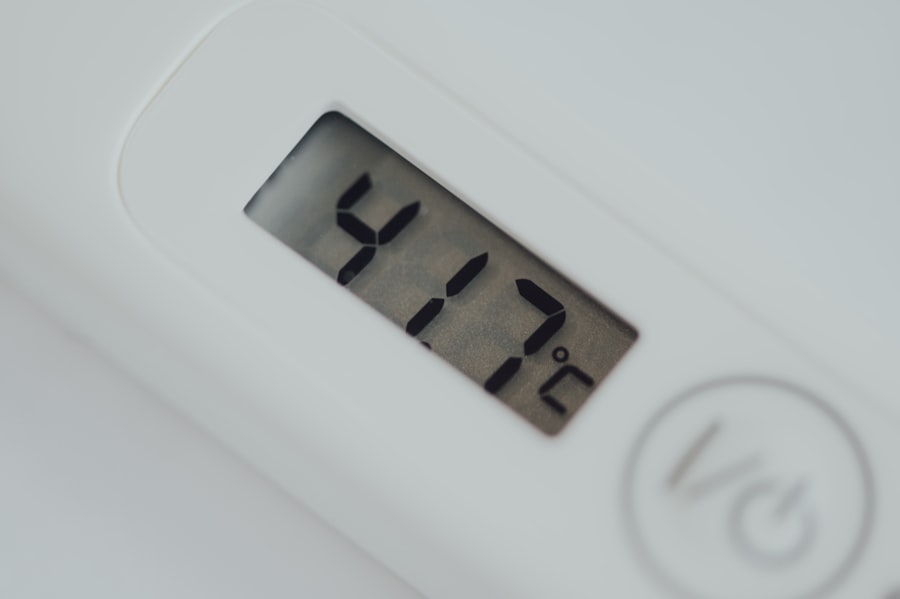
Understanding the role of core temperature is empowering. It shifts the focus from mere passive waiting for sleep to active facilitation of the physiological conditions that enable it. You can become an architect of your own sleep environment, subtly manipulating factors to encourage that crucial temperature drop.
The Evening Wind-Down Routine: A Gradual Descent
Perhaps the most impactful strategy for facilitating a core temperature drop is to intentionally create a cool-down period in the hours leading up to bedtime. This isn’t about abruptly plunging into an ice bath; it’s about a gradual, mindful transition. Think of this routine as a slow diminuendo in the volume of your day’s activities and internal heat.
Warm Bath or Shower: A Paradoxical Advantage
While it might seem counterintuitive, taking a warm bath or shower about 1-2 hours before bed can actually help lower your core body temperature. The initial heat from the water dilates your blood vessels, bringing more blood to the surface of your skin. When you step out of the bath and into a cooler environment, this blood rapidly dissipates heat, leading to a more significant and sustained drop in your core temperature. It’s like pre-heating an oven and then turning it off, allowing it to cool efficiently.
Gentle Movement: Not Strenuous Exercise
Light physical activity earlier in the day can contribute to a healthier temperature regulation system. However, strenuous exercise too close to bedtime is counterproductive. Intense workouts elevate your core temperature, making it harder to cool down. Opt for gentle activities like stretching or a leisurely walk in the early evening.
Establishing a Consistent Sleep Schedule: The Bedrock of Rhythm
The most fundamental aspect of regulating your circadian rhythm, including your temperature cycle, is consistency. Going to bed and waking up at roughly the same time each day, even on weekends, helps to entrain your internal clock. This regularity signals to your body when it’s time to cool down and when it’s time to be alert, making the temperature drop more predictable and effective. Your sleep schedule is the conductor’s baton, guiding the rhythm of your internal temperature.
Optimizing Your Sleep Environment: The Cool Sanctuary
Your bedroom environment plays a pivotal role in how effectively your body can shed heat. Transforming your bedroom into a cool sanctuary is a proactive step towards better sleep.
The Ideal Temperature Range: A Cool Embrace
While individual preferences vary, the general consensus among sleep experts is that a cooler bedroom promotes better sleep. Aim for a temperature between 15-19 degrees Celsius (60-67 degrees Fahrenheit). This range allows your body to efficiently offload heat, facilitating the necessary temperature drop for deep sleep. Think of it as creating a natural cooling system for your body.
Ventilation and Airflow: Breathing Room for Cooling
Good ventilation is crucial for dissipating heat. Ensure your bedroom is well-ventilated. This could involve opening windows (if safe and noise levels permit), using a fan, or investing in an air purifier that also circulates air. Adequate airflow prevents heat from accumulating around your body, aiding in the cooling process.
FAQs
What is the core temperature drop during deep sleep?
During deep sleep, the body’s core temperature typically drops by about 1 to 2 degrees Fahrenheit (approximately 0.5 to 1 degree Celsius). This decrease helps facilitate restorative processes and maintain sleep quality.
Why does core temperature drop during deep sleep?
The core temperature drops during deep sleep as part of the body’s natural circadian rhythm. Lowering the temperature helps conserve energy, promotes metabolic recovery, and supports the brain’s restorative functions.
How does a drop in core temperature affect sleep quality?
A drop in core temperature is essential for initiating and maintaining deep sleep stages. It helps the body enter a state of relaxation and reduces wakefulness, leading to more restful and uninterrupted sleep.
Can external factors influence the core temperature drop during sleep?
Yes, external factors such as room temperature, bedding, clothing, and ambient light can influence the body’s ability to lower its core temperature. Cooler environments generally support a more effective temperature drop and better sleep quality.
Is it possible to improve deep sleep by managing core temperature?
Yes, managing core temperature through environmental adjustments like using breathable bedding, maintaining a cool bedroom temperature (around 60-67°F or 15-19°C), and avoiding heavy clothing can help enhance the natural temperature drop and improve deep sleep quality.