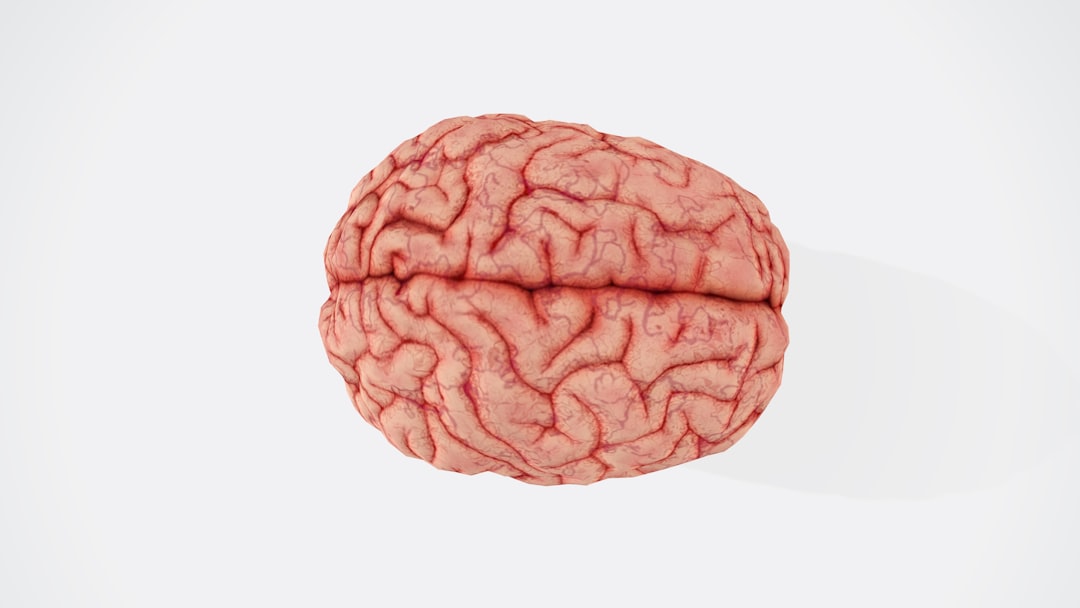
You are likely reading this because you, or someone you know, has encountered the term “brain swelling” and perhaps found yourself adrift in a sea of medical jargon. It’s a phenomenon that can sound alarming, and indeed, it carries significant implications. However, understanding it, even at a foundational level, can be empowering. This article aims to demystify brain swelling, specifically as it relates to states of wakefulness, by exploring its mechanisms, causes, detection, and implications.
Imagine your brain as a bustling city, with its neurons as buildings and the cerebrospinal fluid (CSF) as the network of roads and drainage systems. Normally, this city maintains a delicate balance, with a steady flow of nutrients and waste. Brain swelling, also known as cerebral edema, disrupts this equilibrium. It’s not a direct “swelling” in the way a sprained ankle puffs up, but rather an accumulation of excess fluid within the brain tissue itself. This excess fluid can manifest in two primary ways: intracellular edema, where fluid builds up inside brain cells (neurons, glial cells), or extracellular edema, where fluid accumulates in the spaces between these cells.
The Intracellular Intrusion: When Neurons Become Waterlogged
Think of your neurons as highly specialized factories, constantly processing information. In intracellular edema, these factories begin to absorb an excessive amount of water. This is often a consequence of cellular injury or metabolic dysfunction. When the energy-dependent pumps responsible for maintaining the delicate electrolyte balance within cells fail, ions like sodium can flood into the cell, drawing water along with them. This internal waterlogging can lead to cellular dysfunction and, if severe, cell death. It’s akin to a factory’s plumbing system backing up, causing internal flooding that disrupts operations.
The Extracellular Exodus: The Spaces Between Become Congested
In extracellular edema, the problem lies in the interstitial space – the network of tiny spaces surrounding the brain cells. Here, the blood-brain barrier (BBB), a highly selective filter that protects the brain from harmful substances in the bloodstream, plays a crucial role. A compromised BBB can become “leaky,” allowing plasma proteins and fluid to escape from the blood vessels into the interstitial space. This influx of fluid pushes against the brain cells, increasing pressure and disrupting the normal flow of nutrients and waste removal. Imagine the city’s drainage system becoming overwhelmed by a sudden downpour, leading to widespread flooding in the streets.
The Vicious Cycle: Pressure and Perfusion Under Siege
The increase in fluid volume within the confined space of the skull inevitably leads to increased intracranial pressure (ICP). This is a critical point. Your skull is a rigid box, and the brain, occupying almost its entirety, has very little room for expansion. As the brain swells, so does the pressure within this box. This elevated ICP can have several detrimental effects. Firstly, it can directly compress brain tissue, hindering its function. Secondly, and perhaps more insidiously, it can reduce cerebral perfusion pressure (CPP). CPP is the pressure gradient that drives blood flow to the brain. When ICP rises, it effectively pushes back against the blood vessels supplying the brain, making it harder for blood to enter. This is like trying to fill a balloon inside a tightly bound box – the outward pressure makes it difficult to inflate. Reduced CPP means less oxygen and fewer nutrients reach the brain cells, potentially exacerbating the initial injury and creating a dangerous, self-perpetuating cycle.
Recent research has shed light on the phenomenon of brain swelling during wakefulness, revealing its potential implications for cognitive function and overall health. For a deeper understanding of this topic, you can explore an insightful article that discusses the mechanisms behind brain swelling and its effects on neurological processes. To read more, visit this article.
Wakefulness: A Window into Brain Stress
You might wonder why the state of wakefulness is singled out when discussing brain swelling. While brain swelling itself is a physical phenomenon, its manifestation and impact can be observed and even exacerbated during periods of wakefulness. When you are awake, your brain is highly active, requiring a constant and robust supply of oxygen and glucose. Any disruption to this supply, including that caused by swelling and increased ICP, becomes more pronounced. Furthermore, certain conditions that predispose to brain swelling are more readily apparent in awake individuals.
The Alertness Audit: Neurological Deficits Shine Through
During wakefulness, subtle changes in cognitive function, motor control, and sensory perception can become evident when the brain is under duress. A person experiencing mild brain swelling might become more forgetful, struggle with concentration, or experience headaches that are more noticeable when they are engaged in mentally demanding tasks. Motor deficits, such as weakness or clumsiness, might appear during everyday activities. Sensory disturbances, like blurred vision or changes in hearing, can also be more readily reported by an awake and communicative individual. These manifestational clues are like warning lights on the city’s control panel, signaling that something is amiss with the internal infrastructure.
The Sleep Sanctuary: A Temporary Reprieve, Not a Cure
While sleep provides a period of reduced metabolic demand for the brain, it does not resolve the underlying cause of swelling. In fact, certain sleep-related processes can sometimes be affected by brain swelling. For instance, alterations in sleep architecture or an increased susceptibility to sleep disturbances can occur. However, the subjective experience of sleep may offer a temporary amelioration of some symptoms, as the brain is not actively processing the same level of external stimuli. It’s important to emphasize that sleep is not a treatment for brain swelling; it’s merely a state of reduced activity.
Behavioral Clues: The Unspoken Language of Discomfort
In awake individuals, behavioral changes can be significant indicators of brain swelling. Irritability, anxiety, apathy, or confusion can all be manifestations of increased intracranial pressure affecting brain function. These are not simply mood swings but can reflect a genuine neurological distress signal. A person who is usually talkative might become withdrawn, or someone typically calm might exhibit uncharacteristic aggression. These shifts in behavior are the city’s inhabitants expressing their discomfort with the fouled infrastructure.
The Culprits Behind the Swollen Brain: A Spectrum of Causes

Brain swelling is not a disease in itself but rather a consequence of an underlying problem. The range of conditions that can lead to cerebral edema is broad, encompassing acute injuries, vascular events, infections, and more. Understanding these causes is crucial for effective diagnosis and management.
The Traumatic Tsunami: Head Injuries and Their Aftermath
Blunt force trauma to the head, from falls or accidents, is a common cause of brain swelling. When the brain impacts the skull, it can sustain contusions (bruises) or lacerations, leading to localized swelling. More diffuse swelling can occur due to the inflammatory response to the injury. This is like the city’s infrastructure taking a direct hit; the damage is immediate and widespread, triggering a cascade of repair and defense mechanisms that can, in turn, lead to swelling.
The Vascular Volcano: Strokes and Hemorrhages
Disruptions to blood flow in the brain are potent triggers for edema. Ischemic strokes, where a blood clot blocks an artery, deprive brain tissue of oxygen, leading to cell death and subsequent swelling as the body attempts to clear the damaged tissue. Hemorrhagic strokes, where a blood vessel ruptures, can cause bleeding into the brain and surrounding tissues, leading to mass effect and edema. These are like fissures opening up in the city’s power grid, leading to blackouts and damage that trigger a chaotic response.
The Infectious Invasion: Encephalitis and Abscesses
Infections that target the brain directly, such as encephalitis (inflammation of the brain) or brain abscesses (localized collections of pus), can cause significant swelling. The body’s immune response to the invading pathogens triggers inflammation and increased vascular permeability, leading to fluid accumulation. This is the city’s defense forces overreacting to an invasion, inadvertently causing damage to the very structures they are meant to protect.
The Neoplastic Shadow: Tumors and Their Pressure
Brain tumors, whether benign or malignant, can cause swelling by directly occupying space, obstructing CSF flow, or triggering an inflammatory response in the surrounding brain tissue due to their growth and metabolic activity. As a tumor grows, it acts like an unwelcome construction project in the city, taking up space and disrupting the normal pathways.
The Metabolic Maelstrom: Imbalances and Toxins
Certain metabolic derangements, such as hyponatremia (low sodium levels), can lead to water intoxication and intracellular brain swelling. Exposure to certain toxins or drugs can also disrupt cellular function and contribute to edema. These are like systemic failures in the city’s utilities, causing a ripple effect of dysfunction and damage throughout the urban landscape.
Detecting the Unseen: Diagnostic Tools for Brain Swelling
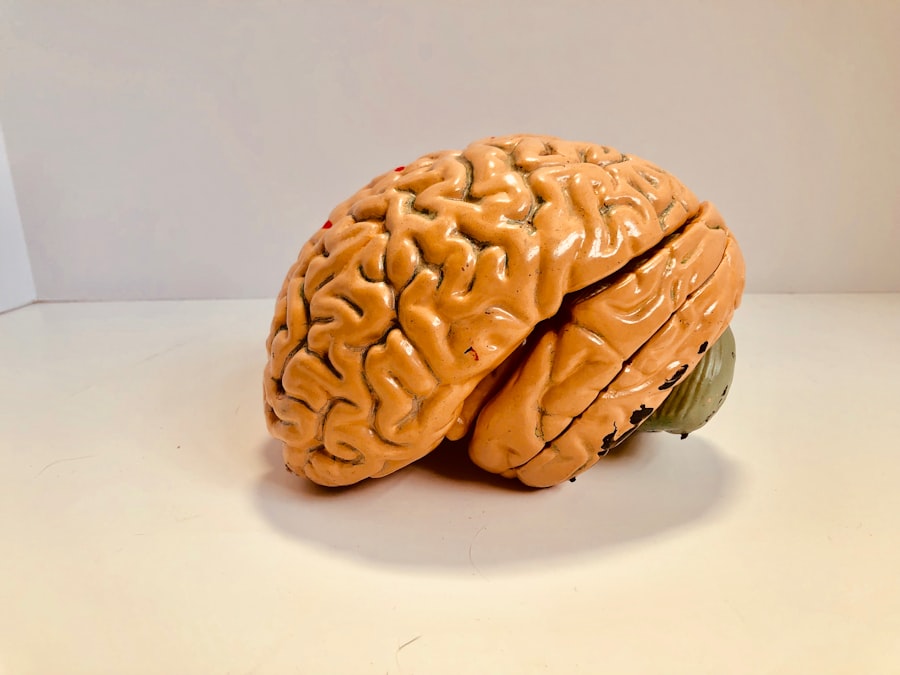
Diagnosing brain swelling often involves a combination of clinical assessment and advanced imaging techniques. Because the brain is encased within the skull, direct visualization is challenging, making these tools invaluable.
The Clinical Compass: Neurological Examination
Your physician will begin with a thorough neurological examination. This will assess your alertness, cognitive abilities, motor strength, reflexes, and coordination. Subtle changes in these areas can provide crucial clues about the presence and severity of brain swelling. Are you able to follow commands? Is your speech clear? Are your movements symmetrical? These are the initial observations that guide the investigation.
The Imaging Arsenal: CT and MRI Scans
Computed tomography (CT) scans and magnetic resonance imaging (MRI) are the workhorses of brain imaging. CT scans can quickly reveal areas of swelling, bleeding, or mass effect. MRI scans offer more detailed images of brain tissue and can differentiate between different types of swelling and underlying causes. These scans provide a detailed map of the city, highlighting areas of congestion or damage.
The Pressure Gauge: Intracranial Pressure Monitoring
In severe cases, direct monitoring of intracranial pressure (ICP) may be necessary. This involves surgically inserting a small catheter into the brain to measure the pressure directly. This is like installing a pressure gauge on the city’s main water line to monitor stress levels.
The Biochemical Barometer: Lumbar Puncture and Blood Tests
A lumbar puncture (spinal tap) can be used to analyze cerebrospinal fluid for signs of infection or inflammation. Blood tests can help identify metabolic imbalances or other systemic conditions that may be contributing to brain swelling. These are like sending out teams to analyze the water quality and traffic flow patterns to understand broader issues.
Recent studies have shed light on the phenomenon of brain swelling during wakefulness, revealing its potential implications for cognitive function and overall health. For a deeper understanding of this topic, you can explore a related article that discusses the underlying mechanisms and effects of brain swelling. This insightful piece can be found at Freaky Science, where you will discover more about the intricate relationship between brain health and daily activities.
Living with the Lingering Pressure: Management and Prognosis
| Metric | Description | Typical Range/Value | Measurement Method | Relevance to Brain Swelling During Wakefulness |
|---|---|---|---|---|
| Brain Volume Increase | Percentage increase in brain volume due to swelling | Up to 2-3% during prolonged wakefulness | Magnetic Resonance Imaging (MRI) | Indicates cellular and interstitial fluid accumulation |
| Interstitial Fluid Volume | Volume of fluid in the extracellular space of the brain | Increases by approximately 5-10% during wakefulness | Diffusion Tensor Imaging (DTI) | Reflects changes in brain hydration and swelling |
| Intracranial Pressure (ICP) | Pressure inside the skull | Normal: 7-15 mmHg; May increase slightly during swelling | Invasive pressure monitoring | Elevated ICP can indicate brain swelling severity |
| Water Content in Brain Tissue | Percentage of water in brain tissue | Typically 77-78%; may increase by 1-2% during swelling | Magnetic Resonance Spectroscopy (MRS) | Higher water content correlates with swelling |
| Glymphatic Clearance Rate | Rate of waste clearance via glymphatic system | Reduced by 20-30% during wakefulness compared to sleep | Tracer studies with MRI | Reduced clearance may contribute to fluid accumulation |
The management of brain swelling is aimed at reducing intracranial pressure, addressing the underlying cause, and preventing further brain damage. The prognosis depends heavily on the cause, severity, and timeliness of treatment.
The Pressure Relief Valve: Medical Interventions
Several medical interventions are employed to lower ICP. These include osmotic diuretics, such as mannitol, which draw fluid out of the brain tissue, and hypertonic saline, which has a similar effect. Medications aimed at reducing inflammation or controlling seizures may also be used. In some cases, ventilation and sedation are employed to lower the brain’s metabolic rate and reduce blood flow. These are like emergency measures to control flooding and stabilize critical infrastructure.
The Surgical Solution: Decompressive Strategies
In severe cases, surgery may be required. Decompressive craniectomy involves removing a portion of the skull to allow the swollen brain to expand, thereby relieving pressure. This is a drastic but often life-saving measure, akin to opening a floodgate to prevent a catastrophic collapse.
The Rehabilitation Roadmap: Recovery and Long-Term Outlook
Recovery from brain swelling can be a long and arduous journey. Rehabilitation services, including physical therapy, occupational therapy, and speech therapy, are crucial for regaining lost function. The long-term outlook varies widely. Some individuals make a full recovery, while others may experience lasting neurological deficits. Factors influencing prognosis include the extent of brain damage, the patient’s age and overall health, and the effectiveness of treatment. Understanding the potential challenges and embracing the rehabilitation process are vital for navigating the path to recovery.
FAQs
What is brain swelling during wakefulness?
Brain swelling during wakefulness refers to the increase in brain volume or edema that occurs while a person is awake. This can be due to various causes such as injury, infection, or other medical conditions affecting the brain.
What are the common causes of brain swelling when awake?
Common causes include traumatic brain injury, infections like meningitis or encephalitis, stroke, tumors, and certain metabolic or inflammatory conditions that lead to fluid accumulation in brain tissues.
What symptoms indicate brain swelling during wakefulness?
Symptoms may include headache, nausea, vomiting, confusion, difficulty concentrating, dizziness, vision problems, and in severe cases, loss of consciousness or seizures.
How is brain swelling during wakefulness diagnosed?
Diagnosis typically involves neurological examination and imaging studies such as CT scans or MRI to detect swelling or edema in the brain. Additional tests may be performed to identify the underlying cause.
What treatments are available for brain swelling during wakefulness?
Treatment depends on the cause but may include medications like corticosteroids to reduce inflammation, osmotic agents to decrease fluid buildup, surgery to relieve pressure, and supportive care to manage symptoms and prevent complications.