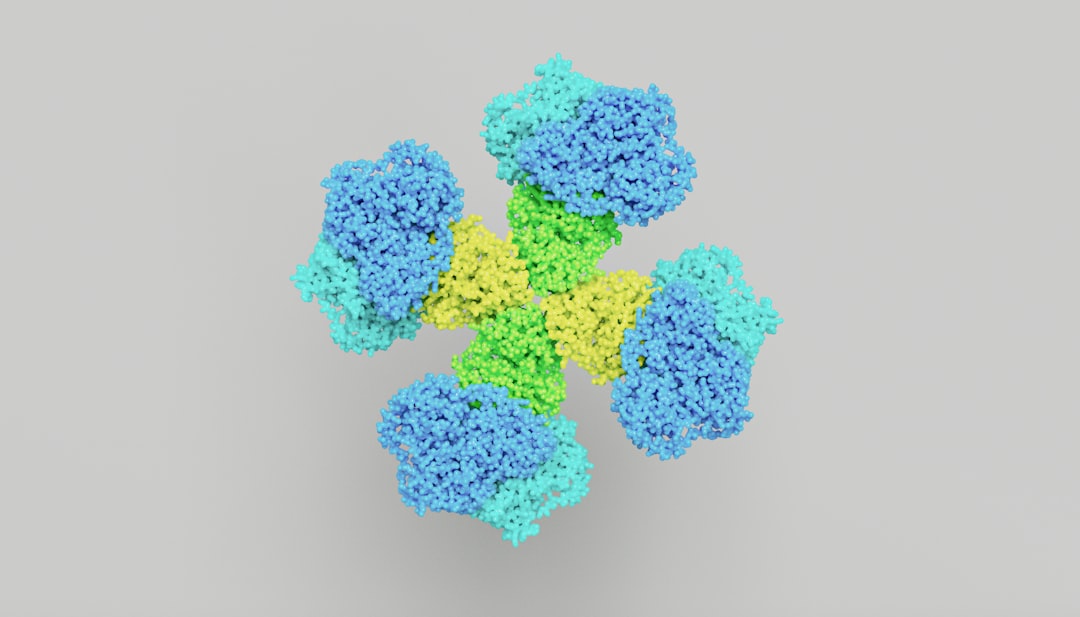
You’re likely aware of the challenges in developing new medications. The journey from laboratory discovery to a patient’s bedside is fraught with hurdles, and one significant obstacle is ensuring that the carefully engineered drug molecule remains intact and effective throughout its intended lifespan. You might imagine a drug as a highly specialized key, designed to unlock a specific biological lock. But what happens if that key begins to degrade, its edges softening, its intricate tumblers becoming corroded, before it ever reaches its target? This is where the concept of “mirror proteins” emerges, offering a potentially revolutionary solution to enhance drug stability.
You understand that the efficacy of a drug is not a static property. It’s a dynamic dance between the active pharmaceutical ingredient (API) and its environment. This environment encompasses everything from the manufacturing process, storage conditions, transportation, and even the complex milieu of the human body. Unfortunately, many potent APIs are inherently fragile. This fragility can manifest in several ways, each a silent saboteur of therapeutic intent.
Chemical Instability
Consider the chemical bonds that hold your drug molecule together. These bonds, while strong enough to provide structure, can be susceptible to various chemical reactions.
Hydrolysis: The Water’s Subtle Erosion
Water, the universal solvent, can also be a destructive force. Hydrolysis occurs when water molecules break down chemical bonds within the API. Imagine a delicate tapestry: prolonged exposure to moisture can gradually unravel its threads, weakening the entire structure. This is particularly problematic for drugs containing ester or amide linkages, common in many therapeutics.
Oxidation: The Corrosive Touch of Air
Oxygen, essential for life, can also be an adversary to certain drug molecules. Oxidation is a process where the API loses electrons, fundamentally altering its chemical structure. This can lead to the formation of inactive byproducts or even toxic impurities. Think of a shiny metal object left exposed to the elements: it gradually tarnishes and corrodes.
Photodegradation: The Sun’s Unwanted Energy
Light, especially ultraviolet (UV) radiation, carries energy that can excite molecules and initiate unwanted chemical transformations. Some APIs are highly sensitive to light, causing them to break down and lose their potency. This is akin to leaving a sensitive photograph exposed to direct sunlight; the image fades and distorts.
Physical Instability
Beyond chemical reactions, the physical form of a drug can also be compromised, impacting its usability and effectiveness.
Aggregation: The Clumping of Active Agents
You envision a streamlined delivery system where each drug molecule performs its function independently. However, under certain conditions, drug molecules can clump together, forming aggregates. This aggregation can reduce the effective concentration of the free drug, making it less available to interact with its biological target. Imagine a swarm of individually effective bees: if they start to form tight, unmanageable clusters, their collective ability to pollinate is diminished.
Polymorphism: Different Faces of the Same Substance
Many solid-state drugs can exist in different crystalline forms, known as polymorphs. These polymorphs can have distinct physical properties, including solubility, dissolution rate, and thermodynamic stability. If an unstable polymorphic form crystallizes during storage, it can lead to a loss of bioavailability and unpredictable therapeutic outcomes. It’s like having the same recipe for a cake but baking it in different ovens: the outcome might be subtly, or significantly, different.
Recent advancements in the field of biochemistry have highlighted the potential of mirror proteins to revolutionize drug stability, paving the way for more effective and longer-lasting pharmaceuticals. A related article discusses the implications of these findings and how they could transform drug development processes. For more insights on this groundbreaking topic, you can read the full article at Freaky Science.
Introducing the Protean Protectors: The Concept of Mirror Proteins
The challenges posed by drug degradation are substantial, impacting not only therapeutic success but also manufacturing costs and patient compliance. This is where the innovative concept of “mirror proteins” enters the arena, offering a novel defense strategy. You can think of mirror proteins not as drugs themselves, but as sophisticated shields, meticulously crafted to safeguard your precious cargo – the API.
Mimicking Biomolecular Structures
At its core, the idea of mirror proteins draws inspiration from nature’s own masterful designs. Biological systems are replete with proteins that exhibit remarkable stability and specific binding capabilities. Mirror proteins aim to replicate these characteristics through synthetic means, creating molecules that can non-covalently interact with and protect the API.
The “Mirror Image” Principle
The term “mirror protein” alludes to the potential for these synthetic molecules to interact with their target API in a manner analogous to how a natural protein might bind to its natural ligand. However, it’s crucial to understand that these are not necessarily exact structural replicas in the literal sense of being left-handed or right-handed enantiomers. Rather, they are designed to possess complementary surfaces and binding pockets that can snugly embrace the API.
Designing for Specificity
The power of most biological interactions lies in their specificity. Enzymes bind to substrates, antibodies bind to antigens, and receptors bind to signaling molecules with exquisite precision. Mirror proteins strive to achieve this same level of specificity, ensuring that they interact only with the intended API and not with other components of a formulation or biological system. This selectivity is paramount to avoid unintended side effects or loss of API function due to off-target binding.
The Mechanics of Mirror Protein Protection
How exactly do these synthetic shields operate? Mirror proteins employ a range of mechanisms to shield the API from its environmental adversaries. Understanding these mechanisms allows you to appreciate the sophistication of this approach.
Non-Covalent Interactions: The Gentle Embrace
Unlike covalent bonds, which involve the sharing of electrons and can lead to irreversible changes, mirror proteins primarily rely on non-covalent interactions to bind to the API. These interactions, while individually weaker, collectively provide significant binding affinity and can be readily reversible under specific conditions.
Hydrogen Bonding: The Electrostatic Handshake
Hydrogen bonds, formed between a hydrogen atom covalently bonded to a highly electronegative atom (like oxygen or nitrogen) and another electronegative atom with a lone pair of electrons, are a fundamental force in molecular recognition. Mirror proteins are designed with specific functional groups that can form favorable hydrogen bonds with complementary groups on the API, creating a stable complex.
Van der Waals Forces: The Fleeting Attraction
Van der Waals forces are weak, short-range attractive forces that arise from temporary fluctuations in electron distribution within molecules. When a mirror protein and an API are in close proximity, these transient dipoles can induce complementary dipoles, leading to a weak but cumulative attraction. Imagine a crowd of people milling around: even slight jostling can lead to momentary attractions between individuals.
Hydrophobic Interactions: The Repulsion of Water
Hydrophobic regions of molecules tend to cluster together to minimize contact with water. Mirror proteins can be designed with hydrophobic surfaces that, when interacting with a similarly hydrophobic API, can drive the formation of a protective complex, effectively sequestering the API from aqueous environments that might promote hydrolysis. This is like oil and water; they tend to separate.
Encapsulation and Shielding: Creating a Protective Cocoon
In certain designs, mirror proteins can act as molecular encapsulators, essentially creating a protective bubble around the API. This physical barrier prevents external agents from reaching and damaging the drug molecule.
Steric Hindrance: The Physical Blockade
By binding to the API, mirror proteins can physically block access to reactive sites on the drug molecule. This steric hindrance effectively shields vulnerable portions of the API from attack by water, oxygen, or other degradation-promoting species. Think of a bodyguard standing in front of a VIP, physically preventing unwanted approaches.
Altering the Local Environment: A Customized Microclimate
The binding of a mirror protein can also alter the local microenvironment around the API. For instance, it might create a more hydrophobic or less polar environment, disfavoring hydrolysis reactions that typically occur in polar aqueous solutions. This is akin to creating a specialized, controlled atmosphere for a sensitive artifact.
Applications and Potential Impact on Drug Development

The promise of mirror proteins extends across various stages of drug development and delivery, offering solutions to long-standing problems. You might wonder how this technology can translate into tangible improvements for patients and the pharmaceutical industry.
Enhancing the Shelf Life of Pharmaceuticals
One of the most immediate and impactful applications of mirror proteins is in improving the shelf life of existing and new drugs. Many potent APIs are limited by their short half-lives in solution or their susceptibility to degradation during long-term storage.
Stabilizing Biologics: A New Era for Proteins and Antibodies
Biologic drugs, such as therapeutic proteins and monoclonal antibodies, are notoriously fragile. They are prone to aggregation and denaturation, which can lead to a loss of efficacy and immunogenicity. Mirror proteins offer a promising avenue for stabilizing these complex molecules, enabling them to withstand the rigors of manufacturing, storage, and administration. Imagine making these delicate biological machines more robust and enduring.
Extending the Viability of Small Molecule Drugs
While often perceived as more robust, many small molecule drugs also suffer from stability issues. Mirror proteins can be designed to protect these smaller molecules from hydrolysis, oxidation, and photodegradation, thereby extending their shelf life in various dosage forms, from oral tablets to injectable solutions.
Improving Drug Delivery and Bioavailability
Beyond simple stabilization, mirror proteins can also play a role in optimizing how drugs reach their targets within the body.
Controlled Release Formulations: Pacing the Delivery
By carefully designing the binding affinity and release kinetics of mirror proteins, you can engineer controlled-release drug delivery systems. The mirror protein can act as a “latch,” holding onto the API until specific biological cues or environmental triggers initiate its release at a controlled rate. This allows for sustained therapeutic levels, reducing the frequency of dosing and potentially minimizing side effects associated with peak drug concentrations.
Targeted Delivery Systems: Precision Navigation
In conjunction with other drug delivery technologies, mirror proteins could contribute to targeted drug delivery. If a mirror protein can be designed to bind to specific cell surface markers or to respond to signals found only in diseased tissues, it could direct the API to its intended site of action, sparing healthy tissues and enhancing therapeutic efficacy. This is like equipping a delivery drone with a highly precise navigational system.
Recent advancements in the field of biochemistry have highlighted the potential of mirror proteins to revolutionize drug stability, offering a promising avenue for enhancing the efficacy of pharmaceuticals. These proteins, which are mirror images of natural proteins, could lead to the development of drugs that are more resistant to degradation and have longer shelf lives. For a deeper understanding of this groundbreaking research, you can explore a related article that discusses the implications of mirror proteins in drug formulation and their potential impact on the pharmaceutical industry. To read more, visit this article.
Challenges and Future Directions in Mirror Protein Technology
| Metric | Traditional Proteins | Mirror Proteins | Impact on Drug Stability |
|---|---|---|---|
| Resistance to Proteolytic Degradation | Low to Moderate | High | Increased half-life of drugs in the body |
| Thermal Stability (°C) | 40-60 | 60-80 | Improved storage and handling conditions |
| Immunogenicity | Moderate to High | Low | Reduced immune response and side effects |
| Binding Affinity to Target | Variable | Comparable or Enhanced | Maintains or improves drug efficacy |
| Production Cost | Moderate | Potentially Higher (initially) | May decrease with scale and technology advances |
| Storage Stability (Shelf Life in months) | 6-12 | 12-24+ | Longer shelf life reduces waste and costs |
While the concept of mirror proteins is exciting, it’s important to acknowledge that this is a developing field. Like any cutting-edge technology, it faces its own set of hurdles that need to be overcome before it can be fully integrated into widespread pharmaceutical practice.
Design and Synthesis Complexity: The Art of Molecular Engineering
Creating bespoke mirror proteins requires sophisticated computational modeling and synthetic chemistry expertise. Designing a molecule with the precise shape, charge distribution, and functional groups to achieve specific binding affinity and stability enhancement is a significant undertaking. You’re not just mixing ingredients; you’re engaged in a delicate dance of molecular architecture.
Computational Protein Design: Predictive Power
Advancements in computational protein design algorithms are crucial for predicting optimal protein structures and sequences that will interact favorably with a given API. These tools allow researchers to virtually screen millions of potential designs before committing to costly experimental synthesis.
Advances in Peptide Synthesis: Building Blocks of Stability
The ability to synthesize complex peptide sequences reliably and efficiently is fundamental to the practical realization of mirror proteins. Ongoing improvements in peptide synthesis methodologies are making it more feasible to produce these custom-designed molecules at scale.
Immunogenicity and Safety Concerns: Ensuring a Clean Bill of Health
As with any foreign protein introduced into the body, the potential for immunogenicity – the ability to elicit an immune response – is a critical consideration. Mirror proteins must be designed to be as non-immunogenic as possible to avoid adverse reactions in patients.
Minimizing T-cell Epitopes: Stealth by Design
Researchers are actively investigating strategies to minimize the presence of T-cell epitopes, which are the specific parts of a protein recognized by the immune system. This may involve altering specific amino acid residues or employing structural modifications that render the mirror protein less visible to the immune system.
Biocompatibility and Biodegradability: A Gentle Departure
Beyond immunogenicity, the overall biocompatibility and biodegradability of mirror proteins are paramount. They should integrate seamlessly with biological systems and eventually be cleared from the body without causing harm.
Scalability and Cost-Effectiveness: From Lab Bench to Pharmacy Shelf
For mirror proteins to make a significant impact in the pharmaceutical industry, their production must be scalable and cost-effective. Transitioning from laboratory-scale synthesis to large-scale manufacturing presents engineering and economic challenges.
Process Optimization: Streamlining Production
Developing efficient and robust manufacturing processes for mirror proteins is essential for reducing production costs and ensuring a reliable supply. This involves optimizing reaction conditions, purification methods, and downstream processing.
Economic Viability: A Balancing Act
The economic feasibility of incorporating mirror proteins into drug formulations will ultimately depend on their ability to provide a demonstrable advantage in terms of efficacy, stability, or convenience that justifies any additional costs. You’re looking for a solution that delivers more bang for the buck, both medically and financially.
In conclusion, you can see that mirror proteins represent a sophisticated and promising approach to overcoming the critical challenge of drug instability. While still a developing field, their ability to act as molecular shields, protecting APIs through non-covalent interactions and encapsulation, holds the potential to revolutionize drug development, extend the shelf life of essential medicines, and ultimately improve patient outcomes by ensuring that the keys engineered to unlock health remain perfectly formed until they are needed.
FAQs
What are mirror proteins?
Mirror proteins, also known as D-proteins, are synthetic proteins composed of D-amino acids, which are the mirror images of the naturally occurring L-amino acids found in most biological proteins. These mirror proteins have a reversed chirality compared to natural proteins.
How do mirror proteins improve drug stability?
Mirror proteins are highly resistant to enzymatic degradation because most enzymes in the body are specific to L-amino acid sequences. This resistance enhances the stability and longevity of drugs made from or incorporating mirror proteins, potentially leading to longer-lasting therapeutic effects.
What potential advantages do mirror proteins offer in drug development?
Mirror proteins can increase the half-life of peptide-based drugs, reduce immunogenicity, and improve bioavailability. Their stability against proteases allows for more effective delivery and sustained action, which could reduce dosing frequency and improve patient compliance.
Are there any challenges associated with using mirror proteins in medicine?
Yes, challenges include the complexity and cost of synthesizing mirror proteins, potential difficulties in ensuring proper folding and function, and the need for extensive testing to confirm safety and efficacy in humans.
What is the current status of mirror proteins in pharmaceutical research?
Research on mirror proteins is ongoing, with several studies demonstrating their potential to enhance drug stability and efficacy. While some mirror protein-based therapeutics are in preclinical or early clinical stages, widespread clinical use is still under development.