You stand on the precipice of the unknown, a world of perpetual darkness and crushing pressure. Imagine yourself enveloped by a silence so profound it seems to have weight, a silence broken only by the hiss and roar of Earth’s internal furnace. This is the realm of hydrothermal vents, geological marvels on the ocean floor that challenge our very definitions of life and the environments it can call home.
Your journey begins in the hadal zone, the deepest, least explored part of our planet’s oceans. Sunlight, the very essence of life as you know it, is a distant memory, an archaic concept. Here, temperatures can fluctuate wildly, from the frigid grip of the surrounding abyssal waters (often near freezing) to the searing heat spewed from beneath the seabed. The pressure is immense, capable of crushing even the most robust submarines unless specifically engineered to withstand it. Yet, life persists, clinging to existence in ways that defy the conventional wisdom of biology.
Sunlight Deprivation: A Different Kind of Photosynthesis
Without sunlight, the familiar dance of photosynthesis – the process by which plants convert light energy into chemical energy – is impossible. You might think this would spell the end of life, a biological dead end. However, in the abyssal realm, life has found a different way. It has turned inwards, drawing energy not from the sky, but from the very earth beneath its microbial feet.
Chemosynthesis: The Power of Chemistry
This alternative energy pathway is called chemosynthesis. Instead of light, organisms here harness chemical energy released from inorganic compounds. Imagine tiny biological factories, powered not by solar panels, but by the raw, unfiltered reactions of chemicals bubbling up from the planet’s core. These chemicals, often rich in hydrogen sulfide, methane, and ammonia, are the fuel that drives the engines of this alien ecosystem.
Extreme Pressures: Evolution Under Duress
The pressure at these depths is a constant, unrelenting force. It’s akin to having the weight of a hundred elephants pressing down on every square inch of your existence. For life to survive, it must adapt. Organisms here often possess specialized cellular structures and biochemical adaptations to maintain their integrity under such extreme conditions. Their very molecules are built to flex, not to break, under the immense squeeze.
Molecular Adaptations: The Architect of Resilience
At a molecular level, you’d find that proteins and enzymes in these deep-sea dwellers are far more stable than their shallow-water counterparts. They are designed to function optimally in environments that would denature, or unfold, most life as you know it. Think of them as highly specialized tools, crafted for a single, brutal purpose: survival.
The intriguing possibility of life existing in extreme environments, such as hydrothermal vents, has captivated scientists for years. These underwater ecosystems, rich in minerals and teeming with unique organisms, challenge our understanding of where life can thrive. A related article that delves into this fascinating topic is available at Freaky Science, which explores the conditions of hydrothermal vents and the potential for extraterrestrial life in similar environments beyond Earth.
Unveiling the Vents: Geothermal Wonders
As you descend further, the seafloor begins to transform. The monotony of sediment gives way to a landscape sculpted by volcanic activity. Hydrothermal vents are essentially cracks in the Earth’s crust where superheated water, rich in dissolved minerals, erupts from the seafloor. These vents are like underwater geysers, breathing out the planet’s interior heat and chemical soup.
The Black Smokers: Fiery Eruptions
The most dramatic and well-known type of hydrothermal vent is the “black smoker.” These towering chimneys, often tens of meters high, are formed as mineral-rich water, heated to hundreds of degrees Celsius, mixes with the cold, oxygen-rich seawater. The rapid cooling causes dissolved sulfides to precipitate out, creating the distinctive black, chimney-like structures. Imagine a perpetual, subterranean volcano, spewing not lava, but mineral-laden steam.
Mineral Deposition: Building the Chimneys
The process of chimney formation is a testament to the power of geological processes and the chemistry of the deep. Sulfides of iron, zinc, copper, and other metals are present in the vent fluid. As this superheated liquid encounters the frigid ocean, these metals crystallize and accrete, layer by layer, much like stalagmites forming in a cave, but born of volcanic fury and chemical precipitation.
The White Smoker’s: Milder but Mysterious
Alongside black smokers, you’ll also find “white smokers,” which erupt at lower temperatures and emit fluids with less sulfide content. These vents often form more diffuse, cone-shaped structures and are associated with different mineral deposits, such as barium and silica. While less visually striking than their black counterparts, they also host unique ecosystems.
Temperature Gradients: Niches for Life
The temperature gradient around these vents is crucial. Organisms aren’t necessarily thriving in the direct blast of superheated water. Instead, they occupy specific niches within the temperature range, from the cooler outer edges to the warmer plumes. This creates a mosaic of habitats, each supporting a specialized community.
Life at the Precipice: The Vent Ecosystems
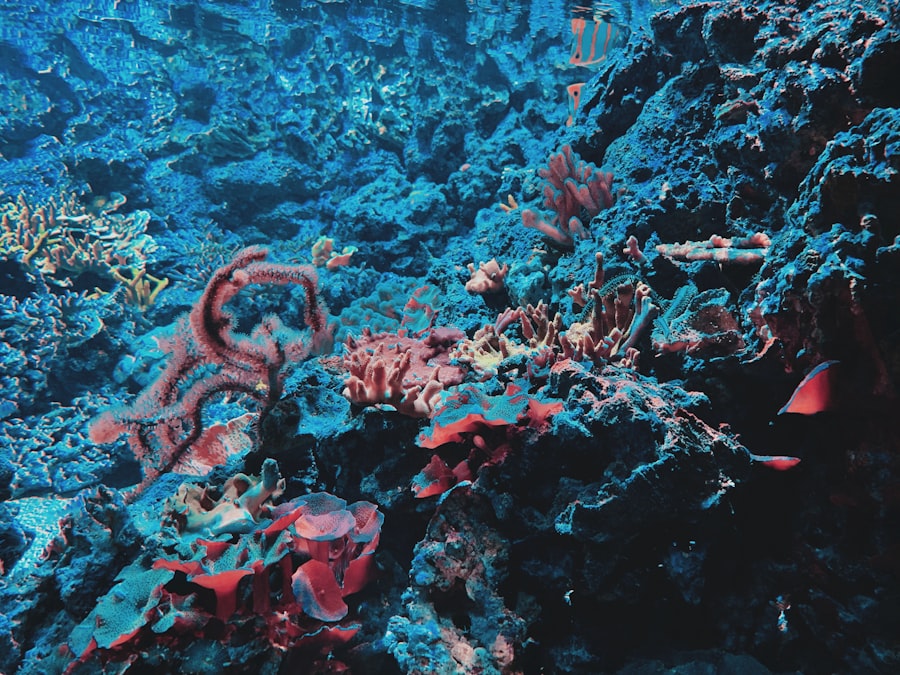
The environments surrounding hydrothermal vents are teeming with life, a vibrant, if alien, biosphere that thrives on chemical energy. These ecosystems are self-contained worlds, powered by processes completely independent of the sunlit surface.
Microbial Mats: The Foundation of Life
At the most fundamental level of the vent ecosystem are the chemosynthetic microbes. These are the primary producers, the base of the food web, converting inorganic chemicals into organic matter. They form thick, often colorful mats covering the rocks and chimneys. Your eyes would be drawn to their diverse hues, a stark contrast to the surrounding darkness, a testament to the unseen biochemical processes at play.
Symbiotic Relationships: A Partnership for Survival
Many of the larger vent animals have formed symbiotic relationships with these microbes. Giant tube worms, for instance, lack a mouth and digestive system. Instead, they house chemosynthetic bacteria within specialized organs called trophosomes. The worms absorb chemicals from the vent fluid and transport them to the bacteria, which then produce organic nutrients that nourish the worm. It’s a perfect example of co-dependency, where each partner relies entirely on the other for sustenance.
Giant Tube Worms: Icons of the Deep
The giant tube worms (Riftia pachyptila) are perhaps the most iconic inhabitants of hydrothermal vents. These striking creatures, with their bright red plumes that wave in the vent currents, can grow up to two meters in length. Their entire existence is tied to the vent, their life cycle dictated by the ebb and flow of the geothermal activity.
Adaptations for Survival: From Plumes to Blood
Their red plumes are not just for show; they are highly specialized respiratory organs, designed to efficiently absorb hydrogen sulfide, oxygen, and carbon dioxide from the surrounding water. Their blood contains a unique hemoglobin molecule that can bind to these chemicals, allowing them to thrive in an environment that would be toxic to most other life forms.
Vent Crustaceans and Mollusks: Scavengers and Grazers
Beyond the tube worms, a diverse array of crustaceans, mollusks, and fish call the vents home. Some are grazers, feeding on the microbial mats. Others are scavengers, consuming dead organisms that drift down from above or the remains of vent animals. Your gaze would trace the intricate movements of blind shrimp, crabs with specialized mouthparts, and snails inching along the mineral-rich surfaces.
Specialized Feeding Strategies: Adapting to the Food Source
The feeding strategies of these creatures are as diverse as their forms. Some have developed baleen-like structures to filter food particles from the water, while others possess robust jaws for scraping microbial films. Each organism has found a unique way to exploit the rich but specialized food sources available at the vents.
The Mirror Life Hypothesis: Could Life Be Truly Alien?
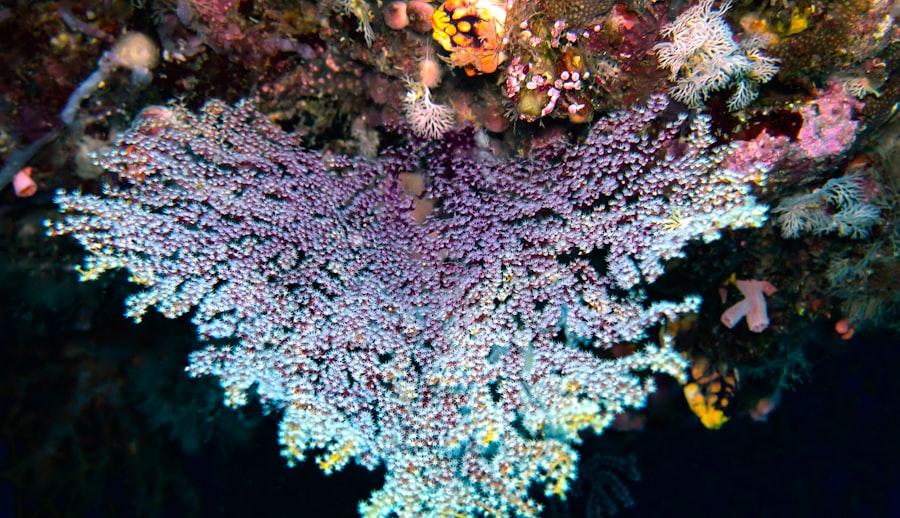
The discovery of life at hydrothermal vents, thriving in such extreme conditions and fueled by such an unconventional energy source, has profound implications for our understanding of life itself. It opens the door to the tantalizing possibility of “mirror life” – life that, while sharing fundamental biochemical principles, is built on a different chemical foundation or utilizes an entirely different set of biological molecules.
Alternative Biochemistries: Imagining the Unfathomable
Current life on Earth is carbon-based and relies on water as a solvent. However, scientists have long speculated about alternative biochemistries. Could life exist based on silicon instead of carbon? Could it use ammonia or methane as a solvent instead of water? The existence of vent life, independent of sunlight and rooted in chemosynthesis, provides a tangible analog for worlds where these alternative biochemistries might prevail.
Silicon vs. Carbon: A Hypothetical Divide
The notion of silicon-based life, for example, is a common trope in science fiction. Silicon shares some chemical properties with carbon, being able to form complex chains. However, the bonds it forms are generally weaker, and its oxides are solid (silica), unlike carbon dioxide, which is a gas and easily expelled. Yet, in a different solvent or under different pressure/temperature conditions, silicon’s potential might be unlocked in ways we cannot yet fully comprehend.
Exotic Solvents: Life Beyond Water
Water’s unique properties make it an excellent solvent for life as we know it. However, on other planets, liquids like ammonia or methane, which are gases on Earth, might exist in liquid form under different atmospheric pressures and temperatures. If life were to arise in such an environment, its biology would likely be fundamentally different from our own.
The Role of Liquid Methane: A Titanian Enigma
Moons like Saturn’s Titan have vast lakes of liquid methane and ethane. If life were to evolve there, it would need to be adapted to incredibly low temperatures and utilize these hydrocarbons as its solvent. This would necessitate entirely different cell membranes and biomolecules compared to terrestrial life.
The Search for Extraterrestrial Life: Expanding the Horizons
The existence of hydrothermal vents has dramatically expanded our conception of where and how life could exist beyond Earth. Planets and moons with subsurface oceans, such as Jupiter’s moon Europa or Saturn’s moon Enceladus, are considered prime candidates for hosting life. These celestial bodies could harbor their own hydrothermal vent systems, creating similar chemosynthetic oases in the darkness of space.
Europa and Enceladus: Water Worlds of Potential
The Cassini spacecraft’s discovery of plumes erupting from Enceladus, containing water ice and organic molecules, provided compelling evidence for subsurface liquid water and active geological processes. Similarly, evidence suggests a vast ocean beneath Europa’s icy shell, potentially interacting with a rocky seafloor, making it a prime target in the search for alien life.
Recent studies have suggested that the extreme environments of hydrothermal vents could potentially harbor life forms that are vastly different from those on the surface. These underwater ecosystems, rich in minerals and heated by volcanic activity, create unique conditions that might support microbial life or even more complex organisms. For a deeper understanding of this fascinating topic, you can explore a related article that discusses the implications of such discoveries and the potential for life in these extreme habitats by visiting Freaky Science. This research not only expands our knowledge of life’s adaptability but also raises intriguing questions about the possibilities of extraterrestrial life in similar environments beyond Earth.
Implications for Astrobiology: A Paradigm Shift
| Metric | Value/Description |
|---|---|
| Temperature Range | 60°C to 400°C (140°F to 752°F) |
| Pressure | Up to 250 atmospheres (25 MPa) |
| pH Level | 2 to 6 (acidic to slightly acidic) |
| Primary Energy Source | Chemosynthesis (hydrogen sulfide, methane) |
| Known Life Forms | Bacteria, Archaea, tube worms, clams, shrimp |
| Potential for Mirror Life | Hypothetical; could exist using alternative biochemistry (e.g., mirror amino acids) |
| Challenges for Mirror Life | Stability of mirror biomolecules under extreme conditions, availability of mirror substrates |
| Research Status | Experimental studies ongoing; no confirmed mirror life found |
Exploring hydrothermal vents has fundamentally altered the field of astrobiology, the study of life in the universe. It has moved the discussion of extraterrestrial life from purely speculative to one grounded in observable, albeit extreme, terrestrial phenomena.
Redefining the Habitable Zone: Beyond the Goldilocks Principle
For decades, the search for life beyond Earth was largely focused on the “habitable zone” – the region around a star where temperatures are just right for liquid water to exist on a planet’s surface. Hydrothermal vents, however, demonstrate that life can exist independently of surface conditions, fueled by internal geological processes. This means that celestial bodies far outside the traditional habitable zone could still harbor life.
Subsurface Oceans: Hidden Havens for Life
The discovery of widespread subsurface oceans on icy moons within our own solar system underscores this point. These oceans, shielded from the harsh surface environment and potentially heated by tidal forces and radioactive decay, could be home to thriving ecosystems powered by hydrothermal activity.
The Universal Nature of Life: Chemistry as a Common Language
While the specific building blocks of life might differ, the fundamental principles of chemistry and thermodynamics that govern life on Earth are likely universal. This gives us hope that if life exists elsewhere, it will operate on principles we can, at least in part, understand. The chemical reactions fueling vent life are the same reactions that occur on a planetary scale, providing a potential common language for life’s emergence across the cosmos.
Universal Laws: The Underlying Framework
The laws of physics and chemistry are constant throughout the universe. While the specific molecules that form biotic structures might vary, the underlying principles of energy transfer, molecular bonding, and chemical equilibrium remain the same. This provides a foundational framework for imagining and searching for life beyond Earth.
The Significance of Extremophiles: Our Deep-Sea Cousins
The study of extremophiles – organisms that thrive in extreme conditions – has become central to astrobiology. These organisms act as our proxies, demonstrating the extraordinary adaptability of life and providing models for what life might look like on other worlds. Your own existence, and the existence of every organism you know, is a testament to life’s remarkable resilience, and the deep-sea vents are a powerful showcase of this trait.
Microbes as Ambassadors: Paving the Way for Discovery
The microbes at hydrothermal vents are our ultimate ambassadors to the possibility of life elsewhere. They are proof that life can find a way, in the most unlikely of places, using the most unexpected of resources. Their resilience is a constant reminder that our definition of “life” might be far too narrow.
The Future of Exploration: Uncharted Territories Await
Our exploration of hydrothermal vents is still in its nascent stages. Much remains unknown about these complex ecosystems and the life they harbor. Future expeditions, armed with increasingly sophisticated technology, promise to unlock even more secrets.
Technological Advancements: Reaching Deeper, Seeing Further
Submersible technology continues to evolve, allowing us to descend to greater depths and remain there for longer periods. Advanced imaging systems, sampling tools, and in-situ analysis equipment will provide unprecedented views into the functioning of vent ecosystems. Imagine being able to observe the subtle interactions between organisms in real-time, to collect samples with surgical precision, and to analyze their composition on the spot.
Autonomous Underwater Vehicles (AUVs): The Unblinking Eyes of Discovery
The development of sophisticated Autonomous Underwater Vehicles (AUVs) equipped with advanced sensors and cameras is revolutionizing deep-sea exploration. These uncrewed explorers can operate for extended periods in challenging environments, collecting vast amounts of data and surveying large areas of the seafloor that would be inaccessible to human-occupied submersibles.
Unanswered Questions: The Mysteries That Linger
Despite our progress, numerous questions about hydrothermal vents remain unanswered. How did life originate in these environments? What is the full extent of biodiversity at these sites? And critically, could life exist with entirely different biochemical foundations, beyond the realm of what we currently understand as “life”? These questions are the siren calls that beckon future generations of explorers.
The Origin of Life: A Chemical Crucible
The vents are a potential cradle for abiogenesis, the process by which life arises from non-living matter. The rich chemical environment and energy gradients present at these sites offer a compelling hypothesis for how the first self-replicating molecules might have formed and evolved into simple life forms.
The Implications for Our Own Planet: Earth’s Hidden Vitality
Understanding hydrothermal vents also provides crucial insights into Earth’s internal processes and their influence on our planet’s surface. These vents play a role in nutrient cycling and are now recognized as significant contributors to global ocean chemistry. They are a reminder that even in the deepest, darkest parts of our own planet, vital processes are occurring, shaping the very world you inhabit.
FAQs
What are hydrothermal vents?
Hydrothermal vents are fissures on the seafloor that emit hot, mineral-rich water. They are typically found near volcanic activity and support unique ecosystems despite extreme conditions.
What does “mirror life” mean in the context of hydrothermal vents?
“Mirror life” refers to hypothetical life forms that use mirror-image biochemistry compared to known Earth life, such as opposite-handed amino acids or sugars, potentially existing in extreme environments like hydrothermal vents.
Why are hydrothermal vents considered potential habitats for mirror life?
Hydrothermal vents provide a chemically rich and energy-abundant environment, which could support alternative biochemical pathways and life forms with different molecular chirality than typical Earth organisms.
Have any mirror life forms been discovered in hydrothermal vents?
As of now, no mirror life forms have been discovered in hydrothermal vents or elsewhere. Research is ongoing to understand if such life could exist and how to detect it.
How do scientists study the possibility of mirror life in hydrothermal vents?
Scientists use laboratory simulations, chemical analyses, and deep-sea exploration to study hydrothermal vent environments and test hypotheses about alternative biochemistries, including mirror life, to understand life’s potential diversity.