Peptide Nucleic Acids: Detecting Mirror Life
You’ve likely encountered discussions surrounding DNA and its paramount role in heredity and biological function. It’s the blueprint of life as you know it, a double helix meticulously spiraling, carrying the genetic code through generations. But what if there were a molecule capable of mimicking DNA’s informational capacity, yet built from fundamentally different components? This is the realm of Peptide Nucleic Acids, or PNAs, and their potential to illuminate concepts like “mirror life”—hypothetical life forms built on different biochemical frameworks.
To appreciate the significance of PNAs, you must first grasp their structural divergence from DNA. Think of DNA as a finely crafted wooden staircase, where each step is a base pair (Adenine with Thymine, Guanine with Cytosine) and the railings are the sugar-phosphate backbone. This backbone provides the structural integrity and is crucial for DNA’s function in replication and transcription.
The Repeating Unit: Nucleobases
At the heart of both DNA and PNAs lie the nucleobases. These are the fundamental units that carry the genetic information. In DNA, you have Adenine (A), Guanine (G), Cytosine (C), and Thymine (T). These bases, through their specific pairing properties (A-T and G-C), dictate the sequence of genetic instructions. PNAs also utilize these same nucleobases. This is a critical point of congruence, enabling PNAs to bind to complementary DNA or RNA sequences with high specificity.
The Backbone Difference: Peptide vs. Sugar-Phosphate
Here’s where the divergence becomes stark. In DNA, the backbone is composed of alternating deoxyribose sugar molecules and phosphate groups. This sugar-phosphate backbone is negatively charged, a characteristic that influences how DNA interacts with its environment and surrounding proteins.
PNAs, however, replace this sugar-phosphate backbone with a repeating unit of N-aminoethylglycine, linked by peptide bonds. Imagine replacing the wooden railings of your DNA staircase with a robust, chemically inert polymer. This pseudopeptide backbone is electrically neutral. This neutrality has profound implications for PNA’s binding properties. It removes the electrostatic repulsion that can occur between the negatively charged backbone of nucleic acids and certain cellular structures or molecules. This means PNAs can bind more tightly and with greater affinity to their complementary strands, even in environments where DNA might struggle.
The Sugar’s Absence
A key observation is the absence of a sugar moiety in the PNA backbone. This isn’t merely a small modification; it’s a fundamental departure. The sugar in DNA plays an active role in DNA replication and repair mechanisms. Its absence in PNAs means they cannot be replicated by the enzymes that transcribe and replicate DNA. This is a double-edged sword: it prevents PNAs from participating in normal biological processes but also makes them resistant to degradation by nucleases, the enzymes that chew up DNA and RNA in living organisms.
Recent advancements in the field of peptide nucleic acids (PNAs) have opened new avenues for detecting mirror life, a concept that explores the potential existence of life forms based on mirror-image molecules. An insightful article discussing these developments can be found at Freaky Science, where researchers delve into the implications of PNAs in understanding the origins of life and the possibility of alternative biochemistries. This exploration not only enhances our comprehension of life’s molecular foundations but also raises intriguing questions about the diversity of life in the universe.
PNA as a Molecular Probe: Unveiling Hidden Sequences
The unique binding characteristics of PNAs make them exceptionally powerful tools for molecular biology, particularly in detecting and analyzing nucleic acid sequences. Think of PNAs as highly discerning magnetic locks that can only be opened by a specific key—their complementary DNA or RNA sequence.
High Affinity and Specificity
Because the PNA backbone is neutral, it doesn’t experience the same electrostatic repulsion that DNA encounters. This allows the nucleobases in a PNA molecule to get closer to their target on a DNA or RNA strand, leading to significantly stronger binding. This increased affinity means you can often detect very low concentrations of target sequences.
Moreover, the structural rigidity and the unnatural backbone of PNAs contribute to their remarkable specificity. They are less prone to forming unintended interactions with off-target sequences compared to their DNA or RNA counterparts. This precision is akin to a surgeon’s scalpel, capable of making incredibly accurate incisions without damaging surrounding tissue.
Applications in Diagnostics and Research
This high affinity and specificity translate into numerous practical applications. In diagnostics, PNAs are being explored for detecting the presence of infectious agents or specific genetic mutations associated with diseases. Imagine a diagnostic test where a PNA probe, designed to bind to the genetic material of a virus, can quickly and accurately signal its presence in a sample.
In research, PNAs are used to study gene expression, identify specific RNA molecules, and even control gene activity. They can be used as molecular tweezers, binding to DNA to physically alter its structure or block the activity of certain genes.
The Challenge of Entry
While their binding is powerful, the cellular entry of PNAs can pose a challenge, particularly for in vivo applications. Their neutral charge and pseudopeptide nature mean they don’t readily cross cell membranes. Researchers are actively developing strategies to overcome this, such as conjugating PNAs with cell-penetrating peptides or encapsulating them in delivery vehicles, to enable them to reach their intracellular targets.
PNAs and the Concept of Mirror Life: A Hypothetical Frontier
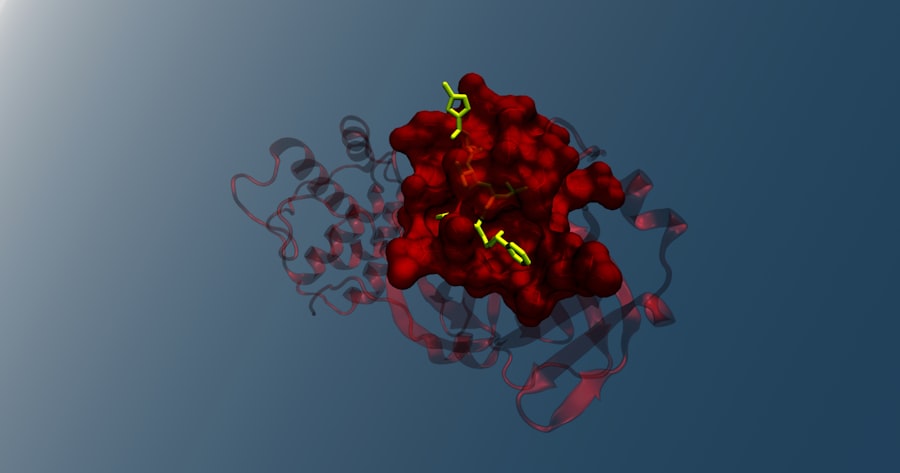
The notion of “mirror life” is an intellectual exercise, a thought experiment exploring what life might look like if it were based on different fundamental molecular mechanisms. PNAs, with their DNA-like information-carrying capacity but profoundly different chemistry, offer a tantalizing glimpse into this hypothetical realm.
A Universal Code, Different Syntax
The key realization is that while life as you know it uses DNA and RNA, the underlying principle of storing information in a sequence of specific bases could, in theory, be implemented by other molecular frameworks. PNAs demonstrate this principle. They utilize the universal genetic alphabet (A, T, G, C) but employ a different chemical “syntax” to carry it.
If a hypothetical extraterrestrial life form, or even a contrived life form developed in a laboratory, were to employ a genetic material analogous to DNA, it might not be DNA at all. It could be a PNA-like molecule. This doesn’t mean that PNA is mirror life, but rather that the existence of PNA provides a tangible chemical precedent for how such alternative genetic systems could function.
Resistance as a Defining Trait
Think of the robustness of PNAs. Their resistance to nucleases makes them inherently more stable in certain environments than DNA or RNA. If life were to evolve in conditions with high levels of nuclease activity, or if it simply prioritized long-term genetic information storage, a PNA-like molecule might be a more advantageous genetic material. This resistance could be a defining trait of a mirror life form, one that allows it to persist and thrive in conditions where DNA-based life might falter.
Information Replication: A Hurdled Question
The critical hurdle for a PNA-based mirror life is the replication of genetic information. As mentioned, PNAs are not replicated by standard DNA or RNA polymerases. A mirror life form would need its own enzymatic machinery, finely tuned to polymerize and copy PNA sequences. This machinery would look entirely different from the replication forks and enzymes you see in terrestrial biology. The absence of a sugar-phosphate backbone would necessitate an entirely novel energetic and mechanistic approach to copying a PNA strand. This is where the speculative nature of mirror life truly comes into play.
Designing and Synthesizing PNAs: A Chemical Endeavor

The creation of PNAs is a testament to the power of synthetic chemistry. Unlike naturally occurring DNA, PNAs are entirely artificial molecules, requiring chemical synthesis in the laboratory.
Solid-Phase Synthesis: The Assembly Line
The primary method for synthesizing PNAs is solid-phase synthesis, a technique widely used for creating peptides and oligonucleotides. Imagine a microscopic anchor point attached to a solid resin bead. You then meticulously attach the building blocks of the PNA, one monomer at a time, to this anchor. Each step involves a chemical reaction to attach the next nucleobase-containing pseudopeptide unit.
Between each attachment step, the unreacted sites are blocked to prevent unwanted side reactions. After a long series of these controlled additions, the completed PNA molecule is cleaved from the resin bead and purified. This process is akin to building an intricate Lego structure, brick by brick, with extreme precision.
Modifications and Conjugations: Tailoring Functionality
Once the basic PNA backbone with its nucleobases is synthesized, chemists can further modify it or conjugate it with other molecules. This allows for tailoring PNA properties for specific applications. For instance, fluorescent tags can be attached to PNAs, allowing you to visualize their localization within cells or to track their binding to target sequences. As mentioned earlier, conjugating PNAs with cell-penetrating peptides is a strategy to improve their uptake into cells. These modifications are crucial for transforming a chemically synthesized molecule into a functional research tool or a potential therapeutic agent.
Recent advancements in the field of peptide nucleic acids (PNAs) have opened new avenues for detecting mirror life, a concept that explores the potential existence of life forms with mirror-image biochemistry. In a related article, researchers discuss innovative methods for utilizing PNAs in the identification of chiral molecules, which could provide insights into the origins of life and the possibility of extraterrestrial organisms. For more information on this fascinating topic, you can read the full article here: explore the research. This work highlights the significance of PNAs in astrobiology and their potential applications in future explorations.
The Future of PNAs: Therapeutics and Beyond
| Metric | Value | Unit | Description |
|---|---|---|---|
| Binding Affinity (Kd) | 10 | nM | Affinity of peptide nucleic acids (PNAs) to complementary mirror DNA strands |
| Hybridization Temperature | 55 | °C | Optimal temperature for PNA binding to mirror nucleic acids |
| Detection Sensitivity | 0.1 | pM | Lowest concentration of mirror nucleic acids detectable using PNA probes |
| Specificity | 98 | % | Percentage of correct identification of mirror nucleic acids over natural nucleic acids |
| Stability in Biological Samples | 72 | hours | Duration PNAs remain stable and functional in biological environments |
| Length of PNA Probe | 15 | bases | Typical length of PNA probes used for mirror life detection |
| Signal-to-Noise Ratio | 15 | fold | Ratio of specific signal to background noise in detection assays |
The potential applications of PNAs extend far beyond fundamental research and the theoretical exploration of “mirror life.” Their unique properties position them as promising candidates for therapeutic interventions.
Antiviral and Antibacterial Agents
The ability of PNAs to bind to viral or bacterial genetic material with high affinity and specificity has led to their investigation as antiviral and antibacterial agents. By binding to essential viral or bacterial genes, PNAs can block their transcription or translation, effectively silencing the pathogen. Imagine a PNA designed to latch onto the gene responsible for a virus’s replication, effectively jamming the viral machinery.
Gene Silencing and Disease Treatment
Beyond infectious diseases, PNAs are also being explored for treating genetic disorders. By binding to specific messenger RNA (mRNA) molecules involved in disease pathways, PNAs can prevent the production of harmful proteins. This form of gene silencing, known as antisense therapy, holds promise for conditions like cancer, Huntington’s disease, and cystic fibrosis. The neutral backbone of PNAs is a significant advantage here, as it can potentially lead to increased stability and reduced off-target effects compared to antisense oligonucleotides derived from DNA or RNA.
Diagnostics: A Future Frontier
As mentioned earlier, the diagnostic potential of PNAs is substantial. Their ability to detect specific nucleic acid sequences with high sensitivity and specificity makes them ideal for developing rapid and accurate diagnostic tests for a wide range of diseases. The development of PNA-based biosensors could lead to portable, point-of-care diagnostic devices capable of detecting pathogens or disease biomarkers with unprecedented speed and accuracy.
The journey of PNAs from a laboratory curiosity to a potential therapeutic and diagnostic tool highlights the power of chemical innovation. While the concept of “mirror life” remains in the realm of speculation, the existence and continued development of PNAs offer scientists a tangible and versatile molecular system for probing the very foundations of genetic information and its potential for alternative manifestations. You are witnessing the unfolding of a technology that could redefine our understanding of life itself.
FAQs
What are peptide nucleic acids (PNAs)?
Peptide nucleic acids (PNAs) are synthetic polymers that mimic the structure of DNA or RNA but have a peptide-like backbone instead of a sugar-phosphate one. This unique structure allows PNAs to bind strongly and specifically to complementary nucleic acid sequences.
How are PNAs used in mirror life detection?
PNAs are used in mirror life detection because they can hybridize with nucleic acids of opposite chirality, such as those found in hypothetical mirror-image life forms. Their stability and binding specificity make them suitable probes for identifying mirror-image genetic materials.
What is mirror life in the context of molecular biology?
Mirror life refers to hypothetical life forms composed of biomolecules that are mirror images (enantiomers) of those found in known life. For example, mirror life might use left-handed amino acids and right-handed sugars, opposite to the natural chirality in Earth-based organisms.
Why are PNAs advantageous over natural nucleic acids for detecting mirror life?
PNAs are advantageous because their peptide backbone is achiral and chemically stable, allowing them to bind to both natural and mirror-image nucleic acids without degradation. This property makes them effective tools for detecting and studying mirror-image genetic materials.
What potential applications does mirror life detection with PNAs have?
Detecting mirror life with PNAs could have applications in astrobiology, synthetic biology, and the search for extraterrestrial life. It may also aid in understanding the origins of biological homochirality and developing novel biomolecular technologies based on mirror-image biochemistry.