The Earth’s atmosphere, a thin, invisible blanket enveloping our planet, plays a role of paramount importance in sustaining life as we know it. Its composition, structure, and dynamic processes are intricately woven into the fabric of our existence, providing essential resources and protection from the harsh realities of space. Understanding this vital atmospheric envelope is crucial for comprehending the planet’s climate, weather patterns, and the delicate balance that allows for the flourishing of diverse ecosystems.
The atmosphere acts as a crucial first line of defense for Earth, shielding its inhabitants from a barrage of hazardous cosmic phenomena. Without this gaseous veil, life would be impossible, constantly exposed to the relentless bombardments that characterize interplanetary and interstellar space.
Filtering Harmful Radiation
One of the most critical functions of the atmosphere is its ability to filter out harmful solar and cosmic radiation. The sun, while the source of life-giving light and heat, also emits ultraviolet (UV) radiation, which can be intensely damaging to living organisms.
The Role of the Ozone Layer
The stratospheric ozone layer, a region within the atmosphere, is particularly adept at absorbing the majority of this harmful UV radiation. Ozone molecules (O₃) absorb UV-B and UV-C radiation, preventing it from reaching the Earth’s surface in significant quantities. This absorption process is a photochemical reaction: UV photons strike ozone molecules, breaking them apart into oxygen atoms (O) and oxygen molecules (O₂). These then recombine to form new ozone molecules, creating a continuous cycle that effectively neutralizes most of the dangerous radiation. This is akin to wearing a sophisticated sunscreen, without which life’s delicate cellular machinery would be irreparably damaged. The loss of ozone, as evidenced by the ozone hole, represents a direct threat to terrestrial life, increasing the risk of skin cancer, cataracts, and genetic mutations in plants and animals.
Mitigating Cosmic Rays and High-Energy Particles
Beyond UV radiation, the atmosphere also provides protection from higher energy cosmic rays and charged particles originating from the sun (solar wind) and distant celestial events. While the magnetosphere, a magnetic field generated by Earth’s core, deflects a significant portion of these charged particles, the atmosphere further absorbs and scatters them. These particles, if they were to reach the surface unchecked, could disrupt electronic systems, damage DNA, and pose radiation hazards. The sheer density of the atmospheric gases, despite its relative thinness, acts as a buffer, slowing down and dissipating the energy of these incoming particles.
Deflecting and Burning Up Meteoroids
The vastness of space is not empty; it is populated by countless small to medium-sized rocky and metallic bodies known as meteoroids. As Earth traverses its orbit, it inevitably encounters these objects. The atmosphere intercepts these incoming meteoroids, and the intense friction generated as they hurtle through the gaseous layers causes them to heat up and burn.
The Spectacle of Meteors
This burning process is what we observe as meteors, commonly referred to as “shooting stars.” Most meteoroids are small enough that they are completely vaporized within the upper reaches of the atmosphere. Larger objects that survive their fiery descent and reach the Earth’s surface are called meteorites. Without the atmosphere, our planet would be constantly bombarded by these space rocks, resulting in widespread destruction and making sustained life far more precarious. The atmosphere, in this sense, is the celestial bouncer, preventing unwanted cosmic debris from crashing the party of life.
The Earth’s atmosphere plays a crucial role in sustaining life and regulating climate, and understanding its complexities is essential for addressing environmental challenges. For those interested in exploring this topic further, a related article can be found at Freaky Science, which delves into the various layers of the atmosphere and their significance in protecting our planet.
The Engine of Weather and Climate: Driving Planetary Dynamics
The atmosphere is not a static entity; it is a dynamic system of gases in constant motion, driven by solar energy. These movements are the foundation of our planet’s weather and climate.
The Role of Solar Heating
The uneven heating of the Earth’s surface by the sun is the primary driver of atmospheric circulation. Equatorial regions receive more direct sunlight and thus heat up more intensely than the poles. This temperature differential creates pressure gradients within the atmosphere.
Convection and Circulation Patterns
Warm air, being less dense, rises, while cooler air, being denser, sinks. This process, known as convection, drives large-scale atmospheric circulation patterns. In the tropics, rising warm air creates low-pressure zones, while sinking cool air at higher latitudes forms high-pressure zones. These pressure differences are what propel winds, the invisible currents that move air masses across the globe. Global wind patterns, such as the trade winds, westerlies, and polar easterlies, are a direct consequence of this solar-driven convection.
The Water Cycle: A Vital Atmospheric Component
The atmosphere is a crucial reservoir and pathway for the Earth’s water. The continuous movement of water between the oceans, land, and atmosphere in the form of evaporation, transpiration, condensation, and precipitation is known as the water cycle, and it is fundamentally an atmospheric process.
Evaporation and Transpiration: Supplying Atmospheric Moisture
Water evaporates from the surfaces of oceans, lakes, and rivers, and is also released from plants through transpiration. This water vapor rises into the atmosphere. For example, imagine a vast, invisible humidifier operating ceaselessly across the planet.
Condensation and Cloud Formation
As the moist air rises and cools, the water vapor condenses into tiny water droplets or ice crystals, forming clouds. These clouds are visible manifestations of the atmospheric processes at play, representing the suspended water that will eventually return to the surface. Different atmospheric conditions lead to the formation of various cloud types, each with its own implications for weather.
Precipitation: Returning Water to the Surface
When these water droplets or ice crystals in clouds grow large enough, they fall back to Earth as precipitation in the form of rain, snow, sleet, or hail. This precipitation replenishes freshwater resources on land and in oceans, sustaining ecosystems and human societies. The atmosphere, therefore, acts as a planet-wide distribution network for this essential resource.
The Breath of Life: Providing Essential Gases for Survival

The atmosphere, in its current composition, is the very air that living organisms breathe, a unique mixture of gases that makes terrestrial life possible.
The Indispensable Oxygen
The most critical gas for aerobic life, including humans and most animals, is oxygen (O₂). This gas constitutes approximately 21% of the Earth’s atmosphere.
Photosynthesis: The Source of Atmospheric Oxygen
The vast majority of atmospheric oxygen is produced through photosynthesis, the process by which plants, algae, and cyanobacteria use sunlight, water, and carbon dioxide to create energy and release oxygen as a byproduct. This biochemical miracle, powered by sunlight, has transformed Earth into an oxygen-rich planet. The very air we inhale is a testament to the ongoing work of billions of photosynthetic organisms across the globe.
Respiration: The Consumption of Oxygen
Oxygen is consumed by aerobic organisms during cellular respiration, the process by which they convert food molecules into energy, releasing carbon dioxide and water in the process. This creates a delicate balance, where oxygen production and consumption are largely kept in equilibrium over geological timescales.
The Carbon Dioxide Cycle: A Balancing Act
Carbon dioxide (CO₂), though present in much smaller concentrations (around 0.04%), is another vital atmospheric gas. It is a key component of the carbon cycle, essential for photosynthesis and also a potent greenhouse gas.
Photosynthesis and Respiration’s Role
As mentioned, photosynthesis removes CO₂ from the atmosphere, while respiration and the burning of fossil fuels release it. This dynamic interplay has historically maintained a relatively stable concentration of CO₂.
The Greenhouse Effect: Regulating Earth’s Temperature
Carbon dioxide, along with other greenhouse gases like methane (CH₄) and water vapor (H₂O), traps heat radiated from the Earth’s surface, preventing it from escaping into space. This natural greenhouse effect is essential for maintaining Earth’s average temperature at a habitable level. Without it, our planet would be a frozen wasteland, far too cold to support life. The atmosphere, in this context, acts as a planetary thermostat, keeping the temperature within a comfortable range. However, an increase in greenhouse gas concentrations, primarily due to human activities, is leading to an enhanced greenhouse effect and global warming.
A Dynamic Equilibrium: Maintaining the Balance of Life
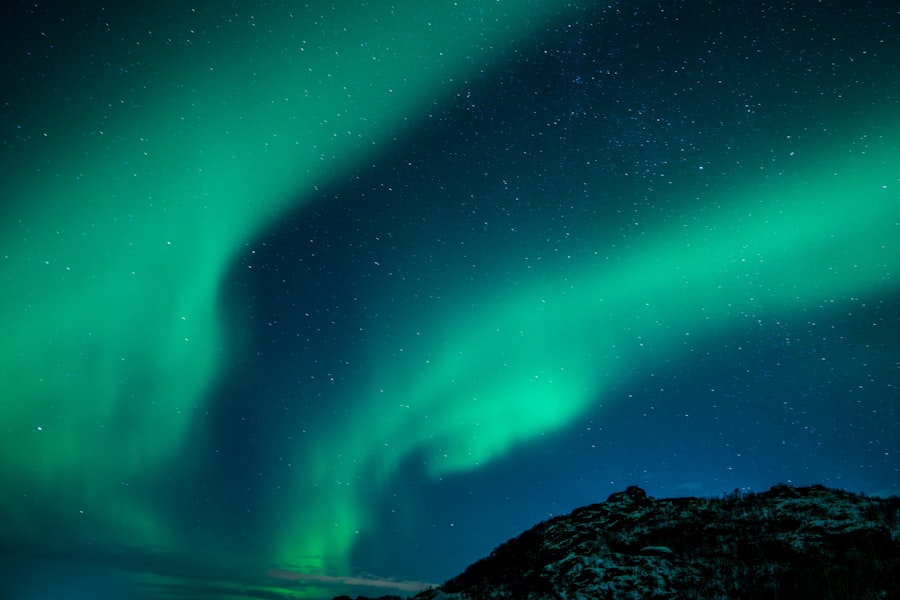
The atmosphere is not a static entity; it is a constantly changing environment that, for millennia, has maintained a remarkable equilibrium conducive to life. This equilibrium is the result of complex interactions between physical, chemical, and biological processes.
Atmospheric Layers and Their Functions
The atmosphere is stratified into distinct layers, each with unique characteristics and functions that contribute to the overall health and stability of the planet.
The Troposphere: The Realm of Weather
This is the lowest layer of the atmosphere, extending from the surface to about 7-20 kilometers (4-12 miles) high, depending on latitude. It is where all weather phenomena occur, and where most of the atmospheric mass resides. Temperature generally decreases with altitude in the troposphere.
The Stratosphere: Home of the Ozone Layer
Above the troposphere lies the stratosphere, extending to about 50 kilometers (31 miles). This layer is characterized by a temperature inversion; temperature increases with altitude due to the absorption of UV radiation by the ozone layer. This stability prevents significant vertical mixing, making it an ideal environment for the ozone layer to operate efficiently.
The Mesosphere and Thermosphere: Interacting with Space
Higher still are the mesosphere and thermosphere. In the mesosphere, temperatures decrease again with altitude, and it’s where most meteors burn up. The thermosphere, the uppermost layer, experiences dramatic temperature increases due to absorption of high-energy solar radiation, though the air here is extremely thin.
The Interconnectedness of Earth Systems
The atmosphere is not isolated; it is intimately connected to the Earth’s lithosphere (solid Earth), hydrosphere (water), and biosphere (living organisms). Changes in one system inevitably impact the others.
Ocean-Atmosphere Interactions
Oceans play a crucial role in regulating atmospheric composition and temperature. They absorb large amounts of CO₂ and heat, moderating climate change. Ocean currents also influence atmospheric circulation patterns.
Biosphere-Atmosphere Interactions
As previously discussed, the biosphere, particularly plant life, is responsible for producing the oxygen we breathe and regulating atmospheric CO₂ levels. Conversely, atmospheric conditions, such as temperature and precipitation, dictate the types of life that can thrive in different regions. This intricate dance between the living world and the atmospheric envelope is a cornerstone of Earth’s habitability.
The Earth’s atmosphere plays a crucial role in sustaining life by providing essential gases and regulating temperature. A fascinating article that delves deeper into the complexities of our atmosphere can be found at Freaky Science, where it explores the various layers and their significance. Understanding these layers helps us appreciate the delicate balance that supports ecosystems and weather patterns on our planet.
The Impact of Human Activity: Altering the Atmospheric Balance
| Layer | Altitude Range (km) | Temperature Range (°C) | Main Characteristics | Approximate Composition (%) |
|---|---|---|---|---|
| Troposphere | 0 – 12 | 15 to -60 | Weather occurs here; temperature decreases with altitude | Nitrogen 78, Oxygen 21, Argon 0.93, CO2 0.04 |
| Stratosphere | 12 – 50 | -60 to 0 | Contains ozone layer; temperature increases with altitude | Same as troposphere, with ozone concentration |
| Mesosphere | 50 – 85 | 0 to -90 | Meteors burn up here; temperature decreases with altitude | Thin air, similar composition |
| Thermosphere | 85 – 600 | -90 to 1500 | Auroras occur; temperature increases significantly | Very thin air, mostly atomic oxygen and nitrogen |
| Exosphere | 600 – 10000 | Up to 2000 | Transition to space; very sparse particles | Hydrogen and helium dominate |
While the Earth’s atmosphere has demonstrated remarkable resilience over geological time, recent human activities have introduced unprecedented changes, leading to concerns about long-term stability and habitability.
The Rise of Greenhouse Gases
The burning of fossil fuels (coal, oil, and natural gas) for energy, deforestation, and industrial processes have significantly increased the concentration of greenhouse gases, particularly CO₂, in the atmosphere. This is analogous to adding extra blankets to the planet, trapping more heat and leading to a rise in global average temperatures.
Global Warming and Climate Change
The enhanced greenhouse effect is driving global warming, leading to a cascade of climate change effects. These include rising sea levels due to thermal expansion of water and melting ice sheets, more frequent and intense extreme weather events (heatwaves, droughts, floods, storms), and disruptions to ecosystems and agricultural productivity.
Air Pollution: A Local and Global Threat
Human activities also release a variety of pollutants into the atmosphere, including particulate matter, sulfur dioxide (SO₂), nitrogen oxides (NOx), and volatile organic compounds (VOCs).
Impacts on Human Health
These pollutants can have severe detrimental effects on human health, contributing to respiratory illnesses, cardiovascular problems, and other health issues. They also degrade air quality in urban and industrial areas.
Acid Rain and Environmental Damage
Sulfur dioxide and nitrogen oxides can react with water in the atmosphere to form sulfuric acid and nitric acid, which fall to the Earth as acid rain. Acid rain damages forests, acidifies lakes and rivers, harming aquatic life, and corrodes buildings and infrastructure. The atmosphere, once a pristine protector, is increasingly becoming a carrier of environmental damage, a stark reminder of our impact on this vital planetary shield.
FAQs
What is Earth’s atmosphere made of?
Earth’s atmosphere is primarily composed of nitrogen (about 78%), oxygen (about 21%), and small amounts of other gases such as argon, carbon dioxide, neon, and trace gases.
How many layers does Earth’s atmosphere have?
Earth’s atmosphere is divided into five main layers: the troposphere, stratosphere, mesosphere, thermosphere, and exosphere, each with distinct characteristics and functions.
Why is the atmosphere important for life on Earth?
The atmosphere provides essential gases for respiration, protects living organisms from harmful solar radiation, helps regulate temperature, and supports weather and climate systems.
What causes the different layers in Earth’s atmosphere?
The layers are defined by changes in temperature gradients and composition at various altitudes, influenced by factors such as solar radiation absorption and chemical reactions.
How does human activity impact Earth’s atmosphere?
Human activities, such as burning fossil fuels and deforestation, release greenhouse gases and pollutants that contribute to climate change, ozone depletion, and air quality degradation.