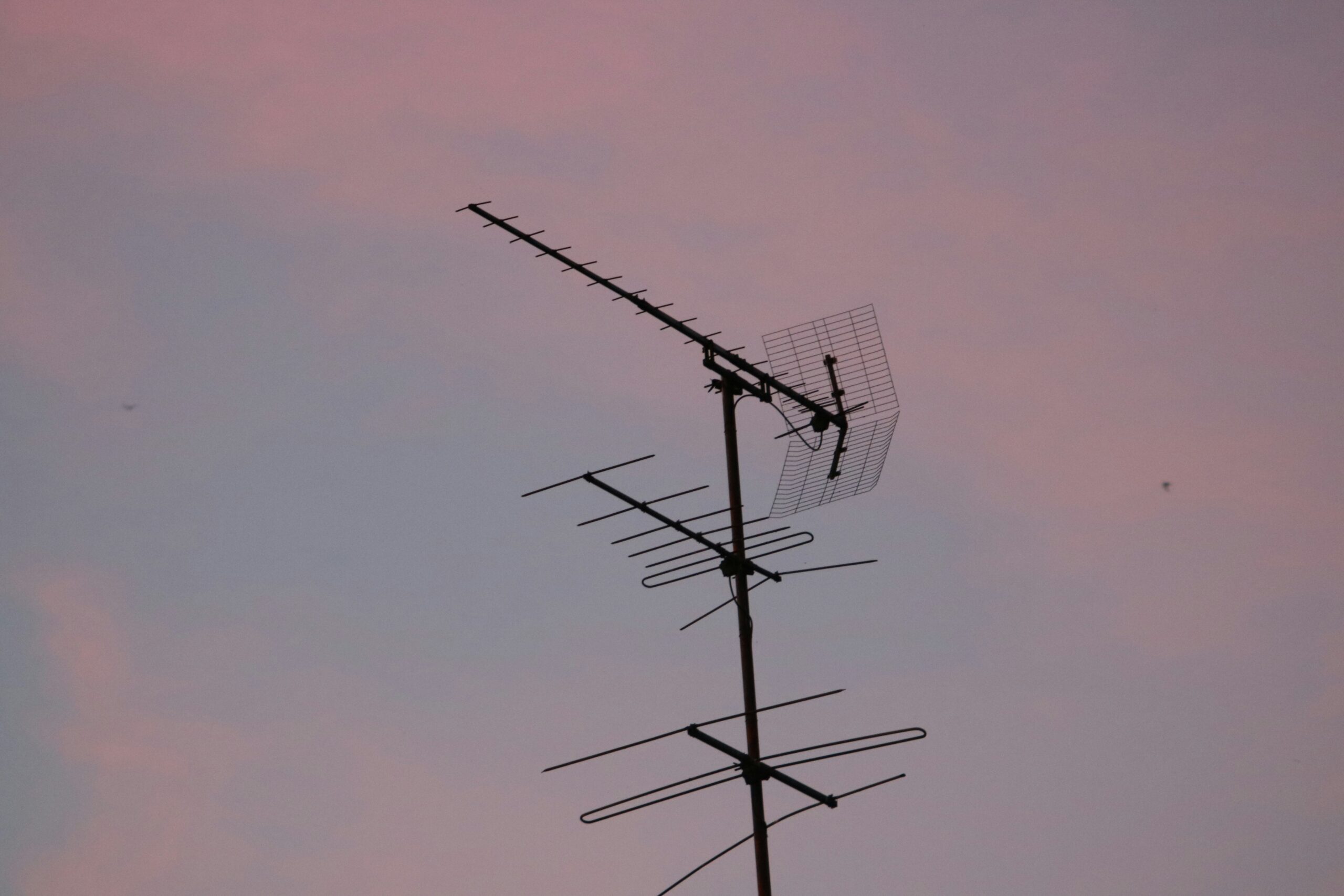
South Atlantic HF Radio Interference: A Growing Concern
The South Atlantic region, a vast expanse of ocean and sparsely populated landmasses, has long relied on High Frequency (HF) radio for critical communication. From maritime navigation and emergency services to scientific research and military operations, HF radio serves as a vital lifeline in this geographically challenging domain. However, a persistent and intensifying problem is casting a shadow over this essential communication backbone: radio interference. What was once a manageable nuisance has evolved into a growing concern, impacting the reliability and efficacy of HF transmissions across the South Atlantic. This article aims to explore the multifaceted nature of this interference, its contributing factors, and the implications for those who depend on HF radio.
The fundamental principle of HF radio lies in its ability to propagate signals over long distances by bouncing them off the Earth’s ionosphere. This phenomenon, akin to a celestial mirror, allows for global or near-global communication without the need for the extensive terrestrial infrastructure required by lower frequency bands. However, this very characteristic that makes HF so valuable also renders it susceptible to a myriad of disruptive influences. The South Atlantic, with its unique atmospheric conditions and increasing anthropogenic activity, presents a particularly fertile ground for these interferences to flourish. Understanding the sources and mechanisms behind this problem is the first step towards mitigation.
The nature and prevalence of HF radio interference in the South Atlantic are not static. They are dynamic, evolving entities shaped by a confluence of natural phenomena and human endeavors. Historically, natural sources like lightning strikes and atmospheric disturbances were the primary culprits. However, the modern era has introduced a new category of interference, often referred to as man-made interference, which is increasingly dominating the spectrum.
Natural Sources of Interference
While man-made interference has surged in prominence, it is crucial to acknowledge the enduring impact of natural phenomena on HF radio signals. These are the ancient saboteurs, part of the Earth’s natural symphony of electrical activity.
Ionospheric Disturbances
The ionosphere, the electrically charged layer of Earth’s upper atmosphere, is the bedrock of HF propagation. Its density and composition fluctuate significantly due to solar activity, geomagnetic storms, and diurnal cycles. These variations can lead to phenomena such as:
- Fading: Rapid fluctuations in signal strength, often caused by multipath propagation where signals take multiple routes to the receiver. This can render a transmission unintelligible.
- Absorption: Increased ionization in the lower ionosphere, particularly during daytime and geomagnetic storms, can absorb HF energy, weakening signals.
- Scintillation: Rapid, random fluctuations in signal amplitude and phase, often associated with irregular ionospheric structures. This can be particularly disruptive for digital HF transmissions.
- Sudden Ionospheric Disturbances (SIDs): Caused by solar flares, SIDs can drastically alter ionospheric conditions, leading to immediate and severe radio blackouts on the sunlit side of the Earth.
Atmospheric Noise
Electrical discharges in the atmosphere, most notably lightning, are a significant source of broadband noise across the HF spectrum. While individual lightning strikes are localized, the cumulative effect of thunderstorms across vast oceanic expanses contributes to a pervasive background hiss that can mask weaker HF signals.
- Global Thunderstorm Activity: Vast ocean regions, including the South Atlantic, are home to numerous thunderstorms. The inherent electrical activity of these storms generates electromagnetic pulses that radiate outwards, contributing to the overall radio noise floor.
- Tropical Cyclones: While less frequent in the South Atlantic compared to other regions, tropical cyclones are powerful meteorological events that produce intense lightning activity, significantly amplifying atmospheric noise in their vicinity.
Man-Made Sources of Interference
The exponential growth of human technological activity has introduced a new and increasingly formidable array of interference sources that now rival, and in many cases surpass, natural disturbances. These are the unwelcome guests in the radio spectrum, the sonic clutter introduced by our own creations.
Spectrum Congestion and Overlap
The fundamental limitation of the radio spectrum is that it is a finite resource. As more users and services vie for space within the HF bands, the probability of adjacent channel interference increases. This is akin to trying to have a quiet conversation in a crowded marketplace where everyone is shouting.
- Increased Users: The rise of amateur radio operators, commercial ventures, and governmental agencies all utilizing HF bands contributes to a denser occupation of the available frequencies.
- Adjacent Channel Interference: Transmissions on frequencies very close to one another can bleed into adjacent channels due to imperfections in transmitter and receiver filtering or insufficient bandwidth allocation.
- Intermodulation Distortion: Non-linearities in transmitters and receivers can cause intermodulation products to appear at frequencies different from the intended signals, creating spurious emissions that interfere with other transmissions.
Unintentional Radiators and Electromagnetic Interference (EMI)
Many electronic devices that are not designed to transmit radio signals can inadvertently emit electromagnetic radiation. This unintentional radiation can propagate and interfere with sensitive HF receivers.
- Industrial Equipment: High-power electrical equipment used in industrial settings, such as welding machinery, electric furnaces, and motor-driven equipment, can generate significant electromagnetic noise.
- Consumer Electronics: While often operating at higher frequencies, poorly shielded consumer electronics, including switching power supplies, fluorescent lighting, and even certain types of smart devices, can produce broadband interference that can extend into the HF spectrum. The proliferation of such devices means that their collective impact is becoming increasingly significant.
- Power Lines: High-voltage power transmission lines can act as antennas, radiating electromagnetic interference, particularly in areas with poor insulation or grounding.
Intentional Interference and Jamming
In some instances, interference is not accidental but deliberate. This intentional interference, often referred to as jamming, aims to disrupt or block particular HF transmissions.
- Malicious Intent: Individuals or groups with malicious intent may intentionally generate signals to disrupt communications for various reasons, including piracy, crime, or political disruption.
- State-Sponsored Jamming: In certain geopolitical contexts, state actors may employ jamming techniques to suppress enemy communications or to sow disinformation.
HF radio interference over the South Atlantic is a significant concern for both amateur and professional radio operators, as it can disrupt communications and affect signal clarity. For a deeper understanding of this phenomenon and its implications, you can read a related article that discusses the various factors contributing to HF radio interference in this region. To explore this topic further, visit the following link: here.
Impacts on South Atlantic Communications
The cumulative effect of these diverse interference sources is a tangible degradation of HF radio communication performance across the South Atlantic. For many users, the once-reliable spectrum is becoming increasingly unpredictable and unusable.
Maritime Operations
For vessels traversing the vast South Atlantic, HF radio remains a critical tool for navigation, safety, and communication with shore-based facilities. Interference can have direct and severe consequences for maritime operations.
- Distress and Safety Calls: The inability to transmit or receive distress calls due to interference can be a matter of life and death. Imagine a vessel in peril, its desperate plea for help lost in a sea of static.
- Navigation and Weather Updates: Reliable communication is essential for receiving vital navigation advisories and weather forecasts, allowing ships to plot safe courses and avoid hazardous conditions. Interrupted updates can lead to dangerous deviations.
- Vessel Tracking and Reporting: Companies and authorities rely on HF communications for tracking vessel movements and ensuring compliance with regulations. Interference can create blind spots in this vital oversight.
- Search and Rescue (SAR) Operations: During SAR missions, clear and consistent communication is paramount. Interference can severely hamper the coordination of rescue efforts, adding complexity and delay to already critical situations. The success of a SAR mission often hinges on real-time, intelligible communication, and interference is a direct impediment to that.
Aviation and Aerospace
While modern aviation predominantly utilizes VHF and satellite communication, HF radio still plays a role, particularly for long-range flights over oceanic regions where other options may be limited or fail. Interference can disrupt these crucial communication channels.
- Long-Range Flights: Even with advancements, HF can serve as a backup for ultra-long-range flights over the South Atlantic, especially in remote areas or during satellite outages.
- Aerospace Launches and Recovery: Missions involving space launches or satellite recovery operations in the South Atlantic often rely on HF communication for telemetry and tracking in regions where ground station coverage is sparse.
- Search for Aircraft: Similar to maritime SAR, interference can impede search efforts for downed aircraft over the vast South Atlantic, where HF may be the only viable communication method for airborne search assets or downed survivors.
HF radio interference over the South Atlantic has been a topic of increasing concern for researchers and enthusiasts alike. This phenomenon can disrupt communication and navigation systems, particularly for maritime and aviation operations. For those interested in a deeper understanding of the science behind this interference, a related article can be found at Freaky Science, which explores various factors contributing to radio wave propagation and the unique challenges posed by the South Atlantic region.
Scientific Research and Data Collection
The South Atlantic is a region of immense scientific interest, from oceanographic studies and meteorological research to wildlife monitoring. HF radio is often employed to collect data from remote sensors and communicate findings.
- Remote Sensor Networks: Scientific expeditions may deploy vast networks of unattended sensors across islands or ocean buoys that transmit data via HF. Interference can prevent the timely collection of crucial scientific data.
- Expedition Communication: Researchers on expeditions often rely on HF for communication with their home institutions, especially when operating far from terrestrial infrastructure.
- Environmental Monitoring: Data collected via HF from environmental monitoring stations can be vital for understanding climate change, ocean currents, and biodiversity. Interrupted data streams can create gaps in our understanding.
Military and Security Operations
HF radio has a long and well-established history in military and security operations due to its ability to penetrate terrain and its relative immunity to certain types of electronic warfare. However, the increasing interference levels pose a challenge.
- Command and Control: Maintaining reliable command and control of forces operating in the South Atlantic region is paramount. Interference can disrupt the flow of critical orders and intelligence.
- Intelligence Gathering: HF is used for various intelligence gathering activities. Interference can degrade the quality of intercepted signals or prevent their reception altogether.
- Low Probability of Intercept (LPI) Communications: While HF can be a robust communication channel, excessive interference can negate some of its LPI characteristics, making transmissions more susceptible to detection and targeting.
Contributing Factors Specific to the South Atlantic
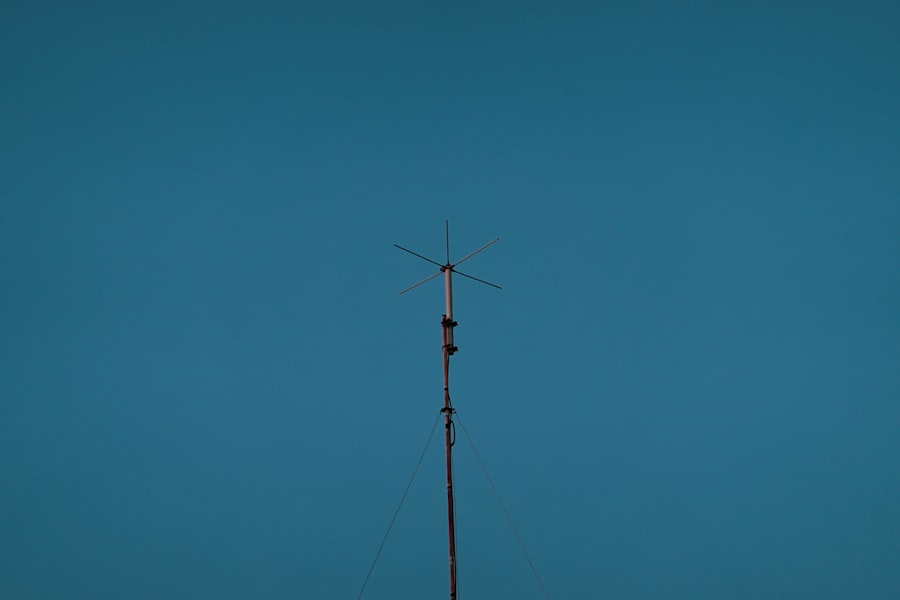
The South Atlantic presents a unique set of environmental and socio-economic factors that exacerbate the problem of HF radio interference. It is not simply a matter of universal interference sources; the region has its own peculiar amplifiers.
Geographical Isolation and Infrastructure Gaps
The vast distances, limited population centers, and challenging terrain of many South Atlantic territories create significant infrastructure gaps. This isolation, while historically a reason for HF’s importance, also means that less robust infrastructure for managing interference exists.
- Limited Land-Based Infrastructure: The paucity of extensive terrestrial communication networks means that HF remains the primary or only option for many remote communities and operations.
- Lack of Spectrum Monitoring and Enforcement: Many South Atlantic nations have limited resources for spectrum monitoring and enforcement, making it difficult to identify and address sources of interference. This leaves interference sources to operate unchecked, like unchecked weeds in a garden.
- Reliance on Outdated Equipment: In some instances, older or less sophisticated HF equipment may be in use, which can be more susceptible to interference and may also emit more spurious signals, contributing to the problem.
Solar and Geomagnetic Activity in the South Atlantic Anomaly
A particularly relevant phenomenon impacting HF radio in the South Atlantic is the South Atlantic Anomaly (SAA). This region is characterized by a significant dip in the Earth’s magnetic field, allowing a greater influx of charged particles from space to descend into the upper atmosphere.
- Increased Ionospheric Perturbations: The SAA leads to more frequent and intense ionospheric disturbances in the region, particularly at lower altitudes. These disturbances directly impact HF propagation.
- Impact on Satellite Communications: While not directly related to HF, the SAA also affects satellite communications, sometimes leading to a greater reliance on HF as a backup, thus increasing the traffic and potential for interference within the HF bands.
- Diurnal and Seasonal Variations: The intensity and geographic extent of the SAA can vary, making interference patterns in the South Atlantic complex and challenging to predict with certainty.
Increasing Maritime and Aviation Traffic
The South Atlantic is a crucial shipping lane and a route for increasing numbers of international flights. This surge in traffic directly translates to a greater number of active HF transmitters operating in the vicinity.
- Increased Shipping Activity: As global trade expands, so does the volume of maritime traffic through the South Atlantic, leading to a higher concentration of vessels using HF for communication.
- Growth in Air Traffic: The expansion of global aviation, particularly for long-haul routes, means more aircraft traversing the South Atlantic airspace, each potentially utilizing HF.
- Offshore Resource Exploration: The exploration and extraction of offshore oil, gas, and other resources in the South Atlantic also contribute to increased maritime and aviation activity, and the associated communication needs.
Mitigation Strategies and Future Outlook
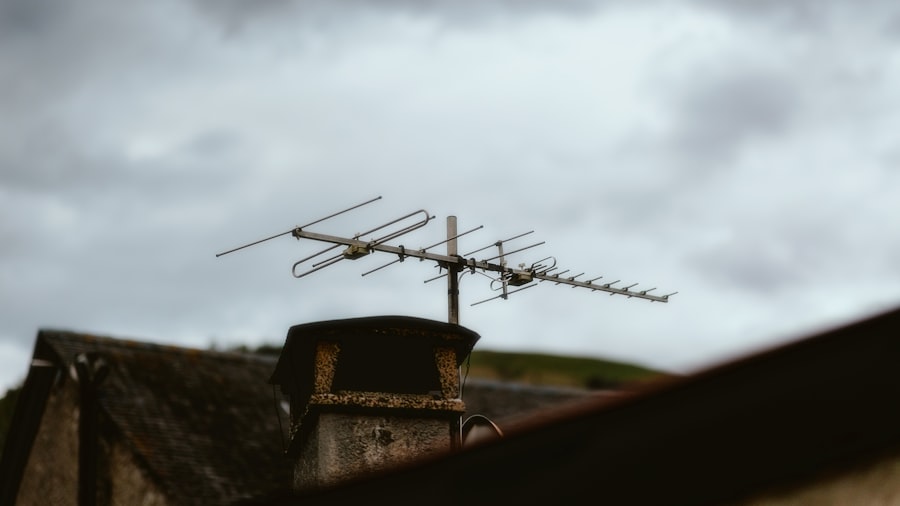
Addressing the growing concern of HF radio interference in the South Atlantic requires a multi-pronged approach involving technological advancements, international cooperation, and regulatory measures. Simply hoping for the problem to resolve itself is like expecting the tide to recede without any intervention.
Technological Solutions
The development and deployment of advanced technologies can significantly improve the resilience of HF communications against interference.
- Improved Transmitter and Receiver Filtering: Modern HF equipment incorporates sophisticated digital signal processing (DSP) techniques for filtering out unwanted signals and noise. Upgrading to newer, more capable equipment wherever possible is a crucial step.
- Adaptive Equalization and Noise Cancellation: Advanced algorithms can dynamically adapt to changing interference conditions, canceling out noise and equalizing signal distortions in real-time.
- Spread Spectrum Techniques: While more commonly associated with other radio bands, modifications of spread spectrum techniques could potentially be adapted for HF to make signals more robust against narrowband interference.
- Software-Defined Radio (SDR): SDR technology offers immense flexibility in signal processing and can be reprogrammed to adapt to new interference patterns or implement advanced mitigation techniques as they are developed.
Regulatory and Policy Measures
Effective regulation and policy are essential for managing the radio spectrum and ensuring its efficient use.
- Spectrum Management and Allocation: National and international bodies responsible for spectrum management must ensure fair and efficient allocation of HF frequencies, minimizing congestion and overlap.
- Enforcement of Regulations: Robust enforcement mechanisms are needed to identify and penalize users who are operating illegally, causing excessive interference, or violating transmission standards. This requires investment in monitoring equipment and trained personnel.
- International Cooperation and Information Sharing: Interference problems transcend national borders. International collaboration among regulatory bodies and users is essential for sharing information about interference sources and best practices for mitigation.
- Promoting Best Practices: Educating users about responsible HF operation, including proper equipment maintenance, antenna placement, and power usage, can significantly reduce unintentional interference.
Research and Development
Continued research into the complex behavior of the ionosphere and the sources of radio interference is vital for developing more effective solutions.
- Ionospheric Modeling and Prediction: Improved models for predicting ionospheric behavior, especially in the context of the SAA, can help users select optimal frequencies and times for transmission.
- Electromagnetic Compatibility (EMC) Studies: Further research into the electromagnetic emissions of various electronic devices and industrial equipment can inform the development of stricter standards and better shielding techniques.
- Development of Novel Interference Mitigation Techniques: Ongoing research into advanced signal processing and communication protocols specifically designed for challenging HF environments is crucial.
The future of HF radio in the South Atlantic hinges on a concerted and sustained effort to address the escalating interference problem. by leveraging technological innovation, fostering international collaboration, and implementing robust regulatory frameworks, it is possible to preserve the crucial role of HF communication in this vital region of the globe. The alternative, a deafening silence where vital voices once spoke, is a prospect that demands our immediate and serious attention. The challenge is significant, but the stakes – encompassing safety, scientific advancement, and operational security – are far too high to ignore.
FAQs
What is HF radio interference?
HF radio interference refers to the disruption or degradation of high-frequency radio signals, which can cause poor communication quality or loss of signal. This interference can be caused by natural phenomena, electronic devices, or atmospheric conditions.
Why is the South Atlantic region prone to HF radio interference?
The South Atlantic region is prone to HF radio interference due to its unique ionospheric conditions, geomagnetic anomalies, and increased solar activity effects. These factors can cause signal fading, noise, and disruptions in radio communications.
How does HF radio interference affect communication over the South Atlantic?
HF radio interference can lead to reduced signal clarity, increased noise, and intermittent or complete loss of communication. This impacts maritime, aviation, and military operations that rely on HF radio for long-distance communication across the South Atlantic.
What measures can be taken to mitigate HF radio interference in the South Atlantic?
Mitigation measures include using advanced signal processing techniques, frequency management, employing alternative communication methods like satellite systems, and monitoring solar and geomagnetic activity to predict and avoid interference periods.
Are there ongoing studies or monitoring efforts related to HF radio interference in the South Atlantic?
Yes, various scientific and governmental organizations conduct ongoing research and monitoring of ionospheric conditions and radio interference in the South Atlantic. These efforts aim to improve understanding, prediction, and management of HF radio interference in the region.