The exchange of freshwater resources across the Atlantic Ocean, a concept once confined to speculative discussions, is gradually becoming a tangible, albeit complex, reality. This article delves into the intricacies of transatlantic freshwater trade, examining its potential to balance global water supply and demand while navigating the multifaceted challenges inherent in such a monumental undertaking.
Understand that while oceans are vast bodies of salt water, and freshwater is a precious, finite resource on land, the proposition of moving this lifeblood across continents and oceans is not as far-fetched as it might initially appear. It represents a significant pivot in how humanity perceives and manages a fundamental element of survival.
The Unassailable Reality of Freshwater Depletion
The planet’s freshwater reserves, though seemingly abundant, are distributed unevenly and are under immense strain. A significant portion of Earth’s freshwater is locked away in glaciers and ice caps, leaving a relatively small percentage accessible for human consumption and use. This limited accessible supply is facing an unprecedented onslaught from a confluence of factors.
Population Growth: A Relentless Thirst
The exponential growth of the global population is perhaps the most significant driver of increased water demand. As more people inhabit the Earth, the need for drinking water, sanitation, agriculture, and industrial processes escalates proportionally. This relentless increase in thirst transforms once ample supplies into dwindling reserves, particularly in arid and semi-arid regions. Imagine a single jug of water being shared among an ever-expanding circle of people; eventually, the jug will run dry.
Agricultural Demands: The Water-Intensive Harvest
Agriculture accounts for the largest share of global freshwater consumption, often exceeding 70%. The intensification of food production to feed a burgeoning population, coupled with the cultivation of water-intensive crops in regions ill-suited for them, places enormous pressure on freshwater sources. Modern farming practices, while crucial for food security, are often highly water-dependent, transforming fields into thirsty landscapes that drain rivers and aquifers.
Industrialization and Urbanization: Thirsty Engines of Progress
The engines of industrialization and the sprawling metropolises of urbanization also present substantial water demands. Manufacturing processes, power generation, and the daily needs of a concentrated urban population all require significant volumes of clean water. As developing nations industrialize and urbanize rapidly, their water footprints expand, further exacerbating regional and global water stress. Cities, in essence, act as colossal sponges, absorbing vast quantities of water to sustain their complex ecosystems and economies.
Climate Change: The Unpredictable Shifing Sands
Climate change acts as a potent amplifier of existing water scarcity issues. Altered precipitation patterns, increased evaporation rates due to rising temperatures, and the melting of glaciers contribute to both droughts and floods, disrupting the predictable cycles upon which water management has historically relied. Regions that once had reliable rainfall now face prolonged dry spells, while others grapple with excessive water, often leading to infrastructure damage and loss of life. The delicate balance of the hydrological cycle is being thrown into disarray, making water management an increasingly perilous endeavor.
Regional Disparities: Pockets of Plenty and Deserts of Need
The uneven distribution of freshwater resources is a fundamental characteristic of our planet. While some regions boast abundant surface and groundwater, others are inherently dry, relying on imports or often unsustainable extraction methods. This stark regional disparity creates a perpetual imbalance, where areas of surplus can conceptually alleviate the shortages faced by areas of deficit.
Defining Water Stress and Scarcity
Water stress occurs when the demand for water exceeds the available supply. Water scarcity, a more severe condition, refers to a lack of sufficient available freshwater resources to meet a region’s demands. These conditions are not static; they can be exacerbated by economic development, population growth, and environmental degradation. Geographically, the Middle East, North Africa, parts of Asia, and the southwestern United States are frequently cited as regions experiencing significant water stress or scarcity.
The Economic and Social Repercussions of Scarcity
The consequences of water scarcity extend far beyond mere inconvenience. It can cripple agricultural output, leading to food insecurity and price volatility. It can hinder industrial development, impacting economic growth and job creation. Furthermore, water scarcity often fuels social unrest, migration, and even conflict, as communities and nations grapple for access to this indispensable resource. The social fabric of a region can unravel when the very element that sustains life becomes a source of contention.
The dynamics of freshwater import and export across the Atlantic boundary have significant implications for both environmental sustainability and international trade. A related article that delves into these complexities can be found at Freaky Science, where it discusses the challenges and opportunities presented by the growing demand for freshwater resources. This exploration highlights the importance of effective management strategies to ensure the equitable distribution of water resources between nations.
The Untapped Potential of Transatlantic Freshwater Transfer
The Geographic Advantage: Bridging the Ocean Divide
The sheer scale of the Atlantic Ocean, while a formidable barrier, also presents a unique opportunity. Vast quantities of freshwater exist in regions surrounding the Atlantic, particularly in areas with abundant rainfall and significant river systems. The concept of transatlantic freshwater trade hinges on leveraging these geographical advantages, transporting surplus water from water-rich continents to water-scarce ones.
Conceptualizing the Supply Chains: From Source to Tap
The proposed supply chain for transatlantic freshwater trade is conceptually straightforward but practically intricate. It involves abstracting water from sources such as major river systems or large lakes, purifying it to meet drinking water standards, and then transporting it across the ocean. The “how” of this transportation is where much of the innovation and challenge lies.
Icebergs as Natural Aquifers: A Frozen Frontier
One innovative, albeit nascent, concept involves the towing of large icebergs from polar regions to destinations in need. Icebergs, essentially colossal blocks of frozen freshwater, represent a significant untapped resource. While technologically challenging and potentially environmentally disruptive, the idea of harvesting these “frozen aquifers” for their pure water has been explored. This approach bypasses the need for extensive desalination and offers a potentially sustainable, albeit slow, method of transport.
Desalination on a Grand Scale: A Salty Solution
Another primary avenue for transatlantic freshwater transfer involves large-scale desalination. While desalination is currently energy-intensive and can have environmental impacts related to brine disposal, advancements in technology are making it increasingly viable. The idea is not necessarily to desalinate water in the deficit regions, but rather to establish massive desalination plants in water-rich coastal areas within proximity to the Atlantic, producing freshwater that can then be transported. This can be viewed as artificially creating freshwater reservoirs at the edge of the ocean, ready for export.
The Role of Desalinated Water: A Manufactured Abundance
Desalination, the process of removing salt and other minerals from seawater, has emerged as a crucial technology in addressing freshwater scarcity. While historically expensive and energy-intensive, technological advancements are steadily improving its efficiency and reducing its cost. The prospect of large-scale desalination plants strategically located along Atlantic coastlines could unlock a significant source of freshwater for export.
Membrane Technologies: The Filtering Frontiers
Current desalination primarily relies on two main technologies: reverse osmosis (RO) and thermal desalination. Reverse osmosis uses semipermeable membranes to separate salt from water under pressure, while thermal desalination involves heating water to create steam and then condensing it, leaving the salt behind. Ongoing research in membrane science aims to develop more durable, efficient, and cost-effective membranes, acting as the advanced sieves that purify the vast oceans.
Energy Efficiency and Brine Management: The Environmental Hurdles
The primary challenges with desalination remain its energy demands and the management of the concentrated brine byproduct. Significant investments in renewable energy sources to power desalination plants are crucial for mitigating their carbon footprint. Similarly, innovative approaches to brine disposal, such as dilution, evaporation ponds, or even beneficial reuse in industrial processes, are necessary to minimize environmental impact. The brine, often thicker than seawater, needs to be carefully managed, lest it create dead zones in marine ecosystems.
The Engineering and Infrastructure Conundrum
Transporting the Unseen: Pipelines, Ships, and Innovative Solutions
The sheer volume of water that would need to be transported across the Atlantic presents an engineering challenge of unprecedented scale. Unlike the relatively straightforward movement of goods or energy, transporting liquid freshwater in massive quantities requires entirely new paradigms in logistics and infrastructure.
Subsea Pipelines: The Veins of the Ocean Floor
The concept of laying colossal subsea pipelines from North America or Europe to supply water-scarce regions is a tantalizing but immensely complex proposition. Such an undertaking would involve traversing vast ocean depths, navigating seismic zones, and ensuring the structural integrity of pipelines that would be subject to immense pressure and corrosive environments. Imagine building a colossal artery beneath the waves, a lifeline connecting continents.
Material Science and Durability: Facing the Deep’s Embrace
The materials used for such pipelines would need to be exceptionally strong and resistant to corrosion from seawater. Advances in metallurgy and composite materials would be paramount. The constant pressure exerted by the ocean depths and the potential for seismic activity would require robust engineering and ongoing monitoring.
Installation and Maintenance: Navigating the Uncharted
The installation of such pipelines would be a monumental feat of engineering, requiring specialized vessels and techniques. Maintenance would also be a perpetual challenge, with the need for remote inspection and repair capabilities to address any potential breaches or damage.
Specialized Water Tankers: Floating Reservoirs
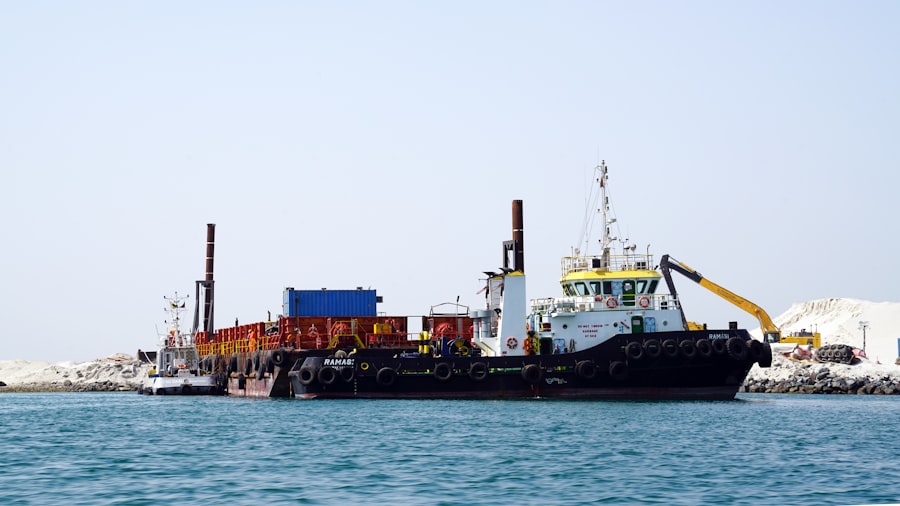
Another approach involves the development of specialized supertankers designed to carry vast quantities of freshwater. These vessels would be larger than typical oil tankers and would likely incorporate advanced systems for water purification, storage, and discharge. They would essentially be mobile, floating reservoirs, plying the ocean trade routes.
Capacity and Efficiency: The Scale of the Fleet
The number and capacity of these tankers would need to be immense to meet significant demand. Optimizing their routes, refueling strategies, and loading/unloading procedures would be critical for economic viability and operational efficiency.
Ballast Water Management and Environmental Concerns: Navigating a Delicate Balance
Careful consideration would need to be given to ballast water management to prevent the introduction of invasive species. Environmental impact assessments would be crucial, particularly concerning the potential for spills and the energy consumption of the fleet.
The Potential for Iceberg Towing: A Frozen Fleet
As mentioned earlier, the towing of icebergs offers a more unconventional but potentially significant method of transport. This would require specialized tugs and robust towing systems to maneuver these massive frozen entities across the ocean.
Navigational Challenges and Iceberg Stability: Against the Currents
Navigating icebergs across the Atlantic presents significant navigational hazards. Ensuring the stability of the towed icebergs would also be crucial to prevent fragmentation and loss of water during transit. The sheer scale and unpredictability of these frozen giants would require constant vigilance and expert handling.
Environmental Impacts of Iceberg Harvesting: A Delicate Ecosystem
The environmental impacts of harvesting icebergs, including potential changes to ocean currents and marine ecosystems, would need to be thoroughly studied and mitigated.
Economic Viability and Resource Allocation
The Cost of Water: A Price on Life’s Essential
The economics of transatlantic freshwater trade are undeniably complex. The immense capital investment required for infrastructure development, combined with the ongoing operational costs of water abstraction, desalination, purification, and transportation, would inevitably result in a high per-unit cost of water. This raises crucial questions about affordability and equity.
Comparing Transatlantic Trade to Local Solutions: A Cost-Benefit Analysis
The cost of importing freshwater must be weighed against the costs of alternative solutions in water-scarce regions. These alternatives could include investments in water conservation technologies, improved agricultural efficiency, rainwater harvesting, enhanced wastewater recycling, and local desalination. In many cases, these “on-site” solutions might prove more cost-effective in the long run, especially for smaller-scale needs. The fundamental question becomes: is it more economical to build a vast ocean-crossing pipeline or to meticulously conserve and optimize the water already within a region?
The Role of Government Subsidies and International Agreements: A Shared Responsibility
Given the essential nature of water, it is unlikely that purely market-driven pricing would be sustainable or equitable for basic human needs. Government subsidies, international aid, and carefully negotiated trade agreements would likely be necessary to ensure that essential freshwater supplies are accessible to all, regardless of their ability to pay the full economic cost. This is not merely a commercial transaction; it carries profound social and ethical dimensions.
Water as a Commodity: Ethical and Geopolitical Considerations
The commodification of water on a global scale, particularly through intercontinental trade, carries significant ethical and geopolitical implications. Questions arise about who controls these vital resources, who benefits, and how to ensure equitable access for all.
The Risk of Water Colonialism: Power Dynamics in a Drying World
There is a valid concern that the ability to export freshwater could empower water-exporting nations and create a dependency in water-importing nations. This could lead to new forms of geopolitical leverage and potential exploitation, sometimes referred to as “water colonialism.” A nation’s access to this vital resource could become a bargaining chip in broader international relations, shifting power balances in unforeseen ways.
Ensuring Equitable Access: A Global Water Governance Challenge
Establishing robust international governance frameworks for freshwater trade would be paramount. These frameworks would need to address issues of pricing, allocation, quality standards, environmental protection, and dispute resolution to ensure that freshwater trade benefits all parties involved and does not exacerbate existing inequalities. This requires a delicate dance of diplomacy and foresight.
The dynamics of freshwater import and export across the Atlantic boundary have significant implications for both environmental sustainability and international trade. A recent article discusses the various challenges and opportunities that arise from this complex issue, highlighting the need for innovative solutions to manage water resources effectively. For more insights on this topic, you can read the article here: freshwater trade. Understanding these factors is crucial as nations navigate the delicate balance between economic growth and ecological preservation.
Sustainability and Environmental Stewardship
| Year | Region | Freshwater Import (million m³) | Freshwater Export (million m³) | Net Freshwater Flow (million m³) | Primary Source/Destination |
|---|---|---|---|---|---|
| 2020 | North America (Atlantic Coast) | 150 | 120 | +30 | Caribbean Islands |
| 2020 | Europe (Atlantic Coast) | 200 | 250 | -50 | West Africa |
| 2020 | West Africa (Atlantic Coast) | 180 | 100 | +80 | Europe |
| 2021 | North America (Atlantic Coast) | 160 | 130 | +30 | Caribbean Islands |
| 2021 | Europe (Atlantic Coast) | 210 | 260 | -50 | West Africa |
| 2021 | West Africa (Atlantic Coast) | 190 | 110 | +80 | Europe |
The Ecological Footprint of Water Transport: Beyond the Pipeline
The environmental implications of large-scale transatlantic freshwater trade are significant and require careful consideration. The energy required for desalination and pumping, the potential for habitat disruption during infrastructure development, and the management of waste products all contribute to the overall ecological footprint.
Energy Consumption: Powering the Thirst
The significant energy requirements for desalination, pumping, and transportation are a major concern. Reliance on fossil fuels for these processes would negate many of the potential benefits and contribute to climate change. A sustainable model would necessitate a strong dependency on renewable energy sources, such as solar, wind, and tidal power, to minimize the carbon footprint.
Habitat Disruption and Marine Ecosystems: Navigating the Delicate Balance
The construction of subsea pipelines or large port facilities for water tankers could lead to significant habitat disruption in coastal and marine environments. Furthermore, the discharge of brine from desalination plants, if not managed effectively, can harm marine life. Careful environmental impact assessments and stringent mitigation measures are essential to protect these sensitive ecosystems.
The Imperative of Water Conservation and Efficiency: The First Line of Defense
While the prospect of transatlantic freshwater trade offers a potential solution to scarcity, it is crucial to emphasize that it should not be viewed as a substitute for aggressive water conservation and efficiency measures in all regions. In fact, the pursuit of such a grand scheme should ideally be coupled with even more fervent efforts to reduce demand and optimize existing water use.
Technological Innovations in Water Use: Doing More with Less
Investing in and implementing water-efficient technologies across all sectors – agriculture, industry, and households – is paramount. This includes drip irrigation in agriculture, water-recycling systems in industries, and low-flow fixtures in homes. The goal is to squeeze every drop of utility from the water we already have.
Policy and Behavioral Changes: Shifting the Water Culture
Beyond technology, effective water management requires robust policy frameworks that incentivize water conservation and penalize waste. Public awareness campaigns and educational initiatives are also crucial for fostering a culture of responsible water use. A shift in collective mindset, where water is valued as the precious resource it is, is as vital as any engineering solution.
The journey of transatlantic freshwater trade is in its nascent stages. It is a bold vision, fraught with formidable challenges, but one that could, with careful planning and responsible execution, offer a vital counterpoint to the growing imbalance of global water supply and demand. It demands a confluence of innovation, financial investment, political will, and, most importantly, a profound commitment to environmental stewardship. The successful navigation of this complex endeavor will ultimately hinge on our ability to balance the practicalities of engineering and economics with the ethical imperative of ensuring access to life’s most fundamental resource for all.
FAQs
What is freshwater import and export across the Atlantic boundary?
Freshwater import and export across the Atlantic boundary refers to the movement of freshwater resources, such as rivers, groundwater, and precipitation, between countries and regions bordering the Atlantic Ocean. This can involve natural water flow, as well as human activities like water trade, desalination, and water management projects.
Why is freshwater import and export important for countries bordering the Atlantic?
Freshwater import and export is crucial for these countries because it helps address water scarcity, supports agriculture, industry, and domestic use, and maintains ecological balance. Managing freshwater resources across the Atlantic boundary ensures sustainable water availability and helps mitigate the impacts of climate change and population growth.
What are the main sources of freshwater in the Atlantic boundary region?
The main sources of freshwater in the Atlantic boundary region include rivers that flow into the Atlantic Ocean (such as the Amazon, Congo, and Mississippi Rivers), rainfall, groundwater aquifers, and glacial meltwater. These sources vary widely depending on geographic location and climate.
How do countries manage freshwater resources across the Atlantic boundary?
Countries manage freshwater resources through international agreements, water-sharing treaties, joint management commissions, and infrastructure projects like dams and reservoirs. Cooperation is essential to ensure equitable distribution, prevent conflicts, and protect ecosystems that depend on freshwater.
What challenges affect freshwater import and export across the Atlantic boundary?
Challenges include climate change impacts such as altered rainfall patterns and droughts, pollution, over-extraction of water resources, political disputes over water rights, and the complexity of coordinating policies among multiple countries. These factors can hinder sustainable freshwater management across the Atlantic boundary.