
Your journey through life is a navigation of often turbulent waters. Resilience, the capacity to bounce back from adversity, is not an innate gift bestowed upon a select few, but rather a developed skill, a vital tool in your arsenal for weathering these storms. One of the most potent, yet frequently underestimated, of these resilience-building strategies is the deliberate pursuit of truth.
At its core, resilience is about adaptation. To adapt effectively, you must first understand the landscape you are navigating. This means confronting situations, challenges, and even your own internal landscape with an unwavering commitment to discerning what is real, rather than what you wish to be real or what you fear to be real. Think of your understanding of reality as the bedrock upon which your resilience is built. If the foundation is made of sand, any significant tremor will cause your structure to crumble. Truth, in this context, is the solid rock.
Defining “Truth” in a Pragmatic Sense
When we speak of “truth” as a resilience strategy, we are not necessarily delving into philosophical debates about absolute, objective truth. Instead, we are focusing on a pragmatic truth: the most accurate and verifiable understanding of a situation, event, or yourself that is available to you at a given time. This involves gathering information, analyzing it critically, and attempting to form conclusions based on evidence and logic. It is the difference between believing a rumor that a bridge is out and verifying the information through official channels or direct observation.
The Dangers of Delusion and Wishful Thinking
Operating on assumptions, unfounded beliefs, or outright delusions leaves you vulnerable. Imagine trying to steer a ship through fog with no compass. Wishful thinking, while sometimes a comforting balm, can be the most insidious form of self-deception. It allows you to gloss over dangerous realities, delaying necessary action and potentially exacerbating problems. This can manifest in various ways, from downplaying the severity of a health issue to ignoring warning signs in a failing relationship or a declining business.
Cultivating a Detective’s Mindset
To embrace truth-seeking, you must cultivate a mindset akin to that of a seasoned detective. This involves:
Curiosity: Actively wanting to know why things are happening.
Skepticism (Healthy, Not Cynical): Questioning information, not to dismiss it outright, but to understand its origin, its bias, and its validity.
Objectivity: Striving to remove personal biases and emotional attachments from your assessment of information. This is a continuous practice, not a static state.
Evidence-Based Reasoning: Prioritizing information that can be corroborated, verified, or demonstrated. Anecdotal evidence can be a starting point, but should not be the sole basis for conclusions.
Truth seeking can be an essential resilience strategy, helping individuals navigate challenges by fostering a deeper understanding of their circumstances. A related article that explores this concept in greater detail is available at Freaky Science, which discusses the psychological benefits of seeking truth and how it can empower individuals to cope with adversity. For more insights, you can read the article here: Freaky Science.
Truth as a Compass: Guiding Your Decisions
Once you begin to build a more robust foundation of truth, you can enlist it as your steadfast compass, guiding your decisions and actions. When faced with choices, particularly those with significant consequences, a clear understanding of the truth steers you away from the shoals of poor judgment and towards the harbor of effective solutions.
Navigating Uncertainty with Clarity
Life is inherently uncertain. However, the perception of uncertainty can be amplified or mitigated by the degree to which you understand the underlying realities. For instance, in a volatile market, instead of fearing the unknown, a truth-seeker will dedicate themselves to understanding market trends, economic indicators, and the specific factors affecting their investments. This knowledge, however imperfect, provides a degree of control and informs strategic decisions, transforming crippling anxiety into calculated risk management.
Identifying Root Causes, Not Just Symptoms
Adversity often presents itself as a series of symptoms. A superficial approach might focus on treating these symptoms, providing temporary relief but failing to address the underlying disease. The truth-seeker, however, digs deeper. They ask: What is the root cause of this problem? Acknowledging the truth about a recurring project failure might involve admitting to poor planning, inadequate resources, or ineffective leadership, rather than simply blaming external factors. This honest self-assessment is crucial for implementing lasting change.
Making Informed Choices: The Power of Data
In the modern age, you are bombarded with information. Truth-seeking involves the critical evaluation of this data. This means understanding:
Source Credibility: Is the information coming from a reputable source with a track record of accuracy, or is it from an anonymous forum designed to spread misinformation?
Bias Detection: Does the source have an agenda that might color its presentation of facts?
Logical Fallacies: Are there errors in reasoning that undermine the conclusions being presented?
Confirmation Bias: Are you selectively seeking out information that confirms your existing beliefs, or are you open to information that challenges them?
By employing these critical filters, you can transform a cacophony of noise into actionable intelligence, enabling you to make choices that align with reality, not with wishful thinking.
Truth as Armor: Protecting Your Mental Fortitude

Your mental and emotional well-being are significant components of your overall resilience. Deliberately seeking and accepting truth acts as a form of armor, shielding you from the corrosive effects of deception, both from external forces and from your own internal narratives.
The Psychological Cost of Deception
Living in a state of denial or delusion takes a significant psychological toll. It requires constant effort to maintain these false realities, leading to internalized stress, anxiety, and a disconnect from genuine emotional expression. When you are constantly bracing for a reality that you’ve manufactured, you are exhausting your internal resources. The truth, even when difficult, offers a form of liberation. It frees up mental energy previously consumed by maintaining illusions.
Building Resilience Against Manipulation
In a world where misinformation campaigns and persuasive (but misleading) rhetoric are commonplace, the ability to discern truth is a vital defense. By understanding how to identify propaganda, logical fallacies, and emotional appeals designed to bypass rational thought, you become less susceptible to manipulation. This protects your decision-making processes and prevents you from being steered down paths that are not in your best interest.
The Strength in Self-Awareness
A core aspect of truth-seeking is honest self-reflection. This means confronting your own limitations, your past mistakes, and your unhelpful patterns of behavior. While this can be uncomfortable, it is an essential step towards personal growth and resilience. Accepting the truth about your own shortcomings allows you to work on them, rather than being perpetually hampered by them. This is not about self-flagellation, but about a clear-eyed assessment that fuels positive change.
Truth as a Catalyst for Growth: Evolving Through Understanding
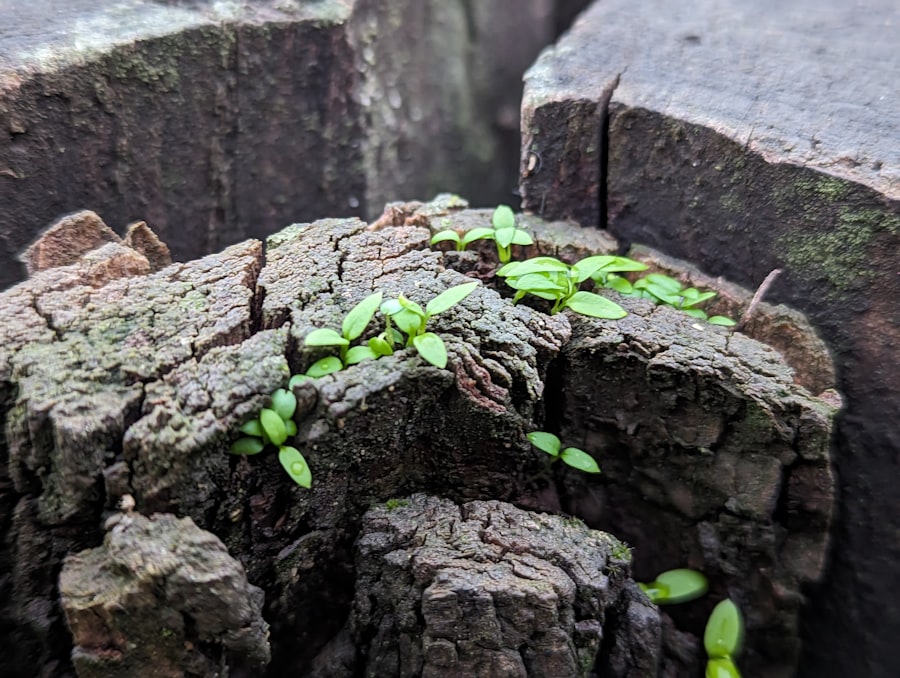
Far from being a rigid or sterile pursuit, the commitment to truth is a powerful catalyst for personal evolution. It is through understanding the realities of a situation that you gain the insights needed to learn, adapt, and ultimately, to grow stronger.
The Learning Curve of Reality
Every challenge, every setback, presents an opportunity for learning. However, this learning is maximized only when you confront the truth of what transpired. If you fail to acknowledge why a venture collapsed, you are condemned to repeat the same mistakes. The truth of the failure becomes your curriculum, providing the lessons needed to build a more successful future. This is akin to a doctor studying a patient’s case history to understand the disease and plan effective treatment.
Embracing Imperfection and Embracing Progress
The pursuit of truth reveals that perfection is often an illusion. Accepting the imperfect nature of yourself, others, and situations is a crucial element of resilience. Instead of striving for an unattainable ideal, you can focus on making tangible progress. This means acknowledging where you are, understanding the honest assessment of your current capabilities, and then charting a realistic path forward. Progress, measured against the true state of things, is far more motivating and sustainable than a fruitless chase after an imagined perfection.
The Power of Realistic Goals
When you base your goals on a truthful assessment of your resources, your capabilities, and the external environment, you are far more likely to achieve them. Unrealistic goals, born from wishful thinking or a distorted perception of reality, are a recipe for disappointment and demotivation. Truth-seeking empowers you to set achievable benchmarks, each success building your confidence and further solidifying your resilience.
Truth seeking can be an essential resilience strategy, helping individuals navigate through challenges by fostering a deeper understanding of their circumstances. By embracing honesty and seeking out factual information, people can build a stronger foundation for coping with adversity. For further insights on this topic, you might find the article on resilience strategies particularly enlightening, as it explores various approaches to enhancing mental fortitude. You can read more about it here.
Implementing Truth-Seeking as a Daily Practice
| Metric | Description | Measurement Method | Example Data |
|---|---|---|---|
| Information Accuracy | Degree to which information is verified and factual | Percentage of verified facts in communication | 95% |
| Transparency Level | Openness in sharing information and decision-making processes | Survey score on transparency (scale 1-10) | 8.5 |
| Critical Thinking Engagement | Frequency of questioning and evaluating information critically | Number of critical discussions per week | 12 |
| Resilience Index | Overall ability to adapt and recover from challenges | Composite score from psychological and behavioral assessments | 78/100 |
| Trust in Sources | Level of trust in information sources used for truth seeking | Survey trust rating (scale 1-5) | 4.2 |
| Response Time to Misinformation | Speed at which false information is identified and corrected | Average hours to correction | 3 hours |
To truly harness the power of truth-seeking as a resilience strategy, it must become an ingrained habit, a constant undercurrent in your daily life. It is not a tool to be deployed only in times of crisis, but a consistent philosophy of engagement with the world.
Developing Habits of Inquiry
Make asking questions a natural part of your interactions and your internal processing. When presented with information, don’t just passively receive it. Instead, engage in a process of inquiry:
“How do you know that?”
“Where did this information come from?”
“What evidence supports this claim?”
“Are there alternative explanations?”
This habitual questioning trains your mind to actively seek out the truth, rather than accepting claims at face value.
The Role of Journaling and Reflection
Regularly dedicating time to journaling and personal reflection can be instrumental in your truth-seeking journey. This practice allows you to:
Document your observations and thoughts.
Analyze your reactions to events.
Identify patterns in your thinking and behavior.
Confront your own biases and assumptions.
Writing down your thoughts forces you to articulate them, often revealing inconsistencies or unexamined beliefs. It acts as a mirror, allowing you to see your own internal landscape more clearly.
Seeking Diverse Perspectives
Truth is rarely found in an echo chamber. Actively seeking out perspectives that differ from your own, even those that initially feel challenging, is crucial. Engaging with individuals who hold contrasting viewpoints, reading from diverse sources, and being open to constructive criticism all contribute to a more comprehensive and accurate understanding of reality. This broadens your horizons and helps you to identify blind spots you might otherwise miss.
Embracing the Courage to Know
Ultimately, the pursuit of truth requires a significant degree of courage. It means being willing to confront realities that are uncomfortable, inconvenient, or even painful. It means being prepared to jettison cherished beliefs that are not supported by evidence. But in doing so, you are not weakening yourself; you are forging an unbreakable bond with accuracy and equipping yourself with the most powerful and sustainable strategy for navigating the complexities of life: the unwavering commitment to knowing what is real. This commitment is your strongest shield, your most reliable compass, and your most potent engine for growth.

WATCH NOW ▶️ SHOCKING: The Universe Has Hit Its Compute Limit
FAQs
What is truth seeking as a resilience strategy?
Truth seeking as a resilience strategy involves actively pursuing accurate information and understanding in order to effectively cope with challenges and adversity. It helps individuals and organizations build strength by confronting reality honestly and making informed decisions.
How does truth seeking contribute to resilience?
Truth seeking enhances resilience by promoting clarity, reducing uncertainty, and enabling adaptive responses. When people seek the truth, they can better assess risks, learn from experiences, and develop strategies that are grounded in reality, which supports recovery and growth after setbacks.
Can truth seeking help in personal resilience?
Yes, truth seeking can improve personal resilience by encouraging self-awareness and acceptance of difficult truths. This process allows individuals to address problems directly, avoid denial, and cultivate a mindset that embraces learning and adaptation.
Is truth seeking important for organizational resilience?
Absolutely. Organizations that prioritize truth seeking foster transparent communication, identify challenges early, and make data-driven decisions. This approach helps organizations adapt to changing environments, recover from crises, and maintain long-term stability.
What are common methods used in truth seeking for resilience?
Common methods include gathering reliable data, engaging in open dialogue, critical thinking, reflective practices, and seeking diverse perspectives. These techniques help ensure that conclusions are well-founded and that responses to adversity are effective and sustainable.