
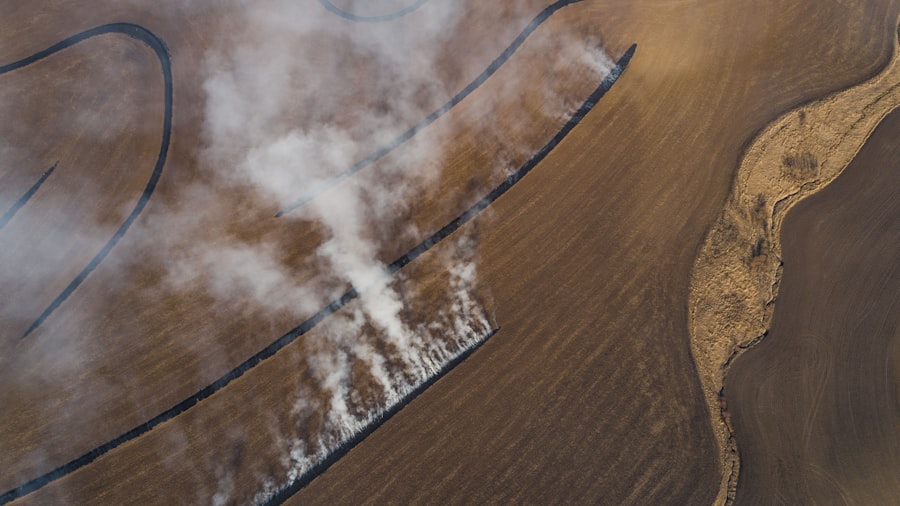
The intricate relationship between fire, ecosystems, and the atmosphere, particularly concerning oxygen dynamics, constitutes a significant field of study known as pyro ecology. This discipline investigates how fire, as a natural and increasingly managed ecological process, influences biodiversity, nutrient cycling, and atmospheric composition. A core aspect of contemporary pyro ecology involves the practice of prescribed burns, also known as controlled burns, which are intentionally set fires used to manage land and mitigate the risks of uncontrolled wildfires. Understanding the oxygen consumption and production associated with these practices is crucial for comprehending their broader ecological impact.
Combustion, the fundamental process driving all fires, is a chemical reaction involving a fuel and an oxidant, typically atmospheric oxygen, accompanied by the rapid release of heat, light, and various combustion products. This exothermic reaction, at its most basic, can be represented by a simplified chemical equation. When organic matter, such as wood, leaves, or grasses, burns, its complex hydrocarbons react with oxygen.
Stoichiometry of Burning Biomass
The complete combustion of a simple organic molecule like glucose (C₆H₁₂O₆), often used as a proxy for biomass, can be represented as:
C₆H₁₂O₆ + 6O₂ → 6CO₂ + 6H₂O + Energy
This equation illuminates a critical point: for every molecule of glucose consumed, six molecules of oxygen are required. During a wildfire or a prescribed burn, a vast quantity of biomass undergoes this or similar reactions, leading to substantial oxygen consumption from the atmosphere. The actual stoichiometry in a real-world fire is far more complex, involving thousands of different organic compounds and often resulting in incomplete combustion, which produces carbon monoxide (CO), methane (CH₄), and other volatile organic compounds (VOCs) in addition to carbon dioxide (CO₂) and water (H₂O).
Factors Influencing Oxygen Consumption Rates
The rate at which oxygen is consumed during a fire is not constant; it is influenced by several key factors. The intensity of the fire, the type and quantity of fuel available, and atmospheric conditions all play a role. A rapidly spreading, intense fire, for instance, consumes oxygen at a much faster rate than a slow, smoldering burn.
Fuel Load and Type
The amount of combustible material per unit area, known as the fuel load, directly correlates with the total oxygen demand. Forests with heavy fuel loads, accumulated over decades of fire suppression, will require more oxygen to burn and, consequently, release more emissions. Furthermore, the type of fuel matters; dry, fine fuels like grasses and small twigs ignite and burn more readily and efficiently than large, moist logs, thus influencing the rate of oxygen consumption.
Fire Intensity and Spread Rate
A roaring crown fire, where flames consume the tree canopy, draws in vast amounts of oxygen to sustain its high-temperature combustion. Conversely, a low-severity surface fire, creeping along the forest floor, has a lower oxygen demand per unit of time. The rate at which a fire spreads also dictates the speed at which fresh oxygen is brought into contact with the burning frontline.
Atmospheric Oxygen Concentration
While atmospheric oxygen concentrations are remarkably stable at approximately 21% of the total atmospheric volume, localized reductions can occur within the immediate vicinity of an intense fire. However, these localized depletions are quickly replenished by the vast reservoir of oxygen in the broader atmosphere, a phenomenon analogous to a small siphon drawing from an enormous pool.
Pyroecology, particularly the practice of prescribed burns, plays a crucial role in maintaining healthy ecosystems by managing vegetation and promoting biodiversity. An insightful article that delves into the benefits of prescribed burns and their impact on oxygen levels in the atmosphere can be found at Freaky Science. This resource provides a comprehensive overview of how controlled fires can enhance soil health and contribute to a balanced ecosystem, ultimately supporting the delicate interplay between fire, flora, and oxygen production.
Oxygen Production: The Counterbalance of Photosynthesis
While fires undeniably consume oxygen, the long-term ecological balance is maintained through the process of photosynthesis, primarily carried out by plants. Photosynthesis is the anabolic process that forms the foundation of most terrestrial and aquatic food webs.
The Photosynthesis Equation
The basic equation for photosynthesis is essentially the reverse of respiration (and complete combustion):
6CO₂ + 6H₂O + Energy (sunlight) → C₆H₁₂O₆ + 6O₂
This equation highlights that for every molecule of carbon dioxide absorbed and sugar produced, a molecule of oxygen is released into the atmosphere. Forests, grasslands, and other vegetated ecosystems are, in effect, immense oxygen factories, constantly replenishing the atmospheric supply.
Post-Fire Vegetation Regeneration
Following a fire, provided the ecosystem is resilient, vegetation begins to regenerate. This regrowth, whether through dormant seeds, resprouting, or colonization by new species, initiates a period of renewed photosynthetic activity. A key aspect of pyro ecology involves understanding the trajectory of post-fire recovery and its implications for oxygen production.
Successional Dynamics
Ecosystems undergo a process of ecological succession after disturbance, including fire. Pioneer species, often fast-growing and light-demanding, quickly colonize burned areas, initiating the recovery of photosynthetic capacity. As succession progresses, more complex and mature plant communities develop, contributing to continuous oxygen production.
Carbon Sequestration and Oxygen Release
The growth of new biomass after a fire leads to carbon sequestration, where atmospheric carbon dioxide is absorbed and stored in plant tissues. This process is inextricably linked to oxygen release. Therefore, while a fire represents an immediate pulse of oxygen consumption and carbon emission, the subsequent ecological recovery facilitates a long-term drawdown of carbon dioxide and a renewed output of oxygen.
Prescribed Burns and Oxygen Dynamics
Prescribed burns are a deliberate intervention designed to mimic natural fire regimes and achieve specific land management objectives. Their impact on oxygen dynamics needs to be considered within the context of these objectives and the broader ecological landscape.
Mitigating Wildfire Oxygen Demand
One of the primary goals of prescribed burning is to reduce the accumulation of fuel, thereby decreasing the potential intensity and spread of future uncontrolled wildfires. By periodically removing excess biomass, controlled burns diminish the total oxygen demand that would be present should a severe wildfire ignite. Imagine a massive fuel load as a highly oxygen-intensive “meal” waiting to be consumed by an uncontrolled wildfire. Prescribed burns, in this analogy, are smaller, controlled “snacks” that reduce the size of that potential meal.
Reducing Fuel Loads
Lower fuel loads mean that any subsequent fire, whether a prescribed burn or an unplanned wildfire, will burn with lower intensity, consume less fuel per unit area, and consequently utilize less oxygen over a given period. This reduction in the potential “oxygen appetite” of the landscape is a significant benefit.
Altering Fire Behavior
Fires in areas with reduced fuel loads are typically less severe, burn at lower temperatures, and spread more slowly. This translates to a more gradual consumption of oxygen and a reduced risk of extreme atmospheric oxygen depletion in localized burn areas, though as established, broad atmospheric oxygen levels remain buffered.
Long-Term Net Oxygen Balance
The short-term oxygen consumption during a prescribed burn must be weighed against the long-term consequences of not burning. Uncontrolled, high-severity wildfires can decimate large areas, leading to prolonged periods of reduced photosynthetic activity as ecosystems struggle to recover.
Preventing Catastrophic Fire
By preventing catastrophic wildfires, prescribed burning indirectly supports a more stable and productive ecosystem over the long term, thereby safeguarding its oxygen-producing capacity. A healthy, resilient forest, accustomed to periodic low-intensity fires, will continue to photosynthesize and release oxygen for generations.
Promoting Ecosystem Resilience
Regular prescribed burning can foster ecosystem resilience. Fire-adapted species may benefit from the nutrient cycling and reduced competition that fire provides, leading to more vigorous growth and hence, greater oxygen production in the long run.
Atmospheric Implications and Global Context
While the localized oxygen dynamics around a fire are important for understanding immediate effects, the broader atmospheric implications, particularly at global scales, show a different picture.
Localized Oxygen Depletion
Within the immediate flame front of an intense fire, oxygen concentrations can indeed drop. This is a recognized hazard for firefighters and other personnel working in close proximity to actively burning areas. However, the atmosphere’s sheer volume and constant mixing mechanisms ensure that these localized depletions have a negligible impact on regional or global atmospheric oxygen levels. To draw a parallel, consider dropping a single pebble into the ocean; the local displacement of water is immediate, but its effect on general sea levels is imperceptible.
Smoke and Respiratory Health
The primary atmospheric concern associated with fires, both prescribed and wild, is not oxygen depletion but rather the production of smoke and particulate matter. These pollutants can significantly degrade air quality, posing risks to human respiratory health, and contributing to regional hazes, but they do not fundamentally alter atmospheric oxygen concentrations.
Global Atmospheric Oxygen Stability
The Earth’s atmosphere contains an immense reservoir of oxygen, approximately 1.2 x 10^15 tons. Changes in atmospheric oxygen levels on a global scale occur over geological timescales, driven by processes like the burial of organic carbon and the resulting imbalances between photosynthesis and respiration/combustion that persist for millions of years.
The Role of Oceanic Photosynthesis
It is important to remember that a significant portion of the Earth’s oxygen production comes from oceanic phytoplankton. These microscopic organisms perform vast amounts of photosynthesis, contributing substantially to global atmospheric oxygen levels. The oxygen dynamics on land, while regionally significant, are part of a much larger planetary system.
No Measurable Impact on Global Oxygen
Even the largest wildfires, which consume vast quantities of biomass and release immense amounts of carbon dioxide, do not measurably alter global atmospheric oxygen concentrations. Science has consistently shown that the amount of oxygen consumed during global fire events is dwarfed by the planet’s vast oxygen reservoir and continuous photosynthetic replenishment.
In the study of pyroecology, prescribed burns play a crucial role in managing ecosystems and enhancing biodiversity. These controlled fires not only help in reducing the risk of larger wildfires but also contribute to the cycling of nutrients and the release of oxygen into the atmosphere. For a deeper understanding of the science behind these practices, you can explore a related article that discusses the benefits and methodologies of prescribed burns in detail. Check it out here to learn more about how these techniques can positively impact our environment.
The Future of Pyro Ecology and Oxygen Management
| Metric | Value | Unit | Description |
|---|---|---|---|
| Oxygen Consumption Rate | 15 | kg O₂/ha/hr | Average oxygen consumed during prescribed burns per hectare per hour |
| Burn Area | 50 | hectares | Typical size of a prescribed burn area in pyro ecology studies |
| Duration of Burn | 3 | hours | Average duration of prescribed burns |
| Oxygen Depletion Percentage | 5 | % | Percentage decrease in ambient oxygen concentration during burn |
| CO₂ Emission | 120 | kg CO₂/ha | Carbon dioxide emitted per hectare during prescribed burns |
| Temperature Range | 300-600 | °C | Typical temperature range during prescribed burns |
| Oxygen Recovery Time | 2 | hours | Time taken for oxygen levels to return to normal post-burn |
As climate change intensifies and fire regimes become more extreme in many regions, the practice of prescribed burning is likely to grow in importance as a land management tool. Understanding and managing its oxygen-related impacts, as well as its broader ecological benefits, will be critical.
Adaptive Fire Management Strategies
Future pyro ecological practices will likely involve increasingly sophisticated adaptive management strategies. These strategies will leverage technological advancements in fire behavior modeling, atmospheric monitoring, and ecological response predictions to optimize prescribed burn prescriptions. The aim is to maximize ecological benefits while minimizing negative impacts, including the localized reduction of air quality during burns.
Climate Change Considerations
Climate change is altering vegetation distributions, fuel characteristics, and weather patterns, presenting new challenges for fire management. Prescribed burning strategies will need to evolve to remain effective in these changing conditions, potentially incorporating more frequent, smaller burns to adjust to faster fuel accumulation rates.
Research and Monitoring
Continued research into the precise stoichiometry of biomass combustion under varying conditions, combined with extensive monitoring of post-fire ecosystem recovery, will further refine our understanding of the oxygen balance. Such scientific endeavors provide the empirical data necessary to inform policy and best practices in fire management.
Remote Sensing and Modeling
Advances in remote sensing technologies, such as satellite imagery and airborne LiDAR, offer unprecedented capabilities for mapping fuel loads, monitoring fire spread, and assessing post-fire recovery. When integrated with sophisticated ecological models, these tools offer a clearer picture of the long-term oxygen implications of fire.
In conclusion, while all fires, including prescribed burns, are immediate consumers of atmospheric oxygen, the broader ecological and atmospheric context reveals a complex and resilient system. Prescribed burns, by reducing severe wildfire risk, ultimately contribute to a more stable oxygen supply by fostering healthier, more productive ecosystems capable of robust photosynthesis. The localized, transient oxygen consumption during these controlled events is a small price to pay for the long-term benefits of preventing catastrophic wildfires and maintaining the Earth’s vital oxygen balance. The reader should understand that the Earth’s atmosphere is not a fragile bubble on the brink of oxygen depletion due to fire; rather, it is a robust system where fire plays a significant, albeit sometimes destructive, role in the grand cycle of life and elemental exchange.
WATCH NOW ▶️ SHOCKING: Why Your Air Is Literally A Lie
FAQs
What is pyro ecology?
Pyro ecology is the study of the role fire plays in ecosystems, including how fire affects plant and animal communities, soil, and nutrient cycles. It examines natural fire regimes and how fire influences ecological processes.
What are prescribed burns in pyro ecology?
Prescribed burns, also known as controlled burns, are intentionally set and carefully managed fires used to mimic natural fire cycles. They help reduce excess vegetation, prevent larger wildfires, and promote ecosystem health by maintaining fire-adapted habitats.
How do prescribed burns affect oxygen levels?
During a prescribed burn, oxygen is consumed as fire combusts organic material. While the fire temporarily reduces oxygen locally, the overall impact on atmospheric oxygen is minimal. Prescribed burns help maintain ecosystem balance without significantly affecting global oxygen levels.
Why are prescribed burns important for ecosystem management?
Prescribed burns reduce fuel buildup, decrease the risk of severe wildfires, recycle nutrients into the soil, and support the regeneration of fire-adapted plant species. They help maintain biodiversity and ecosystem resilience.
Are prescribed burns safe for the environment and humans?
When properly planned and executed by trained professionals, prescribed burns are safe and beneficial. They are conducted under specific weather and environmental conditions to minimize risks to people, property, and wildlife while achieving ecological goals.