Introduction to the Issue
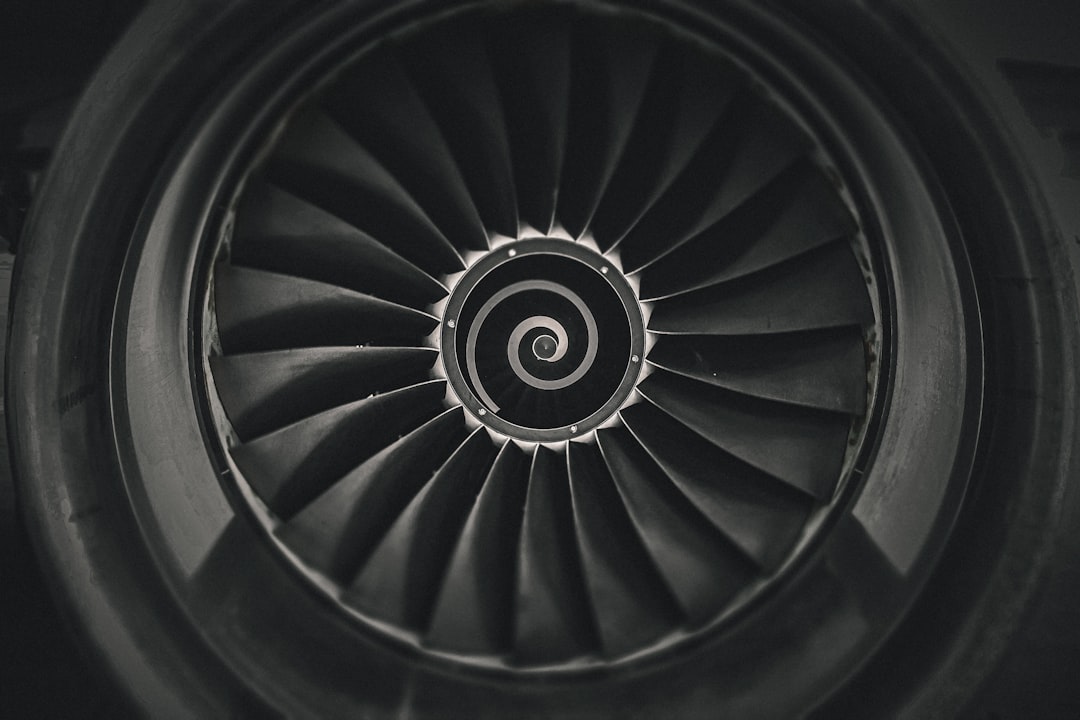
Aircraft engines, the magnificent hearts of aviation, must be capable of reliable ignition and relight under a wide range of demanding conditions. From the frigid altitudes of commercial flight to the dynamic maneuvers of military operations, the ability to restart an engine after it has been shut down, intentionally or unintentionally, is paramount to flight safety. While modern aviation technology has achieved remarkable levels of performance and reliability, a persistent challenge lurking in the shadows of maintenance records and operational reports is the phenomenon of “sluggish relight logs.” These logs, detailing instances where an engine exhibits a delayed or hesitant response during a relight attempt, are more than just statistical anomalies; they can be a canary in the coal mine, signaling a deeper underlying issue that, if left unaddressed, can compromise operational efficiency and, more critically, safety. This article will delve into the multifaceted nature of sluggish relight logs, exploring their causes, diagnostic pathways, and the strategies employed by the aviation industry to mitigate their impact.
In the aviation industry, the importance of meticulous maintenance logs cannot be overstated, especially when addressing issues like sluggish relight procedures. A related article that delves into the intricacies of aviation maintenance practices and their impact on flight safety can be found at Freaky Science. This resource provides valuable insights into how proper documentation and timely maintenance can prevent operational delays and enhance overall aircraft performance.
Understanding the Relight Process and its Nuances
The Physics and Engineering Behind Engine Ignition
An aircraft engine’s ignition sequence is a delicately choreographed ballet of fuel, air, and spark. At its core, it relies on the principle of combustion – the rapid chemical reaction between a fuel and an oxidant, releasing energy. In a jet engine, this process begins with the introduction of fuel into the combustion chamber. Simultaneously, a precisely metered flow of air, compressed by the engine’s compressor stages, mixes with this fuel. The critical component for initiating the reaction is the ignition system, typically an electrical spark igniter, which provides the initial energy to overcome the ignition threshold of the fuel-air mixture. Once combustion is established, the self-sustaining cycle of the engine takes over, with the hot expanding gases driving the turbine, which in turn powers the compressor, thus maintaining the continuous flow of fuel and air.
Factors Influencing Relight Success
The success of a relight is not a guaranteed outcome. It is a complex interplay of numerous variables, each with the potential to introduce friction into this meticulously engineered process.
Fuel Delivery and Atomization
The fuel delivered to the combustion chamber must be in a fine mist, or atomized, to facilitate efficient mixing with the air and subsequent combustion. If the fuel injectors are clogged, worn, or if the fuel pressure is inconsistent, the atomization process can be compromised, leading to a less potent fuel-air mixture. This can manifest as a weak or delayed ignition, similar to struggling to light damp kindling.
Airflow Dynamics and Compressor Efficiency
The compressor is responsible for increasing the pressure and temperature of the incoming air, a crucial step for efficient combustion. If the compressor blades are fouled, damaged, or if there are inefficiencies in the ducting, the airflow can be disrupted. This could result in insufficient air pressure or velocity reaching the combustion chamber, hindering the formation of an optimal fuel-air mixture. Imagine trying to fan a dying ember with a weak breath – the necessary oxygen isn’t reaching it effectively.
Ignition System Integrity
The ignition system itself must be in peak condition. This includes the igniter plugs, ignition coils, and the associated wiring. A weak spark, intermittent firing, or complete failure of the igniter can directly prevent or delay ignition. Age, contamination, or damage can all degrade the performance of these vital components.
Environmental Conditions
External factors play a significant role. At high altitudes, the air is thinner, requiring a more robust fuel-air mixture and a stronger ignition source to achieve combustion. Low temperatures can also impact fuel viscosity and the combustion process. Extreme turbulence or rapid changes in air density can temporarily disrupt airflow within the engine.
Engine Condition and Historical Performance
The overall health of the engine is a crucial determinant of relight performance. Wear and tear on internal components, such as turbine blades or seals, can lead to subtle shifts in airflow and combustion characteristics over time. An engine that has a history of minor performance degradation might exhibit a slower response during relight before other issues become more apparent.
The Root Causes of Sluggish Relights
When an engine coughs and sputters its way back to life, rather than roaring back with immediate authority, it is a clear signal that something is amiss. These “sluggish relight logs” are not random occurrences; they often point to specific, diagnosable issues within the engine’s intricate systems. Understanding these root causes is the first step towards effective maintenance and preventing more serious problems down the line.
Fuel System Anomalies
The fuel system is the lifeblood of the engine, and any interruption or degradation in its function can have a profound impact.
Clogged or Worn Fuel Nozzles
Fuel nozzles are responsible for atomizing the fuel into a fine spray. Over time, contaminants present in aviation fuel – such as varnish, particulate matter, or even microbial growth – can accumulate within these delicate nozzles. This buildup narrows the spray pattern and reduces the volume of fuel delivered, leading to a less combustible mixture. Think of a garden hose with a partially blocked nozzle; the water doesn’t spray as effectively, and the coverage is uneven. Similarly, clogged fuel nozzles prevent the optimal formation of a fuel-air mixture, a prerequisite for quick ignition. Worn nozzles can also lose their precise spray characteristics, leading to inconsistent fuel delivery.
Fuel Pump Performance Degradation
The fuel pump ensures that fuel is delivered to the engine at the correct pressure. As pumps age or if they are subjected to contaminants, their performance can degrade. This can result in reduced fuel flow or inconsistent pressure, particularly during the transient demands of a relight. If the fuel pump is struggling to keep up, it’s akin to trying to fill a bucket with a dribbling faucet – the required volume simply isn’t there when it’s needed most.
Fuel Control Unit (FCU) Issues
The Fuel Control Unit is the brain of the fuel system, precisely metering the amount of fuel delivered to the engine based on various inputs such as engine speed, altitude, and temperature. Malfunctions or uncalibrated settings within the FCU can lead to improper fuel scheduling during relight, resulting in too little fuel, too much fuel, or a delayed response in fuel delivery.
Airflow Obstructions and Compressor Issues
The engine’s ability to breathe is as crucial as its ability to be fed fuel. Any impediment to airflow can significantly impact relight performance.
Foreign Object Debris (FOD) Ingestion
The ingestion of Foreign Object Debris (FOD), such as birds, ice, tools, or even small stones, can cause physical damage to the compressor blades. Even minor nicks or bends in these blades can disrupt airflow patterns, reducing the compressor’s efficiency. This diminished efficiency means less compressed air is available for combustion, leading to a weaker mixture and a slower ignition. Imagine a fan with some of its blades bent out of shape; it won’t move as much air, and the breeze will be less forceful.
Compressor Fouling
Over time, microscopic particles, such as soot, carbon deposits from combustion, or even dirt and grime from runway operations, can accumulate on the compressor blades. This fouling smooths the blade surfaces and reduces their aerodynamic efficiency, similar to how a dirty window obscures your view. This buildup effectively chokes the engine’s airflow, impeding the necessary air intake for relight.
Stator Vane Misalignment
The stator vanes, which are fixed vanes located between compressor stages, direct the airflow onto the rotating blades. If these vanes become misaligned due to vibration, impact, or structural fatigue, they can disrupt the precise airflow path. This disruption can lead to increased turbulence, reduced pressure recovery, and inefficient compression, all of which negatively impact relight capabilities.
Ignition System Malfunctions
The spark that ignites the fuel-air mixture must be robust and reliable. Any issues with the ignition system will directly translate to relight problems.
Worn or Contaminated Igniter Plugs
Igniter plugs are essentially high-energy spark plugs designed for the extreme environment of a jet engine. Over time, the electrodes can erode, or they can become contaminated with carbon deposits or oil. This erosion or contamination reduces the intensity and consistency of the spark, making it harder to ignite the fuel-air mixture, especially under less-than-ideal conditions.
Ignition Exciter Unit Malfunctions
The ignition exciter unit is the component that generates the high-voltage pulse required to fire the igniter plugs. Electronic component failures, loose wiring, or degraded capacitors within the exciter can lead to intermittent or weakened sparks, directly impacting relight success.
Diagnostic Pathways and Troubleshooting Tools
When a sluggish relight log appears, maintenance personnel are faced with a diagnostic puzzle. They must systematically work through a series of potential causes, employing a variety of tools and techniques to pinpoint the root of the problem. This process is akin to a physician diagnosing an ailment; while symptoms might be apparent, the underlying cause requires careful investigation.
On-Aircraft Inspections and Testing
The initial steps in diagnosing a sluggish relight often involve direct observation and testing of the engine while it’s installed on the aircraft.
Visual Inspections
A thorough visual inspection can reveal obvious issues. Maintenance technicians will examine the fuel nozzles for any signs of clogging or damage. They will scrutinize the compressor blades for any evidence of FOD damage or excessive fouling. The condition of the igniter plugs is also a primary focus, looking for signs of wear, carbon buildup, or damage to the electrodes.
Engine Performance Monitoring Systems
Modern aircraft are equipped with sophisticated engine monitoring systems that collect vast amounts of data during flight. These systems can provide valuable insights into engine behavior, including parameters related to fuel flow, exhaust gas temperature (EGT), rotor speeds, and bleed air pressure. By analyzing trends and anomalies in this data leading up to and during relight attempts, technicians can often identify subtle deviations that might indicate an underlying problem.
Relight Procedure Testing
A controlled engine run on the ground, specifically to test the relight procedure, can be invaluable. This allows technicians to observe the engine’s response firsthand and compare it to expected performance parameters. They can monitor fuel flow, EGT rise, and spool-up times to identify any abnormalities.
Specialized Diagnostic Equipment and Software
Beyond visual inspections, a range of specialized tools and software are employed by maintenance organizations to delve deeper into engine diagnostics.
Fuel Flow and Pressure Testing Equipment
For assessing fuel system integrity, specialized equipment is used to measure fuel flow rates and pressures at various points within the system. This allows technicians to verify that the fuel is being delivered as per specifications and to detect any pressure drops that might indicate a blockage or pump issue.
borescope Inspection
The borescope is a flexible or rigid optical instrument with a light source and camera that can be inserted into internal engine cavities. This allows for detailed visual inspection of internal components, such as compressor and turbine blades, combustion liners, and exhaust areas, without major engine disassembly. It is a highly effective tool for identifying FOD damage, cracks, fouling, or other abnormalities that might not be visible from the outside.
Engine Diagnostic Software and Data Analysis
Aircraft manufacturers provide specialized software that interfaces with the aircraft’s engine control computers. This software can download detailed fault codes, engine operating history, and performance data. Advanced data analysis algorithms can then be used to identify patterns and correlations that might not be immediately apparent, helping to pinpoint the root cause of the sluggish relight.
Component-Level Bench Testing
In cases where on-aircraft diagnostics are inconclusive or point to a specific component, that component may be removed for further testing on a specialized test bench.
Fuel Nozzle Flow Testing
Individual fuel nozzles can be removed and tested on a flow bench to precisely measure their spray pattern and flow rate under various pressure conditions, ensuring they meet manufacturer specifications.
Ignition System Bench Testing
Ignition exciters, igniter plugs, and related wiring harnesses can be subjected to rigorous testing on specialized benches to verify their electrical output, spark intensity, and operational reliability under simulated flight conditions.
In the realm of aviation, the importance of meticulous maintenance logs cannot be overstated, especially when addressing issues like sluggish relight performance. A related article that delves deeper into the significance of accurate record-keeping and its impact on flight safety can be found here. By understanding the nuances of maintenance documentation, aviation professionals can enhance operational efficiency and ensure the reliability of aircraft systems. For more insights, you can explore the article at this link.
Mitigation Strategies and Preventative Maintenance
Addressing sluggish relight logs is not merely about reactive repair; it’s about implementing robust preventative maintenance strategies to ensure the long-term reliability and safety of aircraft engines. By focusing on proactive measures, the aviation industry can significantly reduce the incidence of these problematic logs and the potential associated risks.
Enhanced Maintenance Schedules and Procedures
The cornerstone of preventative maintenance lies in adhering to and, where necessary, enhancing established schedules and procedures.
Regular Boroscope Inspections
As highlighted in the diagnostic section, boroscope inspections are critical for early detection of internal issues. Implementing more frequent boroscope inspections, particularly after known periods of high operational stress or in environments known for higher FOD risk, can help identify compressor fouling or blade damage before it significantly impacts performance.
Fuel Nozzle Cleaning and Replacement Cycles
Establishing and strictly adhering to recommended intervals for fuel nozzle cleaning and replacement is vital. Proactive replacement of nozzles based on recommended service life, rather than waiting for evidence of performance degradation, can prevent the occurrence of sluggish relights caused by atomization issues.
Ignition System Component Checks
Regular checks of ignition system components, including igniter plug resistance and insulation, and exciter unit output testing, according to manufacturer recommendations, are crucial for ensuring a healthy spark is always available.
Technological Advancements in Engine Health Monitoring
The evolution of engine health monitoring (EHM) systems is a powerful weapon in the fight against sluggish relights.
Real-time Data Analytics and Trend Monitoring
Modern EHM systems go beyond simple fault logging; they continuously analyze vast amounts of real-time engine data. Algorithms can detect subtle deviations in parameters like EGT, fuel flow, and rotor speeds during normal operations and relight attempts. By trending these deviations over time, maintenance teams can be alerted to potential issues long before they become critical, allowing for proactive intervention. This is akin to a doctor monitoring your vital signs over time to detect early signs of illness.
Predictive Maintenance Algorithms
The development of predictive maintenance algorithms is transforming aviation maintenance. By leveraging historical data and machine learning, these algorithms can predict the likelihood of component failure or performance degradation. For sluggish relights, this could mean an algorithm flagging an engine as having an increased probability of experiencing relight issues based on its operational history and the observed performance of similar engines. This allows for scheduled maintenance interventions before a problem manifests in a logbook.
Pilot Training and Awareness
While pilots are not directly involved in the physical maintenance of the aircraft, their role in recognizing and reporting anomalies is invaluable.
Understanding Relight Characteristics
Comprehensive pilot training on the expected characteristics of engine relights under various conditions is essential. This includes understanding the typical spool-up times and EGT rise parameters. When a relight deviates from these expectations, pilots are trained to accurately record the details in their logs.
Accurate Logbook Entries
The quality of information provided in pilot logbook entries is crucial for maintenance personnel. Detailed descriptions of the relight behavior, including any unusual sounds, vibrations, or delays, provide vital clues that can guide the diagnostic process. A vague entry is like a missing piece of a puzzle; a detailed entry is a clear picture.
Conclusion: Towards a Smoother Runway for Relights
Sluggish relight logs, while seemingly a minor nuisance, represent a critical indicator within the complex ecosystem of aviation maintenance. They are not simply individual data points but rather symptomatic expressions of underlying physiological weaknesses within an aircraft engine. The ability of an engine to reliably and swiftly relight is a fundamental tenet of flight safety and operational efficiency. By meticulously dissecting the root causes, from the microscopic precision of fuel nozzles to the aerodynamic dance of compressor blades, and by employing rigorous diagnostic pathways, the aviation industry is continuously striving to uphold the integrity of these vital power plants. The proactive embrace of advanced maintenance schedules, the intelligent application of cutting-edge technology like real-time data analytics and predictive maintenance algorithms, and the crucial role of well-trained and observant flight crews, collectively form a robust defense against the occurrence of sluggish relights. The journey towards smoother, more dependable relights is an ongoing commitment, one that ensures the engines of flight continue to perform with the consistent and powerful rhythm that underpins the remarkable domain of aviation.

WATCH NOW ▶️ SHOCKING: Why Your Air Is Literally A Lie
FAQs

What is a sluggish relight in aviation?
A sluggish relight refers to a delay or slow response in restarting an aircraft engine after it has been shut down or has flamed out. This can affect the safety and performance of the aircraft during flight operations.
Why are maintenance logs important for sluggish relight issues?
Maintenance logs document all inspections, repairs, and tests related to sluggish relight events. They help track recurring problems, ensure compliance with safety regulations, and provide valuable data for troubleshooting and improving engine reliability.
What information is typically recorded in sluggish relight maintenance logs?
Logs usually include the date and time of the event, aircraft and engine identification, description of the sluggish relight symptoms, maintenance actions taken, parts replaced, test results, and the name of the technician performing the work.
How often should sluggish relight maintenance checks be performed?
The frequency of checks depends on the aircraft manufacturer’s recommendations, regulatory requirements, and the history of sluggish relight occurrences. Regular inspections are essential to detect potential issues early and maintain engine performance.
Can sluggish relight problems affect flight safety?
Yes, sluggish relight can compromise flight safety by delaying engine restart during critical phases such as takeoff or emergency situations. Proper maintenance and timely logging of these issues are crucial to prevent engine failure and ensure safe operations.