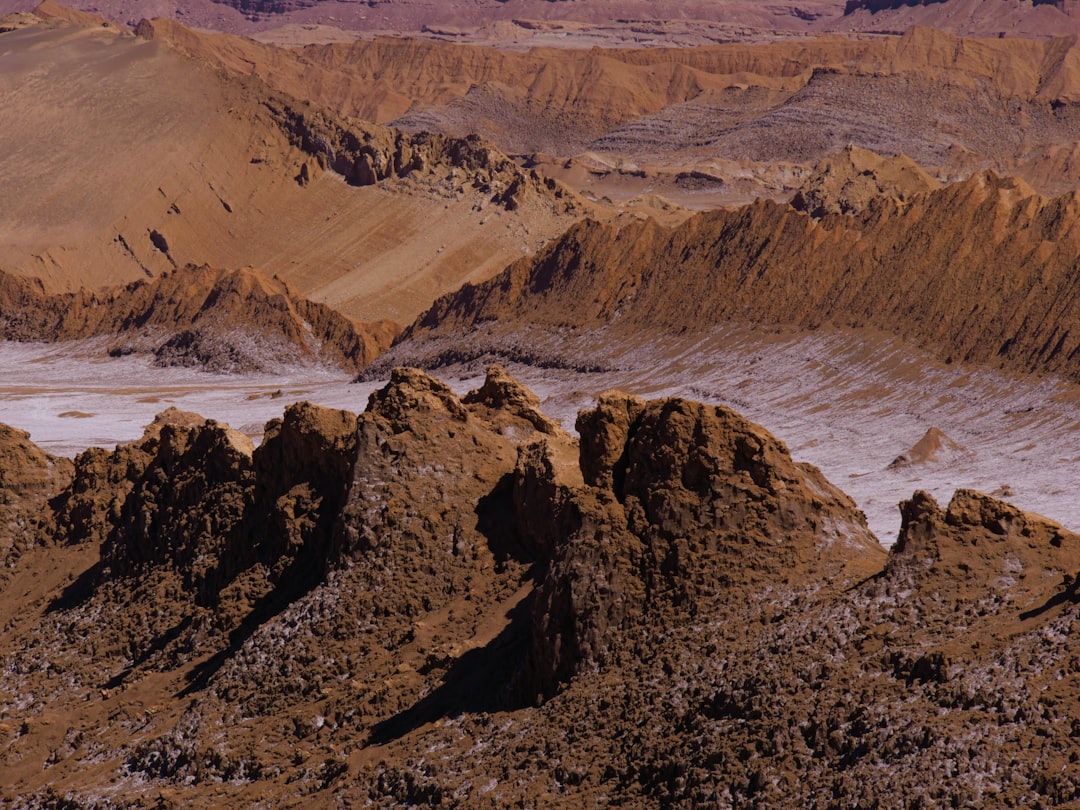
For those who delve into the deep past of Earth, the end-Permian mass extinction event, colloquially known as the “Great Dying,” stands as a stark monument to ecological collapse. Occurring approximately 252 million years ago, it annihilated an estimated 96% of marine species and 70% of terrestrial vertebrate species. While the land’s devastation is undeniable, the oceans, once teeming with life, became a lifeless, suffocating graveyard. Unraveling the mystery of end-Permian marine anoxia, the widespread lack of oxygen in the oceans, is crucial to understanding not only this catastrophic extinction but also the fragility of life in oxygen-dependent ecosystems.
The Permian period, the final chapter of the Paleozoic Era, was a time of vast continental unions, dominated by the supercontinent Pangaea. Terrestrial landscapes were largely arid, punctuated by extensive forests of seed ferns and conifers. In the oceans, life flourished in a diversity of forms, from the shelled ammonoids and brachiopods to the ancient marine reptiles. However, beneath this seemingly stable surface, the seeds of destruction were being sown, preparing the stage for a biological catastrophe of unparalleled scale.
A Carboniferous Legacy: Setting the Stage
The preceding Carboniferous period had witnessed the formation of enormous coal deposits, a testament to prolific plant life and significant atmospheric carbon sequestration. This long-term geological process, while forming the basis of fossil fuels, also contributed to a delicate balance in Earth’s climate and atmospheric composition. The stage was set in the deep past for a dramatic shift.
The Dawn of the Mesozoic: A Silent Ocean
As the Permian drew to a close, the transition to the Mesozoic Era – the age of dinosaurs – was marked by a profound silence in the marine realm. The vibrant ecosystems of the Permian ocean were replaced by vast expanses of oxygen-depleted waters, rendering them inhospitable to the majority of marine life. This widespread anoxia was not a sudden event but rather a cascading series of environmental failures.
The End Permian mass extinction, characterized by widespread marine anoxia, has been a subject of extensive research, shedding light on the catastrophic events that led to the loss of approximately 90% of marine species. A related article that delves deeper into the mechanisms and consequences of this phenomenon can be found at Freaky Science. This resource provides valuable insights into the environmental changes and biological responses during this critical period in Earth’s history.
The Trigger: Siberian Traps Erupt
The prevailing scientific consensus points to a colossal volcanic event as the primary trigger for the end-Permian extinction. The eruption of the Siberian Traps, a massive igneous province in present-day Siberia, unleashed an unprecedented volume of volcanic material and gases into the atmosphere. This was not a single fiery burst but a protracted period of volcanic activity, a geological behemoth awakening.
Scale of the Eruptions: A Volcanic Inferno
Spanning an area of over two million square kilometers, the Siberian Traps represent one of the largest known volcanic provinces on Earth. The eruptions released vast quantities of greenhouse gases, including carbon dioxide and methane, into the atmosphere. This acted like a thermostat gone haywire, rapidly increasing global temperatures.
Gas Release: A Cocktail of Catastrophe
Beyond the direct warming effect of greenhouse gases, the volcanic eruptions also released significant amounts of sulfur dioxide, which contributed to acid rain, and halogens, which could have depleted the ozone layer. However, the most devastating impact for the marine realm stemmed directly from the heat and the subsequent chemical changes in the oceans.
The Cascade Effect: From Warming to Suffocation
The intense global warming triggered by the Siberian Traps initiated a chain reaction that ultimately led to widespread marine anoxia. The warming of surface waters had profound implications for ocean circulation and the ocean’s ability to hold dissolved oxygen.
Ocean Stratification: A Divided Sea
Warming surface waters became less dense, leading to increased stratification of the ocean. This created a barrier between the oxygen-rich surface layer and the deeper waters, hindering the mixing and circulation of oxygen. Imagine a layered cake where the frosting is scorching hot, preventing any of the cooler filling from reaching the top.
Reduced Oxygen Solubility: The Air Escapes the Water
Warmer water has a lower capacity to hold dissolved gases, including oxygen. As the oceans heated up, the dissolved oxygen content in the water plummeted, like a deflating balloon losing its air. This reduction in the very element essential for respiration left marine organisms gasping for breath.
Photosynthesis Under Siege: A Starved Ecosystem
The anoxia in the deep ocean also had a detrimental effect on the productivity of the surface waters. Phytoplankton, the microscopic plants that form the base of the marine food web and produce a significant portion of Earth’s oxygen through photosynthesis, struggled to thrive in the altered conditions. Their demise further reduced the oxygen supply to the wider ocean.
The Role of Sulfides: Life’s Poisonous Embrace
A particularly insidious consequence of prolonged and severe anoxia was the rise of hydrogen sulfide (H2S) producing bacteria. In the absence of oxygen, certain types of sulfate-reducing bacteria begin to thrive, utilizing sulfate ions and organic matter to produce hydrogen sulfide as a byproduct. This turned the oceans into a toxic brew.
Anoxic Zones Expand: A Creeping Death
As oxygen levels declined, the zones of anoxia expanded, engulfing vast swathes of the ocean. In these oxygen-depleted environments, the anaerobic conditions favored the proliferation of sulfate-reducing bacteria. This was like a slow, suffocating fog rolling in, choking out anything that relied on air.
Hydrogen Sulfide Production: The Breath of Death
The accumulation of hydrogen sulfide, a highly toxic gas, created an environment inimical to most aerobic life. Even low concentrations of H2S can be lethal to marine organisms, damaging their respiratory systems and interfering with cellular respiration. For many species, this was like being exposed to a deadly gas.
Impact on Marine Life: A Swift and Brutal End
The presence of hydrogen sulfide would have been devastating for marine organisms, particularly those with high metabolic rates or sensitive respiratory systems. It likely contributed significantly to the rapid and widespread mortality observed during the extinction event. It was a silent killer, pervasive and deadly.
The End Permian mass extinction is often linked to significant marine anoxia, which drastically altered oceanic ecosystems. A related article discusses how these anoxic conditions contributed to the collapse of marine life during this period. For more insights on this topic, you can read the article on Freaky Science, where the intricate connections between climate change and marine anoxia are explored in detail. Understanding these dynamics can provide valuable lessons for contemporary environmental challenges.
Unraveling the Evidence: Paleontological Clues
| Metric | Value | Unit | Description |
|---|---|---|---|
| Time Period | 252 | Million years ago | Approximate timing of the End Permian mass extinction |
| Duration of Anoxia | ~60,000 | Years | Estimated length of widespread marine anoxia during extinction |
| Extent of Anoxia | Up to 80 | Percent of ocean area | Estimated ocean surface affected by anoxic conditions |
| Marine Species Extinction Rate | ~90 | Percent | Percentage of marine species that went extinct |
| Ocean Oxygen Levels | Reduced by 50-70 | Percent | Estimated drop in oceanic oxygen concentration |
| Carbon Isotope Excursion | -5 to -7 | ‰ (per mil) | Negative carbon isotope shift indicating massive carbon release |
| Temperature Increase | 6-10 | °C | Estimated global ocean temperature rise during extinction |
The evidence for end-Permian marine anoxia is not merely theoretical; it is etched into the geological record, a silent testament to the devastation. Paleontologists and geochemists have pieced together a compelling narrative from fossil assemblages, geochemical signatures, and sedimentary structures.
Fossil Assemblages: Ghosts in the Rock
The fossil record from the end-Permian clearly shows a dramatic shift in marine biodiversity. The disappearance of many oxygen-dependent species, such as corals, ammonoids, and articulate brachiopods, is a stark indicator of the profound environmental changes. The rocks themselves bear the marks of this silence, a graveyard of once-vibrant life.
Isotopic Signatures: Whispers from the Ancient Ocean
Geochemical analysis of fossilized shells and sediments provides crucial insights into the ancient ocean chemistry. Variations in the sulfur isotope composition (δ³⁴S) in marine sulfates and sulfides, for instance, can indicate the extent of sulfate reduction and, by extension, the degree of anoxia. These isotopic ratios act as ancient barometers, revealing the conditions under which life once existed.
Sedimentary Structures: Layers of Suffering
The sedimentary rocks themselves tell a story. The presence of black shales, rich in organic matter and often bound with minerals like pyrite, is characteristic of anoxic environments. These formations represent periods when the ocean floor was starved of oxygen, preventing the decomposition of organic material, allowing it to accumulate.
Consequences and Legacies: A Reshaped Biosphere
The end-Permian mass extinction, fueled by marine anoxia, was not just an ecological catastrophe; it fundamentally reshaped the course of evolution. The vacant niches left by extinct species were gradually filled by the survivors, leading to the rise of new forms of life and the dawn of new geological eras.
The Rise of New Dominators: A Different Ocean
The recovery of marine life after the Great Dying was a slow and arduous process. The survivors, often opportunistic and hardy species, laid the foundation for the Mesozoic marine ecosystems, which would eventually be dominated by different groups, including the ammonites and the ancestors of modern fish. The ocean, after its ordeal, would host a different cast of characters.
Global Climate Sensitivity: A Timely Warning
The end-Permian event serves as a stark reminder of the interconnectedness of Earth’s systems and the potential for rapid, dramatic climate change. The scale and speed of the Siberian Traps eruptions and their impact on the oceans highlight the planet’s vulnerability to massive geological and atmospheric perturbations. The past, in this context, is a powerful predictor of future potential.
Understanding Modern Oceans: Lessons from the Deep Past
By unraveling the mystery of end-Permian marine anoxia, scientists gain valuable insights into the processes that can lead to ocean deoxygenation today. As anthropogenic climate change accelerates, warming oceans and altering ocean circulation patterns, understanding the historical precedent of the Great Dying offers crucial lessons for the conservation and management of marine ecosystems in the Anthropocene. The lessons learned from this ancient cataclysm echo into our present, urging vigilance.
WATCH NOW ▶️ SHOCKING: Why Your Air Is Literally A Lie
FAQs
What was the End Permian mass extinction?
The End Permian mass extinction, also known as the Permian-Triassic extinction event, occurred about 252 million years ago and is considered the Earth’s most severe extinction event, wiping out approximately 90-96% of marine species and 70% of terrestrial vertebrate species.
What role did marine anoxia play in the End Permian mass extinction?
Marine anoxia, a condition where ocean waters become depleted of oxygen, is believed to have been a major factor contributing to the End Permian mass extinction by creating hostile environments for marine life, leading to widespread die-offs in ocean ecosystems.
What caused the marine anoxia during the End Permian period?
The marine anoxia during the End Permian is thought to have been caused by massive volcanic eruptions, such as the Siberian Traps, which released large amounts of greenhouse gases, leading to global warming, ocean stratification, and reduced oxygen levels in seawater.
How did marine anoxia affect marine ecosystems during the End Permian extinction?
Marine anoxia led to the collapse of many marine ecosystems by killing oxygen-dependent organisms, disrupting food chains, and causing the loss of biodiversity, particularly among reef-building organisms, brachiopods, and many types of marine invertebrates.
What evidence supports the occurrence of marine anoxia during the End Permian extinction?
Evidence for marine anoxia includes geochemical signatures such as elevated levels of certain isotopes (e.g., carbon and sulfur isotopes), the presence of black shale deposits rich in organic material, and fossil records showing a decline in oxygen-sensitive species during the End Permian period.