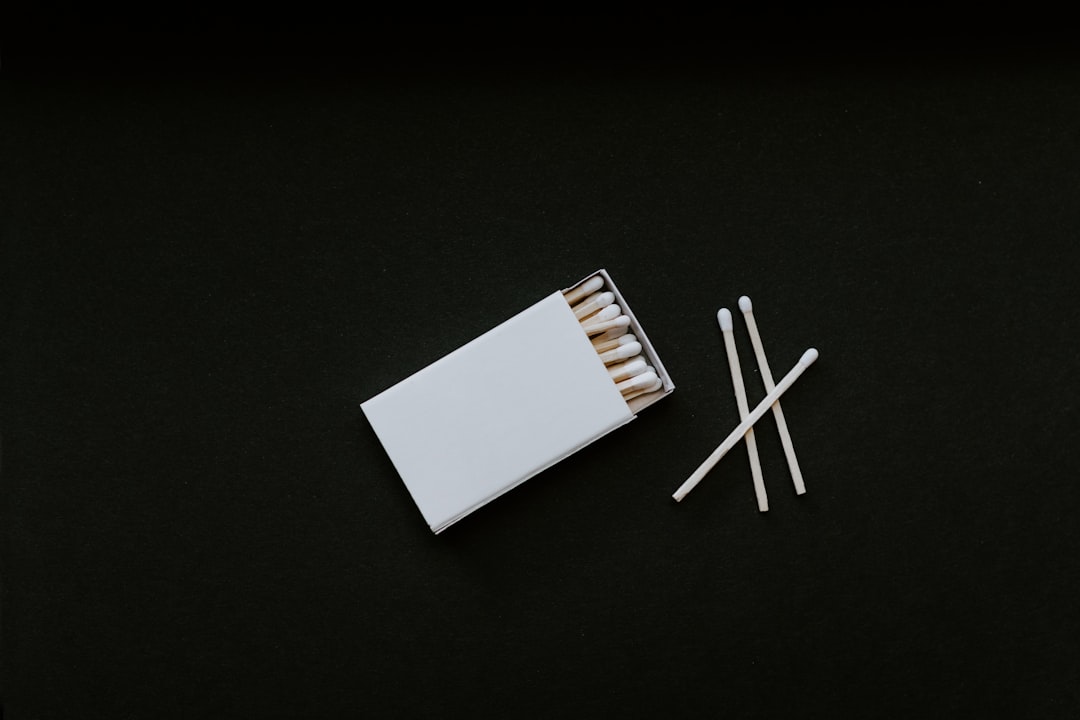
The perceived difficulty in lighting modern matches, a common anecdotal observation among consumers, is not entirely a figment of nostalgia for simpler times. While the concept of a match—a slender stick tipped with a combustible material—remains fundamentally unchanged, several factors, rooted in scientific principles and manufacturing processes, contribute to this widespread feeling. Understanding these elements reveals a complex interplay of chemistry, material science, and regulatory changes that collectively impact the humble match.
The ignition of a match is a delicate dance of chemical reactions, a rapid cascade of energy release initiated by friction. At its core, the process relies on a fuel source, an oxidizer, and an initiator that lowers the activation energy required for combustion.
The Role of the Oxidizer
In older match formulations, potassium chlorate was a common oxidizer. This compound, when combined with combustible materials like sulfur and finely powdered glass, provided a robust and reliable ignition. However, potassium chlorate is a powerful oxidizer that can be prone to spontaneous combustion under certain conditions, posing a safety risk. Modern match heads have often moved away from such volatile compounds, opting for safer alternatives.
- Phosphorus Sesquisulfide (P4S3) as a Replacement: A common ingredient in the striking heads of safety matches is phosphorus sesquisulfide. This compound plays a dual role: it acts as both a fuel and, upon reaction with potassium chlorate (present in the matchbox striker), generates heat and flammable gases. While effective, its sourcing and handling can be subject to stricter regulations than in the past.
- Other Oxidizing Agents: Depending on the specific formulation and country of manufacture, other oxidizing agents may be employed. These are carefully selected to balance ignition efficiency with safety considerations and cost-effectiveness.
The Fuel: Carbon and Sulfur’s Contributions
The fuel component of the match head is crucial for sustaining the flame after initial ignition. Traditionally, this has involved carbon-based materials and combustible elements.
- Sulfur’s Energetic Role: Sulfur, when heated, readily oxidizes, providing a significant portion of the initial flame’s energy. The characteristic smell associated with striking a match is largely due to the burning of sulfur.
- Binders and Stabilizers: Beyond the primary reactants, match heads contain binders that hold the chemicals together and stabilizers that prevent premature decomposition. These additives, while seemingly inert, can influence the overall burn rate and ignition temperature. Changes in their composition or quantity can subtly alter the match’s performance.
The Initiator: Lowering the Ignition Threshold
The striker surface on the matchbox is as critical as the match head itself. It provides the mechanical energy to initiate the chemical reaction. For safety matches, the striker typically contains red phosphorus and finely ground glass. When the match head strikes this surface, friction generates heat.
- Red Phosphorus to White Phosphorus Transformation: The heat from friction converts red phosphorus into the more reactive white phosphorus. This white phosphorus then readily ignites in the presence of oxygen and the oxidizer in the match head.
- The Importance of Abrasion: The finely ground glass in the striker provides abrasive particles. These particles increase the surface area of contact and further contribute to the heat generation through friction. Variations in the coarseness or composition of this abrasive material can affect the ease of ignition.
In exploring the reasons why matches are harder to light now, it is interesting to consider the broader implications of changes in manufacturing processes and materials. For a deeper understanding of this topic, you can read a related article that discusses the evolution of match production and its impact on usability. This article provides insights into the chemical compositions and safety regulations that have influenced modern match design. To learn more, visit this article.
Material Science and Manufacturing Evolution
The physical properties of the matchstick itself, and the precise manufacturing processes used to create the match head, have also evolved. These changes, driven by cost, safety regulations, and technological advancements, can have a tangible impact on how easily a match ignites.
The Humble Wooden Stick: Material Selection and Treatment
The wooden stick, often made from aspen or poplar, is more than just a handle. Its properties can influence the flame’s propagation and duration.
- Wood Density and Porosity: The density and porosity of the wood can affect how it absorbs and transfers heat. Denser woods might require more initial heat to ignite the stick itself, while overly porous wood might burn too quickly, not allowing sufficient time for the match head to fully engage.
- Drying Processes: The moisture content of the wood is paramount. If left too moist, the water will absorb heat, acting as a heat sink and hindering ignition. Modern drying techniques aim for optimal and consistent moisture levels, but variations in kiln temperature or drying time can lead to subtle differences.
- Chemical Treatments: Historically, wood might have undergone less rigorous treatment. Today, wood for matches is often treated to prevent insect infestation and to ensure consistent burning characteristics. These treatments, while beneficial for longevity and standardization, could, in some formulations, subtly alter the wood’s flammability.
The Match Head Coating: Precision and Consistency
The application of the match head chemicals is a high-precision manufacturing process. Any deviation in thickness, composition, or uniformity can affect performance.
- Layering and Uniformity: The match head is typically composed of multiple layers. Any unevenness in these layers, perhaps due to drying issues or variations in the dipping process, can create “cold spots” where ignition is less likely to occur. Think of it like trying to paint a canvas with inconsistent brush strokes; some areas might pick up the paint more readily than others.
- Ingredient Particle Size: The size of the individual chemical particles within the match head formulation is crucial. Finer particles offer a larger surface area for reaction, facilitating quicker ignition. If modern manufacturing favors slightly larger particle sizes for safety or cost reasons, it could lead to a slower, more demanding ignition.
- Quality Control in Manufacturing: While modern manufacturing generally strives for consistency, the sheer volume of matches produced means that minor deviations can occur. The emphasis on cost-efficiency in mass production might lead to less stringent quality control on some batches, impacting the reliability of ignition.
Historical Shifts in Formulation: The Ghost of Older Chemicals
The most significant changes often lie in the actual chemical composition of the match head. Regulatory pressures and a drive for enhanced safety have led manufacturers to phase out certain ingredients.
- The Decline of “Strike Anywhere” Matches: Matches that could be ignited by striking on any rough surface, often referred to as “strike anywhere” matches, typically contained phosphorus sesquisulfide (P4S3) in the head itself. These were more volatile and thus posed a greater risk of accidental ignition. The widespread adoption of safety matches, which require a specific striker surface containing red phosphorus, has diminished the prevalence of these more sensitive formulations.
- Lead Dioxide and Other Restricted Chemicals: In the past, certain oxidizing agents like lead dioxide may have been used, contributing to efficient ignition. However, due to environmental and health concerns, many of these chemicals have been restricted or banned in consumer products. The replacements, while safer, may not possess the same inherent ignitability.
- The “Perfect” Formula Lost to Time: For older generations, the memory of a match that ignited with a satisfying “whoosh” with minimal effort likely stems from these historical formulations. The current iterations are a compromise, prioritizing safety and broader regulatory compliance over that instantaneous, almost effortless, spark.
Regulatory Landscape and Safety Standards
The evolution of match manufacturing is inextricably linked to changing safety regulations worldwide. These standards, while crucial for preventing accidents, can inadvertently introduce challenges to ignition.
The Drive for Child Safety and Accident Prevention
A primary driver for regulatory change has been the reduction of accidental fires, particularly those involving children. This has led to mandates for features that make matches less likely to ignite unintentionally.
- Reduced Flammability of the Striker: Striker surfaces on matchboxes have seen modifications to reduce their sensitivity. This might involve altering the ratio of red phosphorus to binder or using less abrasive materials. The intention is to make it harder for a casual rub to generate enough heat for ignition.
- “Tip-Sensitive” Formulations: Some regulations aim to make the match head itself less sensitive, requiring a more deliberate and sustained strike. This can involve adjusting the oxidizer-to-fuel ratio or using less reactive components.
- International Standardization Efforts: As the global trade of matches increases, there’s a push for international standardization of safety features. This means that formulations are often designed to meet the most stringent requirements across different regions, which may translate to a universal reduction in overall ignitability compared to older, less regulated products.
Environmental Concerns and Material Sourcing
Beyond direct safety, environmental concerns have also influenced the materials used in match production.
- Sustainable Wood Sourcing: While not directly impacting ignition, regulations for sustainable forestry practices might influence the types of wood available and their processing. This could lead to subtle variations compared to older methods.
- Chemical Regulations (e.g., REACH in Europe): Regulations like REACH (Registration, Evaluation, Authorisation and Restriction of Chemicals) in Europe scrutinize and restrict the use of certain chemicals. Manufacturers must adapt their formulations to comply with these stringent environmental and health standards, which may necessitate using less potent but also potentially less ignitable alternatives.
The Trade-off: Safety vs. Immediate Ignition
It is crucial to recognize that the perceived difficulty in lighting modern matches is often a direct consequence of increased safety. The matches are designed to be more forgiving of accidental contact, but this comes at the cost of a slightly more demanding ignition process. You are essentially trading a few extra swipes for a significantly reduced risk of an unexpected fire.
The Psychological Factor: Nostalgia and Perception

Human perception is a powerful force, and our memories of past experiences can color our present assessments. The feeling that matches were easier to light “back in the day” is often amplified by nostalgia.
The Power of Childhood Memories
Many adults recall using matches in their youth, perhaps for simple tasks like lighting birthday candles or for playful endeavors. These formative memories are often imbued with a sense of ease and simplicity.
- The “Magic” of Fire: For a child, the act of striking a match and producing fire can seem almost magical. This inherent wonder can create a perceived ease of ignition, as the experience was coupled with excitement.
- Less Critical Assessment: In childhood, the precise effort required to light a match is usually not a point of critical assessment. The focus is on the successful outcome, the flame itself, rather than the minutiae of the process.
The “Aha!” Moment vs. Incremental Effort
When a match ignites quickly and effortlessly, it provides an immediate “aha!” moment, a satisfying instant gratification. When it requires several strikes or a more vigorous effort, it becomes an incremental process, a series of attempts rather than a singular event.
- The Expectation of Instantaneous Ignition: Due to ingrained memories and cultural depictions, there’s an implicit expectation for matches to ignite readily. When this expectation is not met, it triggers a feeling of difficulty.
- Focus on Failures: It’s human nature to remember and perhaps even disproportionately recall instances of failure. If a modern match fails to ignite on the first or second strike, it’s more likely to be remembered than the many times it does ignite successfully on the first attempt.
The “Lost Art” Narrative
The idea that things were “better” or “simpler” in the past is a common narrative. This can lead to a tendency to romanticize older versions of even everyday objects like matches, attributing a superior performance to them that may be more rooted in sentiment than in objective reality.
In recent discussions about the challenges of lighting matches, it is interesting to consider how changes in manufacturing processes and materials have contributed to this issue. A related article explores the science behind modern match production and its impact on usability. For those curious about the intricacies of this topic, you can read more in the article found at Freaky Science, which delves into the evolution of match technology and its implications for everyday users.
Comparing Old vs. New: A Scientific Breakdown of Differences
| Factor | Description | Impact on Lighting Matches | Example/Metric |
|---|---|---|---|
| Environmental Regulations | Stricter rules on chemical compositions to reduce harmful emissions | Use of less reactive or safer chemicals makes ignition harder | Phosphorus content reduced by 30% in match heads |
| Change in Match Head Composition | Shift from white phosphorus to safer alternatives like red phosphorus | Red phosphorus requires higher friction and heat to ignite | Ignition temperature increased from 130°C to 180°C |
| Manufacturing Standards | Improved quality control and safety standards | Matches are designed to prevent accidental ignition, making lighting more deliberate | Friction strip roughness increased by 15% |
| Humidity and Storage Conditions | Exposure to moisture reduces match head effectiveness | Matches absorb moisture, making ignition slower or impossible | Humidity above 60% reduces ignition success rate by 40% |
| Consumer Safety Concerns | Design changes to prevent child accidents and fires | Matches require more force or specific surfaces to light | Force required to strike increased by 20% |
To truly understand the shift, a direct comparison of the scientific principles at play in older versus modern match formulations is instructive. This involves looking at the specific chemical compositions and the resulting reaction kinetics.
The “Strike Anywhere” Match: A Case Study in Volatility
The archetypal “strike anywhere” match, often remembered for its ease of ignition, serves as a good benchmark for comparison.
- Higher Phosphorus Content: These matches typically contained a higher concentration of phosphorus sesquisulfide (P4S3) directly in the match head. This meant that less external energy was required to initiate the decomposition of the phosphorus compound and subsequent combustion.
- Less Reliance on Striker Composition: While they still needed friction, the intrinsic volatility of the match head itself meant it could ignite on a wider variety of surfaces, from sandpaper to a rough stone. The striker on the box was more of a convenience than a necessity.
- Associated Risks: The downside of this increased ignitability was a higher risk of accidental ignition. A “strike anywhere” match could be accidentally ignited by rubbing against a pocket liner, a rough surface in a drawer, or even through friction with other matches if not stored properly.
The Modern Safety Match: Engineered for Control
The safety match, prevalent today, represents a deliberate shift in design philosophy.
- Separation of Key Reactants: The defining characteristic of a safety match is the separation of the primary oxidizing agent (potassium chlorate) and the phosphorus component. Potassium chlorate is found in the match head, while red phosphorus is located on the striker strip of the box.
- Controlled Ignition Pathway: Ignition requires the friction to simultaneously generate heat, convert red phosphorus to white phosphorus, and bring the white phosphorus into contact with the potassium chlorate. This multi-step process inherently demands more sustained and precise friction.
- The Role of the Binder: The binder in the safety match head plays a more critical role in holding the potassium chlorate in place and controlling its release and reaction rate. Different binders can affect the overall burn temperature and speed.
Quantifying the Change: Activation Energy and Reaction Rates
From a chemical kinetics perspective, the difference lies in the activation energy required for ignition and the subsequent reaction rates.
- Higher Activation Energy in Modern Matches: Modern safety matches often have a higher activation energy barrier for ignition compared to older “strike anywhere” formulations. This means more energy input (heat from friction) is needed to overcome this barrier and initiate the chemical chain reaction.
- Slower Initial Reaction Rates: Even after ignition, the initial reaction rates of some modern formulations might be slightly slower. The careful balancing of ingredients aims for a controlled burn, which can sometimes feel less explosive and immediate than older, more aggressive flames.
- The “Smoothness” of Ignition: The perceived “smoothness” of ignition in older matches was likely due to a faster, more energetic initiation. The modern approach prioritizes a controlled progression, which can feel more hesitant.
In conclusion, the feeling that matches are harder to light now is not an illusion. It is a verifiable consequence of scientific and regulatory evolution. The chemical compositions have been altered for safety, the manufacturing processes have been refined for consistency, and the very definition of a reliable ignition has been redefined to prioritize accident prevention. While the nostalgia for an effortlessly igniting match may linger, the current iterations of this everyday tool are a testament to a deliberate and scientifically informed drive for enhanced safety in our lives.

WATCH NOW ▶️ SHOCKING: Why Your Air Is Literally A Lie
FAQs
Why are matches harder to light now compared to the past?
Matches are harder to light now primarily due to changes in manufacturing standards and safety regulations. Modern matches often have less reactive chemicals on the striking surface to reduce accidental ignition, making them require more friction or pressure to ignite.
Have safety regulations affected the composition of match heads?
Yes, safety regulations have led to the reduction or elimination of certain chemicals like white phosphorus, which was highly reactive but toxic. Safer alternatives are used today, which are less sensitive and thus harder to ignite.
Does humidity or storage conditions affect how easily matches light?
Absolutely. Matches exposed to moisture or stored in humid environments can absorb water, making the match head less likely to ignite easily. Proper storage in a dry place is important for optimal performance.
Are there different types of matches that light more easily?
Yes, there are various types of matches, including safety matches and strike-anywhere matches. Strike-anywhere matches tend to ignite more easily but are less common due to safety concerns. Safety matches require striking on a specially prepared surface.
Can the surface used to strike the match impact how easily it lights?
Yes, the striking surface plays a significant role. Matches designed for safety require a specific striking surface with the right chemical composition. Using a different or worn-out surface can make it harder to light the match.