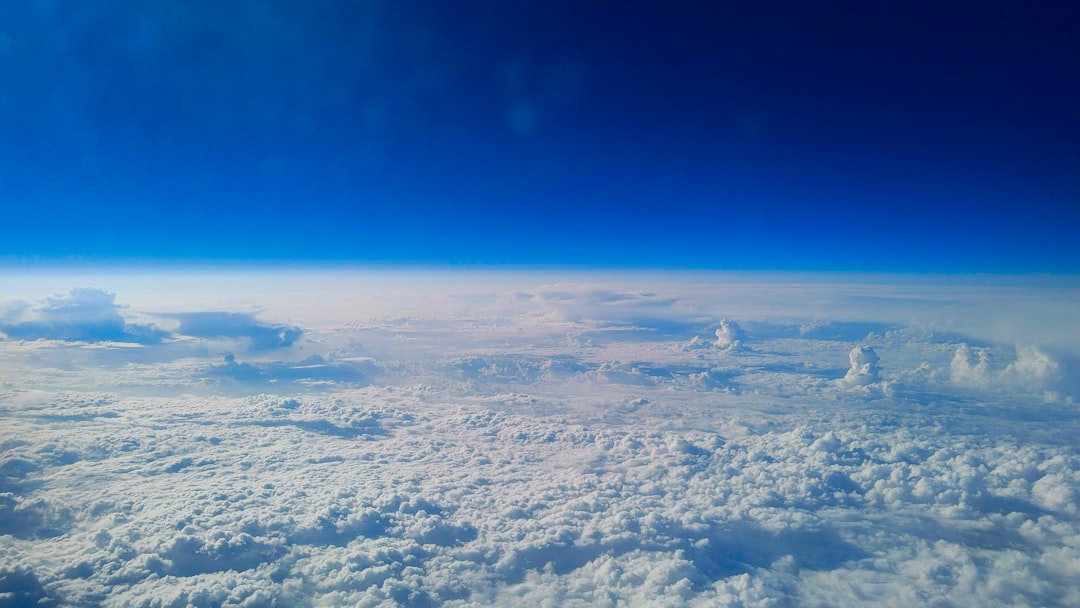
The planet Earth, a dynamic celestial body, is perpetually engaged in a complex and multifaceted interaction with its own atmosphere. This intricate relationship, often conceptualized as “Earth’s breath,” encompasses geological, biological, and chemical processes that continually shape the composition and behavior of the gaseous envelope surrounding our world. This article explores the various mechanisms through which Earth “inhales” and “exhales” its atmosphere, detailing the scientific underpinnings of these phenomena and their profound implications for planetary habitability.
The early Earth’s atmosphere was markedly different from the one we experience today. Its formation was a gradual process, initiated by the planet’s primordial accretion and subsequent differentiation. Understanding this initial “inhalation” is crucial to appreciating the subsequent evolutionary stages.
Volcanic Outgassing: The First Breath
During its early stages, Earth was a molten, tumultuous environment. Extensive volcanic activity, driven by internal heat and geothermal processes, released vast quantities of gases from the planet’s interior. This “volcanic outgassing” is considered the primary source of Earth’s first atmosphere.
- Composition of Early Outgassing: The gases expelled included water vapor (H₂O), carbon dioxide (CO₂), nitrogen (N₂), methane (CH₄), ammonia (NH₃), and sulfur compounds. Notably, free oxygen (O₂) was largely absent.
- Formation of the Hydrosphere: As the Earth cooled, the copious amounts of water vapor in the atmosphere condensed, leading to torrential rains over millions of years. This process resulted in the formation of Earth’s oceans, a crucial component in subsequent atmospheric interactions.
- Early Atmospheric Pressure: The early atmosphere was significantly denser than today’s, with higher concentrations of greenhouse gases that contributed to maintaining a warm surface, despite a less luminous young Sun.
Cometary and Asteroidal Impacts: Extraterrestrial Contributions
While volcanic outgassing was the dominant factor, extraterrestrial impacts also played a role in shaping the early atmosphere. Comets and certain types of asteroids are rich in volatile compounds, including water and various gases.
- Delivery of Volatiles: During the early heavy bombardment period, numerous impacts delivered significant amounts of water and other volatiles, enriching the nascent atmosphere and contributing to the growing oceans.
- Noble Gas Signatures: The isotopic ratios of noble gases like argon and xenon in Earth’s atmosphere provide clues about their origins, suggesting contributions from both internal outgassing and extraterrestrial sources.
Recent studies have suggested that Earth may be experiencing a phenomenon where it is gradually inhaling its own atmosphere, leading to intriguing implications for climate science and planetary health. For a deeper understanding of this topic and its potential consequences, you can read more in the related article found here: Earth Inhaling Its Own Atmosphere. This article explores the mechanisms behind this process and its impact on our environment.
Biological Respiration: The Living Breath
The emergence of life fundamentally transformed Earth’s atmosphere, introducing processes that actively “inhaled” and “exhaled” gases on a global scale. This biological respiration is arguably the most remarkable aspect of Earth’s atmospheric interactions.
Photosynthesis: The Great Oxygenation Event
The evolution of photosynthetic organisms, particularly cyanobacteria, marked a pivotal moment in Earth’s history – the “Great Oxygenation Event.” This biological innovation led to the accumulation of free oxygen in the atmosphere, a process that was both a consequence of life and a prerequisite for its further diversification.
- Oxygen as a Waste Product: Photosynthesis, the process by which plants and algae convert sunlight, water, and carbon dioxide into energy, releases oxygen as a waste product.
- Iron Sequestration: Initially, much of the oxygen produced reacted with dissolved iron in the oceans, forming iron oxides that precipitated to the seafloor, evident in banded iron formations. This “sink” prevented rapid atmospheric oxygenation.
- Atmospheric Oxygen Accumulation: Once the major iron sinks were saturated, atmospheric oxygen levels began to rise significantly, gradually reaching concentrations capable of supporting complex aerobic life. This was a slow, multi-million-year “exhalation” of oxygen.
Respiration and Decomposition: Completing the Cycle
While photosynthesis produces oxygen, respiration and decomposition consume it, creating a vital cyclical balance. All aerobic organisms, from microbes to mammals, utilize oxygen to metabolize organic matter, releasing carbon dioxide and water.
- Carbon Cycle Interplay: This exchange of gases is a fundamental component of the global carbon cycle. Photosynthesis fixes atmospheric carbon into organic compounds, while respiration returns it.
- Anaerobic Processes: In oxygen-deprived environments, anaerobic organisms also contribute to atmospheric composition, producing gases like methane (CH₄), a potent greenhouse gas.
- Global Ecosystem Metabolism: The collective metabolic activity of Earth’s biota represents a colossal “breath,” constantly processing and cycling gases, making significant contributions to the planet’s atmospheric state.
Geological and Chemical Cycles: The Earth’s Deep Breath

Beyond biological processes, geological and chemical cycles exert profound control over atmospheric composition, particularly over longer timescales. These cycles demonstrate Earth’s deep, slow “inhalation” and “exhalation” of atmospheric components.
The Carbon-Silicate Cycle: Planetary Thermostat
The carbon-silicate cycle, also known as the carbonate-silicate cycle, is a long-term geological process that regulates Earth’s atmospheric carbon dioxide levels and, consequently, its climate. This cycle acts as Earth’s natural thermostat.
- Weathering of Silicate Rocks: Atmospheric carbon dioxide dissolves in rainwater, forming carbonic acid. This acidic rain reacts with silicate rocks on the Earth’s surface, a process called chemical weathering.
- Transport to Oceans: The products of weathering, including dissolved calcium and bicarbonate ions, are transported to the oceans via rivers.
- Formation of Carbonate Sediments: In the oceans, marine organisms utilize these ions to form calcium carbonate shells and skeletons. Upon their death, these organisms settle to the ocean floor, forming carbonate sediments.
- Subduction and Metamorphism: Over geological timescales, these carbonate sediments can be subducted into the Earth’s mantle along with tectonic plates. Under immense heat and pressure, they undergo metamorphism, releasing carbon dioxide back into the atmosphere through volcanic activity. This completes the slow, deliberate “exhalation.”
Volcanic Activity (Revisited): Ongoing Contributions
While early volcanic outgassing was formative, ongoing volcanic activity continues to be a significant contributor to atmospheric composition, releasing gases from Earth’s interior.
- Modern Volcanic Emissions: Contemporary volcanic eruptions release water vapor, carbon dioxide, sulfur dioxide (SO₂), and other trace gases. While smaller in scale than primordial outgassing, these emissions are a continuous “exhalation” from the planet’s deep interior.
- Impact on Climate: Large volcanic eruptions can inject aerosols and gases into the stratosphere, leading to temporary cooling by reflecting solar radiation. Conversely, long-term volcanic activity contributes to atmospheric greenhouse gas levels.
- Mantle Degassing: The continuous, slow degassing of Earth’s mantle through mid-ocean ridges and hotspots also contributes to the atmospheric inventory of certain gases, albeit at rates not always directly noticeable.
Atmospheric Scavengers and Reservoirs: The Breath’s Filters and Lungs

The atmosphere is not a static entity; its components are constantly being removed or stored in various reservoirs, akin to filters and lungs that process Earth’s breath.
Ocean Absorption: The Great Carbon Sink
The oceans represent Earth’s largest active carbon reservoir, playing a critical role in absorbing atmospheric carbon dioxide. This process is a significant “inhalation” of CO₂.
- Solubility Pump: Carbon dioxide dissolves readily in seawater, forming carbonic acid, which then dissociates into bicarbonate and carbonate ions. This chemical equilibrium drives the absorption of atmospheric CO₂.
- Biological Pump: Marine organisms, particularly phytoplankton, actively absorb dissolved CO₂ for photosynthesis. When these organisms die and sink to the seafloor, they transport carbon to deep ocean sediments, effectively sequestering it from the atmosphere for long periods.
- Ocean Acidification: The increased absorption of anthropogenic CO₂ by the oceans leads to ocean acidification, a pressing environmental concern that impacts marine ecosystems.
Terrestrial Biosphere: Forests as Lungs
The terrestrial biosphere, particularly forests and other extensive plant communities, acts as a significant “lung” for Earth, drawing in carbon dioxide and releasing oxygen.
- Carbon Sequestration: Forests, through photosynthesis, absorb vast quantities of atmospheric carbon dioxide, storing it in biomass (wood, leaves, roots) and soils. This acts as a substantial “inhalation” of carbon.
- Seasonal Variability: The Earth’s atmospheric CO₂ concentration exhibits significant seasonal fluctuations, largely driven by the growth and senescence of vegetation in the Northern Hemisphere, which contains most of the planet’s landmass.
- Deforestation Impacts: Deforestation releases stored carbon back into the atmosphere, contributing to greenhouse gas concentrations and diminishing Earth’s natural capacity to “inhale” carbon.
Recent studies have suggested that Earth may be undergoing a fascinating process of inhaling its own atmosphere, which raises intriguing questions about the planet’s long-term sustainability. This phenomenon, often linked to changes in climate and geological activity, highlights the delicate balance of our environment. For more insights on this topic, you can read a related article that delves deeper into the dynamics of Earth’s atmosphere and its implications for life on our planet. To explore this further, check out the article here.
Human Impacts: Altering Earth’s Breath
| Metric | Value | Unit | Description |
|---|---|---|---|
| Atmospheric Mass | 5.15 x 10^18 | kg | Total mass of Earth’s atmosphere |
| Atmospheric Pressure | 101.3 | kPa | Average sea level atmospheric pressure |
| Inhalation Rate (Hypothetical) | 0.0001 | kg/s | Estimated rate of atmosphere ‘inhaled’ by Earth (conceptual) |
| Exhalation Rate (Hypothetical) | 0.0001 | kg/s | Estimated rate of atmosphere ‘exhaled’ by Earth (conceptual) |
| Atmospheric Turnover Time | 1 | Year | Time for Earth to ‘inhale’ and ‘exhale’ its atmosphere (conceptual) |
| Oxygen Concentration | 21 | % | Percentage of oxygen in Earth’s atmosphere |
| Carbon Dioxide Concentration | 0.04 | % | Percentage of CO2 in Earth’s atmosphere |
For the vast majority of geological time, Earth’s atmospheric “breath” has been regulated by natural processes. However, in recent centuries, human activities have profoundly altered these dynamics, leading to unprecedented changes in atmospheric composition.
Industrial Revolution and Greenhouse Gas Emissions
The advent of the Industrial Revolution marked a turning point in Earth’s atmospheric history. The widespread burning of fossil fuels (coal, oil, natural gas) has released vast quantities of greenhouse gases into the atmosphere, predominantly carbon dioxide and methane.
- Amplified Greenhouse Effect: These anthropogenic emissions have enhanced the natural greenhouse effect, leading to a rise in global average temperatures, a phenomenon known as global warming.
- Disruption of Natural Cycles: The rate of these emissions far exceeds the capacities of natural sinks (oceans, terrestrial biosphere) to absorb them, thereby disrupting the long-established balance of Earth’s carbon cycle.
- Methane Leaks and Agriculture: Beyond CO₂, methane emissions from activities like livestock farming, natural gas leaks, and landfills also contribute significantly to the amplified greenhouse effect.
Deforestation and Land-Use Change
Large-scale deforestation, primarily for agriculture and urbanization, plays a dual role in altering Earth’s breath.
- Reduced Carbon Sink Capacity: The removal of forests diminishes Earth’s ability to “inhale” carbon dioxide through photosynthesis, as fewer trees are available to absorb atmospheric CO₂.
- Release of Stored Carbon: The clearing and burning of forests release the carbon stored in biomass and soils back into the atmosphere, further contributing to greenhouse gas concentrations.
- Impacts on Water Cycle: Deforestation also affects localized water cycles, impacting precipitation patterns and increasing surface runoff, indirectly influencing atmospheric moisture.
Aerosols and Air Pollution
Human activities also release various aerosols and pollutants into the atmosphere, which can have complex and sometimes contradictory effects on Earth’s climate and atmospheric processes.
- Direct Radiative Forcing: Some aerosols, like sulfates from industrial emissions, can reflect sunlight, leading to a cooling effect. Others, like black carbon (soot), absorb sunlight, contributing to warming.
- Cloud Formation: Aerosols act as cloud condensation nuclei, influencing cloud formation, which in turn affects Earth’s albedo (reflectivity) and precipitation patterns.
- Human Health Impacts: These pollutants also have severe direct impacts on human health, contributing to respiratory and cardiovascular diseases.
In conclusion, dear reader, Earth’s “breath” is a magnificent symphony of interconnected processes. From the primordial volcanic exhalations that first crafted our atmosphere to the living respiration that sculpted it into an oxygen-rich haven, and the deep geological cycles that regulate its long-term stability, our planet is perpetually engaged in an intricate dialogue with its gaseous envelope. However, human activities have introduced a discordant note, rapidly altering the composition of this vital breath. Understanding these complex interactions is not merely an academic exercise; it is fundamental to comprehending the challenges we face and to finding pathways toward a sustainable future for this breathing planet.
WATCH NOW ▶️ SHOCKING: Why Your Air Is Literally A Lie
FAQs
What does it mean that Earth is “inhaling” its own atmosphere?
The phrase “Earth inhaling its own atmosphere” refers to the process where Earth’s magnetic field and atmospheric particles interact, causing some atmospheric gases to be temporarily drawn closer to the planet. This is often related to changes in solar wind and geomagnetic activity.
How does the Earth’s magnetic field affect its atmosphere?
Earth’s magnetic field protects the atmosphere from being stripped away by solar wind. It also influences the movement of charged particles in the upper atmosphere, which can lead to phenomena such as auroras and temporary changes in atmospheric density.
Can Earth lose its atmosphere to space?
Yes, over very long periods, Earth can lose some atmospheric particles to space, primarily due to solar wind and other space weather effects. However, Earth’s magnetic field and gravity help retain most of the atmosphere.
What causes fluctuations in Earth’s atmosphere density?
Fluctuations in atmospheric density can be caused by solar activity, such as solar flares and coronal mass ejections, which increase energy input into the upper atmosphere, causing it to expand or contract.
Why is understanding Earth’s atmosphere important?
Understanding Earth’s atmosphere is crucial for climate studies, satellite operations, and protecting life on Earth. It helps scientists predict weather, monitor environmental changes, and safeguard technology affected by atmospheric conditions.