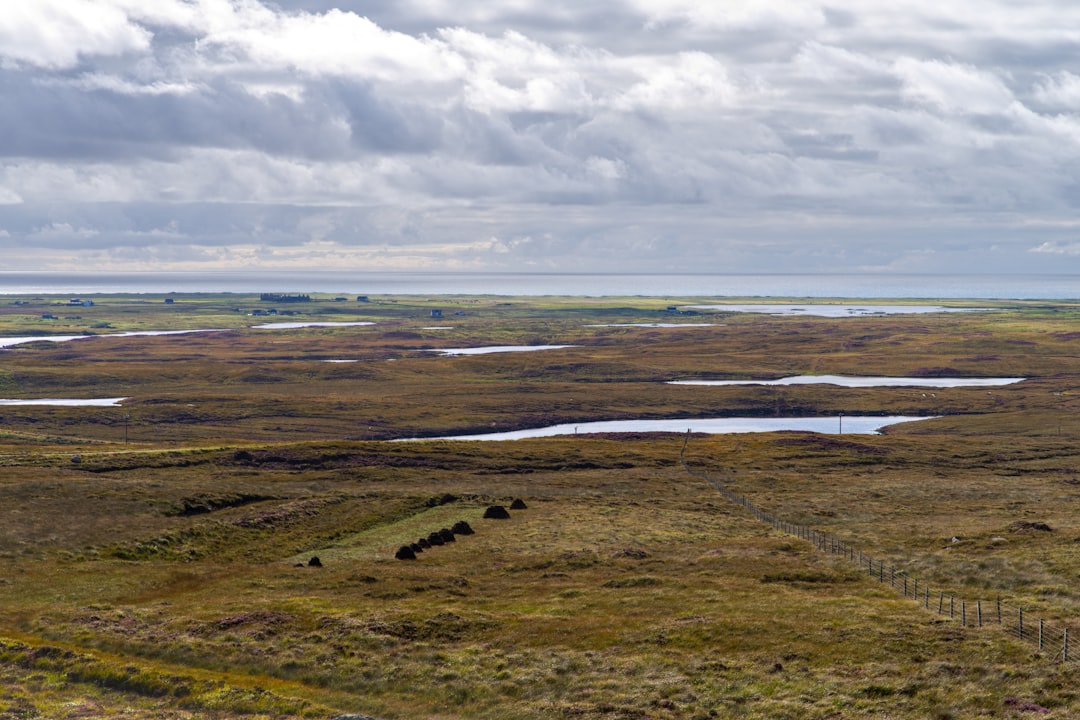
The threat of peatland fires is a persistent and growing concern, particularly in regions experiencing drier summers and increased human activity. These unique ecosystems, characterized by their waterlogged soil rich in partially decayed organic matter, are vital carbon sinks and crucial habitats. However, when drained and dried, peatlands transform from a damp sanctuary into a tinderbox, capable of sustaining fires that are exceptionally difficult to extinguish and release vast quantities of stored carbon into the atmosphere. Rewetting peatlands has emerged as a significant and scientifically supported strategy to mitigate this escalating risk.
Peatlands, often referred to as the “lungs of the planet,” can store immense amounts of carbon, accumulated over millennia. This carbon is locked away in a waterlogged environment where decomposition is slow. The very conditions that preserve this carbon also act as a natural fire retardant. However, the delicate balance is easily disrupted.
What Makes Peatlands So Flammable?
The organic matter within peatlands, when exposed to air and dried out, becomes highly combustible. Unlike surface vegetation fires, peat fires burn deep within the soil, smoldering for weeks or even months. This subterranean burning is insidious because the surface may appear unaffected while beneath, the peat is actively consuming itself. The carbon stored in peat acts as fuel, and once ignited, it releases greenhouse gases with potent warming effects.
The Role of Water as a Natural Firebreak
Water is the primary defense against peatland fires. The high water table in healthy peatlands saturates the organic material, making it difficult for fires to ignite and spread. Think of a peatland as a sponge. When it is fully saturated, it is resistant to combustion. However, as the water recedes, the sponge begins to dry out, becoming more porous and susceptible to ignition.
Consequences of Peatland Fires: A Multifaceted Crisis
The ramifications of peatland fires extend far beyond immediate destruction. They represent a significant setback in the fight against climate change, releasing decades or even centuries of stored carbon in a single event. The impact on biodiversity is also devastating, destroying habitats and threatening species. Furthermore, the smoke plumes generated by these fires can travel vast distances, impacting air quality and human health across large regions.
Rewetting peatlands is a crucial strategy for reducing fire risks associated with these carbon-rich ecosystems. A related article that delves deeper into the benefits and methodologies of peatland restoration can be found at Freaky Science. This resource provides valuable insights into how rewetting not only mitigates fire hazards but also contributes to biodiversity conservation and climate change mitigation.
The Science Behind Rewetting: Restoring Natural Defenses
Rewetting peatlands involves intentionally raising the water table to levels that are conducive to peat formation and preservation. This process aims to recreate the natural hydrological conditions that have maintained these ecosystems for millennia. It is not simply about adding water; it is about restoring the ecological functionality of the peatland.
How Rewetting Changes Peatland Dynamics
By increasing the moisture content of the peat, rewetting directly reduces its flammability. The saturated peat becomes resistant to ignition, and if a fire does start, the high water content will limit its spread and facilitate its extinguishment. Rewetting also encourages the growth of sphagnum moss, a key peat-forming plant that thrives in wet conditions and helps to maintain the waterlogged environment.
Techniques and Technologies for Peatland Rewetting
Various methods are employed to rewet peatlands, often tailored to the specific landscape and the reasons for its prior drainage. These can include blocking drainage ditches, installing peat dams, restoring natural watercourses, and even using pumping systems in some instances. The goal is to create a self-sustaining hydrological regime that maintains the desired water levels.
The Water Table: A Crucial Indicator
Monitoring and maintaining the water table at an appropriate level is paramount. The ideal depth will vary depending on the specific peatland type and its ecological requirements, but generally, a water table close to the surface is indicative of a healthy, fire-resistant peatland.
Benefits of Rewetting: A Proactive Approach to Fire Prevention
Rewetting peatlands offers a powerful and proactive approach to mitigating fire risk. It addresses the root cause of the flammability – the dryness of the peat – rather than simply reacting to fires once they have started. This shift in strategy is crucial for long-term ecosystem health and climate resilience.
Reduced Flammability: A Direct Impact
The most immediate and significant benefit of rewetting is the substantial reduction in peatland flammability. Saturation makes the peat resistant to ignition, acting as a natural firebreak. This drastically lowers the likelihood and severity of peat fires, saving valuable resources and preventing immense carbon emissions.
Carbon Sequestration: Reversing the Trend
Healthy, rewetted peatlands can transition from being sources of carbon to sinks. The moist environment allows for the regeneration of peat-forming vegetation, which then absorbs atmospheric carbon dioxide. This helps to reverse the carbon loss associated with drained and degraded peatlands and contributes to global climate change mitigation efforts.
Biodiversity Restoration: A Haven for Life
Rewetting not only reduces fire risk but also creates conditions favorable for the return and flourishing of characteristic peatland flora and fauna. Many species have adapted to these unique wet environments and their recovery is intrinsically linked to the restoration of hydrological conditions. This contributes to the overall health and resilience of these vital ecosystems.
Improved Water Quality: A Ripple Effect
Peatlands play a critical role in filtering water. Rewetting can improve water quality by enhancing the natural filtration processes of the peat, removing pollutants and sediments. This has downstream benefits for rivers, lakes, and human water supplies.
Challenges and Considerations in Peatland Rewetting
While the benefits of rewetting are clear, the process is not without its challenges. Careful planning, site-specific assessments, and community engagement are essential for successful and sustainable implementation.
Site-Specific Hydrological Assessment: Understanding the Landscape
Each peatland is unique, and its hydrological regime needs to be thoroughly understood before rewetting is undertaken. Factors such as underlying geology, topography, and existing drainage patterns must be considered to design effective rewetting strategies. A one-size-fits-all approach is unlikely to yield optimal results.
Managing Water Flow: The Art of Containment
Successfully rewetting peatlands often involves managing and redirecting water flow. This can be a complex undertaking, requiring expertise in hydrology and engineering. The aim is to create a stable water table without causing unwanted flooding or impacting neighboring land uses.
Long-Term Monitoring and Maintenance: Ensuring Sustained Success
Rewetting is not a one-time fix. Ongoing monitoring of the water table and the health of the peatland is crucial to ensure the long-term success of the initiative. Maintenance of any structures used for rewetting, such as dams or bunds, will also be necessary.
Community Engagement and Landowner Cooperation: Essential Partnerships
Involving local communities and landowners in the planning and implementation of rewetting projects is vital. Their knowledge of the local area and their buy-in can significantly contribute to the success of the initiative. Addressing any concerns and ensuring equitable benefits are key to fostering strong partnerships.
Rewetting peatlands has emerged as a crucial strategy for reducing fire risk in these vital ecosystems. By restoring their natural hydrology, we can significantly lower the likelihood of peat fires, which not only release large amounts of carbon dioxide but also threaten biodiversity. For further insights into the relationship between peatland management and fire prevention, you can explore this related article on the topic. Understanding these connections is essential for developing effective conservation strategies. To read more, visit this article.
The Future of Peatland Fire Management: A Shift Towards Prevention
| Metric | Value | Unit | Notes |
|---|---|---|---|
| Reduction in Fire Incidence | 70-90 | % | Decrease in fire occurrences after rewetting peatlands |
| Water Table Depth Increase | 20-40 | cm | Average rise in water table level post-rewetting |
| Carbon Emissions Reduction | 50-80 | % | Reduction in CO2 emissions due to decreased peat oxidation and fires |
| Peat Moisture Content Increase | 15-25 | % | Increase in moisture content of peat soils after rewetting |
| Fire Severity Reduction | 60-85 | % | Decrease in intensity and damage caused by fires |
| Time to Rewet Effectiveness | 1-3 | Years | Time taken for rewetting to significantly reduce fire risk |
The increasing frequency and intensity of peatland fires underscore the urgent need for a paradigm shift in how these ecosystems are managed. A proactive approach, centered on rewetting, offers a sustainable and effective solution to a growing global challenge. Investing in peatland restoration is not just about preventing fires; it is about safeguarding vital carbon stores, protecting biodiversity, and ensuring a healthier planet for future generations. The rewetting of peatlands is akin to rebuilding the protective shield around a precious resource, transforming a potential wildfire from an imminent threat into a distant echo. It is a strategy that embraces the restorative power of nature, offering a path towards resilience in the face of a changing climate.

WATCH NOW ▶️ SHOCKING: Why Your Air Is Literally A Lie
FAQs
What is peatland rewetting?
Peatland rewetting is the process of restoring the natural water levels in peatlands by blocking drainage channels or other methods to raise the water table. This helps to re-saturate the peat soil, which is typically dry due to drainage.
How does rewetting peatlands reduce fire risk?
Rewetting peatlands increases the moisture content of the peat, making it less likely to catch fire. Dry peat is highly flammable and can sustain underground fires that are difficult to extinguish. By restoring wet conditions, the risk of peat fires is significantly lowered.
Why are peatland fires a concern?
Peatland fires release large amounts of carbon dioxide and other greenhouse gases, contributing to climate change. They also cause air pollution, damage ecosystems, and can be difficult and costly to control. Protecting peatlands from fire is important for environmental and public health.
What methods are used to rewet peatlands?
Common methods include blocking drainage ditches with dams or peat plugs, raising water levels through controlled flooding, and restoring natural hydrology by removing infrastructure that drains the peatland. These techniques help to maintain higher water tables.
Can rewetting peatlands restore biodiversity?
Yes, rewetting peatlands can help restore native plant and animal species that depend on wet conditions. Healthy, wet peatlands support diverse ecosystems and provide important habitat for wildlife, contributing to overall biodiversity conservation.