
The physiological landscape shifts profoundly at high altitudes, presenting the human body with unique challenges, particularly concerning oxygen delivery. Understanding alveolar oxygen, the crucial interface where gas exchange occurs in the lungs, becomes paramount in these environments. This article delves into the intricacies of alveolar oxygen dynamics at high altitudes, exploring the fundamental principles governing its reduction, the body’s adaptive responses, and the clinical implications for mountaineers, aviators, and residents of high-altitude regions.
At the core of the high-altitude oxygen deficit lies the principle of atmospheric pressure. As one ascends, the total atmospheric pressure decreases, not the percentage of oxygen in the air. This fundamental concept, often misunderstood, is the genesis of hypobaric hypoxia.
Dalton’s Law of Partial Pressures
Dalton’s Law dictates that the total pressure exerted by a mixture of non-reacting gases is equal to the sum of the partial pressures of the individual gases. In the context of atmospheric air, this means that while oxygen comprises approximately 21% of the total atmospheric volume at any altitude, its partial pressure diminishes significantly with increasing elevation.
- Sea Level Baseline: At sea level, the standard atmospheric pressure is around 760 mmHg. The partial pressure of oxygen (PO₂) is approximately 21% of this, or about 160 mmHg. This is the physiological “normal” against which high-altitude changes are measured.
- Altitude Impact: As altitude increases, the total atmospheric pressure drops. For example, at 5,500 meters (around 18,000 feet), typical atmospheric pressure is roughly half that at sea level, around 380 mmHg. Consequently, the partial pressure of oxygen also drops by half, to about 80 mmHg. This reduction in the driving force for oxygen into the lungs is the primary challenge.
The Barometric Pressure Analogy
Imagine a large bucket of water representing the total atmospheric pressure. Floating within this bucket are smaller, distinct sponges, each representing a different gas (nitrogen, oxygen, argon, etc.). Regardless of whether the bucket is on a tabletop (sea level) or held aloft (high altitude), the sponges still occupy the same proportion of the bucket’s volume. However, if the bucket itself shrinks due to lower total pressure, the absolute amount of water within each sponge, representing the partial pressure, also diminishes. This analogy illustrates why the percentage of oxygen remains constant while its partial pressure decreases.
Understanding alveolar oxygen partial pressure is crucial for assessing how altitude affects human physiology. For a deeper exploration of this topic, you can refer to a related article that discusses the impact of altitude on oxygen availability and its implications for health and performance. This article provides valuable insights into the physiological adaptations required for high-altitude living and the challenges faced by climbers and athletes. To read more, visit Freaky Science.
From Atmosphere to Alveoli: The Oxygen Journey
The path oxygen takes from the surrounding air to the pulmonary capillaries involves several crucial steps, each contributing to a further reduction in its partial pressure.
The Tracheal Water Vapor Correction
As ambient air is inspired, it is warmed and humidified within the respiratory tract. Water vapor, being a gas, exerts its own partial pressure, which subtracts from the total atmospheric pressure available for other gases. This effect is relatively constant regardless of altitude.
- Fixed Water Vapor Pressure: At body temperature (37°C), the partial pressure of water vapor (PH₂O) in saturated air within the airways is approximately 47 mmHg. This value is subtracted from the local atmospheric pressure before calculating the partial pressures of other gases in the trachea.
- Consequence for PO₂: This subtraction means that even before reaching the alveoli, the inhaled PO₂ is already lower than the ambient PO₂. For example, at sea level, tracheal PO₂ is closer to 150 mmHg (160 mmHg – 47 mmHg).
The Alveolar Gas Equation: A Window into Alveolar PO₂
The alveolar gas equation is a critical tool for calculating the partial pressure of oxygen in the alveoli (PAO₂), taking into account factors like atmospheric pressure, carbon dioxide levels, and the respiratory quotient.
- Equation Components: PAO₂ = PIO₂ – (PACO₂ / R), where PIO₂ is the partial pressure of oxygen in inspired air, PACO₂ is the partial pressure of carbon dioxide in the alveoli, and R is the respiratory quotient (the ratio of carbon dioxide production to oxygen consumption, typically around 0.8).
- The Crucial Role of PACO₂: The partial pressure of carbon dioxide in the alveoli (PACO₂) is a particularly dynamic variable at high altitudes. As the body attempts to compensate for reduced oxygen by increasing ventilation (hyperventilation), more carbon dioxide is exhaled. This reduction in PACO₂ effectively raises PAO₂ by a small लेकिन significant amount, partially mitigating the hypobaric effect. It’s like removing a small barrier to make the oxygen path clearer.
Physiological Adaptations to Hypoxia
The human body possesses a remarkable ability to adapt to chronic hypoxic conditions, employing a suite of physiological responses to optimize oxygen delivery and utilization.
Acute Ventilatory Response
The immediate response to decreased oxygen availability is an increase in both the rate and depth of breathing, a phenomenon known as hyperventilation.
- Peripheral Chemoreceptors: specialized oxygen-sensitive cells located in the carotid bodies and aortic arch detect the fall in arterial PO₂. These chemoreceptors send signals to the brainstem respiratory centers, stimulating an increase in ventilation.
- Washout of CO₂: As previously mentioned, hyperventilation leads to an increased exhalation of CO₂, lowering plasma PCO₂ and consequently increasing alveolar PO₂ through the alveolar gas equation. This induced respiratory alkalosis is a double-edged sword, however, as it can also trigger peripheral vasoconstriction and shift the oxygen-hemoglobin dissociation curve, potentially hindering oxygen unloading to tissues.
Chronic Hematological Adaptations
Over days to weeks at high altitude, the body institutes more profound changes, particularly within the hematopoietic system, to enhance oxygen carrying capacity.
- Erythropoietin (EPO) Production: The kidneys detect the chronic hypoxemia and release erythropoietin, a hormone that stimulates the bone marrow to produce red blood cells (erythrocytosis). This increases the hematocrit (the proportion of blood volume occupied by red blood cells) and, consequently, the oxygen-carrying capacity of the blood.
- Hemoglobin Concentration: An increase in red blood cell count directly translates to a higher concentration of hemoglobin, the protein responsible for binding and transporting oxygen. This is akin to adding more cargo ships to a fleet, allowing more goods (oxygen) to be carried.
- 2,3-Bisphosphoglycerate (2,3-BPG): High-altitude exposure also increases the intra-erythrocytic concentration of 2,3-BPG. This molecule binds to hemoglobin and shifts the oxygen-hemoglobin dissociation curve to the right, meaning that hemoglobin releases oxygen more readily to the tissues, even at lower partial pressures. This is like a spring-loaded latch on the oxygen cargo, making it easier to unload at the destination.
Cardiovascular Adjustments
The cardiovascular system also plays a vital role in adapting to high-altitude hypoxia, albeit with some potentially detrimental effects.
- Increased Cardiac Output: Initially, the heart pumps more blood per minute (increased cardiac output) to compensate for the lower oxygen content per unit of blood. This is achieved primarily through an increase in heart rate.
- Pulmonary Vasoconstriction: A unique response to alveolar hypoxia is the contraction of pulmonary arterioles, leading to increased resistance in the pulmonary circulation. This “hypoxic pulmonary vasoconstriction” directs blood flow away from poorly ventilated areas of the lung towards better-ventilated areas, thereby optimizing gas exchange. However, generalized, severe pulmonary vasoconstriction can lead to pulmonary hypertension, a precursor to serious high-altitude illnesses like High-Altitude Pulmonary Edema (HAPE).
High-Altitude Illnesses and Clinical Implications
The body’s adaptive mechanisms, though sophisticated, can be overwhelmed by rapid ascent or extreme altitudes, leading to a spectrum of high-altitude illnesses. Understanding alveolar oxygen dynamics is crucial for preventing and managing these conditions.
Acute Mountain Sickness (AMS)
AMS is the most common high-altitude illness, characterized by headache, nausea, fatigue, dizziness, and sleep disturbances. It typically occurs within 6-12 hours of rapid ascent and is a direct consequence of the physiological stress imposed by reduced alveolar oxygen.
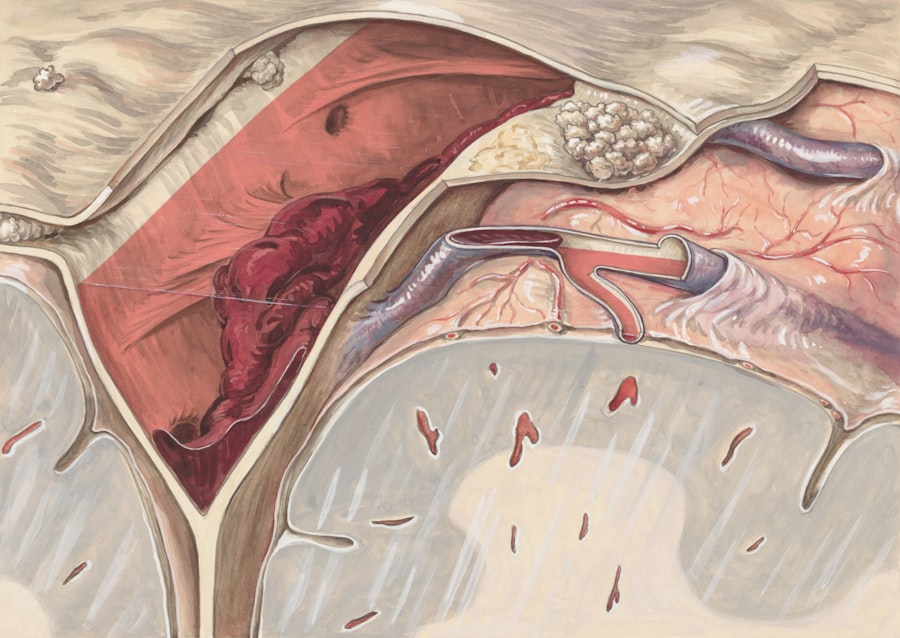
- Cerebral Vasodilation: The body’s initial response to hypoxia includes cerebral vasodilation, increasing blood flow to the brain to maintain oxygen delivery. However, this can also lead to increased intracranial pressure, contributing to headache and other neurological symptoms.
- Fluid Imbalance: Changes in fluid balance and electrolyte regulation, influenced by hypoxic stress and ventilatory changes, also play a role in AMS pathophysiology.
High-Altitude Pulmonary Edema (HAPE)
HAPE is a potentially fatal condition characterized by fluid accumulation in the lungs, severely impairing oxygen exchange. It is primarily driven by exaggerated hypoxic pulmonary vasoconstriction.
- Uneven Vasoconstriction: In susceptible individuals, the pulmonary vasoconstriction is not uniform, leading to areas of profound vasoconstriction alongside areas that are over-perfused. This uneven flow creates high capillary pressures in the over-perfused regions, forcing fluid out of the capillaries and into the alveolar spaces.
- Symptoms: Shortness of breath, cough (often producing pink, frothy sputum), chest tightness, and severe fatigue are common symptoms. Early recognition and immediate descent are critical.
High-Altitude Cerebral Edema (HACE)
HACE is another life-threatening condition involving profound brain swelling. It is considered a severe progression of AMS.
- Capillary Leakage: Similar to HAPE, HACE results from increased capillary permeability in the brain, allowing fluid to leak into the brain parenchyma. The exact mechanisms are complex but involve increased cerebral blood flow, endothelial dysfunction, and inflammatory responses exacerbated by severe hypoxia.
- Neurological Deterioration: Symptoms include severe headache, ataxia (difficulty with coordination), altered mental status, and eventually coma and death if not treated promptly with descent and oxygen.
Understanding alveolar oxygen partial pressure at different altitudes is crucial for various fields, including medicine and aviation. For a deeper insight into how altitude affects oxygen levels in the body, you can explore a related article that discusses the physiological adaptations humans undergo in high-altitude environments. This article provides valuable information on the challenges faced and the strategies employed to maintain adequate oxygenation. To read more about this fascinating topic, visit this article.
Acclimatization Strategies and Prevention
| Altitude (meters) | Atmospheric Pressure (kPa) | Fraction of Inspired Oxygen (FiO₂) | Alveolar Oxygen Partial Pressure (PAO₂) (kPa) | Comments |
|---|---|---|---|---|
| 0 (Sea Level) | 101.3 | 0.21 | 13.3 | Standard atmospheric conditions |
| 1,500 | 84.0 | 0.21 | 11.0 | Moderate altitude, slight decrease in PAO₂ |
| 3,000 | 70.1 | 0.21 | 9.2 | Significant reduction in oxygen availability |
| 5,000 | 54.0 | 0.21 | 7.0 | High altitude, hypoxic conditions begin |
| 8,000 | 36.0 | 0.21 | 4.7 | Extreme altitude, supplemental oxygen often required |
Armed with an understanding of alveolar oxygen dynamics, individuals can adopt strategies to enhance acclimatization and reduce the risk of high-altitude illnesses.
Gradual Ascent
The most effective prevention strategy is a slow and gradual ascent, allowing the body sufficient time to implement its adaptive responses.
- “Climb High, Sleep Low”: This principle suggests ascending to a higher altitude during the day for activity but descending to a lower altitude for sleep. This practice optimizes the stimulus for acclimatization while minimizing the severity of nocturnal hypoxemia.
- Staged Ascents: Incorporating rest days at intermediate altitudes is crucial. The body needs time to upregulate red blood cell production, adjust acid-base balance, and modify cardiovascular function.
Pharmacological Interventions
Certain medications can aid in acclimatization or treat symptoms of high-altitude illness.
- Acetazolamide: This carbonic anhydrase inhibitor increases bicarbonate excretion by the kidneys, inducing a mild metabolic acidosis. This acidosis stimulates respiration, leading to increased alveolar ventilation and a higher PAO₂. It is often used for prevention of AMS.
- Dexamethasone: A corticosteroid, dexamethasone is used to treat severe AMS, HACE, and occasionally HAPE by reducing swelling (edema). However, it does not aid acclimatization directly.
- Nifedipine and Tadalafil: These medications, typically calcium channel blockers and phosphodiesterase inhibitors respectively, are vasodilators that can reduce pulmonary arterial pressure and are used in the treatment and prevention of HAPE.
Oxygen Supplementation
In severe cases of high-altitude illness or for individuals at extreme altitudes, supplemental oxygen is a life-saving intervention.
- Increased PIO₂: Administering oxygen directly increases the partial pressure of inspired oxygen (PIO₂), thereby raising PAO₂ and improving arterial oxygen saturation. This is akin to patching a leak in the oxygen supply chain.
- Recovery and Descent Aid: Supplemental oxygen can stabilize a patient, allowing for safe descent, which remains the definitive treatment for severe high-altitude illnesses.
Conclusion
The journey of oxygen from the atmosphere to the alveoli is a finely tuned symphony that orchestrates life. At high altitudes, this symphony faces significant challenges as the very air we breathe becomes a less potent source of essential oxygen. Understanding the decline in atmospheric pressure, the impact of water vapor, the crucial role of the alveolar gas equation, and the body’s remarkable adaptive strategies is not merely an academic exercise. It empowers individuals to navigate these challenging environments safely and allows medical professionals to effectively diagnose and treat high-altitude illnesses. The air at high altitude serves as a powerful reminder that while the percentage of oxygen remains constant, its functional availability is profoundly dictated by the subtle yet critical dynamics of pressure and biological response. Researchers continue to unravel the complexities of high-altitude physiology, constantly refining our ability to predict, prevent, and treat the medical challenges posed by diminished alveolar oxygen.

WATCH NOW ▶️ SHOCKING: Why Your Air Is Literally A Lie
FAQs
What is alveolar oxygen partial pressure?
Alveolar oxygen partial pressure (PAO2) refers to the amount of oxygen pressure within the alveoli of the lungs, where gas exchange occurs between the air and the blood.
How does altitude affect alveolar oxygen partial pressure?
As altitude increases, atmospheric pressure decreases, leading to a lower partial pressure of oxygen in the air. This results in a reduced alveolar oxygen partial pressure, which can affect oxygen uptake in the lungs.
Why is alveolar oxygen partial pressure important for respiration?
Alveolar oxygen partial pressure determines the gradient for oxygen diffusion from the alveoli into the blood. Adequate PAO2 is essential for efficient oxygen transfer and maintaining proper oxygen levels in the body.
How does the body compensate for lower alveolar oxygen partial pressure at high altitudes?
The body adapts through increased breathing rate (hyperventilation), increased red blood cell production, and changes in hemoglobin affinity for oxygen to improve oxygen delivery despite lower PAO2.
Can alveolar oxygen partial pressure be measured directly?
Alveolar oxygen partial pressure is typically estimated using calculations based on inspired oxygen concentration, atmospheric pressure, and carbon dioxide levels rather than measured directly, as direct measurement is invasive and complex.