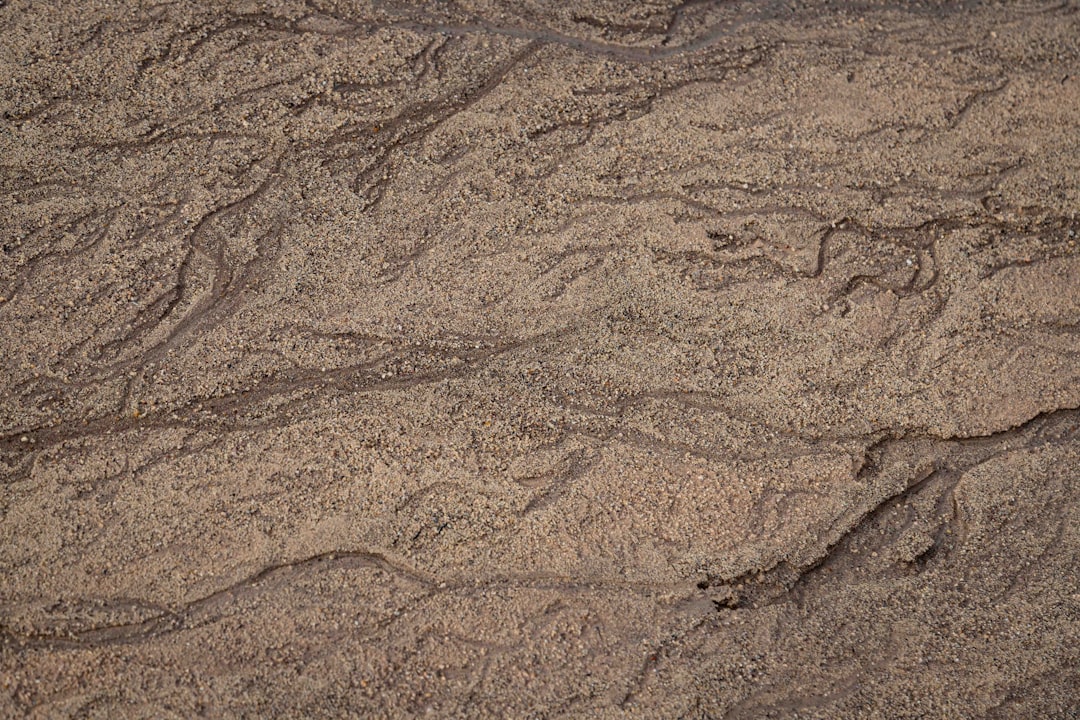
Earth’s crust, vast and seemingly static, is in reality a dynamic canvas, constantly sculpted by forces within and upon it. Structural geology, a discipline of earth science, endeavors to decipher the language of these transformations. It is the art of reading the scars etched into the planet’s surface and within its hidden depths, understanding how they tell tales of immense pressures, colossal stretches, and slow, persistent movements over geological time. This field seeks to unravel the mysteries of how rocks deform and how these deformations, accumulated over eons, shape the very architecture of our world.
To grasp the complexities of structural geology, one must first comprehend the fundamental ways in which rocks respond to stress. Rock deformation is not a single phenomenon but a spectrum of behaviors dictated by factors such as temperature, pressure, rock type, and the duration of applied forces. Imagine rocks as a loaf of bread; under gentle pressure, it might bend. Apply more force, and it might fracture. With extreme heat and pressure, it could even flow like putty.
Elastic Deformation: The Bend Before the Break
Under moderate stress, rocks exhibit elastic deformation. This means that they deform temporarily, returning to their original shape once the stress is removed. Think of stretching a rubber band; it elongates, but when released, it snaps back. In geological terms, this elastic limit is crucial. If the applied stress exceeds this limit, the deformation becomes permanent, leading to plastic deformation or fracturing.
Plastic Deformation: Bending Without Breaking
When stress surpasses the elastic limit but doesn’t cause immediate fracture, rocks undergo plastic deformation. This is a permanent change in shape, where the rock’s internal structure is reconfigured without a complete loss of cohesion. This is akin to bending a paperclip; it retains its new shape. In the Earth’s crust, plastic deformation is responsible for folding and flowing in rocks, particularly at greater depths where temperatures and pressures are significantly higher, rendering the rocks more ductile.
Brittle Deformation: The Snap of Fracture
At lower temperatures and pressures, and often with rapid application of stress, rocks behave brittlely. This results in fracture, where the rock breaks or cracks. Picture snapping a dry twig; it breaks cleanly. In structural geology, brittle deformation manifests as faults—fractures along which there has been movement—and joints—fractures where there has been no significant displacement. The type of brittle failure depends on the stress orientation and the rock’s inherent properties.
Factors Influencing Deformation
Several key factors govern how rocks deform. Temperature profoundly affects ductility; higher temperatures make rocks more likely to flow plastically by weakening interatomic bonds. Pressure, specifically confining pressure from overlying rocks, tends to inhibit brittle fracture and encourage plastic deformation by squeezing pore spaces and hindering crack propagation. The rate of strain is also critical; rapid loading often leads to brittle failure, while slow, sustained deformation favors plastic behavior. Finally, the composition and fabric of the rock itself play a significant role, with some rock types being inherently more prone to folding or faulting than others.
For those interested in exploring the intricate relationships between geological structures and tectonic processes, a related article can be found at Freaky Science. This resource delves into various aspects of structural geology, including faulting, folding, and the implications of these processes on Earth’s landscape. Whether you are a student or a professional in the field, this article provides valuable insights that complement the study of structural geology.
The Architects of Structure: Folds and Faults
The most observable and significant products of rock deformation are folds and faults. These are the macroscopic signatures of the immense forces that have reshaped the Earth’s crust over geological time. They are like the wrinkles on a crumpled piece of paper, each representing a story of compression and movement.
The Art of Folding: Compressive Architecture
Folds are wave-like bends in rock layers, indicative of compressional forces. They are not random crumplings but organized structures that mirror the stresses applied.
Symmetrical and Asymmetrical Folds
In symmetrical folds, the axial plane (the imaginary plane that bisects the fold) is perpendicular to the bedding planes. In asymmetrical folds, the axial plane is tilted, reflecting a more directional application of force.
Anticlines and Synclines: The Upward and Downward Waves
The most basic fold types are anticlines, which are convex upwards, forming arch-like structures with the oldest rocks in the core, and synclines, which are concave upwards, forming trough-like structures with the youngest rocks in the core. Imagine a series of waves; the peaks are anticlines, and the troughs are synclines.
Other Fold Geometries
More complex fold geometries exist, including recumbent folds where the axial plane is horizontal, indicating intense compressional stress that has essentially flipped the layers over, and isoclinal folds where the limbs are parallel, signifying extreme compression.
The Language of Faulting: Fractures of Movement
Faults represent breaks in the Earth’s crust accompanied by displacement. They are the scars left when the rock’s strength is exceeded, leading to slippage along the fracture surface.
Dip-Slip Faults: Vertical Journeys
In dip-slip faults, movement is primarily vertical, parallel to the dip of the fault plane.
Normal Faults: The Pull Apart
Normal faults occur when the hanging wall (the block of rock above the fault plane) moves down relative to the footwall (the block below). These are characteristic of extensional tectonic settings, where the crust is being pulled apart, like a tug-of-war where one side is slipping down.
Reverse Faults: The Push Together
Reverse faults occur when the hanging wall moves up relative to the footwall. These are associated with compressional forces, where the crust is being squeezed. A special case of a reverse fault is a thrust fault, where the dip of the fault plane is very shallow, often leading to extensive stacking of rock units.
Strike-Slip Faults: Sideways Sliding
In strike-slip faults, movement is primarily horizontal, parallel to the strike of the fault plane. The San Andreas Fault in California is a classic example, where the Pacific Plate is sliding past the North American Plate. Imagine two cars scraping past each other on a road; the movement is parallel to the road’s surface.
Oblique-Slip Faults: A Combination of Motion
Oblique-slip faults exhibit a combination of both dip-slip and strike-slip movement.
Building Blocks of Continents: The Role of Plate Tectonics
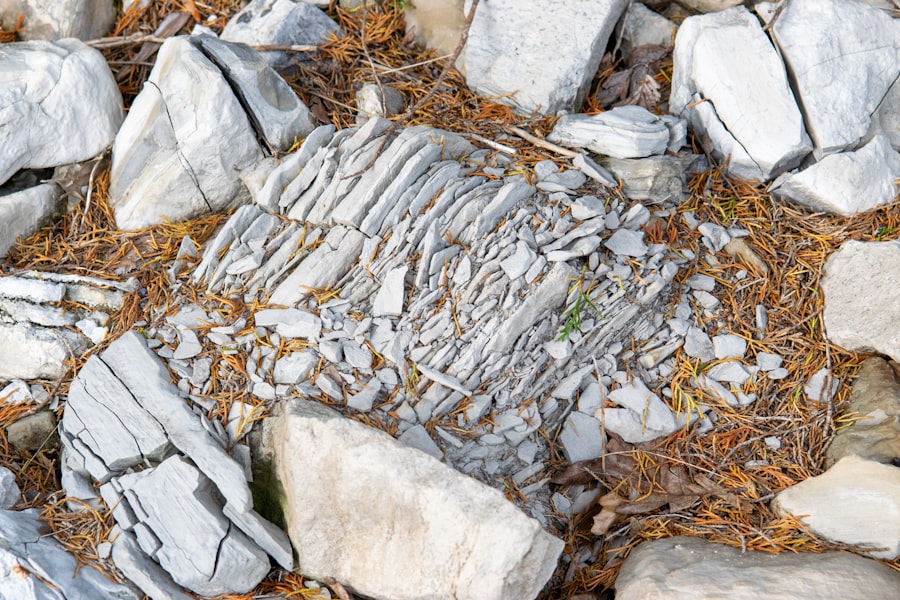
The grand narrative of structural geology is inextricably linked to the theory of plate tectonics, the unifying framework that explains the large-scale movement of Earth’s lithospheric plates. Folds, faults, and other structural features are the direct consequences of these plate interactions.
Convergent Plate Boundaries: The Squeeze and Stack
At convergent plate boundaries, where tectonic plates collide, immense compressional forces are generated, leading to the formation of mountain ranges, extensive folding, and thrust faulting. The Himalayas, for instance, are a dramatic testament to the collision of the Indian and Eurasian plates, a process that has uplifted and deformed vast swathes of crust.
Subduction Zones: Plunging Plates and Complex Structures
When oceanic lithosphere collides with continental lithosphere, the denser oceanic plate subducts (plunges) beneath the continental plate. This process creates deep ocean trenches, volcanic arcs, and complex fault systems within the overriding plate.
Continental Collisions: The Ultimate Mountain Builders
The collision of two continental plates, like the Indian and Eurasian plates, results in some of the most spectacular mountain-building events on Earth. The thick crust buckles, folds, and is thrust upwards, creating massive mountain ranges with intricate structural deformation.
Divergent Plate Boundaries: The Stretch and Break
At divergent plate boundaries, where plates move apart, extensional forces dominate. This leads to crustal thinning, rifting, and the formation of normal faults. Mid-ocean ridges, where new oceanic crust is generated, are prime examples of divergent plate boundaries characterized by significant normal faulting. On continents, rifting can lead to the formation of rift valleys.
Transform Plate Boundaries: The Sideways Grind
Transform plate boundaries are characterized by plates sliding past each other horizontally. This motion often results in large strike-slip faults, such as the San Andreas Fault, which can cause significant earthquakes due to the build-up and sudden release of stress.
Beyond Folding and Faulting: Other Structural Elements
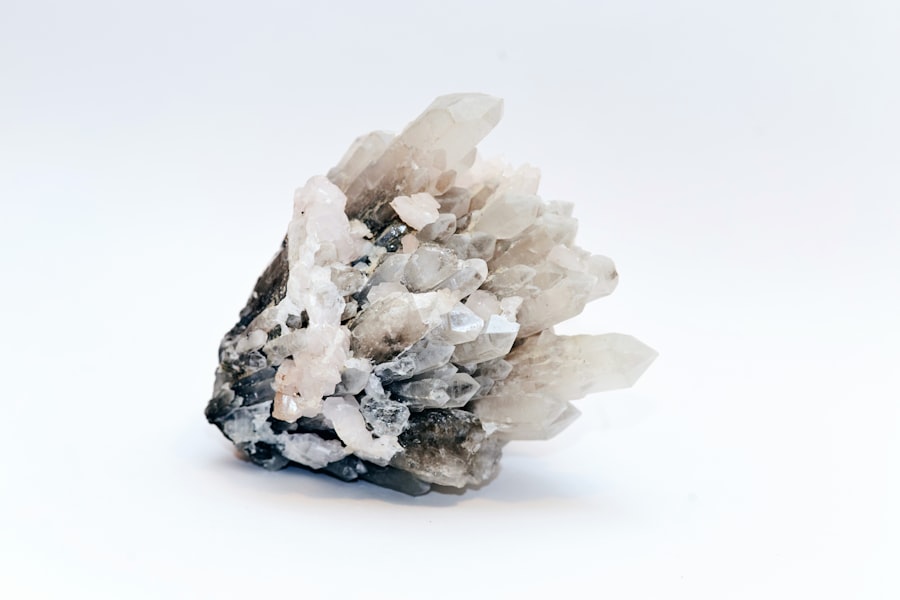
While folds and faults are the most prominent structural features, structural geology encompasses a broader range of phenomena that contribute to the Earth’s complex architecture.
Joints and Fractures: The Cracks in the Crust
Joints are fractures in rocks along which there has been no significant movement. They often form due to tensional stresses or the release of pressure as overlying rocks are eroded. Joints can significantly influence weathering and erosion patterns by providing pathways for water and ice to penetrate the rock. Fractures, in a general sense, encompass all discontinuities in rock, including joints and faults.
Shear Zones: The Flow of Rock
Shear zones are zones of intense deformation where rocks have been subjected to significant shearing forces. Within these zones, rocks can be ductilely deformed, exhibiting flow structures and becoming very susceptible to erosion. These zones often represent areas where rocks have been intensely manipulated during periods of tectonic activity.
Foliation and Lineation: Internal Textures of Deformation
In metamorphic rocks, deformation is often recorded in the development of internal textures like foliation and lineation. Foliation is a planar arrangement of platy or elongated minerals, such as mica, creating a layered or banded appearance. Lineation is a linear arrangement of minerals or other features. These textures provide critical clues about the orientation and intensity of stress and strain experienced by the rock during metamorphism.
Structural geology is a fascinating field that examines the three-dimensional distribution of rock units and their deformational histories. Understanding the intricate patterns of stress and strain in the Earth’s crust can provide valuable insights into tectonic processes and the formation of geological structures. For those interested in exploring this topic further, a related article can be found at Freaky Science, which delves into various aspects of geological formations and their implications for natural resources and environmental studies.
The Significance of Structural Geology: Unlocking Earth’s Secrets
| Metric | Description | Typical Range | Units |
|---|---|---|---|
| Strike | Direction of the line formed by the intersection of a rock surface with a horizontal plane | 0 – 360 | Degrees |
| Dip | Angle at which a rock layer or fault is inclined from the horizontal | 0 – 90 | Degrees |
| Fold Axis Orientation | Direction of the hinge line of a fold | 0 – 360 | Degrees |
| Fault Displacement | Amount of movement along a fault plane | Millimeters to kilometers | Length |
| Joint Spacing | Distance between adjacent joints or fractures | Centimeters to meters | Length |
| Strain | Measure of deformation representing change in shape or size | 0 – 1 (dimensionless) | Ratio |
| Stress | Force applied per unit area within rocks | 0 – 1000 | MPa (Megapascals) |
| Rock Fabric Orientation | Preferred orientation of minerals or grains in a rock | 0 – 360 | Degrees |
Understanding structural geology is not merely an academic pursuit; it is fundamental to comprehending a wide array of geological processes and phenomena that directly impact human society.
Resource Exploration: Fueling Our World
The presence and orientation of structural features like faults, folds, and porous rock layers are critical for the entrapment of valuable natural resources. Oil and gas reservoirs, for instance, are often found in structural traps created by folds or faults. Understanding these structures is essential for effective exploration and extraction of these vital resources. Similarly, groundwater resources are often channeled and stored along fracture networks and faults.
Hazard Assessment: Preparing for Earthquakes and Landslides
Structural geology plays a crucial role in understanding and mitigating geological hazards. The identification and characterization of active faults are paramount for predicting seismic activity and assessing earthquake risks. Understanding the structural integrity of slopes and the presence of pre-existing weaknesses aids in the prediction and prevention of landslides.
Engineering and Construction: Building on Solid Ground
For civil engineers, a thorough understanding of structural geology is indispensable. The stability of foundations for buildings, bridges, and dams is heavily influenced by the underlying rock structures, including the presence of faults, joints, and the rock’s overall deformational history. Designing infrastructure in seismically active areas requires detailed knowledge of fault systems and their potential for movement.
Unraveling Earth’s History: A Geological Archive
Folds, faults, and other structural elements are like pages in a vast geological library. Their interpretation allows geologists to reconstruct past tectonic events, map the movement of continents, and understand the long, dynamic history of our planet. Each fold and fault is a relic of a specific event, a record of forces that have shaped Earth over millions and billions of years.
In conclusion, structural geology is the key that unlocks the earth’s hidden architecture. By studying the language of rock deformation, from microscopic crystal structures to the grand sweep of mountain ranges, we gain invaluable insights into the processes that have, and continue to, shape our dynamic planet. It is a discipline that blends observation, interpretation, and a deep appreciation for the slow, powerful forces that render our world the complex and wondrous place it is.
FAQs
What is structural geology?
Structural geology is the branch of geology that studies the three-dimensional distribution of rock units and their deformational histories. It focuses on understanding the processes that cause rock deformation, such as folding, faulting, and fracturing.
Why is structural geology important?
Structural geology is important because it helps geologists interpret the Earth’s crustal architecture, understand tectonic processes, locate natural resources like oil, gas, and minerals, and assess geological hazards such as earthquakes and landslides.
What are common structures studied in structural geology?
Common structures include folds (bends in rock layers), faults (fractures along which movement has occurred), joints (cracks without displacement), and foliations (planar fabric elements in metamorphic rocks).
How do geologists study structural geology in the field?
Geologists use tools like compasses to measure the orientation of rock layers and structures, map geological formations, analyze rock samples, and employ remote sensing and geophysical methods to interpret subsurface structures.
What role does structural geology play in resource exploration?
Structural geology helps identify traps and reservoirs for hydrocarbons, locate mineral deposits associated with faults and folds, and guide drilling and mining operations by providing insights into subsurface rock configurations.