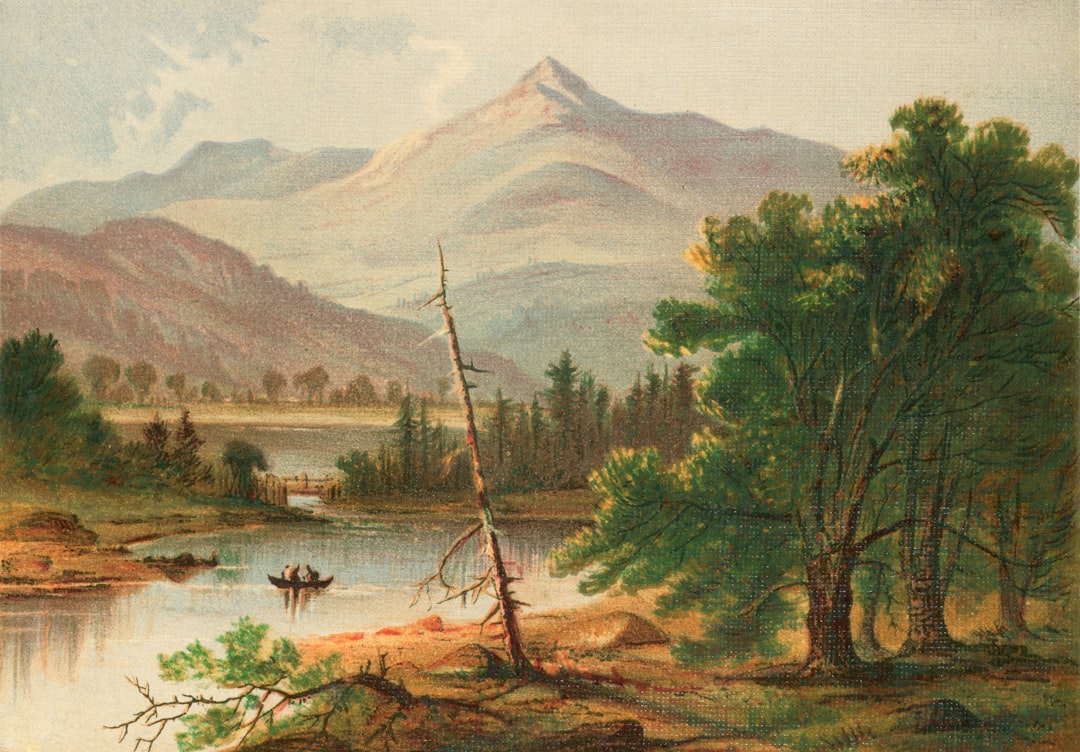
The journey of understanding our planet’s intricate systems has been a long and winding road, marked by shifts in perspective, groundbreaking discoveries, and a growing collective awareness. Environmental science, as a distinct field of study, did not spring forth fully formed. Instead, it evolved organically, a mosaic pieced together from observations, scientific inquiries, and an increasing recognition of humanity’s impact on the natural world. Exploring this evolution reveals not just the progress of scientific thought but also humanity’s evolving relationship with its home.
Before the formalization of environmental science, humans were keen observers of their surroundings. For millennia, survival depended on a profound understanding of natural cycles, seasonal changes, and the interconnectedness of living things. These early observations, while not driven by a scientific methodology in the modern sense, laid the foundational bedrock for future inquiry.
Indigenous Knowledge Systems: A Deep Tapestry of Ecological Awareness
Indigenous communities across the globe developed sophisticated systems of knowledge based on centuries of direct interaction with their environments. These systems were not merely empirical observations; they were woven into cultural narratives, spiritual beliefs, and practical resource management strategies. Their understanding of biodiversity, soil health, water cycles, and the impacts of human activity was often remarkably detailed and nuanced. For example, many indigenous cultures maintained detailed calendars based on celestial movements and the life cycles of plants and animals, enabling them to predict optimal times for planting, harvesting, and hunting. Their traditional agricultural practices, such as shifting cultivation and permaculture, were designed to work in harmony with natural processes, promoting soil fertility and preventing erosion. This ancient wisdom, often transmitted orally, represents a vast, often underappreciated, reservoir of environmental understanding.
Early Naturalists and Philosophers: Laying the Intellectual Groundwork
While indigenous knowledge was deeply rooted in practice, early Western naturalists and philosophers began to systematically categorize and describe the natural world. Thinkers like Aristotle, in ancient Greece, made extensive observations of flora and fauna, laying the groundwork for biological classification. Later, during the Renaissance and the Age of Enlightenment, figures such as Carl Linnaeus developed binomial nomenclature, a hierarchical system for naming and classifying organisms that remains fundamental to biology. Naturalists like Alexander von Humboldt embarked on extensive expeditions, meticulously documenting diverse ecosystems and the geographical distribution of species, highlighting the intricate relationships between organisms and their environments. These early investigations were like building the first sturdy shelves in a vast library of knowledge, organizing the initial entries into the grand book of nature.
One significant aspect of environmental science history is the development of the modern conservation movement, which can be traced back to the early 20th century. An insightful article that delves into this topic is available at Freaky Science, where it explores the pivotal moments and key figures who shaped the field, highlighting the growing awareness of environmental issues and the importance of sustainable practices. This historical perspective is crucial for understanding the current challenges and strategies in environmental science today.
The Industrial Revolution and the Emergence of Environmental Concerns
The Industrial Revolution, a period of unprecedented technological advancement and economic growth, also marked a turning point in humanity’s relationship with the environment. While it brought immense benefits, it also unleashed forces that began to visibly alter the planet’s ecosystems on a larger scale. This era saw the initial sparks of concern for the environmental consequences of human actions.
Resource Exploitation and Early Industrial Impacts: The Shadow Side of Progress
The insatiable demand for raw materials to fuel industrial processes led to widespread deforestation, mining, and the depletion of natural resources. Factories, powered by coal, began to spew pollutants into the atmosphere and waterways, impacting local air and water quality. The scale of these impacts, though localized compared to today’s global challenges, was significant enough to draw attention. The smoke stacks of early factories became potent symbols of this new era of human dominion over nature, a dominion that was beginning to leave its mark.
The Rise of Conservation Movements: A Reaction to Degradation
As the detrimental effects of industrialization became more apparent, early conservation movements began to emerge. In the United States, figures like John Muir championed the preservation of wilderness areas, advocating for national parks as a means of protecting natural beauty and ecological integrity. In Europe, concerns over deforestation and the loss of wildlife led to the establishment of early protected areas and forest management regulations. These movements, often driven by a romantic appreciation for nature and a sense of moral responsibility, represented a nascent recognition that environmental degradation had tangible consequences, not just for nature itself, but for human well-being.
The Mid-20th Century: Formalizing Environmental Science and the Birth of the Environmental Movement
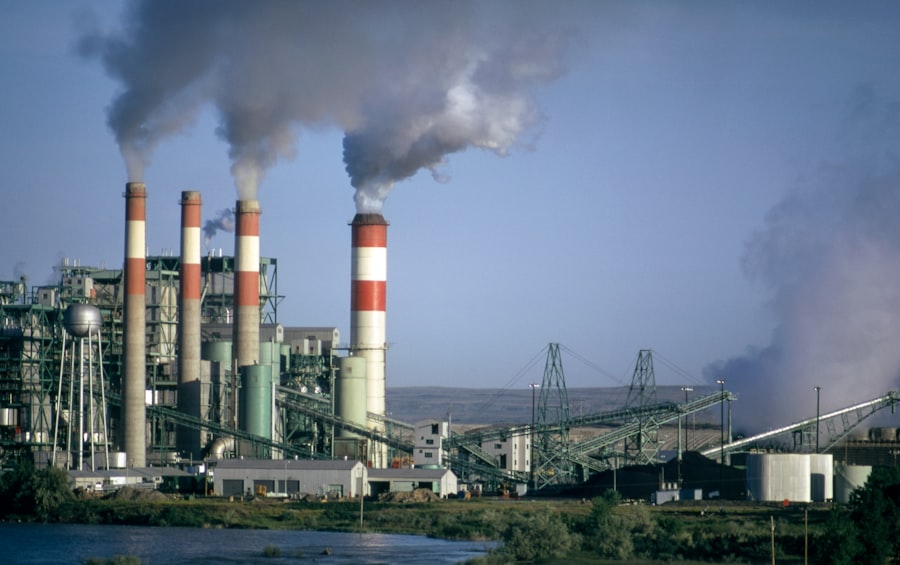
The mid-20th century witnessed a significant shift from localized concerns to a more holistic understanding of environmental issues. Scientific advancements allowed for a deeper analysis of ecological processes, and a growing public awareness, fueled by alarming scientific findings, gave rise to a powerful global environmental movement.
The Development of Ecology as a Scientific Discipline: Understanding Interconnectedness
The formalization of ecology as a distinct scientific discipline was crucial to the advancement of environmental science. Building on the work of earlier naturalists, ecologists began to study the complex interactions between organisms and their environments, focusing on concepts like food webs, energy flow, population dynamics, and ecosystem functions. Thinkers like Arthur Tansley introduced the concept of the “ecosystem,” emphasizing the interconnectedness of biotic and abiotic components. This more scientific approach provided the tools to analyze environmental problems with greater precision and to understand the ripple effects of change. It was like moving from observing individual threads to understanding the intricate weave of the entire tapestry.
Rachel Carson and Silent Spring: A Catalyst for Change
Rachel Carson’s groundbreaking book, Silent Spring (1962), served as a pivotal moment in raising public consciousness about the detrimental effects of pesticides. Her meticulous research and eloquent prose exposed the widespread contamination of the environment by chemicals like DDT, highlighting their impact on wildlife and human health. Silent Spring was a powerful alarm bell, jolting society out of its complacency and galvanizing support for environmental protection. The book provided irrefutable evidence that human actions had far-reaching and dangerous consequences, igniting a broad-based environmental movement.
The First Earth Day and the Establishment of Environmental Agencies: Institutionalizing Action
The success of Silent Spring and the growing public concern culminated in the first Earth Day in 1970, a global event that mobilized millions of people to advocate for environmental protection. This event marked a significant turning point, demonstrating the power of collective action and public demand for governmental intervention. In response to this growing pressure, many countries began to establish dedicated environmental agencies and enact landmark environmental legislation. For instance, the United States saw the creation of the Environmental Protection Agency (EPA) and the passage of the Clean Air Act and the Clean Water Act. This period represented a crucial step in institutionalizing environmental concerns, moving them from the realm of activism to policy and governance.
The Late 20th Century and Beyond: Global Challenges and Scientific Sophistication
As the environmental movement gained momentum, so too did the scientific understanding of complex global environmental challenges. The latter half of the 20th century and the dawn of the 21st century saw a dramatic increase in the sophistication of environmental research, the interconnectedness of global environmental issues, and the urgency of addressing them.
The Growing Awareness of Global Issues: Climate Change and Biodiversity Loss
The scientific understanding of global environmental issues, such as climate change and biodiversity loss, deepened significantly during this period. Researchers began to collect and analyze vast amounts of data on atmospheric composition, global temperatures, and species extinction rates. The Intergovernmental Panel on Climate Change (IPCC), established in 1988, began to synthesize scientific knowledge on climate change, providing authoritative assessments that informed international policy discussions. Similarly, organizations like the World Conservation Union (IUCN) played a crucial role in documenting and raising awareness about the accelerating rate of biodiversity loss. These issues, once seen as distinct local problems, were increasingly recognized as interconnected global crises demanding coordinated international responses. It became clear that the planet’s environmental systems were not isolated compartments but a single, complex, and interdependent organism.
Advancements in Environmental Monitoring and Modeling: Seeing the Invisible
Technological advancements revolutionized environmental science. Remote sensing technologies, such as satellites, provided unprecedented capabilities for monitoring environmental changes on a global scale, from deforestation patterns to ice sheet melt.sophisticated computer models were developed to simulate complex environmental processes, allowing scientists to predict future scenarios and assess the potential impacts of different policy interventions. These tools allowed researchers to peer into the invisible, to measure trends that were not immediately apparent to the naked eye, and to project the consequences of our actions into the future. This era was characterized by a migration from educated guesswork to data-driven predictions.
The Rise of Interdisciplinary Approaches: Bridging Knowledge Gaps
Recognizing that environmental problems are rarely confined to a single discipline, environmental science increasingly embraced interdisciplinary approaches. Collaboration between ecologists, climatologists, geologists, chemists, economists, sociologists, and policy analysts became essential for tackling complex challenges. This integration of diverse perspectives allowed for a more comprehensive understanding of the social, economic, and political dimensions of environmental issues, paving the way for more effective and sustainable solutions. It was like assembling a master craftsman with a diverse set of specialized tools, each equipped to address a particular facet of the grand design.
The study of environmental science has evolved significantly over the years, reflecting the growing awareness of ecological issues and the need for sustainable practices. A fascinating article that delves into the historical milestones of environmental science can be found at Freaky Science, where it explores key developments and influential figures who have shaped the field. This resource provides valuable insights into how past events have paved the way for contemporary environmental policies and practices, highlighting the importance of understanding history in addressing current ecological challenges.
The 21st Century and the Path Forward: Sustainability and Global Stewardship
| Year | Event | Significance | Key Figure(s) |
|---|---|---|---|
| 1864 | George Perkins Marsh publishes “Man and Nature” | First major work to document human impact on the environment | George Perkins Marsh |
| 1948 | Founding of the International Union for Conservation of Nature (IUCN) | Global organization focused on nature conservation and sustainable use of natural resources | Julian Huxley and others |
| 1962 | Publication of “Silent Spring” | Raised awareness about pesticide impacts, especially DDT, on ecosystems | Rachel Carson |
| 1970 | First Earth Day celebrated | Marked the beginning of the modern environmental movement | Senator Gaylord Nelson |
| 1987 | Brundtland Report published | Introduced the concept of sustainable development | World Commission on Environment and Development |
| 1992 | Earth Summit in Rio de Janeiro | Major global conference on environment and development, leading to Agenda 21 | United Nations |
| 2015 | Paris Agreement adopted | Global accord to combat climate change and limit global warming | United Nations Framework Convention on Climate Change (UNFCCC) |
As environmental science moves further into the 21st century, it faces an array of complex and interwoven challenges. The focus has shifted from merely identifying problems to actively developing and implementing solutions that promote long-term sustainability and foster a sense of global stewardship.
The Concept of Sustainability: Balancing Present Needs with Future Generations
The concept of sustainability, encompassing economic viability, social equity, and environmental protection, has become a central tenet of environmental science and policy. The understanding is that genuine progress cannot come at the expense of the planet’s long-term health or the well-being of future generations. This involves transitioning to renewable energy sources, adopting circular economy models, and promoting responsible consumption patterns. The goal is to create systems that can endure, to nourish without depleting, and to grow without destroying.
The Role of Environmental Justice: Equity in Environmental Burdens and Benefits
A critical evolution within environmental science has been the growing recognition of environmental justice. This acknowledges that the burdens of environmental degradation and pollution are disproportionately borne by marginalized communities and marginalized populations, often minority groups and low-income individuals. Conversely, the benefits of environmental protection and restoration should be accessible to all. Addressing environmental justice involves ensuring equitable access to clean air and water, healthy living environments, and participation in environmental decision-making processes. It is about ensuring that the stewardship of the planet is a shared responsibility and that its benefits are equitably distributed.
Climate Action and Ecosystem Restoration: Urgent Imperatives for Survival
Climate change and extensive ecosystem degradation represent the most pressing environmental challenges of our time. While significant progress has been made in understanding these issues, the imperative for urgent and transformative action is greater than ever. This includes ambitious efforts to reduce greenhouse gas emissions, transition to climate-resilient infrastructure, and actively engage in ecosystem restoration projects, from reforesting degraded lands to protecting and revitalizing marine ecosystems. These are not merely scientific endeavors; they are acts of global stewardship, essential for safeguarding the delicate balance of life on Earth for ourselves and for all generations to come. The evolution of environmental science continues, urging us to become more informed, more responsible, and ultimately, more effective custodians of our shared planetary home.
FAQs
What is environmental science?
Environmental science is an interdisciplinary field that studies the interactions between the natural environment and human activities. It combines biology, chemistry, geology, ecology, and social sciences to understand environmental problems and develop solutions.
When did environmental science emerge as a distinct field?
Environmental science began to emerge as a distinct academic discipline in the 1960s and 1970s, driven by growing public awareness of pollution, resource depletion, and ecological degradation.
What historical events influenced the development of environmental science?
Key events include the publication of Rachel Carson’s “Silent Spring” in 1962, which raised awareness about pesticides; the first Earth Day in 1970; and the establishment of environmental protection agencies and legislation worldwide.
How has environmental science evolved over time?
Environmental science has evolved from focusing primarily on pollution control to encompassing broader issues such as climate change, biodiversity loss, sustainable development, and environmental policy.
Why is understanding the history of environmental science important?
Understanding the history helps contextualize current environmental challenges, shows how scientific knowledge and public awareness have shaped policies, and guides future research and action for environmental protection.