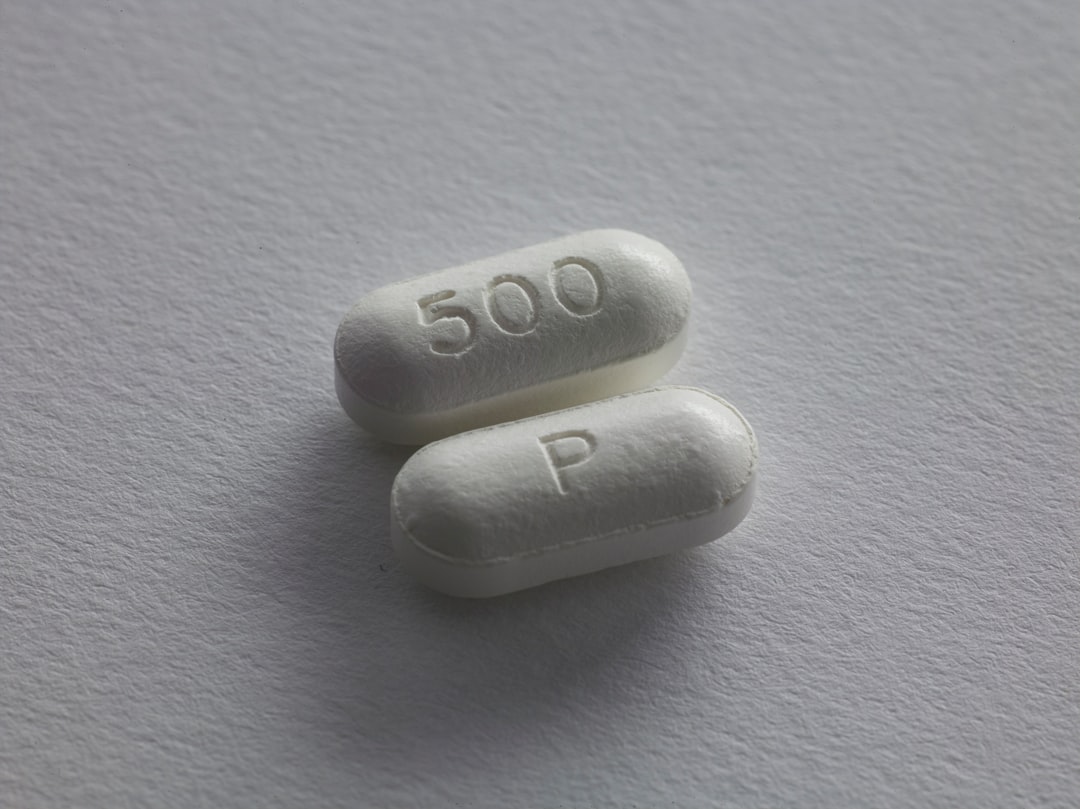
The placebo effect is a fascinating phenomenon that has intrigued scientists and medical professionals for decades. It refers to the beneficial effects that a patient experiences after receiving a treatment that has no therapeutic value, such as a sugar pill or saline injection. This effect is not merely a trick of the mind; it is a complex interplay of psychological and physiological factors that can lead to real changes in a person’s health status.
The placebo effect underscores the power of the mind in influencing bodily functions, demonstrating that belief and expectation can significantly alter one’s experience of pain and illness. Research has shown that the placebo effect can activate the brain’s natural pain-relieving mechanisms, such as the release of endorphins and other neurotransmitters. This activation can lead to measurable improvements in symptoms, even when the treatment administered is inert.
Understanding the placebo effect is crucial for healthcare providers, as it highlights the importance of patient perception and belief in the healing process. By recognizing the potential of this phenomenon, practitioners can better tailor their approaches to enhance patient outcomes, particularly in the realm of pain management.
Key Takeaways
- The placebo effect is a powerful phenomenon where a person experiences a real improvement in symptoms due to their belief in a treatment’s effectiveness.
- Belief plays a significant role in pain management, as positive expectations can lead to reduced pain perception and improved outcomes.
- The mind-body connection can be harnessed to enhance the placebo effect and improve chronic pain management.
- Scientific research has shown that the placebo effect can trigger the release of natural pain-relieving chemicals in the brain, providing a physiological basis for its effectiveness.
- Ethical considerations are important when using placebos for chronic pain, as transparency and patient autonomy must be prioritized in treatment decisions.
The Role of Belief in Pain Management
Belief plays a pivotal role in how individuals perceive and manage pain. When patients believe that a treatment will alleviate their discomfort, their brains can trigger physiological responses that contribute to pain relief. This belief can stem from various sources, including previous experiences with effective treatments, trust in healthcare providers, or even cultural narratives surrounding healing.
The psychological aspect of pain management cannot be overstated; it is often intertwined with emotional states, expectations, and personal histories. Moreover, studies have indicated that the strength of a patient’s belief in a treatment correlates with the intensity of the placebo effect. For instance, individuals who are more optimistic about their recovery tend to report greater reductions in pain levels compared to those who harbor doubts.
This connection between belief and pain perception suggests that fostering a positive mindset may be an essential component of effective pain management strategies. Healthcare providers can leverage this understanding by encouraging patients to adopt a hopeful outlook and actively participate in their treatment plans.
Harnessing the Mind-Body Connection

The mind-body connection is a powerful concept that emphasizes the intricate relationship between mental states and physical health. In the context of chronic pain, this connection becomes particularly relevant as psychological factors can exacerbate or alleviate physical symptoms. Techniques that harness this connection, such as mindfulness meditation, cognitive-behavioral therapy, and guided imagery, have shown promise in helping patients manage their pain more effectively.
By engaging in practices that promote relaxation and mental clarity, individuals can reduce stress and anxiety, which are known to amplify pain perception. For example, mindfulness meditation encourages individuals to focus on their present experience without judgment, allowing them to observe their pain without becoming overwhelmed by it. This shift in perspective can lead to a decrease in perceived pain intensity and an overall improvement in quality of life.
As healthcare providers increasingly recognize the significance of the mind-body connection, they are more likely to incorporate holistic approaches into their treatment plans for chronic pain.
The Science Behind Placebo in Pain Relief
| Study | Participants | Placebo Effect | Conclusion |
|---|---|---|---|
| Aslaksen et al. (2011) | 62 | Significant pain reduction | Placebo analgesia is associated with activation of endogenous pain modulatory systems |
| Eippert et al. (2009) | 15 | Reduced pain intensity | Placebo analgesia is linked to the release of endogenous opioids |
| Wager et al. (2004) | 14 | Decreased pain perception | Placebo analgesia is related to the activation of brain regions involved in pain modulation |
The scientific exploration of the placebo effect has revealed intriguing insights into how it operates within the brain. Neuroimaging studies have demonstrated that when individuals experience placebo-induced pain relief, specific brain regions associated with pain processing become less active. For instance, areas such as the anterior cingulate cortex and the insula show reduced activation during placebo treatment, indicating that the brain’s perception of pain is being altered.
Additionally, research has identified the role of neurotransmitters like dopamine and endorphins in mediating the placebo response. When patients believe they are receiving an effective treatment, their brains may release these chemicals, leading to genuine changes in pain perception. This understanding not only sheds light on the mechanisms behind the placebo effect but also opens up new avenues for developing innovative pain management strategies that harness these biological processes.
Ethical Considerations in Using Placebo for Chronic Pain
The use of placebos in clinical practice raises important ethical questions that must be carefully considered. On one hand, employing placebos can lead to significant improvements in patient outcomes without exposing them to harmful side effects associated with certain medications. However, this practice also raises concerns about informed consent and patient autonomy.
Patients have a right to know what treatments they are receiving and to make informed decisions about their healthcare. In chronic pain management, where patients often seek relief from debilitating symptoms, the temptation to use placebos may be strong. However, healthcare providers must navigate this ethical landscape with caution.
Transparency is key; open discussions about treatment options and the potential benefits of placebos can help build trust between patients and providers. Ultimately, ethical considerations should guide the integration of placebo use into clinical practice, ensuring that patient welfare remains at the forefront.
While much attention has been given to the positive effects of placebos, it is equally important to consider the nocebo effect—the phenomenon where negative expectations lead to adverse outcomes. Just as belief in a treatment can enhance its efficacy, negative beliefs about a treatment can exacerbate symptoms or create new ones. This duality highlights the significant impact that expectations have on health outcomes.
For instance, if a patient believes that a medication will cause side effects or worsen their condition, they may experience those very symptoms even if they are receiving an inert substance. This nocebo effect can complicate treatment plans and hinder recovery efforts. Understanding this dynamic is crucial for healthcare providers as they work to foster positive expectations while addressing any fears or concerns patients may have about their treatments.
Integrating Placebo with Conventional Treatments
Integrating placebo effects into conventional treatments presents an opportunity for enhancing patient care in chronic pain management. By acknowledging the power of belief and expectation, healthcare providers can create treatment plans that maximize both pharmacological interventions and psychological support. This integrative approach may involve using placebos alongside active treatments or employing techniques that enhance the placebo response.
For example, providers might consider using positive reinforcement strategies, such as encouraging patients to share their success stories or emphasizing the effectiveness of certain treatments based on clinical evidence. Additionally, creating an environment that fosters trust and open communication can enhance patients’ beliefs in their treatments, potentially amplifying the placebo effect. By blending conventional medicine with an understanding of psychological factors, healthcare professionals can offer more comprehensive care for those suffering from chronic pain.
The Importance of Patient-Provider Communication in Placebo Use
Effective communication between patients and healthcare providers is essential for optimizing the benefits of placebo effects in pain management. When providers take the time to listen to their patients’ concerns and validate their experiences, they create an environment conducive to healing. Open dialogue allows patients to express their beliefs and expectations regarding treatment options, which can significantly influence their outcomes.
Moreover, clear communication about the rationale behind treatment choices—including discussions about placebos—can empower patients to take an active role in their care. When patients feel informed and involved in decision-making processes, they are more likely to develop trust in their providers and adhere to treatment plans. This collaborative approach not only enhances patient satisfaction but also maximizes the potential for positive health outcomes through both conventional treatments and placebo effects.
Placebo in Alternative Therapies for Chronic Pain
Alternative therapies often embrace holistic approaches that align well with the principles underlying the placebo effect. Practices such as acupuncture, chiropractic care, and herbal medicine frequently rely on patients’ beliefs and expectations to elicit positive outcomes. In many cases, these therapies may not have robust scientific backing; however, their effectiveness can be attributed to the strong placebo response they evoke.
For instance, acupuncture has been shown to produce significant pain relief for various conditions, partly due to patients’ beliefs in its efficacy. Similarly, chiropractic adjustments may lead to improvements not solely because of physical manipulation but also due to patients’ expectations of relief from discomfort. By integrating alternative therapies into conventional pain management strategies while acknowledging their reliance on placebo effects, healthcare providers can offer patients a broader range of options for managing chronic pain.
Placebo and the Future of Pain Management
As research continues to unveil the complexities of the placebo effect, its role in future pain management strategies is likely to expand. The growing recognition of psychological factors in health care suggests that integrating mind-body approaches will become increasingly important in treating chronic pain conditions. Future advancements may include developing targeted interventions that harness placebo responses while minimizing ethical concerns.
Innovative technologies such as virtual reality or biofeedback could be employed to enhance patients’ beliefs in their treatments further. By creating immersive experiences that promote relaxation or distraction from pain, these tools may amplify the placebo effect while providing tangible benefits for patients. As healthcare evolves toward more personalized approaches, understanding and leveraging placebo effects will be crucial for improving outcomes in chronic pain management.
The Limitations and Risks of Placebo for Chronic Pain
Despite its potential benefits, reliance on placebos for chronic pain management comes with limitations and risks that must be acknowledged. One significant concern is that while placebos may provide temporary relief for some individuals, they do not address underlying medical conditions or pathologies contributing to chronic pain. Therefore, over-reliance on placebos could delay necessary medical interventions or lead patients to forego effective treatments.
Factors such as personality traits, previous experiences with pain relief, and cultural beliefs can all influence how effectively a placebo works for a given individual. Healthcare providers must remain vigilant about these limitations while striving to provide comprehensive care that addresses both physical and psychological aspects of chronic pain management.
In conclusion, understanding the intricacies of the placebo effect offers valuable insights into managing chronic pain effectively. By recognizing the role of belief, harnessing mind-body connections, and integrating placebo strategies with conventional treatments while maintaining ethical standards, healthcare providers can enhance patient outcomes significantly. As research continues to evolve in this field, it is essential for practitioners to remain informed about both the potential benefits and limitations associated with placebos in chronic pain management.
In recent years, the placebo effect has garnered significant attention in the realm of chronic pain management, offering intriguing insights into how patients perceive and experience pain relief. A related article on this topic can be found on Freaky Science, which delves into the psychological and physiological mechanisms behind the placebo effect and its potential applications in treating chronic pain. This article explores how the mind-body connection can be harnessed to improve patient outcomes and reduce reliance on pharmacological interventions. For more detailed information, you can read the full article by visiting Freaky Science.
WATCH THIS! 🧪The Placebo Effect Is Completely Fake
FAQs
What is the placebo effect in chronic pain management?
The placebo effect in chronic pain management refers to the phenomenon where a patient experiences a reduction in pain or improvement in symptoms after receiving a treatment that has no therapeutic effect. This can occur when a patient believes they are receiving an active treatment, but in reality, they are receiving a placebo.
How does the placebo effect work in chronic pain management?
The placebo effect is thought to work through the brain’s complex response to the expectation of relief. When a patient believes they are receiving a treatment, their brain may release natural pain-relieving chemicals, such as endorphins, which can lead to a reduction in pain perception.
What are some examples of placebos used in chronic pain management?
Examples of placebos used in chronic pain management include sugar pills, saline injections, or even sham procedures where a patient undergoes a simulated medical intervention without actually receiving any active treatment.
Is the placebo effect effective in managing chronic pain?
Research has shown that the placebo effect can lead to significant reductions in chronic pain for some individuals. However, the effectiveness of the placebo effect can vary from person to person and may not provide long-term relief for all individuals with chronic pain.
Are there ethical considerations when using placebos in chronic pain management?
There are ethical considerations when using placebos in chronic pain management, particularly in clinical practice. It is important for healthcare providers to be transparent with patients about the use of placebos and to prioritize the use of evidence-based treatments for chronic pain.
What are some challenges associated with harnessing the placebo effect in chronic pain management?
Challenges associated with harnessing the placebo effect in chronic pain management include the variability of individual responses to placebos, the potential for patients to develop tolerance to placebos over time, and the need for further research to better understand the mechanisms underlying the placebo effect in chronic pain.