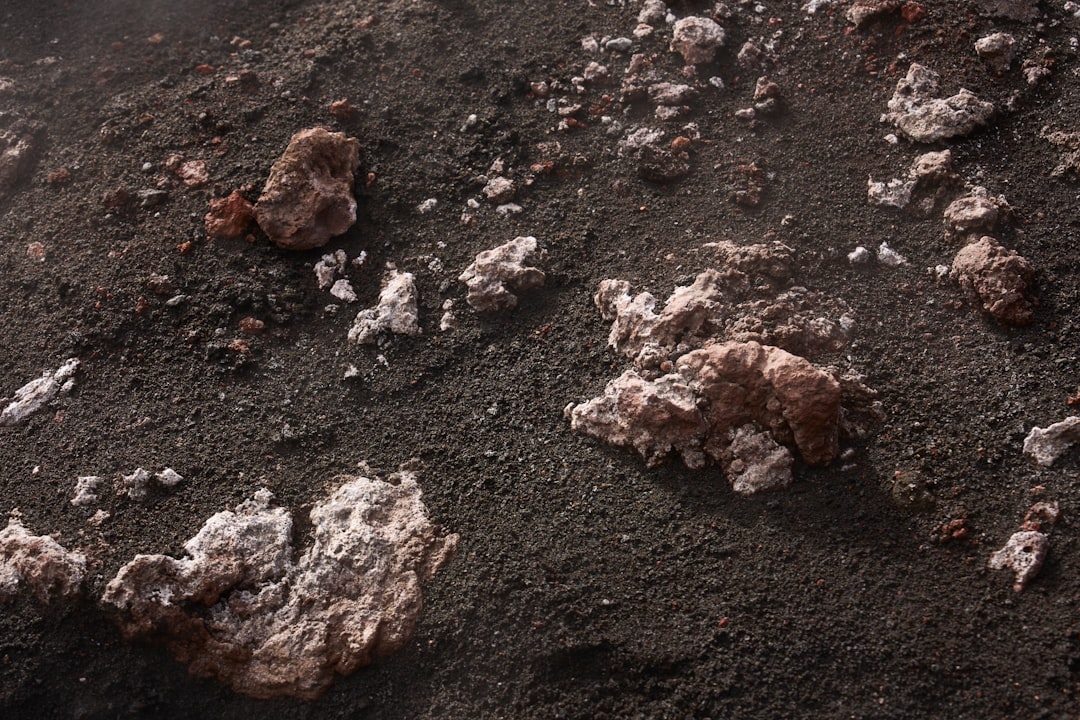
The Earth, a dynamic planet, is constantly undergoing geological transformations, some of which manifest as catastrophic events, profoundly impacting human civilization and the natural world. These global geological disasters, while destructive, are integral to the planet’s evolutionary processes. This article explores the various forms of these events, their underlying mechanisms, and their multifaceted consequences.
The Earth’s lithosphere is fragmented into several large plates, known as tectonic plates, which are in continuous, albeit slow, motion. The interactions at the boundaries of these plates are the primary drivers of some of the most devastating geological disasters: earthquakes and tsunamis.
Earthquakes: A Trembling Planet
An earthquake is the sudden release of energy in the Earth’s lithosphere that creates seismic waves. This energy release often occurs when rocks along a fault line, a fracture where two blocks of the Earth’s crust slide past each other, suddenly slip. The magnitude of an earthquake is typically measured on the Richter scale or the moment magnitude scale, which quantify the energy released.
Causes and Mechanics
- Plate Tectonics: The vast majority of earthquakes occur at plate boundaries. Convergent boundaries, where plates collide, often produce the strongest earthquakes. Divergent boundaries, where plates pull apart, and transform boundaries, where plates slide past each other horizontally, also generate seismic activity.
- Volcanic Activity: The movement of magma within the Earth can induce small to moderate earthquakes, particularly near active volcanoes.
- Human-Induced Seismicity: Activities such as hydraulic fracturing (fracking), mining, and the impounding of large reservoirs can sometimes trigger seismic events.
Impacts and Consequences
The immediate aftermath of a significant earthquake can be devastating. Ground shaking can collapse buildings, bridges, and infrastructure, leading to widespread fatalities and injuries.
- Structural Damage: Buildings not designed to withstand seismic forces are particularly vulnerable. Older infrastructure and structures built on unstable ground are at higher risk.
- Landslides and Rockfalls: Earthquakes can destabilize slopes, triggering landslides, mudslides, and rockfalls, especially in mountainous regions. These secondary hazards can bury communities and block critical transportation routes.
- Liquefaction: In areas with loose, water-saturated soils, seismic shaking can cause the soil to lose its strength and behave like a liquid, leading to the sinking or tilting of structures.
- Fires: Damaged gas lines and electrical wiring can ignite fires, which can be difficult to control in the chaotic aftermath of an earthquake.
Tsunamis: Ocean’s Destructive Waves
A tsunami is a series of ocean waves caused by large-scale disturbances of the ocean floor, most commonly by undersea earthquakes. Unlike typical ocean waves, which are generated by wind, tsunamis are characterized by immense wavelengths and the ability to travel across entire ocean basins at high speeds.
Generation and Propagation
- Undersea Earthquakes: Submarine earthquakes, particularly those involving vertical displacement of the seafloor (thrust faults), are the most common cause of tsunamis. The sudden upward or downward movement of the seabed displaces a massive volume of water, initiating the wave.
- Volcanic Eruptions and Landslides: Large submarine volcanic eruptions or massive coastal landslides plunging into the ocean can also generate tsunamis. The collapse of volcanic islands, such as Krakatoa in 1883, has historically produced highly destructive tsunamis.
- Asteroid Impacts: While extremely rare in human history, an oceanic impact by a large asteroid could generate a mega-tsunami with global reach.
Impact on Coastal Regions
As a tsunami approaches a coastline, its speed decreases, but its height dramatically increases, often forming a towering wall of water. The destructive power of a tsunami is immense.
- Inundation and Flooding: The massive surge of water inundates coastal areas, causing extensive flooding far inland. Entire communities can be swept away.
- Infrastructure Destruction: Buildings, roads, bridges, and utilities are often obliterated by the force of the waves.
- Environmental Damage: Coastal ecosystems, including coral reefs, mangroves, and estuaries, can be severely damaged or destroyed, impacting biodiversity and natural protective barriers.
- Long-Term Recovery Challenges: The sheer scale of destruction often necessitates prolonged and arduous recovery efforts, involving reconstruction, resettlement, and economic revitalization.
Global geological disasters, such as earthquakes, tsunamis, and volcanic eruptions, pose significant threats to communities worldwide. Understanding these phenomena is crucial for disaster preparedness and risk mitigation. For more insights on the impact of geological disasters and strategies for resilience, you can read a related article at Freaky Science. This resource provides valuable information on the science behind these events and how societies can better prepare for and respond to them.
Volcanic Spectacles: Eruptions and Their Aftermath
Volcanoes are vents in the Earth’s crust through which molten rock (magma), ash, gases, and rock fragments erupt. These geological features are not merely mountains; they are gateways to the incandescent interior of our planet, and their eruptions can be both awe-inspiring and apocalyptic.
Volcanic Eruptions: Earth’s Fiery Breath
Volcanic eruptions vary significantly in their intensity and style, ranging from effusive flows of molten lava to explosive emissions of ash and pyroclastic material. The nature of an eruption is largely determined by the composition of the magma, particularly its silica content and gas content.
Types of Eruptions
- Effusive Eruptions: Characterized by the relatively gentle outpouring of low-viscosity (runny) lava, often forming shield volcanoes with broad, gently sloping sides. Hawaiian-type eruptions are a classic example.
- Explosive Eruptions: These involve the violent fragmentation of viscous, gas-rich magma, leading to the rapid ejection of ash, volcanic bombs, and pyroclastic flows. Stratovolcanoes (composite volcanoes) are typically associated with explosive eruptions. Plinian eruptions, like that of Vesuvius in 79 CE, are among the most powerful and destructive.
- Phreatic and Phreatomagmatic Eruptions: These involve the interaction of magma with water (groundwater, lake water, or seawater), leading to steam-driven explosions.
Hazards Associated with Eruptions
The hazards posed by volcanic eruptions are multifaceted and can extend far beyond the immediate vicinity of the volcano.
- Lava Flows: While generally slow-moving, lava flows can incinerate everything in their path, destroying infrastructure and arable land.
- Pyroclastic Flows: These are fast-moving currents of hot gas and volcanic debris that can travel down volcano flanks at speeds exceeding 100 km/h, incinerating all in their path. They are among the most lethal volcanic hazards.
- Ashfall: Volcanic ash, composed of pulverized rock and glass, can blanket vast areas, collapsing roofs, disrupting air travel, damaging crops, and contaminating water supplies. Fine ash particles can also cause respiratory problems.
- Lahars: These are destructive mudflows and debris flows composed of volcanic ash, rock fragments, and water. They can be triggered by eruptions melting glaciers or by heavy rainfall on loose volcanic deposits. Lahars can flow swiftly down river valleys, burying communities and infrastructure.
- Volcanic Gases: Volcanoes release a variety of gases, including sulfur dioxide (SO2), carbon dioxide (CO2), and hydrogen sulfide (H2S). High concentrations of these gases can be toxic, and widespread release of SO2 can contribute to acid rain and stratospheric cooling.
Landslides and Mass Wasting: Gravity’s Relentless Pull
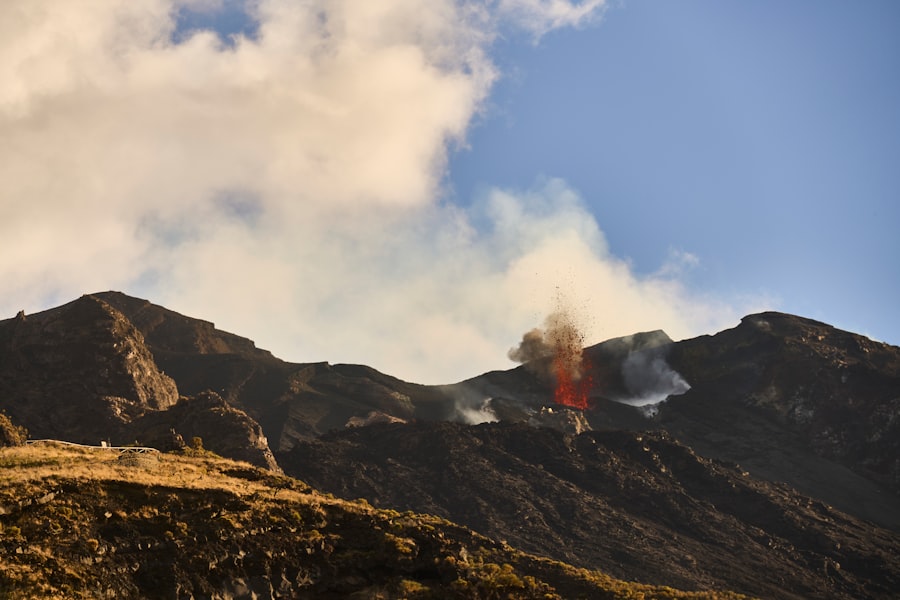
Landslides, a broad term encompassing various forms of mass wasting, refer to the downward movement of rock, soil, and debris under the influence of gravity. These events are often triggered by other geological disasters, acting as a secondary wave of destruction.
Mechanics of Slope Failure
The stability of a slope is a delicate balance between the resisting forces (strength of the material, friction) and the driving forces (gravity). When the driving forces exceed the resisting forces, a landslide occurs.
Contributing Factors
- Heavy Rainfall: Water saturating soil and rock increases their weight and reduces their internal cohesion, acting as a lubricant.
- Earthquakes: Seismic shaking can destabilize slopes, especially those already prone to failure.
- Volcanic Activity: Eruptions can deposit loose ash and pyroclastic material on slopes, making them susceptible to lahars or debris flows.
- Thawing Permafrost: In polar and high-altitude regions, the thawing of permafrost due to climate change can lead to ground instability and landsliding.
- Human Activities: Deforestation, improper road construction, and excavation can alter slope stability and increase landslide risk.
Types of Mass Wasting
The classification of mass wasting events is based on the type of material, type of movement, and speed.
- Falls: Rapid descent of free-falling rock fragments from steep cliffs.
- Slides: Movement of a coherent mass of rock or soil along a distinct surface of rupture. This category includes rockslides and rotational slides (slumps).
- Flows: Movement of unconsolidated material that behaves like a fluid, such as mudflows, debris flows, and earthflows.
- Creep: Very slow, continuous movement of soil and rock down a slope, often imperceptible without long-term observation.
Environmental and Societal Impacts
Landslides can have profound and lasting impacts on landscapes, ecosystems, and human communities.
- Destruction of Infrastructure: Roads, railways, buildings, and utilities can be buried, damaged, or swept away.
- Loss of Life: Rapidly moving landslides, such as debris flows, can cause significant casualties.
- River Blockage and Flooding: Landslides can block rivers, creating natural dams that may subsequently burst, leading to catastrophic downstream flooding.
- Habitat Loss and Ecosystem Disruption: Landslides can strip vegetation, alter river courses, and destroy habitats, impacting biodiversity.
- Economic Disruption: Loss of agricultural land, disruption of transportation networks, and the costs of clean-up and reconstruction impose significant economic burdens.
Extraterrestrial Impacts: Cosmic Collisions
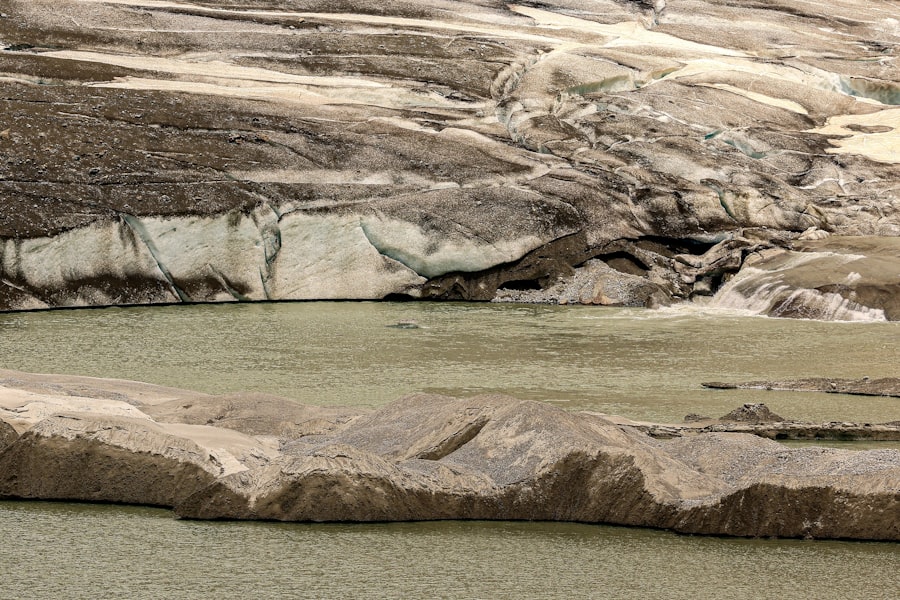
While less frequent on geological timescales than other disasters, impacts from asteroids and comets represent an existential threat, capable of causing global-scale environmental devastation. These celestial bodies, fragments of the early solar system, occasionally intersect Earth’s orbit.
The Dynamics of Impact Events
The energy released during an impact event is proportional to the mass of the impactor and the square of its velocity. Even relatively small objects can cause significant localized damage, while larger objects pose a global threat.
Impact Mechanics
- Kinetic Energy Release: Upon impact, the immense kinetic energy of the incoming object is instantaneously converted into heat, light, and mechanical energy, creating a shockwave.
- Crater Formation: The impact excavates a crater, pulverizing and ejecting vast quantities of rock. The size of the crater is dependent on the size and speed of the impactor, as well as the geology of the impact site.
- Ejecta Blanket: Material ejected from the crater blankets the surrounding landscape, often creating secondary impacts as larger fragments fall back to Earth.
Global Catastrophe Scenarios
A sufficiently large impact event could trigger a cascade of environmental crises.
- Impact Winter: The injection of enormous quantities of dust and aerosols into the atmosphere would block sunlight, leading to a dramatic drop in global temperatures, prolonged darkness, and widespread crop failure. This phenomenon, often referred to as an “impact winter,” would resemble a nuclear winter.
- Mega-Tsunamis: An oceanic impact could generate massive tsunamis, devastating coastal regions worldwide.
- Acid Rain: The release of sulfur into the atmosphere from vaporized rock, particularly if the impact occurs in sulfur-rich sedimentary rock, could lead to severe acid rain, destroying forests and acidifying oceans.
- Global Wildfires: The heat from the impact and subsequent atmospheric re-entry of ejecta could trigger widespread global wildfires.
- Atmospheric Disruptions: Significant impacts could alter atmospheric chemistry, potentially leading to ozone depletion and other long-term climatic shifts.
Global geological disasters pose significant threats to communities and ecosystems around the world, often resulting in devastating consequences. For those interested in understanding the science behind these phenomena, a related article can provide valuable insights into the causes and effects of such disasters. You can explore this further in the article on Freaky Science, which delves into various geological events and their impact on our planet.
Climate Change and Geological Hazards: An Unsettling Interplay
| Disaster Type | Average Annual Occurrences | Regions Most Affected | Average Fatalities per Event | Economic Impact (USD Billions) |
|---|---|---|---|---|
| Earthquakes | 20,000+ | Pacific Ring of Fire, Himalayas | 1,000 | 50 |
| Volcanic Eruptions | 50-70 | Pacific Ring of Fire, Indonesia, Iceland | 500 | 10 |
| Landslides | 1,500+ | Mountainous regions worldwide | 200 | 5 |
| Tsunamis | 5-10 | Pacific Ocean, Indian Ocean | 10,000 | 20 |
| Sinkholes | Hundreds | Florida (USA), China, Middle East | 10 | 1 |
While traditionally viewed as distinct phenomena, a growing body of scientific evidence suggests an intricate and unsettling interplay between anthropogenic climate change and the frequency and intensity of certain geological disasters. Climate change, primarily driven by human emissions of greenhouse gases, is altering Earth’s natural systems in ways that can exacerbate existing geological hazards.
Amplifying Existing Risks
The warming of the planet and associated changes in weather patterns are creating conditions conducive to more frequent and intense geological events.
Glacial Retreat and Destabilization
- Glacial Lake Outburst Floods (GLOFs): As glaciers melt, they often form lakes at their termini, impounded by unstable moraine dams. Rapid melting can cause these dams to fail, leading to catastrophic floods downstream.
- Glacier Surges and Landslides: The destabilization of glaciers due to warming can lead to rapid glacier movement (surges) or increase the likelihood of ice and rock avalanches from glaciated mountains.
- Sea Level Rise and Coastal Erosion: Rising sea levels increase the vulnerability of coastal areas to erosion, particularly during storm surges. This can undermine coastal infrastructure and accelerate the loss of land.
Permafrost Thaw and Ground Instability
- Landslides and Slumps: The thawing of permafrost, ground that has been continuously frozen for at least two consecutive years, weakens the soil structure, leading to increased rates of subsidence, landslides, and slumps in Arctic and high-mountain regions. This instability threatens infrastructure built on permafrost, including buildings, roads, and pipelines.
- Coastal Erosion in Arctic Regions: Thawing permafrost along coastlines makes these areas more susceptible to erosion from wave action and storm surges, threatening indigenous communities and ecosystems.
Extreme Weather and Erosion Trends
- Intensified Rainfall and Landslides: Climate models predict an increase in the frequency and intensity of extreme rainfall events in many regions. These deluges can saturate soils more rapidly and thoroughly, significantly increasing the risk of landslides, mudslides, and debris flows, even in areas not historically prone to such events.
- Increased Wildfire Risk and Post-Fire Hazards: Warmer, drier conditions in many regions contribute to an increased risk of wildfires. Severely burned areas are left with barren slopes susceptible to intense erosion and flash flooding during subsequent rainfall, leading to debris flows and shallow landslides.
The Earth is a complex and dynamic system, its processes driven by immense forces both internal and external. Geological disasters are not random acts of nature but rather manifestations of these fundamental processes. Understanding their mechanisms, predicting their occurrences, and mitigating their impacts are crucial challenges for human civilization in an increasingly interconnected and vulnerable world. The geological record stands as a testament to the planet’s powerful transformations, reminding us of our intrinsic connection to the Earth’s enduring power and our responsibility to adapt and prepare for its occasional, yet inevitable, catastrophic events.
FAQs
What are global geological disasters?
Global geological disasters are natural events caused by Earth’s geological processes, such as earthquakes, volcanic eruptions, tsunamis, landslides, and sinkholes. These events can cause significant damage to the environment, infrastructure, and human life.
What causes geological disasters?
Geological disasters are primarily caused by the movement of tectonic plates, volcanic activity, and the Earth’s internal heat. For example, earthquakes occur due to the sudden release of energy along fault lines, while volcanic eruptions result from magma rising to the surface.
Which regions are most vulnerable to geological disasters?
Regions located along tectonic plate boundaries, such as the Pacific Ring of Fire, are most vulnerable to geological disasters. Countries like Japan, Indonesia, Chile, and the western United States frequently experience earthquakes and volcanic eruptions.
How can we predict geological disasters?
While precise prediction of geological disasters remains challenging, scientists use monitoring tools such as seismographs, GPS, satellite imagery, and gas sensors to detect early warning signs. For example, increased seismic activity or gas emissions can indicate an impending volcanic eruption.
What measures can reduce the impact of geological disasters?
Mitigation measures include enforcing strict building codes, developing early warning systems, educating the public about emergency preparedness, and conducting regular disaster drills. Land-use planning to avoid high-risk areas also helps reduce damage and loss of life.