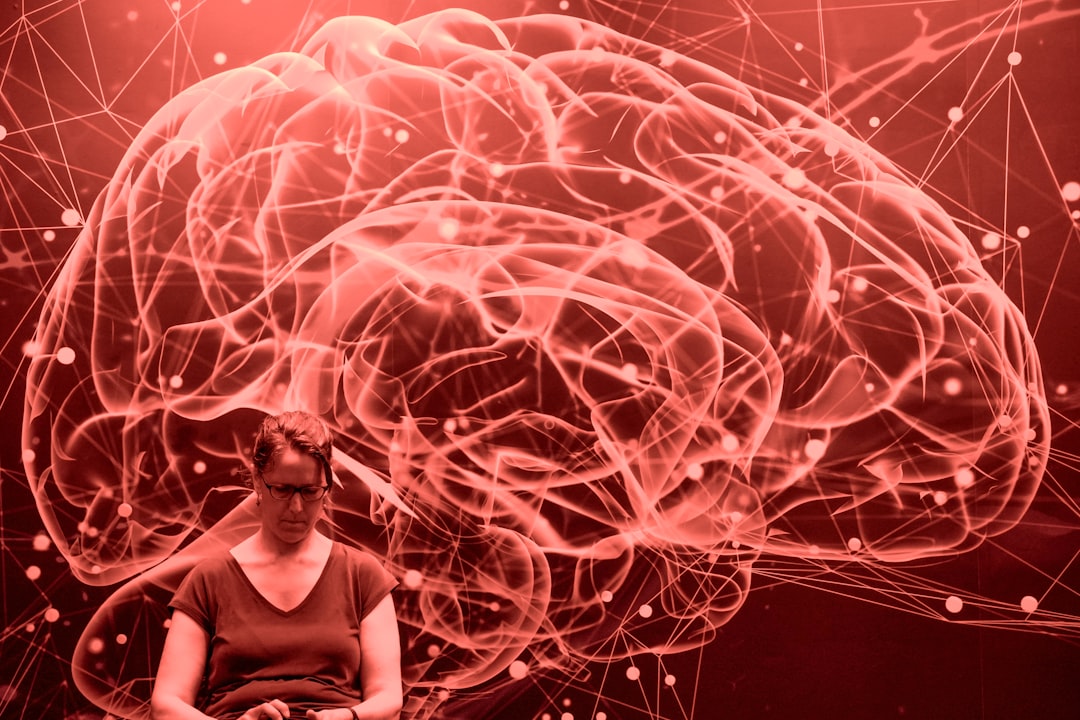
The story of who you are, what you believe, and how you perceive yourself is far more intricate than a simple narrative. It is a symphony orchestrated by the intricate workings of the human brain, a complex network of neurons firing in precise patterns. Understanding the neuroscience of identity is akin to deciphering the code of consciousness, revealing the biological underpinnings of our personal narratives and the very essence of what makes us unique. This exploration delves into the brain’s capacity to construct and maintain a sense of self, examining the neural circuits involved and the potential implications for understanding ourselves.
The notion that the brain is the seat of consciousness and, by extension, identity is a cornerstone of neuroscience. However, pinpointing a single “identity center” is an oversimplification. Instead, identity emerges from the dynamic interplay of numerous brain regions, each contributing to different facets of our self-perception. Think of your identity not as a neatly packaged file stored in one location, but rather as a vast, interconnected web of memories, emotions, beliefs, and sensory experiences. This web is constantly being woven and rewoven by neural activity.
Memory and the Foundation of Identity
The autobiographical memory system plays a pivotal role in shaping our sense of self. This system allows us to recall past experiences, forming a chronological narrative of our lives. Without the ability to access these memories, our past selves would be lost, and our present sense of continuity would crumble.
Episodic Memory: The Personal Timeline
Episodic memories are the bedrock of our personal history. They are vivid recollections of specific events, including the time, place, and emotions associated with them. The hippocampus, a structure deep within the temporal lobe, is crucial for the formation and retrieval of these memories. Damage to the hippocampus can lead to profound amnesia, effectively erasing an individual’s personal timeline and severely impacting their identity. Imagine being a ship without a logbook; you might know you are at sea, but you wouldn’t know where you came from, where you’ve been, or how you arrived at your current location.
Semantic Memory: The Facts of Self
While episodic memory provides the narrative flow, semantic memory contributes the factual knowledge about ourselves. This includes our name, our relationships, our profession, and our general understanding of the world. The prefrontal cortex, particularly the anterior prefrontal cortex, is implicated in accessing and integrating this semantic information to form a coherent understanding of who we are in a broader context. This is the navigational chart that helps us understand our place in the world.
The Role of the Prefrontal Cortex in Self-Awareness
The prefrontal cortex (PFC) is often considered the executive control center of the brain, and its involvement in identity is multifaceted. It acts as the conductor of the neural orchestra, coordinating various cognitive functions that contribute to our sense of self.
Self-Referential Processing: Thinking About Oneself
The medial prefrontal cortex (mPFC) is particularly active when we are thinking about ourselves. Studies using functional magnetic resonance imaging (fMRI) have shown increased activity in the mPFC when individuals are engaged in tasks that involve self-description, self-evaluation, or considering their own thoughts and feelings. This region is like a personal mirror, reflecting our internal states and allowing us to contemplate our own being. When this mirror is distorted or broken, our self-perception can become skewed.
Executive Functions: Planning and Decision-Making
The PFC’s executive functions, such as planning, decision-making, and impulse control, also contribute to identity. Our choices and actions, guided by these functions, become part of our personal narrative, shaping how we see ourselves and how others perceive us. For example, consistently making responsible choices might lead to a self-identity of being dependable, while impulsive behaviors might foster a different self-view. These functions are the steering wheel and throttle of our personal journey.
The neuroscience of identity is a fascinating field that explores how our brain shapes our sense of self. For those interested in delving deeper into this topic, a related article can be found at Freaky Science, which discusses the intricate connections between neural processes and personal identity. This resource provides valuable insights into how our experiences and memories contribute to the formation of who we are.
The Neural Basis of Embodied Self
Our sense of self is deeply intertwined with our physical body. The brain constantly receives signals from our body, creating a continuous awareness of our physical presence and its boundaries. This embodiment is a fundamental aspect of our identity.
Somatosensory Cortex: The Body’s Map
The somatosensory cortex, located in the parietal lobe, receives and processes sensory information from our body, including touch, temperature, and pain. This constant stream of information creates a rich internal representation of our physical form, a detailed map of our own physical landscape.
Body Schema and Body Image
The brain constructs a dynamic internal representation of our body, known as the body schema. This schema is constantly updated based on sensory input and motor commands. Alongside this, our body image refers to our subjective perception and feeling of our body. Difficulties in processing somatosensory information or integrating it with other cognitive functions can lead to distortions in body image, impacting a person’s sense of self. Imagine trying to navigate a familiar room with a blindfold; your sense of space and your body’s position within it would be significantly compromised.
Interoception: The Inner Sense
Interoception refers to the sense of the internal state of the body, encompassing sensations like hunger, thirst, heart rate, and breathing. The insula, a region deep within the cerebral cortex, plays a crucial role in processing interoceptive signals. This inner sensory dialogue is essential for our sense of being alive and for regulating our emotions, both of which are integral to our identity. It’s the whisper of your body telling you what it needs, influencing your mood and your actions.
The Dynamic Nature of Identity: Plasticity and Change
Identity is not rigid or immutable. The brain is a remarkably plastic organ, capable of rewiring itself in response to experiences, learning, and even injury. This neural plasticity allows our sense of self to evolve throughout our lives.
Neuroplasticity: The Brain’s Adaptability
Neuroplasticity refers to the brain’s ability to alter its structure and function. This can involve the formation of new neural connections, the strengthening or weakening of existing ones, or even the creation of new neurons in certain areas. This is the brain’s inherent capacity for growth and adaptation, like a gardener who constantly prunes and nurtures their plants to ensure healthy growth.
Learning and Experience
Every new experience, every learned skill, and every interaction can subtly or profoundly alter the neural pathways in our brain, thus shaping our identity. Learning to ride a bicycle, mastering a new language, or forming new friendships all contribute to the intricate tapestry of who we are. These experiences are not just events; they are building blocks that reshape our internal architecture.
Neurological Disorders and Identity Shifts
Neurological conditions, such as stroke, traumatic brain injury, or neurodegenerative diseases, can significantly impact identity by disrupting neural networks. Damage to specific brain regions can lead to personality changes, memory loss, or altered perceptions, fundamentally altering a person’s sense of self. These are like natural disasters that can reshape the landscape of our internal world.
Social and Cultural Influences on the Neural Construction of Identity
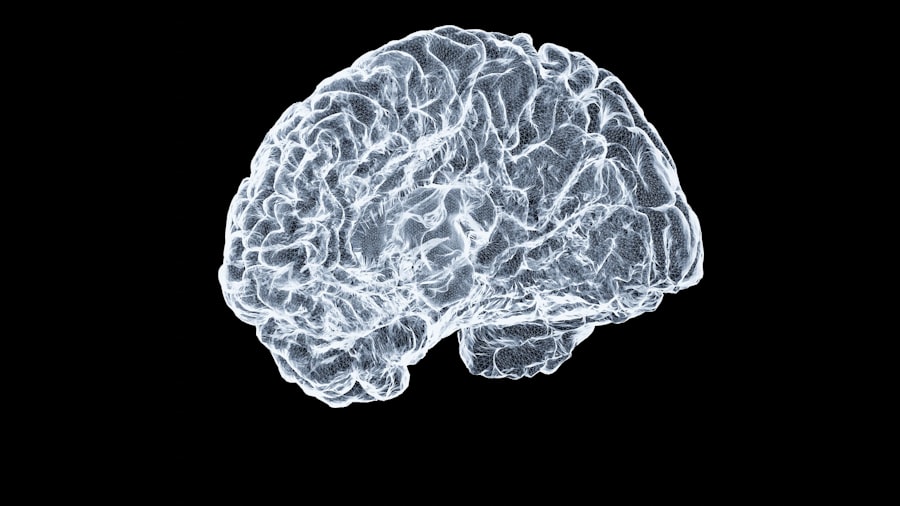
While the brain provides the biological foundation, our identity is also deeply shaped by the social and cultural environments in which we live. These external factors provide the context for our internal narratives.
Social Cognition: Understanding Others and Ourselves
Social cognition refers to the mental processes involved in perceiving, interpreting, and responding to social information. This includes understanding the intentions of others, forming social bonds, and navigating social hierarchies. Neural networks, including those involving the temporal-parietal junction (TPJ) and the amygdala, are crucial for these processes.
Theory of Mind: The Ability to Attribute Mental States
The ability to attribute mental states – beliefs, desires, intentions – to oneself and others, known as Theory of Mind, is fundamental to social interaction and self-awareness. This capacity allows us to understand that others have their own perspectives, which in turn helps us to define our own. This is the ability to see the world through another’s eyes, which paradoxically sharpens our view of our own.
Cultural Norms and Self-Perception
Cultural norms, values, and beliefs provide a framework for how we understand ourselves and our place in the world. What is considered desirable or acceptable behavior varies across cultures, influencing how individuals present themselves and how they perceive their own identity. This is the societal sculptor that molds the clay of our identity according to its prevailing forms.
The exploration of how our brains shape our sense of self is a fascinating area within the neuroscience of identity. Recent studies have revealed the intricate connections between neural pathways and personal identity, shedding light on how experiences and memories contribute to our understanding of who we are. For a deeper dive into this topic, you might find this article on the neuroscience of identity particularly enlightening. It discusses various aspects of how our brain functions influence our self-perception and social interactions. You can read more about it here.
The Future of Unraveling Identity
| Metric | Description | Relevant Brain Regions | Measurement Techniques | Typical Findings |
|---|---|---|---|---|
| Self-Recognition | Ability to recognize oneself in a mirror or image | Right prefrontal cortex, right parietal lobe | fMRI, PET, Behavioral tests | Activation in right prefrontal cortex during self-face recognition |
| Autobiographical Memory | Recall of personal life events contributing to identity | Hippocampus, medial prefrontal cortex | fMRI, EEG, Neuropsychological assessments | Increased hippocampal activity during recall of personal memories |
| Self-Concept Clarity | Degree to which self-beliefs are clearly and confidently defined | Medial prefrontal cortex, anterior cingulate cortex | fMRI, Psychometric scales | Higher mPFC activation correlates with clearer self-concept |
| Body Ownership | Sense that one’s body belongs to oneself | Temporoparietal junction, insula | fMRI, TMS, Rubber hand illusion experiments | TPJ disruption alters body ownership perception |
| Agency | Feeling of control over one’s actions | Supplementary motor area, prefrontal cortex | fMRI, EEG, Behavioral paradigms | Increased SMA activity during voluntary movement |
The neuroscience of identity is a rapidly evolving field. As our understanding of the brain deepens, we gain new insights into the complex mechanisms that give rise to our sense of self.
Advanced Brain Imaging Techniques
Technological advancements in brain imaging, such as higher-resolution fMRI and diffusion tensor imaging (DTI), are providing unprecedented views into the intricate neural circuitry underlying identity. These tools are akin to giving us more powerful microscopes to examine the very fabric of our consciousness.
Artificial Intelligence and Computational Neuroscience
The application of artificial intelligence and computational neuroscience offers new avenues for modeling the complex interactions of neural networks that constitute identity. Machine learning algorithms can help us identify patterns in brain activity that may be too subtle for human observation. These are digital detectives, sifting through vast amounts of data to find clues about the nature of self.
Implications for Mental Health and Well-being
A deeper understanding of the neuroscience of identity has significant implications for mental health. It can inform the development of more effective treatments for conditions that affect self-perception, such as depression, anxiety, and personality disorders. By understanding the biological underpinnings of these conditions, we can develop more targeted and personalized interventions, offering a lifeline to those struggling with fragmented or distorted senses of self.
The quest to unravel the neuroscience of identity is a journey into the very core of human experience. It is a testament to the brain’s extraordinary capacity to construct, maintain, and evolve the intricate story of who we are. As research continues to illuminate the neural pathways and processes involved, we move closer to understanding not just how the brain works, but also what it means to be a conscious, self-aware individual in the world.
FAQs
What is the neuroscience of identity?
The neuroscience of identity is the study of how brain structures and neural processes contribute to the formation and maintenance of a person’s sense of self and personal identity.
Which brain areas are involved in forming personal identity?
Key brain regions involved in identity include the prefrontal cortex, which is associated with self-reflection and decision-making, the medial prefrontal cortex linked to self-referential thinking, and the temporal lobes, which play a role in memory and autobiographical information.
How does memory influence our sense of identity?
Memory, especially autobiographical memory, is crucial for identity as it allows individuals to maintain a continuous narrative of their life experiences, helping to create a coherent sense of self over time.
Can changes in the brain affect a person’s identity?
Yes, brain injuries, neurodegenerative diseases, or psychiatric conditions can alter neural functioning and may lead to changes in personality, self-perception, and identity.
Is the sense of identity fixed or can it change over time?
The sense of identity is dynamic and can evolve throughout life due to new experiences, learning, social interactions, and changes in brain function. Neuroscience shows that the brain’s plasticity supports this ongoing development of identity.