The placebo effect is a fascinating phenomenon that has intrigued scientists, medical professionals, and patients alike for centuries. It refers to the beneficial outcomes that can occur when a patient believes they are receiving treatment, even if that treatment is inert or has no therapeutic value. This effect underscores the profound connection between the mind and body, illustrating how psychological factors can influence physical health.
The power of placebo is not merely a curiosity; it has significant implications for clinical practice, research methodologies, and patient care. As the medical community continues to explore the complexities of human health, the placebo effect emerges as a critical area of study.
Understanding the placebo effect can lead to more effective treatment strategies and enhance patient outcomes. This article delves into the historical context, mechanisms, and implications of the placebo effect, shedding light on its role in modern medicine.
Key Takeaways
- The placebo effect is a powerful phenomenon that has been observed for centuries in medical practice.
- Historical background reveals that the use of placebos in clinical trials dates back to the 18th century.
- Understanding the placebo effect involves the psychological and physiological responses to a placebo treatment.
- Clinical evidence supports the effectiveness of placebos in medical research, particularly in pain management and psychiatry.
- Placebo-controlled clinical trials are important for evaluating the true efficacy of a treatment, but ethical considerations must be taken into account.
Historical Background of Placebo in Clinical Trials
The concept of placebo dates back to ancient times, with references found in texts from various cultures that highlight the use of non-active treatments. However, it was not until the 20th century that the placebo gained prominence in clinical trials as a means to assess the efficacy of new medications. The introduction of randomized controlled trials (RCTs) marked a significant turning point in medical research, allowing for a more rigorous evaluation of treatment effects.
In these trials, participants are randomly assigned to receive either the active treatment or a placebo, providing a clearer picture of how much of a drug’s effect can be attributed to its pharmacological properties versus psychological factors. The use of placebo in clinical trials has evolved over time, with researchers increasingly recognizing its importance in establishing the true efficacy of new therapies. Early studies often lacked proper controls, leading to inflated claims about treatment effectiveness.
As the field advanced, the necessity for well-designed studies became apparent, prompting regulatory bodies to mandate placebo-controlled trials for new drug approvals. This historical evolution reflects a growing understanding of the complexities involved in human health and the need for robust methodologies to discern genuine therapeutic benefits from those arising from patient expectations and beliefs.
Understanding the Placebo Effect

At its core, the placebo effect is rooted in the brain’s ability to influence bodily functions through expectation and belief. When patients believe they are receiving effective treatment, their brains can trigger physiological responses that mimic those produced by actual medications. This phenomenon can manifest in various ways, including pain relief, improved mood, and enhanced overall well-being.
The placebo effect highlights the intricate interplay between psychological states and physical health, suggesting that mental processes can significantly impact biological outcomes. Research into the placebo effect has revealed that it is not merely a psychological trick but rather a complex interaction involving neurobiological mechanisms. Neuroimaging studies have shown that when individuals experience a placebo response, specific brain regions associated with pain perception and emotional regulation become activated.
This suggests that the brain can produce real changes in neurotransmitter levels and other physiological processes based on expectations alone. Understanding these mechanisms is crucial for harnessing the power of placebo in clinical settings and developing strategies to enhance patient care.
Clinical Evidence of Placebo in Medical Research
| Study | Findings |
|---|---|
| Turner et al. (2008) | Placebo had a small effect on subjective continuous outcomes, but not on binary or objective outcomes. |
| Hróbjartsson and Gøtzsche (2001) | No evidence that placebo interventions in general have important clinical effects. |
| Beecher (1955) | Placebo effect accounted for 35% of the response to active medication in clinical trials. |
Numerous studies have demonstrated the efficacy of placebos across various medical conditions, providing compelling evidence for their role in clinical practice. For instance, research has shown that placebos can effectively reduce pain in patients suffering from chronic conditions such as fibromyalgia and osteoarthritis. In these cases, patients often report significant improvements in their symptoms after receiving a placebo treatment, highlighting the potential for harnessing this effect in pain management strategies.
Moreover, clinical trials investigating conditions like depression and anxiety have also revealed substantial placebo responses. In many cases, patients receiving placebos exhibit improvements comparable to those receiving active pharmacological treatments. This raises important questions about the nature of mental health interventions and emphasizes the need for a holistic approach that considers both psychological and pharmacological factors in treatment planning.
The growing body of evidence supporting the efficacy of placebos underscores their importance in medical research and patient care.
Placebo-Controlled Clinical Trials: Importance and Ethical Considerations
Placebo-controlled clinical trials are considered the gold standard in medical research for evaluating new treatments. By comparing an active intervention with a placebo group, researchers can determine whether observed effects are genuinely attributable to the treatment or if they arise from other factors such as patient expectations or natural disease progression. This methodological rigor is essential for ensuring that new therapies are both safe and effective before they reach the market.
However, the use of placebos in clinical trials raises ethical considerations that must be carefully navigated. Critics argue that withholding effective treatments from patients in favor of a placebo may be unethical, particularly in cases where established therapies exist. Researchers must balance the need for scientific rigor with their ethical obligation to prioritize patient welfare.
In response to these concerns, guidelines have been developed to ensure that placebo use is justified and that participants are fully informed about their involvement in research studies.
Mechanisms of Action Behind the Placebo Effect
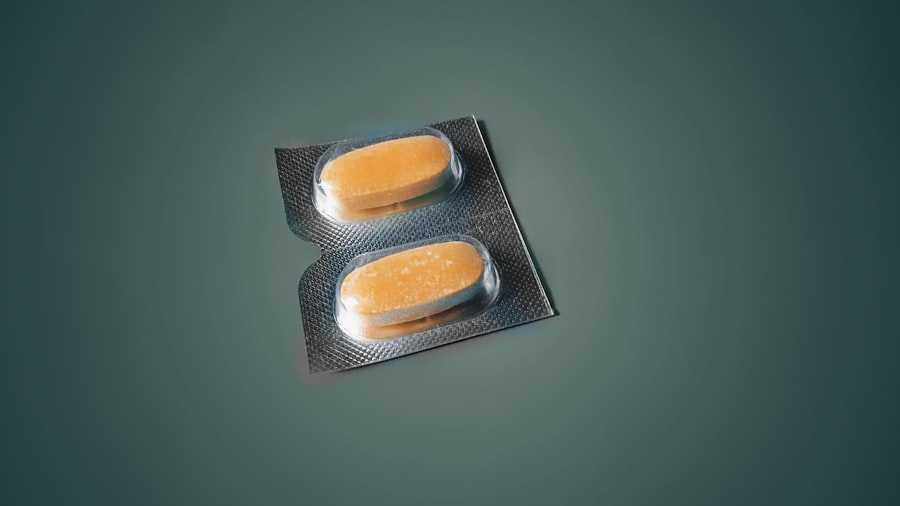
The mechanisms underlying the placebo effect are multifaceted and continue to be an area of active research. One prominent theory suggests that expectation plays a crucial role; when patients anticipate positive outcomes from treatment, their brains may release neurotransmitters such as endorphins and dopamine, which can alleviate pain and enhance mood. This neurochemical response illustrates how belief and expectation can translate into tangible physiological changes.
Additionally, conditioning may also contribute to the placebo effect. Just as Pavlov’s dogs learned to associate a bell with food, patients can develop associations between certain cues—such as taking a pill or visiting a clinic—and symptom relief. Over time, these associations can trigger physiological responses even when no active treatment is administered.
Understanding these mechanisms not only sheds light on how placebos work but also opens avenues for developing interventions that leverage these processes to improve patient outcomes.
The Impact of Placebo on Patient Outcomes
The impact of placebo extends beyond mere symptom relief; it can significantly influence overall patient outcomes and satisfaction with care. Patients who experience positive effects from placebos often report higher levels of satisfaction with their treatment experience, which can enhance their engagement in their healthcare journey. This underscores the importance of considering psychological factors when designing treatment plans and emphasizes the need for healthcare providers to foster an environment conducive to positive expectations.
Furthermore, the placebo effect can also play a role in enhancing adherence to treatment regimens. When patients believe they are receiving effective care—whether through active treatments or placebos—they may be more likely to follow through with prescribed therapies and lifestyle changes. This adherence is crucial for achieving long-term health benefits and improving overall quality of life.
By recognizing and harnessing the power of placebo, healthcare providers can create more effective treatment strategies that prioritize both physical and psychological well-being.
Placebo in Pain Management and Psychiatry
In pain management, the placebo effect has emerged as a powerful tool for enhancing treatment outcomes. Many patients suffering from chronic pain conditions have reported significant relief after receiving placebos, highlighting the potential for integrating this phenomenon into pain management strategies. By fostering positive expectations and utilizing techniques such as guided imagery or relaxation exercises alongside traditional treatments, healthcare providers can amplify the benefits of both pharmacological and non-pharmacological interventions.
In psychiatry, the placebo effect is particularly pronounced, with studies indicating that placebos can lead to substantial improvements in conditions such as depression and anxiety disorders. The therapeutic alliance between patients and providers plays a crucial role in this context; when patients feel supported and understood by their healthcare team, they are more likely to experience positive outcomes from both active treatments and placebos. This highlights the importance of addressing psychological factors in mental health care and underscores the need for holistic approaches that consider both mind and body.
The Role of Placebo in Complementary and Alternative Medicine
Complementary and alternative medicine (CAM) often relies on principles that align closely with those underlying the placebo effect. Many CAM practices emphasize holistic approaches that address not only physical symptoms but also emotional and psychological well-being. Techniques such as acupuncture, herbal remedies, and mindfulness practices may elicit strong placebo responses due to their focus on patient-centered care and fostering positive expectations.
Research has shown that many CAM interventions can produce effects comparable to those seen with conventional treatments, largely due to the placebo effect at play. This raises important questions about how healthcare providers can integrate CAM practices into conventional medicine while ensuring that patients receive evidence-based care. By acknowledging the role of placebo within CAM modalities, practitioners can develop more comprehensive treatment plans that leverage both traditional and alternative approaches to enhance patient outcomes.
Challenges and Controversies Surrounding the Use of Placebo in Clinical Practice
Despite its potential benefits, the use of placebo in clinical practice is not without challenges and controversies. One major concern revolves around informed consent; patients must be fully aware of what they are receiving during treatment to make informed decisions about their care. The ethical implications of using placebos without disclosure raise questions about trust between patients and healthcare providers.
Some argue for a more transparent approach where patients are informed about the potential benefits of placebos while others advocate for maintaining some level of deception to maximize therapeutic effects. Navigating these complexities requires careful consideration of ethical principles alongside an understanding of how best to support patient well-being.
Future Directions in Placebo Research and Clinical Applications
As research into the placebo effect continues to evolve, future directions hold promise for enhancing its application within clinical settings. Investigating personalized approaches that tailor treatments based on individual patient characteristics may yield insights into optimizing placebo responses. For instance, understanding how factors such as genetics, personality traits, or previous experiences influence placebo efficacy could lead to more targeted interventions.
Moreover, advancements in technology may facilitate further exploration into the neurobiological mechanisms underlying the placebo effect. Techniques such as functional magnetic resonance imaging (fMRI) could provide deeper insights into brain activity associated with placebo responses, paving the way for innovative therapeutic strategies that harness these mechanisms effectively. In conclusion, the power of placebo represents a compelling intersection between psychology and medicine, offering valuable insights into human health and healing processes.
As researchers continue to unravel its complexities, there lies an opportunity to integrate this understanding into clinical practice—ultimately enhancing patient care through a more holistic approach that recognizes both mind and body as integral components of health.
In recent years, the placebo effect has garnered significant attention in the medical community, with numerous studies highlighting its potential to influence patient outcomes. A related article on this topic can be found on Freaky Science, which delves into the clinical evidence supporting the placebo effect and its implications for treatment protocols. This article provides a comprehensive overview of how patient expectations and beliefs can lead to measurable physiological changes, thereby enhancing the effectiveness of certain therapies. For more detailed insights, you can read the full article by visiting Freaky Science.
WATCH THIS! 🧪The Placebo Effect Is Completely Fake
FAQs
What is the placebo effect?
The placebo effect is a phenomenon in which a person experiences a real improvement in their symptoms after receiving a treatment that has no therapeutic effect. This improvement is attributed to the person’s belief in the treatment rather than the treatment itself.
What are some examples of the placebo effect?
Examples of the placebo effect include patients experiencing pain relief after taking a sugar pill they believe to be a painkiller, or feeling better after receiving a sham medical procedure.
How is the placebo effect studied in clinical trials?
In clinical trials, researchers use placebos as a control to compare the effects of a new treatment with the effects of a fake treatment. This helps determine the true effectiveness of the new treatment by accounting for the placebo effect.
What are some factors that influence the placebo effect?
Factors that can influence the placebo effect include the patient’s expectations, the doctor’s demeanor, the color and size of the placebo pill, and the perceived cost of the treatment.
Is the placebo effect considered a valid medical phenomenon?
Yes, the placebo effect is widely recognized as a valid and powerful medical phenomenon. It has been observed in numerous clinical studies and is taken into account when evaluating the effectiveness of new treatments.