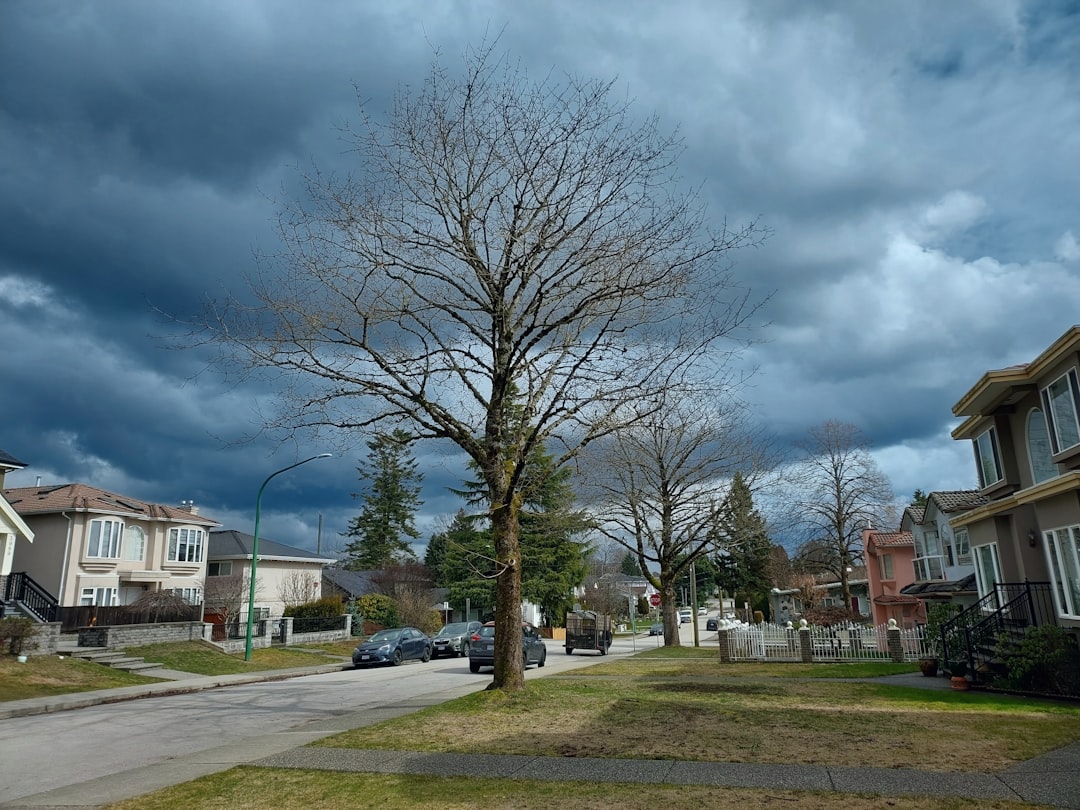
Homeowners often face the annual challenge of readying their dwellings for the relentless onslaught of winter. The transition from crisp autumn days to biting winter winds necessitates proactive measures to maintain comfort, reduce energy consumption, and prevent costly damage. This article delves into the essential facets of weatherization, providing a comprehensive guide for fortifying homes against harsh winter conditions.
Winter, with its plummeting temperatures, freezing precipitation, and gusting winds, acts as a formidable adversary to residential structures. The fundamental goal of weatherization is to create a robust barrier against these elements.
Thermal Bridges and Heat Loss
Thermal bridges, often overlooked, are critical areas where heat readily escapes a building. These are typically points where the insulation layer is discontinuous or compromised, such as around windows, doors, and structural support elements. For instance, an uninsulated steel beam extending from the interior to the exterior acts as a direct conduit for heat transfer, much like a siphon draining warmth from a heated room. Identifying and addressing these bridges is paramount to maintaining indoor comfort and energy efficiency.
Moisture Infiltration and its Consequences
Beyond temperature, moisture poses a significant threat during winter. Freezing rain, snowmelt, and high indoor humidity can lead to a cascade of problems. Water ingress through cracks and gaps can freeze and expand, exacerbating structural damage over time. Furthermore, persistent moisture contributes to the growth of mold and mildew, compromising indoor air quality and presenting health risks to occupants. The integrity of a home’s envelope is akin to a ship’s hull; any breach can lead to widespread issues.
Wind Chill and its Amplifying Effect
While temperatures often grab headlines, wind chill dramatically amplifies the perceived cold. Wind penetrates poorly sealed homes, creating drafts and accelerating heat loss through convection. A home that is not adequately sealed against wind is like a colander attempting to hold water; heat rapidly dissipates. This phenomenon can render internal heating systems less effective and increase the strain on furnaces and boilers.
As winter approaches, it’s crucial to ensure that your home is adequately prepared for the harsh weather conditions that can arise during blocked winters. A related article that provides valuable insights on this topic can be found at Freaky Science. This resource offers practical tips and strategies for weatherizing your home, helping you to maintain comfort and energy efficiency throughout the cold months.
Fortifying the Envelope: Sealing Against the Elements
The building envelope – comprising the roof, walls, windows, and foundation – is the primary defense against winter’s severity. Strengthening this barrier is the cornerstone of effective weatherization.
Attending to Windows and Doors
Windows and doors are notorious for being weak links in a home’s thermal defenses. Air leakage around their perimeters can account for a significant portion of heat loss.
Caulking and Weatherstripping
The most straightforward and cost-effective measures involve sealing minor gaps. Caulking, a flexible sealant, is ideal for stationary joints around window and door frames. It fills static cracks, preventing air and moisture ingress. Weatherstripping, on the other hand, is designed for movable components. It creates a compressible seal between sashes and frames, and around door jambs, allowing for essential movement while still barring drafts. Think of caulk as the grout in a tile wall and weatherstripping as a soft gasket, both vital for an impermeable barrier.
Window Insulation Kits
For older, single-pane windows or those with noticeable air leakage, window insulation kits offer a temporary yet effective solution. These kits typically involve a clear plastic film applied over the window frame, which, when heated with a hairdryer, shrinks to create an airtight, insulating layer. This creates a still air pocket, acting as an additional thermal buffer, much like a clear personal greenhouse for your window.
Upgrading to Energy-Efficient Windows
For a more permanent and substantial improvement, replacing old windows with modern, energy-efficient alternatives is a significant investment with long-term returns. Double or triple-glazed windows with low-emissivity (Low-E) coatings significantly reduce heat transfer. The inert gas, such as argon, often sealed between the panes further enhances insulative properties by impeding convective heat flow. This upgrade is akin to replacing a tattered sail with a high-performance carbon fiber one; the efficiency gains are substantial.
Addressing Cracks in Walls and Foundations
Beyond windows and doors, the structural integrity of walls and foundations needs meticulous examination.
Sealing Exterior Cracks
Hairline cracks in stucco, brick mortar, or siding can serve as insidious pathways for cold air and moisture. These should be sealed with appropriate exterior-grade caulk or masonry repair compounds. Neglecting these seemingly minor fissures can lead to larger structural issues as water penetrates and freezes.
Foundation Inspection and Sealing
The interface between the home’s superstructure and its foundation is another critical area. Cracks in the foundation walls or gaps where utilities enter the home can allow cold air from the ground to infiltrate basements and crawl spaces. These should be sealed thoroughly with hydraulic cement or specialized foundation sealants. A dry, sealed foundation is the bedrock of a warm home.
Optimizing Insulation: The Thermal Blanket of Your Home

Insulation is the unsung hero of winter preparedness, acting as a thermal blanket that slows the transfer of heat. Its absence or inadequacy transforms a home into a sieve, constantly leaking warmth.
Attic Insulation Checks
The attic is often the most significant culprit for heat loss, as warm air naturally rises. Ensuring adequate and properly installed attic insulation is paramount.
Recommended R-Values
Insulation is rated by its “R-value,” a measure of thermal resistance. The higher the R-value, the better the insulation’s ability to resist heat flow. Recommended R-values vary significantly based on geographic location and climate zone. Homeowners should consult local building codes or energy efficiency guidelines to determine the appropriate R-value for their region. Under-insulated attics are like wearing a thin t-shirt in a blizzard; the defense is insufficient.
Sealing Air Leaks in the Attic
Before adding more insulation, it is crucial to seal any air leaks from the conditioned living space into the attic. Common culprits include gaps around ceiling light fixtures, bath fans, electrical wiring penetrations, and attic hatches. These pathways act as chimneys for warm air, bypassing the insulation layer entirely. Using caulk or expanding foam to seal these leaks optimizes the effectiveness of the insulation.
Wall Cavity Insulation
While more challenging to upgrade in existing homes, ensuring adequate insulation within wall cavities is vital.
Blown-In Insulation
For homes with uninsulated or poorly insulated wall cavities, blown-in cellulose or fiberglass insulation can be an effective solution. This involves drilling small holes in the exterior siding or interior drywall and injecting the insulation material into the wall cavity. This technique can drastically improve the thermal performance of older homes.
Rigid Foam Insulation
When undertaking major renovations or residing projects, installing rigid foam insulation panels on the exterior walls can provide a continuous layer of insulation, minimizing thermal bridging and significantly enhancing the home’s R-value. This is an advanced thermal shield.
Protecting Plumbing and Heating Systems
Winter’s grip extends beyond the building envelope, posing a direct threat to the vital organs of a home: its plumbing and heating infrastructure. Neglecting these can lead to catastrophic failures.
Preventing Frozen Pipes
A common and costly winter emergency is frozen pipes. As water freezes, it expands, exerting immense pressure that can rupture pipes, leading to significant water damage once thawed.
Insulating Exposed Pipes
Pipes located in unheated areas such as basements, crawl spaces, garages, or exterior walls are particularly vulnerable. Insulating these pipes with foam pipe sleeves or heat tape effectively mitigates the risk of freezing. Think of these as a warm winter coat for your plumbing.
Draining Outdoor Faucets
Before the first hard freeze, outdoor irrigation systems and hose bibs should be drained and shut off at the interior valve. Leaving water in these lines guarantees a rupture when temperatures drop below freezing.
Maintaining a Consistent Indoor Temperature
Even when away, maintaining a minimum indoor temperature (e.g., 55°F or 13°C) prevents temperatures in unheated areas from dropping low enough to freeze pipes. This is a small energy cost to avoid a potentially devastating repair bill.
Furnace and Boiler Maintenance
The heating system is the heart of a home during winter. Regular maintenance ensures its reliable and efficient operation.
Annual Professional Tune-Up
A certified HVAC technician should perform an annual inspection and tune-up of furnaces and boilers. This includes cleaning components, checking for proper operation, and identifying any potential issues before they escalate into breakdowns. A well-maintained furnace hums with efficiency, quietly battling the cold.
Replacing Air Filters
For forced-air systems, replacing furnace air filters regularly (typically monthly or bi-monthly, depending on usage and household conditions) is crucial. Clogged filters restrict airflow, reduce efficiency, and can strain the heating system’s motor, leading to premature failure. A clean filter allows the furnace to breathe freely, much like clear lungs for a runner.
As winter approaches, homeowners should consider the importance of weatherizing their homes to prepare for blocked winters. Proper insulation and sealing can significantly reduce heating costs and improve comfort during the cold months. For more tips on how to effectively weatherize your home, you can check out this informative article on weatherization techniques. Taking proactive steps now can help ensure that your home remains warm and energy-efficient throughout the winter season.
Exterior Protection and Drainage
| Weatherizing Measure | Energy Savings (%) | Average Cost | Estimated Payback Period (Years) | Impact on Indoor Temperature (°F) |
|---|---|---|---|---|
| Sealing Air Leaks | 10-20 | 300-600 | 1-3 | 3-5 |
| Adding Insulation (Attic & Walls) | 15-30 | 1000-3000 | 3-7 | 5-10 |
| Installing Storm Windows | 10-15 | 500-1500 | 4-6 | 2-4 |
| Weatherstripping Doors & Windows | 5-10 | 100-300 | 1-2 | 1-3 |
| Upgrading to Energy-Efficient Doors | 5-10 | 800-2000 | 5-8 | 2-4 |
| Installing Programmable Thermostats | 5-15 | 100-250 | 1-2 | Varies |
While often overlooked, the exterior environment plays a crucial role in winterizing a home. Managing snow, ice, and drainage prevents structural damage and preserves the integrity of the building.
Gutter and Downspout Maintenance
Clogged gutters and downspouts are a common culprit for ice dams and foundation damage.
Clearing Debris
Leaves, twigs, and other debris accumulate in gutters, impeding the flow of rainwater and snowmelt. This obstruction can lead to water backing up under shingles, freezing, and forming ice dams. These dams force meltwater into the attic or wall cavities, causing extensive damage. Clearing gutters thoroughly in late autumn is a preventative essential.
Ensuring Proper Drainage
Downspouts should extend at least several feet away from the foundation to direct water away from the building. If water pools near the foundation, it can seep into the basement or contribute to foundation settling as the ground freezes and thaws. Extensions can be added to ensure water follows a safe path.
Roof Inspection and Repair
The roof is the first line of defense against snow and ice. Its condition directly impacts a home’s winter resilience.
Shingle Assessment
Inspect shingles for any signs of damage, such as cracks, curling, or missing pieces. These vulnerabilities can allow water to penetrate the roof deck, leading to leaks and rot. Minor repairs, such as replacing a few shingles, can prevent larger, more costly issues. Think of your roof as a sturdy umbrella; any tear compromises its purpose.
Flashing Inspection
Flashing, the metal strips used to seal joints and transitions on the roof (around chimneys, vents, and skylights), is crucial. Inspect flashing for corrosion, cracks, or loose seals. Any compromise here can create a direct pathway for water ingress.
By systematically addressing these areas, homeowners can transform their residences into resilient bastions against the harsh realities of winter. Proactive weatherization is not merely a task; it is an investment in comfort, safety, and the long-term health of a home, yielding dividends in energy savings and peace of mind.

WARNING: The Ocean Conveyor Belt Is Already Collapsing
FAQs
What does weatherizing a home for blocked winters involve?
Weatherizing a home for blocked winters involves making improvements to reduce heat loss and protect the home from cold weather. This typically includes sealing drafts, adding insulation, installing storm windows or doors, and ensuring heating systems are efficient and functional.
Why is weatherizing important for blocked winters?
Weatherizing is important because it helps maintain a comfortable indoor temperature, reduces energy consumption, lowers heating costs, and prevents damage caused by cold weather such as frozen pipes or moisture buildup.
What are common areas to check when weatherizing a home?
Common areas to check include windows and doors for drafts, attic and wall insulation, basement and crawl space sealing, heating system maintenance, and ensuring vents and chimneys are properly sealed and functional.
Can weatherizing a home help reduce energy bills during winter?
Yes, weatherizing a home can significantly reduce energy bills by improving the home’s energy efficiency. Proper insulation and sealing prevent heat from escaping, reducing the need for excessive heating.
When is the best time to weatherize a home for winter?
The best time to weatherize a home is during the fall, before the onset of cold winter weather. This allows homeowners to address any issues and make necessary improvements to ensure the home is well-prepared for blocked winters.