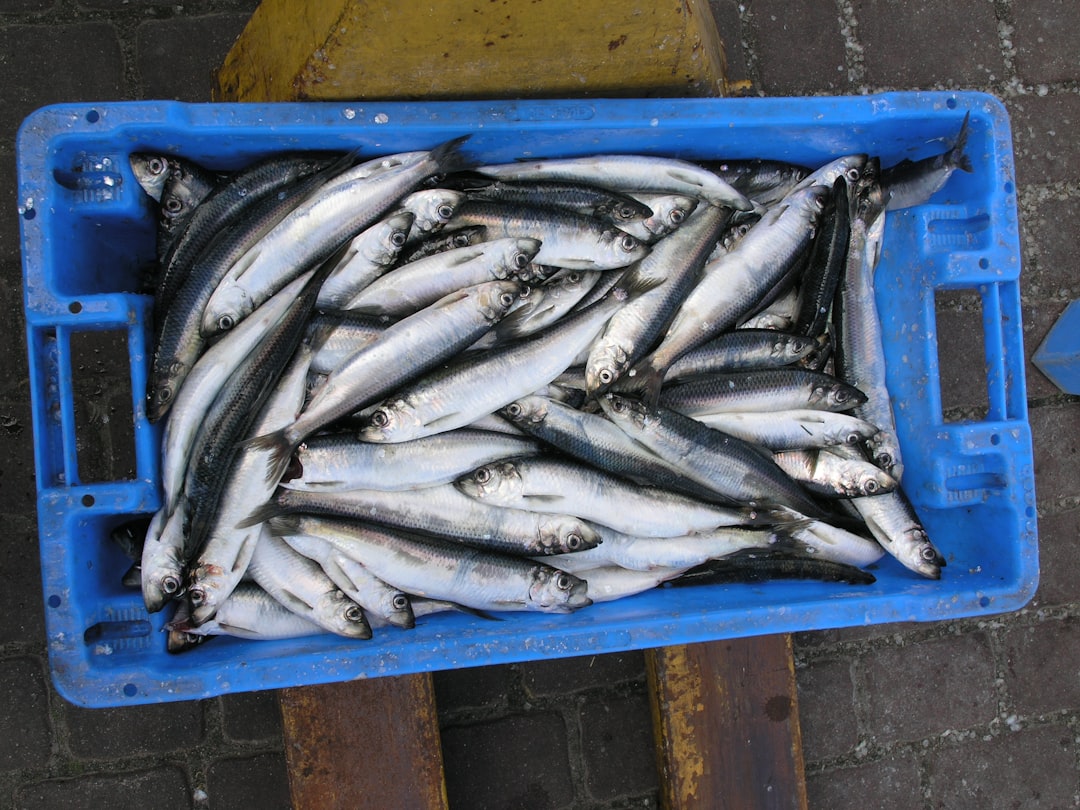
The North Atlantic, a vast and productive marine ecosystem, has long been a stage for intricate geopolitical and economic dramas, particularly concerning shared fish stocks. Among these, the mackerel (Scomber scombrus) stands out as a species of significant commercial value, its migratory patterns spanning the economic zones of multiple nations. Consequently, the allocation of fishing rights for this highly sought-after pelagic species has consistently fueled intense debate and, at times, outright conflict, earning the designation of ‘mackerel wars.’ This article delves into the complex history and ongoing challenges of mackerel quota disputes in the North Atlantic, examining the scientific, political, and economic dimensions of this persistent maritime disagreement.
Mackerel populations in the Northeast Atlantic are characterized by extensive migratory patterns, moving between Norwegian, Icelandic, Faroese, EU, and UK waters depending on the season and life stage. This transboundary movement is the bedrock of the management challenges, as no single nation can unilaterally manage the entire stock effectively. For the reader to fully grasp the complexities, imagine a river flowing through several countries; if each country dams it at will, the entire ecosystem downstream suffers. Similarly, uncoordinated fishing efforts on a shared migratory stock can lead to overexploitation and ecosystem collapse.
Stock Assessment and Scientific Advice
The cornerstone of sustainable fisheries management is robust scientific advice. The International Council for the Exploration of the Sea (ICES) plays a pivotal role in this regard, providing independent scientific assessments of fish stocks, including mackerel, and recommending total allowable catches (TACs) based on biological reference points and the precautionary approach. These recommendations are intended to ensure the long-term health of the stock.
ICES employs sophisticated models, incorporating data from scientific surveys, commercial catches, and biological sampling, to estimate stock size, recruitment, and fishing mortality. However, even the most meticulous scientific endeavor is not without its uncertainties. Fluctuations in environmental conditions, changes in mackerel behavior, and the inherent challenges of surveying a pelagic species can introduce variability into these assessments. Furthermore, discrepancies in data reporting from individual nations can complicate the overall picture, akin to trying to solve a puzzle with missing or mismatched pieces.
The Problem of Unilateral Quotas
Despite ICES recommendations, the primary source of contention lies in the unilateral setting of national quotas. When one or more coastal states set quotas exceeding their internationally agreed-upon share, or even exceeding the total ICES-recommended TAC, the collective sustainability of the stock is jeopardized. This “tragedy of the commons” scenario arises when individual actors prioritize short-term national gain over the long-term collective benefit of a healthy fishery. The immediate economic incentives for maximizing national catch often overshadow the broader ecological and economic repercussions of overfishing.
The ongoing mackerel quota disputes in the North Atlantic have sparked significant tensions among fishing nations, as each country vies for a larger share of the lucrative fishery. A related article that delves into the complexities of these disputes and their implications for marine conservation can be found at Freaky Science. This piece provides insights into the historical context of the mackerel fishery, the role of international agreements, and the challenges faced by policymakers in balancing economic interests with sustainable fishing practices.
The Historical Trajectory of Mackerel Disputes
The history of mackerel quota disputes in the North Atlantic is a tapestry woven with periods of cooperation interspersed with intense disagreements. Initially, the dispute primarily involved Norway and the European Union, but the landscape broadened with the increasing participation of other coastal states.
Early Agreements and Their Limitations
In the late 20th century, agreements were reached between Norway and the EU (then the European Economic Community) to jointly manage the mackerel stock in their shared waters. These agreements, while imperfect, provided a framework for quota allocation and scientific cooperation. However, the migratory patterns of mackerel extended beyond these two entities, leading to the emergence of new stakeholders.
The Rise of New Coastal States and Their Claims
As mackerel expanded its feeding grounds northwards into Icelandic and Faroese waters, these nations began to assert their historical fishing rights and their claims to a share of the stock. Iceland, in particular, emphasized its dependence on its exclusive economic zone (EEZ) for resources and its economic reliance on fisheries. The Faroe Islands, a self-governing archipelago within the Kingdom of Denmark, also advocated for a larger share, citing the importance of fishing to their economy and their historical presence in the fishery. This expansion of the mackerel’s range, driven perhaps by climate change and oceanographic shifts, metaphorically pulled more nations into the fishing net, increasing the complexity of allocation.
The “Mackerel Wars” – A Period of Intense Conflict
The early 2010s marked a particularly acrimonious period, often dubbed the “mackerel wars.” During this time, Iceland and the Faroe Islands unilaterally set their own substantial quotas, often exceeding what Norway and the EU considered their equitable share. This unilateral action led to retaliatory measures, including boycotts of Icelandic and Faroese fish products by the EU, and threats of further sanctions. The rhetoric escalated, and diplomatic relations became strained. This period demonstrated the stark reality of how easily scientific recommendations can be overshadowed by political and economic pressures, transforming shared resources into points of bitter contention.
Economic and Political Drivers of the Disputes
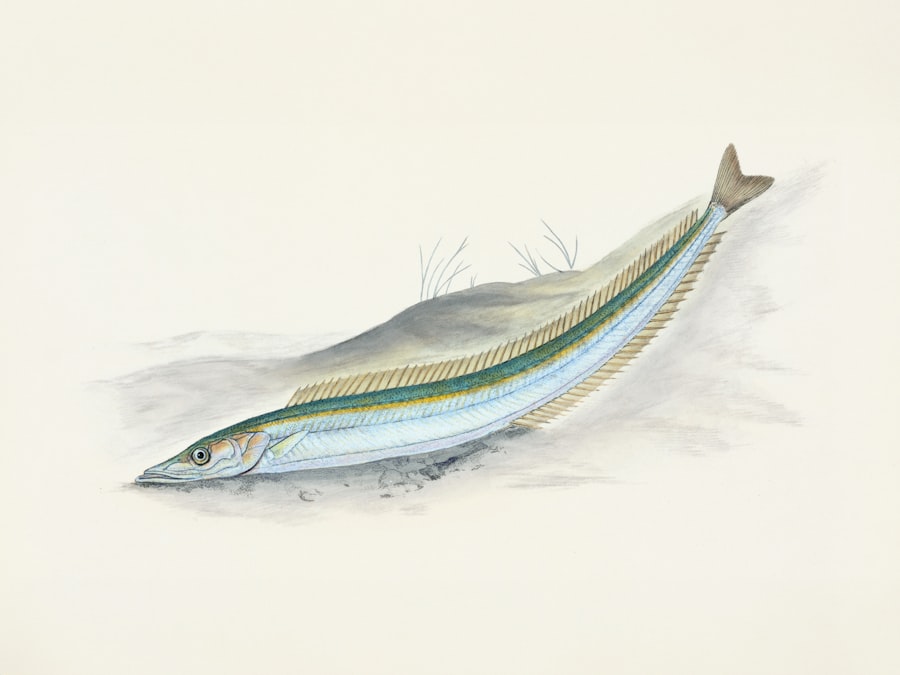
The underlying drivers of these disputes are multifaceted, stemming from a complex interplay of economic interests, political pressures, and national sovereignty.
Economic Dependence on Fisheries
For many of the coastal states involved, fishing is not merely an industry; it is a cultural cornerstone and a primary economic engine, particularly for smaller nations like Iceland and the Faroe Islands. A significant portion of their GDP and employment relies on the health and accessibility of fish stocks. Consequently, any reduction in quota can have profound and immediate economic repercussions, prompting strong political resistance to perceived unfair allocations. This economic dependency transforms quota allocation from a mere technical exercise into a matter of national survival and livelihood for many.
National Sovereignty and Resource Control
The concept of national sovereignty over resources within a country’s Exclusive Economic Zone (EEZ) is a powerful driver. While international law often dictates cooperation on shared stocks, the interpretation of fair shares and the ultimate control over resource exploitation within their designated waters remain politically sensitive issues for nations. Each nation views its EEZ as an extension of its territory, and the right to exploit resources within it is fiercely guarded. This often leads to a standoff, where legitimate claims based on scientific data collide with unwavering assertions of sovereign rights.
Geopolitical Considerations and Power Dynamics
The North Atlantic mackerel disputes also reflect broader geopolitical considerations and power dynamics. The EU, as a large economic bloc, naturally wields significant influence. However, smaller coastal states have skillfully leveraged their sovereignty and economic vulnerability to press their claims. The UK’s departure from the EU (Brexit) has further complicated the landscape, adding another independent actor to the negotiating table and creating new lines of negotiation and potential friction. Brexit opened a Pandora’s Box of new arrangements, as the UK found itself a solo player in a game previously played within the EU framework.
Towards Resolution: Challenges and Opportunities
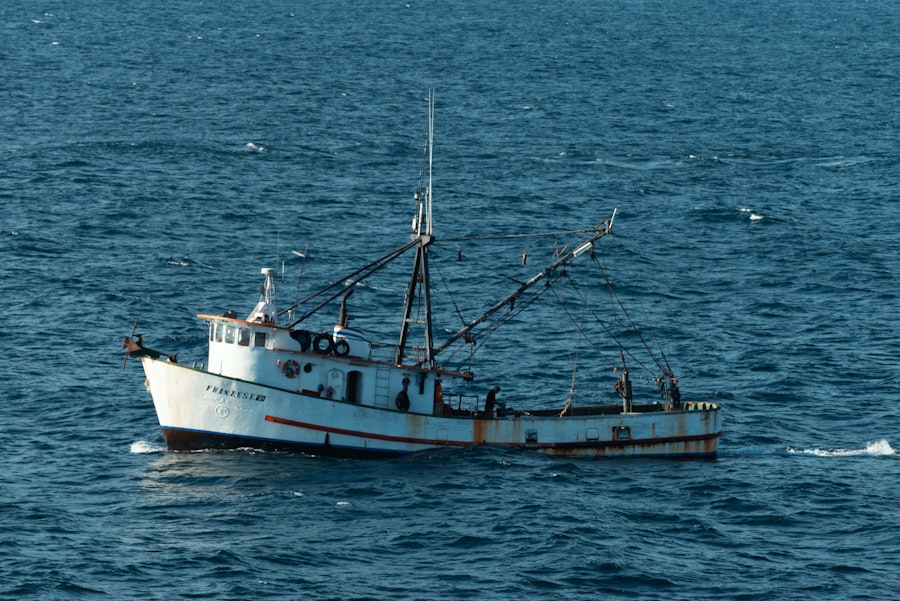
While the mackerel quota disputes present significant challenges, ongoing efforts are being made to find amicable and sustainable solutions.
The Role of International Negotiations and Agreements
Bilateral and multilateral negotiations remain the primary avenues for resolving these disputes. Agreements such as the Coastal States Agreement, which involves the key fishing nations in the Northeast Atlantic, aim to establish a framework for sharing the TAC and ensuring sustainable management. These agreements often involve complex compromises on quota shares, access arrangements, and joint scientific research. The goal is to move beyond unilateral actions and towards a collaborative approach, recognizing that the long-term health of the stock benefits all parties.
However, reaching consensus among multiple actors with divergent interests is an arduous process, often likened to herding cats. Each party comes to the table with its own set of demands and red lines, requiring extensive diplomatic efforts and a willingness to concede on certain points. For the reader, imagine a chess match where every player has their own rules – it’s only through agreed-upon frameworks that any game can proceed.
The Need for Scientific Consensus and Adaptive Management
A critical element in any successful resolution is a shared commitment to scientific consensus. All parties must agree to abide by the scientific advice provided by ICES, even when it means making difficult concessions. Furthermore, fisheries management must be adaptive, capable of responding to changes in stock dynamics, environmental conditions, and fishing patterns. This involves regular reviews of agreements and a willingness to adjust quotas and management measures as new scientific information becomes available.
Enforcement and Compliance Mechanisms
Even with agreements in place, effective enforcement and compliance mechanisms are essential to prevent overfishing and ensure that agreed-upon quotas are respected. This includes robust monitoring, control, and surveillance (MCS) systems, as well as sanctions for non-compliance. Without effective enforcement, agreements can become mere paper tigers, unable to deter those who seek to exploit the resource beyond sustainable limits. The fishing industry, like any other, has its rogue elements, and robust enforcement is the watchtower that safeguards the shared resource.
The Impact of Climate Change on Mackerel Distribution
An increasingly significant factor in the mackerel disputes is climate change. As ocean temperatures rise, mackerel populations are shifting their migratory patterns, extending their range further north into Arctic and sub-Arctic waters. This northward migration adds further complexity to quota allocation, as it brings new coastal states, such as Greenland (via Denmark), into the equation and potentially alters the traditional distribution of the stock. This environmental shift is a wildcard, a dynamic element that constantly reshuffles the deck of existing agreements and demands new approaches to management. It necessitates a proactive and adaptive approach to management, anticipating future shifts rather than reacting to past patterns.
In conclusion, the mackerel quota disputes in the North Atlantic represent a microcosm of the broader challenges inherent in managing shared transboundary resources. They highlight the delicate balance between national economic interests, political sovereignty, and the imperative of environmental sustainability. While significant progress has been made in establishing frameworks for cooperation, genuine and lasting solutions will require a continued commitment to scientific advice, diplomatic engagement, and a shared understanding that the long-term health of the mackerel stock is a collective responsibility, benefiting all who share its rich bounty. The future of this vital fishery, and indeed the broader North Atlantic ecosystem, hinges on the ability of these coastal states to navigate these choppy waters with a spirit of collaboration and foresight.

WARNING: The Ocean Conveyor Belt Is Already Collapsing
FAQs
What is the mackerel quota dispute in the North Atlantic?
The mackerel quota dispute in the North Atlantic refers to disagreements among countries over the allocation of fishing quotas for mackerel. These disputes arise because multiple nations fish in overlapping areas, and there is contention over how much each country is allowed to catch to ensure sustainable fish stocks.
Which countries are involved in the North Atlantic mackerel quota disputes?
The primary countries involved in the North Atlantic mackerel quota disputes include Iceland, the Faroe Islands, Norway, the European Union (particularly Ireland and the United Kingdom), and sometimes Greenland. These countries have competing claims and interests in the mackerel fisheries.
Why are mackerel quotas important in the North Atlantic?
Mackerel quotas are important because they help regulate the amount of fish caught to prevent overfishing, protect marine ecosystems, and ensure the long-term sustainability of mackerel stocks. Proper quota management supports the fishing industry and the economies of the countries involved.
What causes the disputes over mackerel quotas?
Disputes are caused by differences in scientific assessments of mackerel stock sizes, changes in mackerel migration patterns, and national interests in maximizing fishing opportunities. Some countries may increase their quotas unilaterally, leading to conflicts with others who view this as unsustainable or unfair.
How are mackerel quota disputes typically resolved?
Mackerel quota disputes are usually addressed through negotiations between the involved countries, often facilitated by international organizations such as the North East Atlantic Fisheries Commission (NEAFC). Agreements aim to establish fair and science-based quotas, though reaching consensus can be challenging and sometimes requires ongoing dialogue.