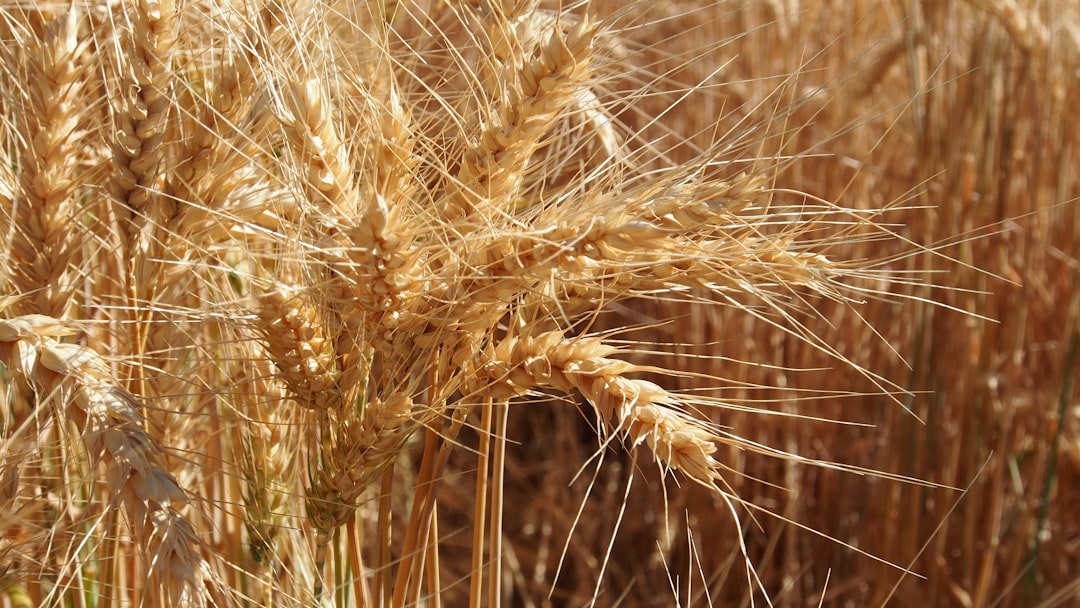
Wheat harvest failures in Northern Europe have become a growing concern, casting a long shadow over the region’s agricultural landscape and food security. For generations, the vast, fertile plains of Northern Europe have been the breadbasket of the continent, reliably yielding abundant harvests of wheat, a cornerstone of human nutrition and European culinary traditions. However, a confluence of environmental and economic factors is now challenging this long-standing stability, forcing a re-evaluation of agricultural practices and preparedness. The seemingly minor shifts in weather patterns, amplified by the overarching specter of climate change, are no longer isolated incidents but are coalescing into a pattern of significant crop loss, prompting a deeper examination of the underlying causes and potential consequences.
The reliability of a wheat harvest has historically been like a well-oiled machine, with predictable seasons and moderate climatic conditions serving as its vital components. When these components falter, the entire system grinds to a halt, leaving farmers facing ruin and impacting global food markets. This article will delve into the multifaceted nature of these harvest failures, exploring the environmental pressures, the economic ramifications, and the adaptive strategies being considered and implemented across Northern Europe.
The most immediate and visible catalyst for wheat harvest failures in Northern Europe is the increasing volatility of climatic conditions. What were once predictable seasonal rhythms are now subject to erratic swings, acting like a capricious conductor to the orchestra of nature.
Unprecedented Rainfall and Flooding
One of the most disruptive weather phenomena experienced has been the surge in heavy rainfall, particularly during critical growth and harvesting periods. Prolonged periods of deluge can effectively drown young wheat plants, preventing root development and ultimately leading to stunted growth and reduced yields. For those plants that do reach maturity, the deluge can lead to lodging, where the stalks bend and fall over, making mechanical harvesting difficult and inefficient, and significantly increasing the risk of rot and disease. The waterlogged fields become a quagmire, akin to trying to navigate a swamp with heavy machinery, rendering agricultural operations nearly impossible.
Drought and Heatwaves
Conversely, Northern Europe has also witnessed an alarming increase in the frequency and intensity of drought conditions and heatwaves. Summer months, traditionally a period of steady growth fueled by adequate moisture, are now punctuated by periods of scorching sun and parched earth. Without sufficient water, the wheat plant’s metabolic processes are severely hampered. Grains fail to fill, leading to shriveled kernels and a drastically reduced harvest weight. The heat itself can also damage the delicate reproductive stages of the plant, irreversibly impacting yield potential. These arid spells can strip the land bare, leaving fields looking more like dusty plains than fertile expanses.
Unseasonal Temperature Fluctuations
Beyond sustained periods of extreme weather, unseasonal temperature fluctuations are also wreaking havoc. Late frosts, which can occur even into spring, can decimate young seedlings that are not yet resilient enough to withstand freezing temperatures. Conversely, unusually warm spells in late autumn or early winter can trick the plants into premature growth, making them vulnerable to subsequent, more typical, cold snaps. This seesawing of temperatures creates a biological confusion, as if the plants are perpetually caught between seasons, unable to settle into a consistent developmental rhythm.
The recent wheat harvest failures in Northern Europe have raised significant concerns regarding food security and agricultural sustainability in the region. A related article that delves deeper into the implications of these harvest failures can be found at Freaky Science, where experts discuss the potential long-term effects on the economy and the environment, as well as strategies for mitigating future risks.
Soil Health and Nutrient Depletion: The Foundation Crumbles
The resilience of any crop is intrinsically linked to the health of the soil it grows in. Decades of intensive farming practices, coupled with the stresses imposed by the changing climate, have begun to erode the foundational strength of Northern European soils, diminishing their capacity to support robust wheat yields.
Intensive Monoculture and Soil Degradation
The widespread adoption of monoculture, where the same crop is grown year after year on the same land, has been a defining feature of modern agriculture. While it offers efficiency in some regards, it relentlessly extracts specific nutrients from the soil without adequate replenishment. This practice treats the soil like a perpetually harvested vending machine, depleting its resources without a proportional reinvestment. Over time, this leads to a decline in soil organic matter, a critical component for water retention, nutrient availability, and soil structure. The soil begins to lose its lifeblood, becoming more compacted and less able to support healthy root systems.
Erosion and Loss of Topsoil
Intensive tillage and the lack of persistent ground cover, often exacerbated by extreme weather events, contribute to soil erosion. Heavy rainfall can wash away precious topsoil, carrying away vital nutrients and organic matter. Strong winds, particularly in drier periods, can also contribute to wind erosion, further stripping the land. This loss of topsoil is akin to losing the fertile skin of the Earth, leaving behind a less productive and more vulnerable substrata. Rebuilding lost topsoil is a process that takes centuries, making its erosion a particularly devastating consequence.
Declining Micronutrient Availability
Beyond the major nutrient macronutrients, the depletion of micronutrients essential for plant health, such as zinc, manganese, and iron, is also becoming a concern. These trace elements, required in smaller quantities, play critical roles in photosynthesis, enzyme function, and disease resistance. Their decline, often linked to the overall degradation of soil health and imbalances caused by monoculture, can leave wheat plants more susceptible to stress and disease, further impacting yield.
Pests and Diseases in a Warming World: A New Frontier
The changing climate is not only impacting the wheat plants themselves but also creating a more hospitable environment for agricultural pests and diseases, presenting new and evolving challenges for farmers.
Range Expansion of Existing Pests
Warmer winters and prolonged growing seasons are allowing pests that were previously confined to more southerly regions to expand their geographical range northward. This means that farmers in Northern Europe are now facing infestations from insects and pathogens that their crops have not historically developed resistance to. These invasive species can exploit the weakened defenses of wheat plants, leading to more significant damage. The familiar pests are now joined by unwelcome newcomers, broadening the battlefield for farmers.
Emergence of New Pathogens
Similarly, shifts in temperature and humidity can create optimal conditions for the proliferation of fungal and bacterial diseases. Diseases like rusts, blights, and powdery mildew, which can devastate wheat crops, are becoming more prevalent and aggressive. These pathogens can spread rapidly under favorable conditions, overwhelming even well-managed fields. The diseases themselves can mutate and evolve, developing resistance to existing treatments, creating a perpetual arms race between farmers and nature.
Impact of Climate on Pest and Disease Cycles
The altered weather patterns directly influence the life cycles and reproductive rates of many pests and pathogens. For example, warmer temperatures can lead to more generations of insects within a single growing season, increasing their overall population pressure on crops. Conversely, unpredictable rainfall can create moist conditions conducive to fungal growth. Understanding and predicting these altered cycles is becoming a critical, and often elusive, aspect of pest and disease management.
Economic Repercussions: Ripples Through the Agricultural Sector and Beyond
The tangible losses experienced in wheat fields translate into significant economic hardship for farmers and create wider reverberations throughout the agricultural sector and the broader economy.
Farmer Indebtedness and Financial Instability
For individual farmers, repeated harvest failures can be financially ruinous. The costs of planting, fertilizing, and protecting crops are incurred before any revenue is generated. When that revenue fails to materialize due to crop loss, farmers can quickly fall into debt. This financial instability can lead to a loss of investment in modern equipment and improvements, creating a downward spiral that further compromises their ability to adapt and thrive. The dream of a bountiful harvest can quickly turn into a nightmare of mounting bills.
Increased Food Prices and Consumer Impact
Reduced domestic wheat production inevitably leads to a greater reliance on imports, often from regions also facing their own agricultural challenges. This increased demand, coupled with reduced supply, drives up the price of wheat and, consequently, the cost of bread, pasta, and other staple food products. Consumers, particularly those in lower-income brackets, can face significant challenges affording essential foodstuffs, leading to food insecurity and social strain. The affordable loaf of bread becomes a luxury, impacting the tables of everyday families.
Impact on Downstream Industries
The ripple effect extends beyond food retailers. Industries that rely on wheat as a primary ingredient, such as bakeries, food processing plants, and even the animal feed industry, can experience disruptions in supply chains and increased operational costs. This can lead to job losses and reduced profitability across a range of businesses, demonstrating how interconnected the agricultural sector is with the wider economy.
The recent wheat harvest failures in Northern Europe have raised concerns about food security and agricultural sustainability in the region. As farmers grapple with the effects of climate change and unpredictable weather patterns, many are looking for solutions to mitigate these challenges. A related article discusses innovative farming techniques that could help improve crop resilience in the face of such adversities. For more insights on this topic, you can read the full article here.
Adaptation and Mitigation: Charting a Course for Resilience
| Year | Country | Region | Estimated Wheat Harvest Loss (%) | Primary Cause | Impact on Production (tons) |
|---|---|---|---|---|---|
| 2023 | Denmark | Jutland | 25% | Drought | 150,000 |
| 2022 | Sweden | Skåne | 18% | Late Frost | 90,000 |
| 2021 | Germany | Schleswig-Holstein | 30% | Flooding | 200,000 |
| 2020 | Poland | West Pomerania | 22% | Pest Infestation | 120,000 |
| 2019 | Finland | Ostrobothnia | 15% | Heatwave | 80,000 |
In the face of these escalating challenges, the agricultural sector in Northern Europe is increasingly focused on adaptation and mitigation strategies, seeking to build resilience into the system and reduce its vulnerability to future shocks.
Development of Climate-Resilient Wheat Varieties
Significant research and development efforts are being invested in breeding and genetically modifying wheat varieties that are more tolerant to drought, heat, and disease. This involves identifying and propagating genes that confer resilience to specific environmental stresses. The goal is to cultivate a new generation of wheat that can weather the storms and droughts of the future. This approach is akin to engineering a more robust ship, capable of navigating increasingly turbulent seas.
Diversification of Crops and Farming Practices
A return to more diverse cropping systems, moving away from sole reliance on wheat, is being advocated and implemented. Introducing other crops, such as barley, rye, or legumes, can help to break pest and disease cycles, improve soil health through crop rotation, and provide a more stable income stream for farmers even if one crop fails. This diversification spreads the risk, preventing an all-or-nothing outcome from a single harvest. It’s like spreading one’s investments across different assets, rather than putting all eggs in one basket.
Advancements in Precision Agriculture and Technology
The adoption of precision agriculture techniques, leveraging technologies such as GPS, sensors, and data analytics, is enabling farmers to manage their land and crops more efficiently. This allows for targeted application of water, fertilizers, and pesticides, optimizing resource use and minimizing environmental impact. Smart farming technologies are becoming the eyes and hands of the farmer, providing granular insights and enabling more informed decision-making.
Water Management and Efficient Irrigation
Improving water management strategies is paramount, especially in regions experiencing increased drought. This includes investing in more efficient irrigation systems, such as drip irrigation, and exploring techniques for water conservation and rainwater harvesting. The efficient use of water, a finite and increasingly precious resource, is becoming a critical component of sustainable agriculture.
Policy and Government Support
Governments and international organizations are playing a crucial role by providing financial support, research funding, and policy frameworks to assist farmers in adapting to climate change. This includes initiatives to promote sustainable farming practices, develop crop insurance schemes, and invest in early warning systems for extreme weather events. Effective policy acts as a crucial anchor, providing stability and guiding the transition towards a more resilient agricultural future.
The challenges facing wheat harvests in Northern Europe are multifaceted and demand a comprehensive and collaborative response. The seemingly inexorable march of climate change, coupled with the legacies of intensive agricultural practices, has created a precarious situation. However, the ingenuity and determination of farmers, researchers, and policymakers offer a path forward. By embracing innovation, fostering collaboration, and prioritizing sustainable practices, Northern Europe can strive to reclaim its status as a reliable breadbasket, ensuring food security and agricultural prosperity for generations to come. The journey ahead will undoubtedly be challenging, but a commitment to adaptation and resilience holds the key to navigating these turbulent times and ensuring that the golden fields of wheat continue to be a symbol of abundance and nourishment.

WARNING: The Ocean Conveyor Belt Is Already Collapsing
FAQs
What are the main causes of wheat harvest failures in Northern Europe?
Wheat harvest failures in Northern Europe are primarily caused by adverse weather conditions such as drought, excessive rainfall, late frosts, and unseasonal temperature fluctuations. Other factors include pest infestations, diseases, and soil nutrient deficiencies.
Which countries in Northern Europe are most affected by wheat harvest failures?
Countries in Northern Europe most affected by wheat harvest failures include the United Kingdom, Germany, Denmark, Sweden, and Poland. The severity varies depending on local climate conditions and agricultural practices.
How do wheat harvest failures impact the economy in Northern Europe?
Wheat harvest failures can lead to reduced crop yields, resulting in higher prices for wheat and related products. This affects farmers’ incomes, increases food prices, and can contribute to economic instability in the agricultural sector and related industries.
What measures are being taken to prevent wheat harvest failures in Northern Europe?
Measures include adopting more resilient wheat varieties, improving irrigation systems, implementing better pest and disease management, and using advanced forecasting and monitoring technologies to anticipate and mitigate adverse weather impacts.
How does climate change influence wheat harvest failures in Northern Europe?
Climate change contributes to increased frequency and intensity of extreme weather events such as droughts and floods, which can damage wheat crops. It also alters growing seasons and pest patterns, making wheat production more unpredictable and challenging in Northern Europe.