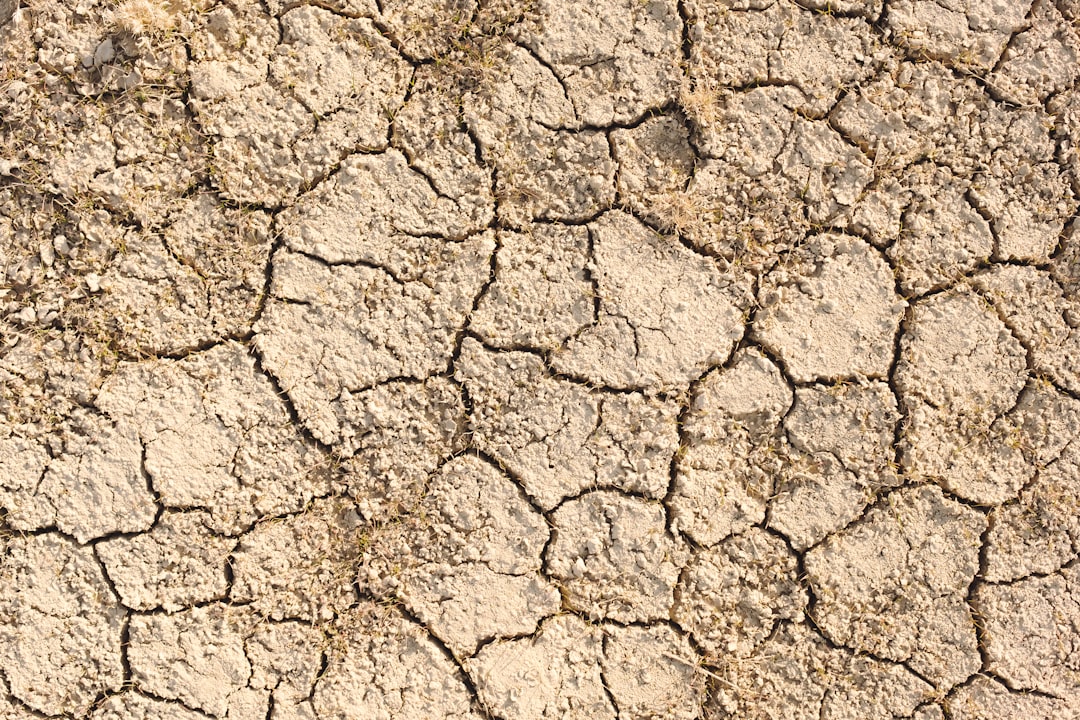
The Sahel region of Africa, a transitional zone bordering the Sahara Desert to the north and the Sudanian Savanna to the south, has long been a focal point for understanding the intricate dance between climate variability and human vulnerability. The past century, in particular, has witnessed profound climatic shifts in the Sahel, none more impactful than the persistent and severe droughts that characterized the latter half of the 20th century. These droughts, often stretching for decades and punctuated by devastating famines, have etched themselves into the collective memory of the region and spurred extensive scientific inquiry. A crucial thread in unravelling the complexities of Sahelian drought has been the increasingly sophisticated understanding of its teleconnections with global climate phenomena, particularly the sea surface temperatures of the Atlantic Ocean. This article delves into the profound impact of Sahelian droughts and their intricate relationship with Atlantic Ocean temperatures, exploring the mechanisms, consequences, and ongoing research surrounding this critical climatic nexus.
The Sahel’s climate is inherently volatile, characterized by a single rainy season typically from June to October, followed by a long dry season. Its delicate ecological balance makes it exquisitely sensitive to changes in precipitation patterns.
Geographical Context and Climate Characteristics
The Sahel stretches approximately 5,400 kilometers from the Atlantic Ocean in the west to the Red Sea in the east, encompassing parts of Senegal, Mauritania, Mali, Burkina Faso, Niger, Nigeria, Chad, Sudan, Eritrea, and Djibouti. The rainfall gradient is steep, decreasing from approximately 600 mm/year in the south to less than 100 mm/year in the north. This gradient defines the semi-arid to arid nature of the region, where subsistence agriculture and pastoralism are the dominant livelihoods.
Historical Droughts and Their Severity
While drought is a recurring feature of the Sahelian climate, the latter half of the 20th century witnessed an unparalleled period of sustained aridity. The most severe and widely studied drought spanned from the late 1960s to the late 1980s, peaking in the early 1970s and early 1980s. This period saw declines in rainfall of 20-50% compared to earlier decades. For instance, the 1973/74 drought led to widespread famine, displacing millions and causing an estimated 100,000 to 250,000 deaths. Subsequent years, though exhibiting some inter-annual variability, generally remained drier than the mid-20th century average, demonstrating a persistent shift in the regional climate.
The Sahel region has been experiencing severe drought conditions, which are increasingly linked to fluctuations in Atlantic Ocean temperatures. A recent article discusses how rising sea surface temperatures in the Atlantic can influence weather patterns across the Sahel, exacerbating drought conditions and impacting agricultural productivity. For more insights on this critical issue, you can read the article here: Freaky Science.
The Atlantic Ocean’s Influence: A Deeper Dive
The Atlantic Ocean, a vast reservoir of heat and moisture, plays a pivotal role in modulating weather systems across the globe. For the Sahel, specific patterns of sea surface temperature (SST) anomalies in the Atlantic have been identified as primary drivers of its rainfall variability.
The Atlantic Multidecadal Oscillation (AMO)
The Atlantic Multidecadal Oscillation (AMO) is an ongoing series of long-duration changes in the sea surface temperature of the North Atlantic Ocean, with a period of roughly 60-80 years. The AMO is characterized by alternating warm and cool phases.
Mechanisms of AMO Influence
During a positive (warm) phase of the AMO, the North Atlantic experiences warmer-than-average SSTs, while during a negative (cool) phase, SSTs are cooler. This temperature anomaly pattern exerts a profound influence on atmospheric circulation. A warm North Atlantic is associated with a northward shift of the Intertropical Convergence Zone (ITCZ) and a strengthening of the West African Monsoon (WAM) system, leading to increased rainfall in the Sahel. Conversely, a cool North Atlantic can lead to a southward shift of the ITCZ and a weakening of the WAM, resulting in reduced rainfall and drought conditions. The severe Sahel droughts of the 1970s and 1980s largely coincided with a negative (cool) phase of the AMO.
Tropical Atlantic Sea Surface Temperature Gradient
Beyond the overarching AMO, the temperature difference between the North Tropical Atlantic (NTA) and the South Tropical Atlantic (STA) is also a critical factor. This gradient, often referred to as the Tropical Atlantic SST gradient, directly impacts the position and intensity of the ITCZ.
Impact on the Intertropical Convergence Zone (ITCZ)
When the North Tropical Atlantic is anomalously cool relative to the South Tropical Atlantic, this creates a stronger interhemispheric temperature gradient. This gradient tends to pull the ITCZ southward, away from the Sahel region, reducing the availability of moisture and suppressing convection necessary for rainfall. Conversely, a warmer North Tropical Atlantic relative to the South Tropical Atlantic typically pushes the ITCZ northward, bringing more rain to the Sahel. The sustained drought conditions of the late 20th century were strongly linked to a persistent pattern of cooler-than-average North Tropical Atlantic SSTs.
Consequences of Prolonged Aridity
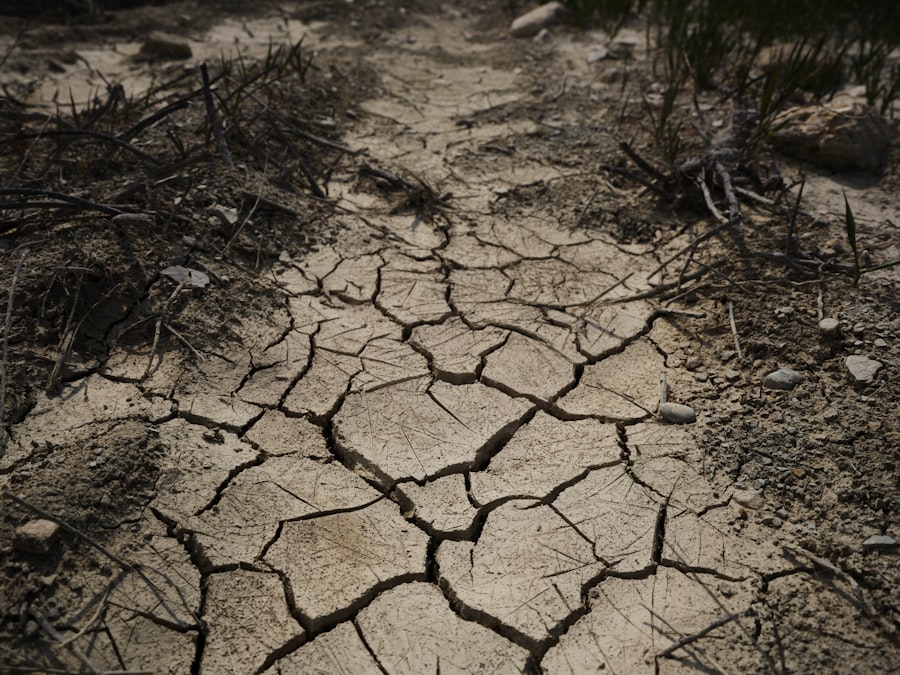
The multi-decadal droughts in the Sahel have had a cascading effect, profoundly altering the region’s socio-economic fabric, ecological balance, and human well-being.
Environmental Degradation
The most visible and immediate consequence of sustained drought is the widespread environmental degradation. This manifests in several critical ways.
Desertification and Land Degradation
Reduced rainfall, coupled with increased pressure on land resources from a growing population, has accelerated desertification. The fertile topsoil, no longer protected by vegetation, is susceptible to wind erosion, especially during the long dry seasons. Water points dry up, leading to further concentration of livestock around remaining water sources, exacerbating overgrazing and trampling. This continuous assault on the land reduces its productivity and resilience, turning once arable land into barren stretches.
Loss of Biodiversity
Ecosystems, already fragile, succumb to the stress of prolonged water scarcity. Plant species, ill-adapted to severe drought, diminish or disappear. Animal populations, both wild and domesticated, face increased mortality due to lack of water and forage, leading to a significant loss of biodiversity and disruption of ecological services.
Socio-Economic Impact
The socio-economic repercussions of Sahelian droughts are extensive and impact every strata of society.
Food Insecurity and Famine
Agriculture forms the backbone of the Sahelian economy, with rain-fed crops like millet, sorghum, and maize being staples. Droughts inevitably lead to crop failures, decimating harvests and creating severe food shortages. This, in turn, drives up food prices, making staples unaffordable for the most vulnerable populations. The famines of the 1970s and 1980s are stark reminders of the devastating human toll of prolonged food insecurity.
Displacement and Migration
Facing insurmountable challenges to their livelihoods, many Sahelian populations are forced to migrate. This can be internal displacement – people moving from rural areas to urban centers in search of food and work – or international migration, often to neighboring countries or even Europe. These migrations place immense strain on host communities and can exacerbate social tensions, highlighting the ripple effects of climate-induced crises.
Conflict and Instability
Resource scarcity, particularly water and arable land, intensifies competition among different groups, such as pastoralists and farmers. This competition can escalate into localized conflicts, which are often exploited by militant groups, thus contributing to regional instability. The complex interplay between climate change, resource scarcity, and conflict is a defining feature of the contemporary Sahelian landscape.
The Role of Global Climate Change
While natural variability, particularly the AMO, explains a significant portion of Sahelian rainfall fluctuations, the pervasive influence of anthropogenic climate change cannot be overlooked.
Anthropogenic Forcing and Regional Climate Models
Human-induced emissions of greenhouse gases are leading to a warming planet, including the oceans. Climate models are increasingly incorporating these anthropogenic forcings to project future climate scenarios for the Sahel.
Contribution to Ocean Warming
Global warming is contributing to a rise in global mean sea surface temperatures, including in the Atlantic Ocean. Attributing specific regional rainfall changes solely to anthropogenic warming is complex, given the strong natural variability. However, models suggest that a warmer overall Atlantic could potentially modulate regional SST gradients in ways that alter Sahelian rainfall patterns. Some studies indicate that while the 20th-century droughts were primarily linked to natural variability, future changes might be increasingly influenced by anthropogenic factors.
Uncertainties in Future Projections
Projections for future Sahelian rainfall under climate change remain uncertain, with different models sometimes offering conflicting outcomes. Some models predict a continuation of drier conditions, while others suggest a potential for increased rainfall in certain parts of the Sahel. This uncertainty stems from the complex interactions between different climate forcings and the challenges in accurately simulating regional climate processes. However, a common thread is the expectation of increased climate variability, meaning more intense wet and dry spells, and an elevated risk of extreme weather events.
The ongoing drought in the Sahel region has raised concerns among scientists, particularly regarding its potential connection to rising Atlantic Ocean temperatures. A recent article explores how fluctuations in ocean temperatures can influence weather patterns across continents, affecting rainfall and drought conditions in vulnerable areas like the Sahel. For more insights on this critical issue, you can read the full article here. Understanding these complex interactions is essential for developing effective strategies to mitigate the impacts of climate change on affected communities.
Recent Trends and Future Outlook
| Year | Sahel Rainfall Anomaly (%) | Atlantic Ocean SST Anomaly (°C) | Impact on Sahel Drought |
|---|---|---|---|
| 1970 | -15 | +0.2 | Moderate drought conditions |
| 1980 | -30 | +0.5 | Severe drought, crop failures |
| 1990 | -25 | +0.4 | Continued drought stress |
| 2000 | -10 | +0.1 | Improved rainfall, drought easing |
| 2010 | -5 | +0.3 | Near-normal conditions |
| 2020 | -12 | +0.4 | Moderate drought return |
The Sahel has experienced a partial recovery in rainfall since the late 1980s, largely coinciding with a shift back to a positive phase of the AMO. This recovery offers a glimmer of hope but does not negate the persistent vulnerabilities of the region.
Rainfall Recovery and its Implications
Since the 1990s, the Sahel has seen an increase in rainfall compared to the preceding dry decades. This recovery has been attributed, in large part, to a positive shift in the AMO, leading to warmer North Atlantic SSTs.
Shifting Rainfall Patterns
While overall rainfall has increased, the character of the rainfall has also shifted. There is evidence of more intense, shorter-duration rainfall events, often leading to flash flooding, even in areas experiencing overall drought. This “feast or famine” pattern of rainfall, where dry periods are interspersed with torrential downpours, poses significant challenges for agriculture and water management. While some areas have seen improved agricultural yields, the threat of drought remains ever-present, and the increased unpredictability adds an additional layer of complexity for adaptation efforts.
Persistent Vulnerabilities
Despite the partial recovery, many Sahelian communities remain highly vulnerable due to past degradation, population growth, and limited adaptive capacity. The slow recovery of ecosystems, coupled with the continued pressure on land resources, means that the region is still acutely sensitive to even minor climatic shocks. Furthermore, political instability and conflict often hinder effective adaptation and development initiatives.
Adaptation and Resilience Building
Addressing the challenges posed by Sahelian droughts and Atlantic Ocean temperature variability requires a multi-faceted approach focused on building resilience.
Sustainable Land Management
Practices such as agroforestry, conservation agriculture, zaï (a traditional farming technique for restoring degraded land), and half-moons are crucial for restoring soil fertility, enhancing water retention, and combating desertification. These techniques foster more resilient agricultural systems that can better withstand periods of low rainfall.
Early Warning Systems and Climate Information Services
Investing in robust early warning systems that monitor rainfall patterns, vegetation health, and food security indicators is paramount. Disseminating timely and actionable climate information to farmers and pastoralists enables them to make informed decisions regarding planting, harvesting, and livestock management, thus mitigating the impacts of climate variability.
Water Resource Management
Developing and implementing sustainable water resource management strategies, including the construction of small-scale irrigation systems, rainwater harvesting, and the protection of natural aquifers, is vital. Diversifying water sources and improving access to clean water can significantly enhance community resilience during dry spells.
Diversification of Livelihoods
Promoting the diversification of livelihoods beyond rain-fed agriculture can reduce vulnerability to climate shocks. This includes supporting non-agricultural income-generating activities, fostering small businesses, and improving access to education and training.
Conclusion
The impact of Sahelian droughts, inextricably linked to the grand orchestration of Atlantic Ocean temperatures, serves as a poignant reminder of our planet’s interconnected climate system. The history of the Sahel in the latter half of the 20th century, marked by devastating aridity driven by Atlantic Ocean temperature anomalies, particularly the negative phase of the AMO and specific tropical Atlantic SST gradients, underlines the profound sensitivity of regional climates to large-scale ocean dynamics.
The consequences of these droughts have been far-reaching, carving deep scars of desertification, food insecurity, and social upheaval across the region. While a recent partial recovery in rainfall offers some respite, driven by a shift in natural climate cycles, the specter of increased climate variability and future shifts driven by anthropogenic climate change looms large. The Sahel remains a front-line region grappling with the immediate and long-term realities of a changing climate.
As our understanding of these complex teleconnections deepens, so too must our commitment to fostering resilience in the Sahel. Investment in sustainable land management, robust early warning systems, integrated water resource management, and livelihood diversification are not merely acts of humanitarian aid but strategic imperatives for global stability. The story of the Sahel and the Atlantic Ocean is a powerful narrative—a testament to the delicate balance of our planet and a call to action for a more resilient and sustainable future. Addressing these challenges is not just for the people of the Sahel, but for all of us, as the interconnectedness of our global climate system means that the ripples felt in one region can eventually make waves across the world.

WARNING: The Ocean Conveyor Belt Is Already Collapsing
FAQs
What is the Sahel region?
The Sahel is a semi-arid region in Africa that stretches across the continent from the Atlantic Ocean in the west to the Red Sea in the east, lying just south of the Sahara Desert. It includes parts of countries such as Senegal, Mauritania, Mali, Niger, Chad, and Sudan.
How does drought affect the Sahel region?
Drought in the Sahel leads to severe water shortages, crop failures, and loss of livestock, which in turn cause food insecurity, economic hardship, and displacement of communities. It also impacts the local ecosystems and biodiversity.
What role do Atlantic Ocean temperatures play in Sahel droughts?
Variations in Atlantic Ocean sea surface temperatures influence atmospheric circulation patterns that affect rainfall in the Sahel. Warmer or cooler temperatures in the tropical Atlantic can either enhance or suppress monsoon rains, thereby contributing to drought or wetter conditions in the region.
Has the Sahel experienced significant droughts in recent history?
Yes, the Sahel has experienced several severe droughts, notably in the 1970s and 1980s, which caused widespread famine and hardship. These droughts were linked to changes in ocean temperatures and atmospheric conditions.
Are there efforts to mitigate the impact of drought in the Sahel?
Yes, various international and regional initiatives focus on improving water management, promoting sustainable agriculture, reforestation, and early warning systems to reduce the vulnerability of Sahelian communities to drought and climate variability.