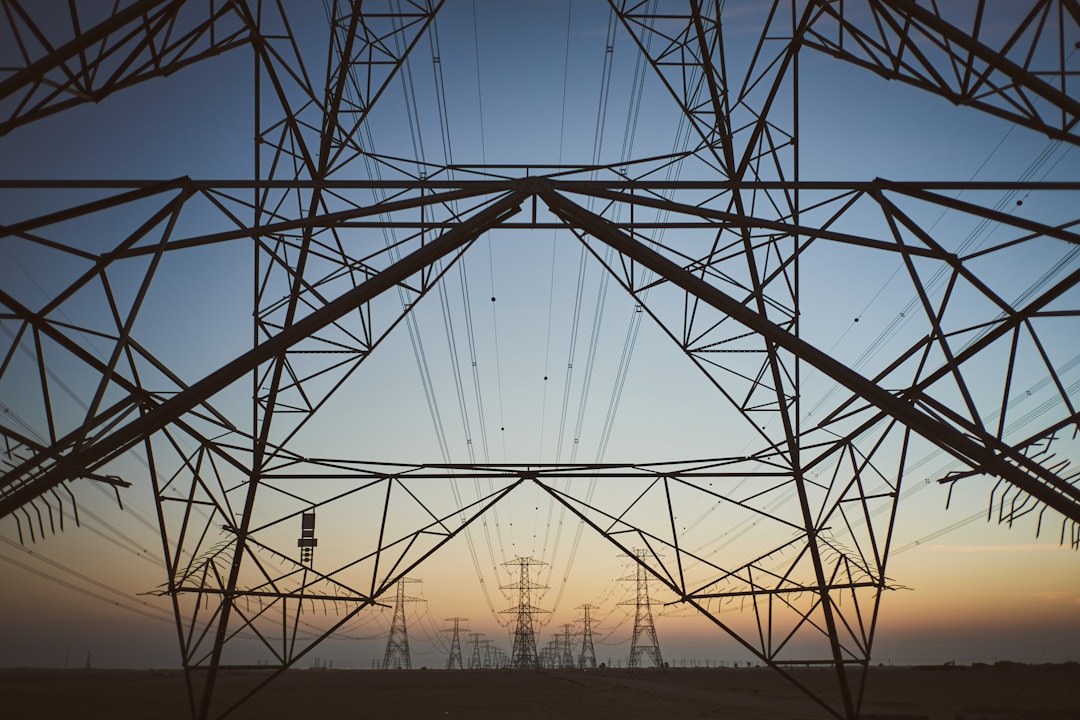
The relentless grip of winter, with its icy winds and heavy snowfalls, presents a formidable challenge to the stability of our modern energy grids. These intricate networks, the veins and arteries of our electrified world, are often vulnerable to the extreme conditions that characterize harsh winters. The consequences of grid failure during such periods can be severe, ranging from widespread power outages affecting homes, businesses, and essential services to significant economic disruption and even threats to public safety. Therefore, building resilient energy grids capable of withstanding these wintry assaults is not merely a matter of convenience; it is a critical imperative for ensuring societal well-being and continuity. This article will explore the multifaceted strategies and technological advancements necessary to fortify our energy infrastructure against the ravages of winter.
Winter’s impact on the energy grid is not a monolithic force but a combination of several destructive elements. Understanding these precise vulnerabilities is the first step towards effective mitigation.
The Double Whammy: Ice and Wind Loads
- Ice Accumulation: The insidious accumulation of ice on power lines and support structures is a primary culprit in winter grid failures. As moisture freezes, it adds significant weight to conductors, potentially causing them to sag, break, or pull down entire towers. This weight can be amplified by wind, creating a dynamic stress that few components can withstand indefinitely. Imagine a network of delicate threads, each bearing an ever-increasing burden of frozen water; eventually, something will snap.
- High Wind Speeds: Gale-force winds, often accompanying winter storms, exert considerable lateral and torsional forces on grid infrastructure. These forces can uproot transmission towers, damage substations, and dislodge power lines, especially when compounded by the weight of ice. The sheer kinetic energy of strong winds can be a destructive force of nature, and the grid must be designed to resist its onslaught.
The Silent Creep: Extreme Cold and Its Consequences
- Material Brittleness: Extreme cold temperatures can fundamentally alter the properties of materials used in grid construction. Metals, such as the steel and aluminum alloys used in conductors and tower components, can become more brittle at very low temperatures. This increased brittleness makes them more susceptible to fracture under stress, whether from ice, wind, or even minor mechanical impacts.
- Increased Demand and Strain: Winter invariably brings a surge in energy demand as heating systems kick into high gear. This increased load places a greater strain on the entire grid, from generation facilities to transmission lines and distribution networks. If the grid is already operating at or near its capacity, a significant increase in demand due to extreme cold can push it beyond its breaking point. This is akin to asking an already overworked engine to perform under immense additional strain.
Subterranean Threats: Ground Freeze and Underground Infrastructure
- Ground Freeze and Utility Damage: While overhead lines are often the most visible casualties of winter storms, underground infrastructure is not immune. Deep ground freeze can disrupt the operation of buried cables and associated equipment, leading to faults and outages. Furthermore, frost heave, the upward swelling of soil as it freezes, can exert pressure on underground conduits and cables, potentially causing damage.
- Access and Repair Challenges: Reaching and repairing underground infrastructure during severe winter conditions is exceptionally difficult. Excavation becomes a Herculean task when the ground is frozen solid, delaying restoration efforts and prolonging outages.
In the context of enhancing energy grid resilience for extreme winters, a relevant article can be found on Freaky Science, which discusses innovative strategies and technologies aimed at fortifying energy infrastructure against severe weather conditions. This article provides insights into the challenges faced by energy providers during harsh winter months and explores potential solutions to ensure a reliable power supply. For more information, you can read the article here: Freaky Science.
Fortifying the Network: Design and Engineering Strategies
The resilience of an energy grid against winter’s fury is fundamentally rooted in its design and engineering. Proactive measures taken during the planning, construction, and ongoing maintenance phases are paramount.
Strengthening the Spine: Transmission and Distribution Line Hardening
- Advanced Conductor Technologies: The development and deployment of advanced conductor technologies play a crucial role. High-temperature low-sag (HTLS) conductors, for instance, are designed to operate at higher temperatures without excessive drooping, thereby reducing the risk of ice accumulation and line-to-line or line-to-ground contact. Composite core conductors, with their lightweight and high-strength materials, offer improved performance under challenging weather conditions.
- Reinforced Tower and Pole Structures: Transmission towers and distribution poles are the skeletal framework of the grid. Strengthening these structures to withstand higher wind loads and the added weight of ice is a critical engineering feat. This can involve using stronger materials, optimizing tower designs for greater stability, and increasing the spacing between conductors to provide more clearance. The goal is to build structures that can weather not just a normal winter, but an exceptional one.
- Undergrounding Power Lines: In regions prone to severe weather and where the cost is justifiable, undergrounding portions of the distribution network can offer a significant boost in resilience. Buried lines are largely shielded from the direct impact of ice, snow, and high winds. However, this approach comes with its own set of challenges, including higher upfront costs and the complexities of accessing and repairing buried infrastructure. It is a trade-off between direct exposure and hidden vulnerability.
Enhancing the Joints: Substations and Critical Infrastructure Protection
- Weatherproofing Equipment: Substations, the nerve centers of the grid where voltage is transformed, are critical nodes that must be protected. This includes weatherproofing electrical equipment, such as transformers and switchgear, to prevent moisture ingress and ice buildup. Ensuring adequate drainage and insulation in and around substation components is essential.
- Elevating Infrastructure: In areas susceptible to flooding exacerbated by snowmelt, elevating critical substation equipment above potential flood levels can prevent catastrophic damage. This proactive measure safeguards essential grid components from water intrusion.
- Redundancy and Spare Capacity: Designing substations with built-in redundancy, such as multiple transformers or switching pathways, ensures that the failure of a single component does not lead to a complete system collapse. Maintaining adequate spare capacity also allows for rapid replacement of damaged equipment.
Building for the Future: Smart Grid Technologies and Modernization
- Grid Monitoring and Sensing: The intelligence of the modern grid lies in its ability to monitor itself. Advanced sensors deployed throughout the network can provide real-time data on ice buildup, wind speeds, temperature, and electrical loads. This information is invaluable for predicting potential problems and responding proactively.
- Automated Fault Detection and Isolation: Smart grid technologies enable automated fault detection and isolation. If a line breaks or a component fails, the system can quickly identify the problem and reroute power to minimize the impact of the outage. This is like having an automated immune system for the grid.
- Demand-Side Management: Encouraging consumers to manage their energy consumption during peak demand periods, especially during extreme cold events, can significantly reduce the strain on the grid. This can be achieved through dynamic pricing mechanisms or programmable thermostats.
Operational Strategies for Winter Preparedness
Beyond the physical infrastructure, robust operational strategies are vital for navigating the challenges of harsh winters. This involves meticulous planning, proactive maintenance, and swift response protocols.
The Watchful Eye: Proactive Maintenance and Vegetation Management
- Ice Monitoring and Mitigation: Implementing systems for real-time ice monitoring on critical lines and structures is crucial. This can involve direct measurement devices or sophisticated weather modeling. When ice buildup reaches critical levels, de-icing techniques, such as heating conductors or using specialized equipment to break ice, may be employed. This is akin to vigilant sentinels watching for an impending threat.
- Strategic Vegetation Management: Trees and other vegetation are a significant cause of power outages during winter storms, especially when weighted down by ice and snow. Proactive trimming and removal of hazardous trees near power lines are essential. This requires consistent effort throughout the year, not just before winter.
- Regular System Inspections: Conducting thorough inspections of transmission lines, poles, towers, and substation equipment before and during the winter season is non-negotiable. These inspections can identify potential weaknesses or developing problems that might be exacerbated by severe weather.
The Mobilization Force: Emergency Response and Restoration
- Pre-positioning Resources: Ensuring that repair crews, equipment, and spare parts are strategically pre-positioned in areas likely to be affected by severe weather is critical. This significantly reduces response times when outages occur.
- Clear Communication Channels: Establishing and maintaining clear and reliable communication channels between grid operators, field crews, emergency services, and the public is paramount. This ensures coordinated efforts and accurate information dissemination.
- Prioritization of Critical Services: During widespread outages, prioritizing the restoration of power to essential services such as hospitals, emergency response centers, and critical infrastructure facilities is a crucial operational directive.
The Power of Information: Weather Forecasting and Predictive Analytics
- Advanced Weather Modeling: Utilizing sophisticated weather forecasting models for predicting snowfall, ice accumulation, and wind speeds with high accuracy is fundamental to proactive planning. The more precise the prediction, the more effective the preparation.
- Predictive Analytics for Infrastructure Stress: Employing predictive analytics to assess the vulnerability of different grid components based on weather forecasts and historical data can help identify areas at highest risk of failure. This allows for targeted interventions and resource allocation.
Diversifying the Energy Portfolio: Enhancing Grid Resilience through Generation and Storage
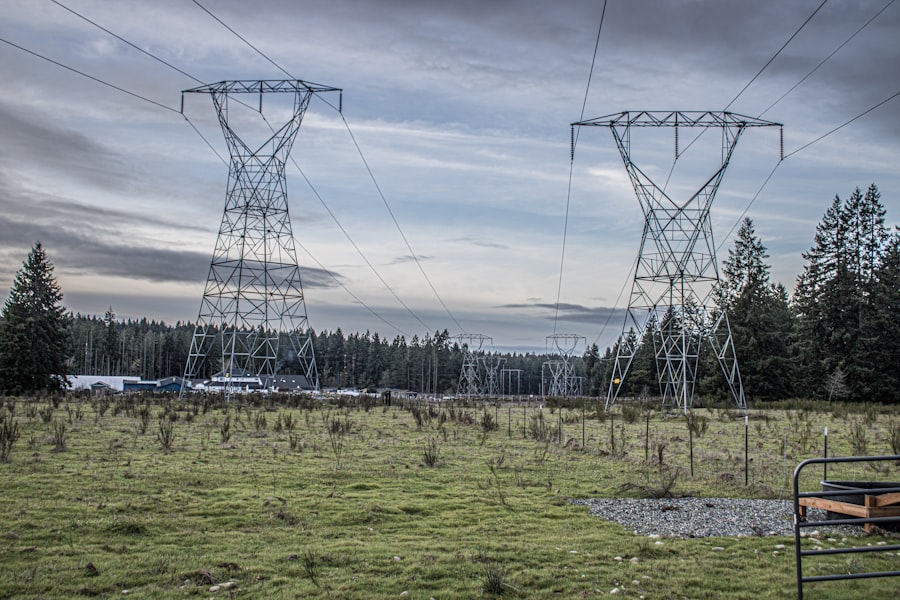
The resilience of the energy grid is not solely about the robustness of its transmission and distribution networks; it is also deeply intertwined with the diversity and reliability of its energy generation sources and the strategic deployment of energy storage.
The Unwavering Pillars: Ensuring Reliable Generation Capacity
- Diversified Generation Mix: Reliance on a single or limited number of energy generation sources can create systemic vulnerabilities. A diverse generation mix, incorporating a range of technologies such as nuclear, hydropower, natural gas, and renewables, spreads the risk. If one source is hampered by weather, others can help compensate. For instance, while solar power might be reduced by cloud cover and snow, wind power could potentially increase.
- Winter-Resistant Renewable Technologies: While some renewable energy sources, like solar, can be directly impacted by winter conditions, others can still contribute reliably. Wind turbines, for example, can often operate effectively in cold, windy conditions, and some are specifically designed with de-icing capabilities. Hydropower remains a consistent source as long as reservoirs are not frozen solid.
- Fuel Assurance for Thermal Power Plants: For fossil fuel-based power plants, ensuring a reliable and uninterrupted supply of fuel (coal, natural gas) during winter is critical. This involves robust supply chain management, adequate stockpiling, and contingency plans to mitigate potential disruptions in fuel delivery due to severe weather.
The Buffer Zones: The Crucial Role of Energy Storage
- Battery Energy Storage Systems (BESS): Battery storage systems are becoming increasingly vital for grid resilience. They can store excess energy generated during periods of low demand or favorable weather conditions and then discharge it rapidly during peak demand or when other generation sources are unavailable. This is like having a reservoir of electricity ready to be tapped at a moment’s notice.
- Pumped Hydro Storage: Pumped hydro storage, where water is pumped uphill to a reservoir and then released through turbines to generate electricity when needed, is a mature and large-scale energy storage solution that can significantly enhance grid reliability during winter.
- Other Storage Technologies: Research and development continue into other promising energy storage technologies, including compressed air energy storage (CAES) and thermal energy storage, which could further enhance grid resilience in the future.
As extreme winters become more frequent due to climate change, the importance of energy grid resilience has never been more critical. A recent article highlights innovative strategies that can be implemented to enhance the robustness of our energy systems during these harsh conditions. For those interested in exploring this topic further, you can read the full article on energy grid resilience for extreme winters at this link. Understanding these strategies is essential for ensuring that communities can maintain power and safety during severe weather events.
Policy, Investment, and Collaboration: The Human Element of Grid Resilience
| Metric | Description | Typical Value | Unit | Relevance to Extreme Winters |
|---|---|---|---|---|
| Grid Reliability Index (GRI) | Measure of grid’s ability to deliver electricity without interruptions | 99.9 | % uptime | High reliability reduces outages during extreme cold |
| Peak Load Capacity | Maximum electricity demand the grid can handle | 1500 | MW | Ensures supply meets increased winter heating demand |
| Reserve Margin | Extra capacity available beyond peak demand | 15 | % | Provides buffer for unexpected spikes in winter usage |
| Outage Duration | Average time to restore power after an outage | 45 | minutes | Shorter durations critical for safety in extreme cold |
| Renewable Energy Penetration | Percentage of energy from renewable sources | 30 | % | Impacts grid stability during variable winter conditions |
| Energy Storage Capacity | Amount of stored energy available for grid support | 200 | MW·h | Supports grid during peak winter demand and outages |
| Transmission Line Winterization | Percentage of lines equipped for extreme cold and ice | 85 | % | Reduces failure risk from ice and snow accumulation |
| Demand Response Participation | Percentage of consumers enrolled in demand response programs | 20 | % | Helps reduce peak load during extreme winter events |
The technical and operational aspects of building resilient energy grids are essential, but they are ultimately underpinned by effective policies, strategic investments, and collaborative efforts.
The Guiding Hand: Policy and Regulatory Frameworks
- Incentivizing Resilience Investments: Governments and regulatory bodies play a crucial role in creating policy frameworks that incentivize utilities and grid operators to invest in resilience measures. This can include tax credits, grants, or performance-based regulations that reward investments in grid hardening and modernization.
- Setting Resilience Standards: Establishing clear and robust resilience standards for energy infrastructure ensures a baseline level of preparedness across the sector. These standards should be regularly reviewed and updated to reflect evolving threats and technological advancements.
- Streamlining Permitting Processes: For critical infrastructure upgrades aimed at enhancing resilience, streamlining permitting processes can accelerate deployment and reduce delays. This requires a coordinated effort between different government agencies.
The Engine of Progress: Public and Private Investment
- Long-Term Capital Planning: Utilities need to engage in robust long-term capital planning that explicitly accounts for the costs associated with building resilience against extreme weather events. This requires a shift in mindset from short-term operational efficiency to long-term asset security.
- Attracting Private Investment: Creating an attractive investment climate for private sector capital in grid modernization and resilience projects is crucial. This can involve well-structured public-private partnerships and clear regulatory signals.
- Funding Research and Development: Continued investment in research and development of new technologies and strategies for enhancing grid resilience is essential for staying ahead of evolving challenges.
The United Front: Inter-utility and Cross-Sector Collaboration
- Information Sharing and Best Practices: Fostering a culture of collaboration and information sharing between utilities, industry organizations, and research institutions is vital. Sharing lessons learned from past events and disseminating best practices can accelerate progress across the entire sector.
- Cross-Sector Partnerships: Building resilient energy grids also requires collaboration with other critical sectors, such as telecommunications, transportation, and water management. Interdependencies between these sectors mean that a failure in one can cascade to others.
- Public Awareness and Engagement: Educating the public about the importance of grid resilience and the challenges posed by harsh winters can foster greater understanding and support for the necessary investments and operational changes. Empowering communities with preparedness information is also a crucial aspect of overall societal resilience.
In conclusion, building resilient energy grids for harsh winters is a continuous and evolving endeavor. It demands a holistic approach that integrates robust engineering, proactive operational strategies, diverse energy portfolios, intelligent deployment of storage, and supportive policy frameworks. By understanding the multifaceted threats posed by winter’s fury and by diligently implementing these strategies, we can forge an energy future that is not only reliable but also capable of weathering the storms of even the harshest seasons, ensuring that the light of electricity continues to shine brightly when it is needed most.

WARNING: The Ocean Conveyor Belt Is Already Collapsing
FAQs
What is energy grid resilience?
Energy grid resilience refers to the ability of the electrical grid to withstand, adapt to, and quickly recover from disruptions caused by extreme weather events, such as severe winter storms. It involves infrastructure, technology, and operational strategies designed to maintain reliable power supply under adverse conditions.
Why is energy grid resilience important during extreme winters?
During extreme winters, energy demand often spikes due to heating needs, while harsh weather can damage infrastructure and disrupt supply. A resilient energy grid ensures continuous power delivery, prevents widespread outages, and supports public safety and economic stability during these critical periods.
What are common challenges to the energy grid during extreme winter conditions?
Challenges include ice accumulation on power lines, equipment failures due to freezing temperatures, increased energy demand, fuel supply disruptions, and difficulties in accessing damaged infrastructure for repairs. These factors can lead to power outages and reduced grid reliability.
How can energy grids be made more resilient to extreme winter weather?
Resilience can be enhanced through measures such as weatherizing equipment, upgrading infrastructure to withstand cold and ice, implementing smart grid technologies for better monitoring and control, diversifying energy sources, and developing emergency response plans to quickly restore power after outages.
What role do renewable energy sources play in energy grid resilience during winter?
Renewable energy sources like wind and solar can contribute to grid resilience by diversifying the energy supply and reducing dependence on fossil fuels. However, their performance can be affected by winter conditions, so integrating energy storage and backup systems is essential to ensure consistent power availability.