The world’s food supply, a complex web of agriculture, trade, and storage, is increasingly grappling with a formidable adversary: climate volatility. From unpredictable droughts that parch farmlands to floods that drown burgeoning crops, the very foundations of global food production are being shaken. In this volatile landscape, strategic grain reserves emerge not as a luxury, but as a critical bulwark, a vital safety net woven with foresight and resilience. This article explores the multifaceted role of these reserves in securing the global food supply against the relentless onslaught of climate change.
The intricate machinery of global food production has always been susceptible to environmental fluctuations. However, climate change has amplified these vulnerabilities to an unprecedented degree, transforming subtle shifts into seismic disruptions. For decades, agricultural systems have operated on a predictable rhythm of seasons, a rhythm now violently out of tune.
The Escalating Impact of Extreme Weather Events
The frequency and intensity of extreme weather events are no longer theoretical projections; they are lived realities for millions. Heatwaves scorch fields, rendering them infertile, while torrential downpours can wash away fertile topsoil and destroy nascent harvests. These events are not isolated incidents; they are becoming the new normal, a persistent drumbeat of disruption.
Drought as a Silent Thief
Drought, a slow-burning crisis, is a particularly insidious threat. It stealthily drains water resources, leaving landscapes parched and crops withered. The lack of irrigation water stunts growth, reduces yields, and can ultimately lead to crop failure. The ripple effects of widespread drought are far-reaching, impacting not only local food availability but also global commodity prices. Imagine a meticulously constructed dam, designed to hold back a predictable river. Now picture that river becoming a raging torrent one year and a mere trickle the next. This is the challenge faced by agricultural systems under climate volatility.
Floods: The Unseen Eraser
Conversely, excessive rainfall in concentrated periods, often exacerbated by altered weather patterns, can lead to devastating floods. Floods can decimate standing crops, pollute agricultural lands with debris and contaminants, and damage vital infrastructure such as irrigation systems and storage facilities. The sheer physical force of a flood can erase months of labor and investment in a matter of hours, leaving farmers with nothing. It’s akin to a well-oiled machine being suddenly submerged in a deluge, its intricate workings rendered inoperable.
Altered Precipitation Patterns and Growing Seasons
Beyond the dramatic extremes, climate change is fundamentally altering precipitation patterns and the very duration of growing seasons. Regions that once relied on consistent rainfall may now experience prolonged dry spells, while others might face unexpected deluges. These shifts disrupt traditional farming practices, making it difficult for farmers to plan and adapt. Planting windows are squeezed, and the delicate timing required for optimal crop development becomes a gamble. This is like trying to navigate a familiar ocean with suddenly unpredictable currents and rogue waves.
The Interconnectedness of Global Food Markets
The modern food system is a globalized network. A failure in one major food-producing region can have cascading effects worldwide. Disruptions to supply chains, coupled with panic buying and speculative trading, can lead to sharp price spikes and food insecurity even in regions not directly affected by climate events. This interconnectedness, while offering efficiencies in normal times, becomes a vulnerability when shocks ripple through the system. It resembles a complex network of interconnected pipes; a leak in one section can quickly strain the entire system.
Strategic grain reserves play a crucial role in mitigating the impacts of climate volatility on food security. As extreme weather events become more frequent due to climate change, countries are increasingly recognizing the importance of maintaining these reserves to ensure a stable food supply. For a deeper understanding of how strategic grain reserves can help buffer against the uncertainties posed by climate fluctuations, you can read more in this related article on the topic at Freaky Science.
Strategic Grain Reserves: A Foundation for Stability
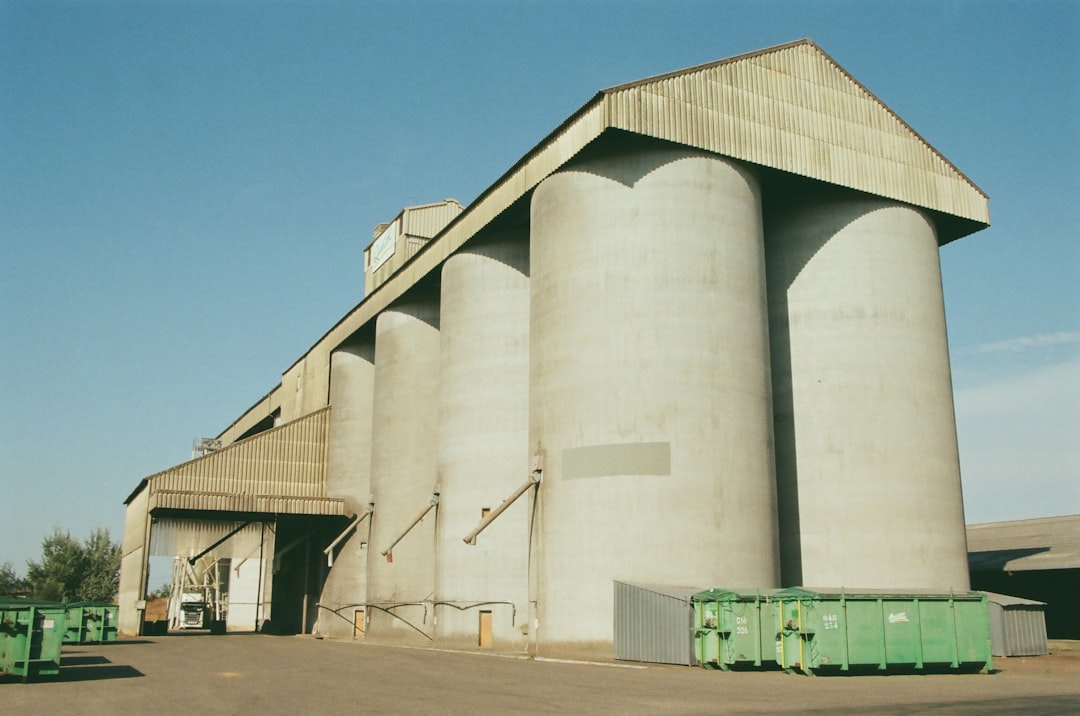
In the face of this escalating uncertainty, strategic grain reserves stand as a crucial stabilizing force. These reserves are not merely stockpiles of grain; they are meticulously managed repositories, designed to buffer against shocks, ensure continuity of supply, and prevent the most acute forms of food insecurity. They are the silent guardians of our global larder, ensuring that even in the harshest of times, there is something to sustain populations.
Defining Strategic Grain Reserves
At their core, strategic grain reserves are publicly held or government-mandated stockpiles of staple grains, such as wheat, rice, and maize. Their primary purpose is to mitigate the impact of sudden food shortages caused by natural disasters, economic crises, or geopolitical instability. Unlike commercial reserves, which are driven by market dynamics, strategic reserves are guided by national or international food security objectives.
The Case for Proactive Stockpiling
The argument for proactive stockpiling is rooted in the principle of preparedness. Waiting until a crisis unfolds is a reactive and often less effective approach. By maintaining reserves, nations can act with agility and foresight, deploying resources before widespread famine takes hold. This proactive stance is akin to building robust flood defenses before the monsoon season, rather than scrambling to erect sandbags as the waters rise.
Preventing Price Volatility and Hoarding
One of the most immediate benefits of strategic reserves is their ability to curb rampant price speculation. When a supply shock occurs, panic can lead to hoarding and artificial price inflation. A readily available reserve can be released into the market, stabilizing prices and ensuring access for vulnerable populations. This acts as a psychological and practical deterrent against exploitative market behavior.
Ensuring National Food Security
For individual nations, strategic grain reserves are a cornerstone of national food security. They provide a critical buffer against disruptions in international trade and domestic production shortfalls. This allows governments to maintain a baseline level of food availability, preventing widespread hunger and social unrest. It is the ultimate insurance policy against the vaguest whispers of famine.
The Global Dimension: International Cooperation in Grain Stockpiling
Recognizing that food security is a shared global challenge, various international bodies and agreements promote cooperation in maintaining strategic grain reserves. Collaborative efforts can pool resources, share best practices, and facilitate the efficient distribution of grain during international emergencies. Examples include regional food security initiatives and agreements under the auspices of organizations like the World Food Programme. This collaborative approach is like multiple neighboring villages sharing their grain silos to ensure that no single community is left without sustenance during a widespread agricultural blight.
The Mechanics of Strategic Grain Reserve Management
The effectiveness of strategic grain reserves hinges on their careful and intelligent management. Simply accumulating grain is insufficient; a robust strategy must encompass procurement, storage, distribution, and replenishment. The operational intricacies are as vital as the physical reserves themselves.
Procurement Strategies: Navigating Market Dynamics
The procurement of grain for strategic reserves requires a delicate balance between cost-effectiveness and market impact. Governments must acquire grain at reasonable prices without unduly distorting local or international markets. This often involves a combination of domestic purchasing, futures contracts, and, in some cases, direct imports.
Domestic Purchases: Supporting Local Farmers
Prioritizing domestic procurement not only ensures supply but also provides valuable support to local agricultural sectors. This can help stabilize farm incomes and incentivize continued production, creating a virtuous cycle of food security. It is a way of nurturing the roots from which your sustenance springs.
International Procurement and Trade Agreements
In instances where domestic production is insufficient or market prices are favorable, international procurement becomes essential. This necessitates careful negotiation of trade agreements and the establishment of reliable supply chains, often across diverse geographic regions. Building strong international partnerships is like casting a wide net across fertile seas, ensuring access to a diverse bounty.
Storage and Preservation: The Art of Keeping Grain Fit for Purpose
The long-term storage of grain is a technical challenge that requires specialized infrastructure and ongoing maintenance. Proper storage prevents spoilage, pest infestation, and contamination, ensuring that the grain remains safe and nutritious for consumption when needed.
Advanced Storage Technologies: From Silos to Climate Control
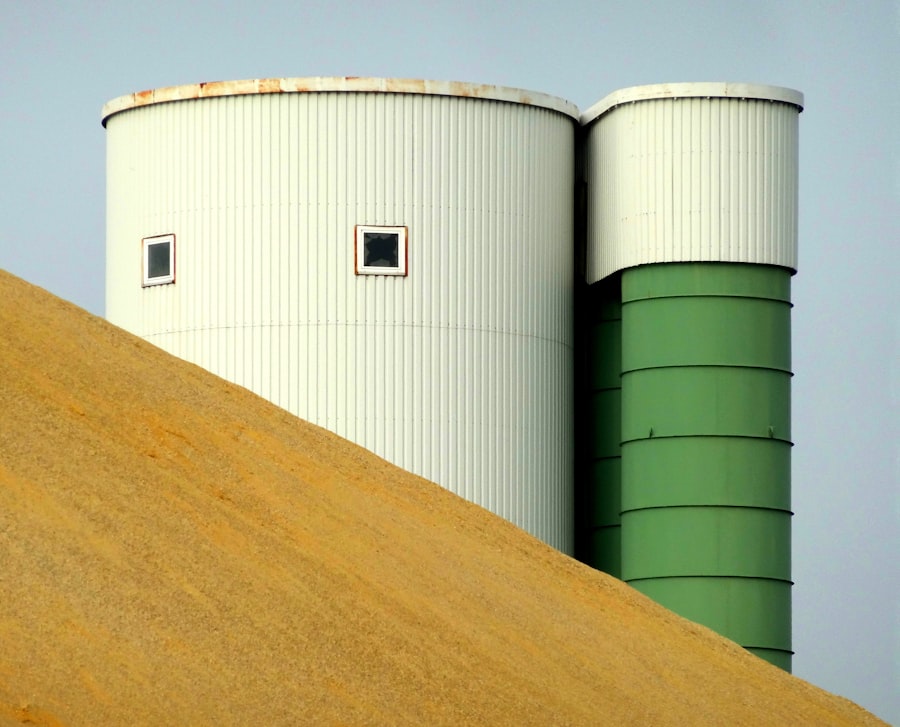
Modern grain storage facilities employ advanced technologies, including temperature and humidity control, aeration systems, and sophisticated pest management techniques. These measures are crucial for preserving grain quality over extended periods, especially in regions with challenging climatic conditions. This is akin to preserving precious artifacts in a climate-controlled museum, safeguarding their integrity for future generations.
Maintaining Grain Quality and Safety Standards
Rigorous quality control measures and adherence to international food safety standards are paramount. Regular testing for mycotoxins, pesticides, and other contaminants ensures that the grain released from reserves is fit for human consumption. Neglecting this aspect is like serving a feast with spoiled ingredients – a catastrophic failure of purpose.
Distribution Mechanisms: Reaching Those in Need
Once a need arises, the efficient and equitable distribution of grain from reserves is critical. This involves logistical planning, transportation networks, and coordination with relief agencies and local authorities. The goal is to ensure that relief reaches the intended beneficiaries without delay and without leakage.
Contingency Planning and Rapid Deployment
Robust contingency plans are essential for rapid deployment of grain reserves during emergencies. This includes pre-established transportation routes, communication protocols, and agreements with logistics providers. The ability to act swiftly can mean the difference between life and death. Imagine a fire brigade with its hoses and ladders already pre-positioned, ready to respond at a moment’s notice.
Equitable Access and Preventing Misappropriation
Ensuring equitable access to reserve grain and preventing misappropriation are vital ethical and practical considerations. This requires transparent distribution processes, oversight mechanisms, and collaboration with trusted humanitarian organizations. A fair distribution system is like a well-managed fountain, providing life-giving water to all who thirst.
Replenishment and Rotational Management: Sustaining the Lifeline
Strategic grain reserves are not static assets; they require continuous replenishment and rotational management. Grain is perishable, and maintaining a living stock involves a systematic process of replacing older grain with newer harvests.
The Concept of Grain Rotation
Grain rotation involves regularly releasing older grain and replacing it with fresh stock. This ensures that the reserves are always composed of grain within its optimal shelf life and reduces the risk of spoilage. It is a process of pruning and replanting to maintain a healthy and productive orchard.
Financial Sustainability and Funding Mechanisms
The funding and maintenance of strategic grain reserves represent a significant financial commitment. Governments must establish sustainable funding mechanisms, which can include direct budgetary allocations, dedicated taxes, or international aid. The long-term viability of these reserves depends on consistent financial support. Without adequate financial nourishment, even the most robust tree will eventually wither.
Challenges and Considerations in a Changing World
Despite their crucial role, the implementation and maintenance of strategic grain reserves are not without their challenges, particularly in the context of a rapidly evolving climate and globalized economy.
The Economic Burden and Opportunity Costs
Maintaining large grain reserves incurs significant costs, including storage, maintenance, and the opportunity cost of capital tied up in inventory. Governments must weigh these costs against the potential benefits of averted food crises. This is a debate about investing in preventative medicine versus treating the symptoms of illness.
Storage Costs and Infrastructure Investment
The logistical and infrastructural demands of large-scale grain storage can be substantial, requiring ongoing investment in facilities, technology, and personnel. The financial commitment needs to be long-term and consistent.
Trade Distortions and Market Impacts
While designed to stabilize markets, poorly managed reserves can, in some instances, create trade distortions or disincentivize domestic production. Careful consideration of procurement and release strategies is necessary to mitigate these risks. It’s like a finely tuned instrument that, if played incorrectly, can produce discordant notes.
Political Will and International Cooperation
The establishment and sustained operation of strategic grain reserves often require strong political will and effective international cooperation. Shifting political priorities or a lack of global consensus can undermine these efforts. Building and maintaining these reserves is a marathon, not a sprint, demanding sustained commitment from all involved.
The Imperative for Consistent Policy
The effectiveness of strategic grain reserves is heavily reliant on consistent government policies and long-term planning. Short-term political considerations can sometimes lead to the neglect or dismantling of vital reserve systems. Nurturing these reserves requires a steady hand and a forward-looking vision.
The Role of International Bodies and Agreements
International organizations play a crucial role in coordinating efforts, sharing knowledge, and facilitating cooperation in the maintenance and utilization of grain reserves, especially for regions facing particularly acute vulnerabilities. Their contribution is akin to a global consortium of engineers working together to design and build a resilient infrastructure for all.
Adapting Reserves to New Climate Realities
The very nature of climate volatility demands flexibility and adaptation in how strategic grain reserves are managed. This includes considering a wider range of staple crops, diversifying storage locations, and incorporating climate resilience into reserve infrastructure.
Beyond Traditional Staples: Diversifying Reserve Crops
As climate change impacts agricultural production in diverse ways, it may become necessary to expand the range of crops held in reserves beyond traditional staples to reflect evolving food patterns and vulnerabilities. This is like diversifying your investment portfolio against unpredictable market downturns.
Geographical Diversification of Reserves
Storing grain in multiple, geographically dispersed locations can mitigate the risk of a single event, such as a regional conflict or a widespread natural disaster, compromising the entire reserve system. Distributing the reserves across different regions acts as a robust fail-safe mechanism.
As nations grapple with the challenges posed by climate volatility, the importance of strategic grain reserves has become increasingly evident. These reserves serve as a critical buffer against the unpredictable impacts of extreme weather events on agricultural production. For a deeper understanding of how these reserves can mitigate risks associated with climate change, you can explore this insightful article on the topic. The discussion highlights not only the necessity of maintaining adequate grain stocks but also the broader implications for food security and economic stability in an era of environmental uncertainty. For more information, you can read the article here.
The Future of Food Security: Grain Reserves in a Warming World
| Metric | Description | Value / Range | Unit | Relevance to Strategic Grain Reserves & Climate Volatility |
|---|---|---|---|---|
| Global Grain Production Variability | Year-to-year percentage change in global grain output | ±5-15% | Percent | Indicates the impact of climate volatility on supply stability |
| Strategic Grain Reserve Capacity | Amount of grain held in reserves by major countries | 50-150 | Million Metric Tons | Buffer stock to mitigate supply shocks from climate events |
| Frequency of Extreme Weather Events | Number of climate-related extreme events affecting agriculture annually | 20-40 | Events per year | Directly influences the need for strategic reserves |
| Grain Price Volatility Index | Measure of fluctuations in grain market prices | 15-30 | Index points | Reflects market uncertainty due to climate impacts |
| Reserve Release Frequency | Number of times strategic reserves are released annually | 1-3 | Times per year | Indicates responsiveness to climate-induced shortages |
| Average Storage Duration | Average time grain is stored in reserves before use | 6-12 | Months | Impacts grain quality and availability during climate shocks |
The future of global food security is inextricably linked to our ability to adapt to and mitigate the impacts of climate change. Strategic grain reserves, as a vital component of a resilient food system, will likely play an even more critical role in the decades to come. They are not a panacea, but a fundamental building block, a testament to humanity’s capacity for foresight and collective action.
Enhancing Resilience Through Integrated Strategies
The most effective approach to food security involves an integrated strategy that combines strategic grain reserves with other measures, such as investment in climate-resilient agriculture, improved irrigation systems, sustainable land management practices, and robust early warning systems for climate-related disasters. This holistic approach creates a multi-layered defense against food insecurity.
The Evolving Role of Technology and Innovation
Technological advancements, from precision agriculture to advanced weather forecasting and improved food preservation techniques, will continue to shape the way strategic grain reserves are managed. Innovation in storage, monitoring, and distribution can enhance efficiency and cost-effectiveness. The integration of cutting-edge technology is a way of sharpening the tools in our fight for food security.
A Call for Sustained Investment and Global Collaboration
Ultimately, securing the global food supply in the face of climate volatility requires sustained investment in strategic grain reserves and a renewed commitment to global collaboration. These reserves are a tangible manifestation of our collective responsibility to ensure that no one goes hungry, a promise etched in the grain we store, ready to be fulfilled when the skies refuse to cooperate. They are a beacon of hope in an increasingly uncertain climate, a testament to our shared humanity and our commitment to a future where food is a right, not a privilege.

WARNING: The Ocean Conveyor Belt Is Already Collapsing
FAQs
What are strategic grain reserves?
Strategic grain reserves are stockpiles of staple grains, such as wheat, rice, and maize, maintained by governments or organizations to ensure food security during periods of supply disruption or price volatility.
How does climate volatility affect grain production?
Climate volatility, including unpredictable weather patterns, droughts, floods, and temperature extremes, can significantly impact grain yields by damaging crops, reducing harvests, and disrupting planting cycles.
Why are strategic grain reserves important in the context of climate volatility?
Strategic grain reserves provide a buffer against the uncertainties caused by climate volatility by stabilizing food supplies, preventing shortages, and mitigating price spikes during adverse weather events or poor harvests.
How are strategic grain reserves managed to respond to climate-related risks?
Management of strategic grain reserves involves monitoring stock levels, rotating stocks to prevent spoilage, coordinating with climate forecasts, and implementing policies to release or replenish reserves based on supply and demand fluctuations caused by climate events.
What challenges exist in maintaining strategic grain reserves amid increasing climate volatility?
Challenges include the high costs of storage and maintenance, risks of grain spoilage, difficulties in accurately predicting climate impacts, and the need for timely decision-making to release reserves effectively during climate-induced supply shocks.