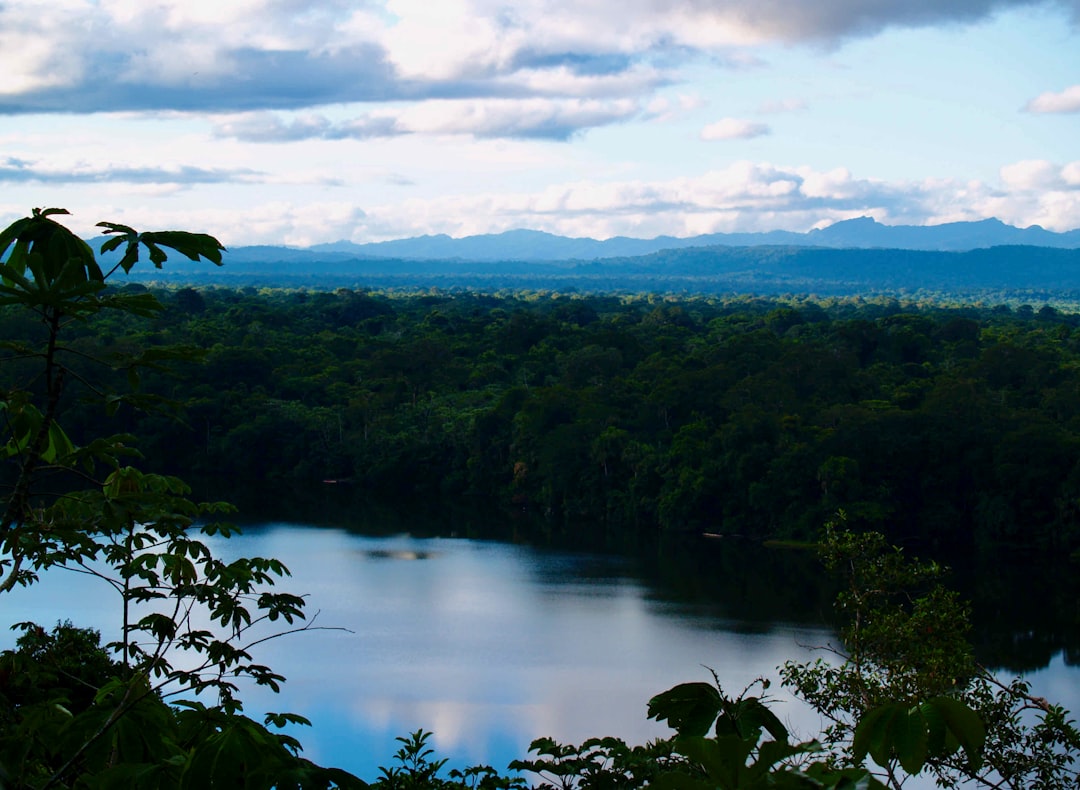
The Amazon River, a titan of freshwater discharge, wields immense influence over the Atlantic Ocean. Its annual pulse of sediment and nutrients, a lifeblood to distant marine ecosystems, is inherently linked to the Amazon rainforest’s hydrological cycle. When this cycle falters, as it has in recent years due to increasingly severe droughts, the ripple effects extend far beyond the Amazon basin, posing a significant, though often underappreciated, threat to global ocean currents.
The Amazon River is not merely a river; it is a planetary plumbing system of unparalleled scale. Every second, it discharges an average of 209,000 cubic meters (55,000,000 US gallons) of water into the Atlantic Ocean. This colossal volume of freshwater, carrying a rich soup of dissolved organic matter and sediments, forms a distinct plume that significantly alters the salinity, temperature, and density of the surface waters in its immediate vicinity. This freshwater plume acts as a freshwater lens, sitting atop the denser saltwater, and subtly influences the dynamics of the upper ocean layers.
Freshwater Discharge and its Oceanic Interactions
The sheer volume of the Amazon’s discharge means it can exert considerable influence over a vast area of the western tropical Atlantic. This freshwater plume is a dynamic entity, shaped by prevailing winds, tidal forces, and the interaction with the Gulf Stream.
Salinity Gradients and Density Stratification
The contrast between the low-salinity Amazon plume and the higher-salinity ocean waters creates significant salinity gradients. These gradients are crucial for driving ocean circulation, as differences in density—driven by both salinity and temperature—are the fundamental engines of the thermohaline circulation.
Nutrient Transport and Marine Productivity
The Amazon carries with it a substantial load of nutrients, derived from the weathering of rocks and the decomposition of organic matter within the rainforest. Upon entering the ocean, these nutrients can fertilize phytoplankton blooms, forming the base of marine food webs.
The ongoing drought in the Amazon rainforest has raised concerns about its impact on global climate patterns, particularly in relation to ocean currents. A related article discusses how changes in the Amazon’s ecosystem can influence the Atlantic Meridional Overturning Circulation, which plays a crucial role in regulating weather patterns across the globe. For more insights on this topic, you can read the article at Freaky Science.
The Amazon Drought: A Diminished Flow
In recent years, the Amazon rainforest has been subjected to unprecedented drought conditions. Driven by a complex interplay of factors including rising global temperatures, altered rainfall patterns, and intensified deforestation, these droughts have drastically reduced the Amazon River’s discharge. The iconic “igapós,” seasonal flooded forests, have receded, and the mighty river itself has shrunk, exposing vast riverbeds and impacting local biodiversity. This diminished flow is like a vital artery contracting, sending tremors through the oceanic circulation system it usually feeds.
Causes and Manifestations of Amazonian Drought
While periodic droughts are a natural part of the Amazonian climate, the frequency and intensity of recent events have raised significant alarms among scientists. These droughts are characterized by prolonged periods of low rainfall, leading to reduced river levels and increased water temperatures.
Quantifying the Reduction in Freshwater Discharge
Scientific monitoring has provided stark evidence of the impact of drought on river discharge. Data from hydrological stations across the Amazon basin show significant drops in flow rates during drought years, with some tributaries reaching record low levels.
The “Flattening” of the Freshwater Plume
The reduction in freshwater discharge directly impacts the size and extent of the Amazon’s surface plume in the Atlantic. Instead of a broad, buoyant layer, the plume becomes more localized and less distinct, its signal diluted by mixing with surrounding saltwater.
Impact on the Atlantic Meridional Overturning Circulation (AMOC)
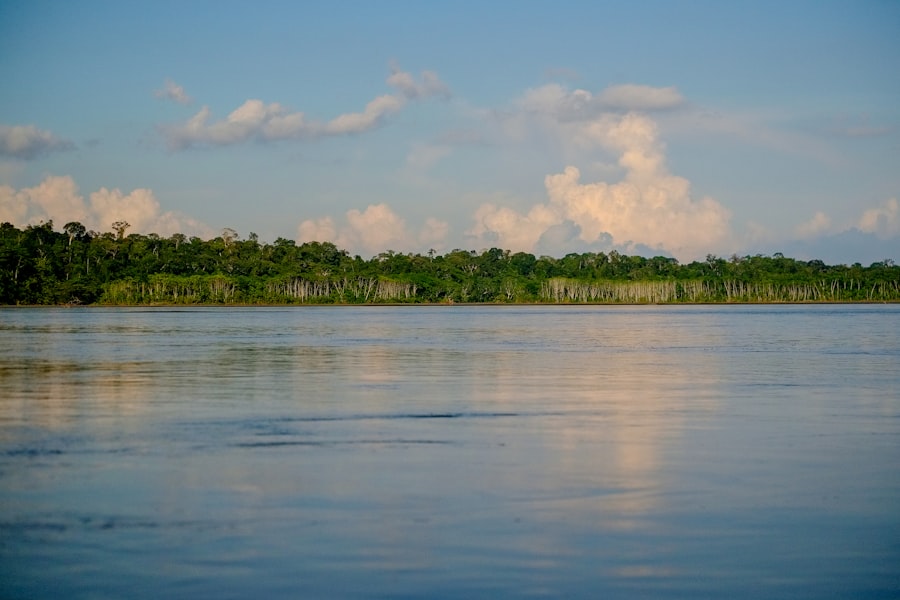
The Atlantic Meridional Overturning Circulation (AMOC) is a critical component of the global ocean conveyor belt. It is driven by differences in water density, with cold, salty water sinking in the North Atlantic and warmer, less dense water flowing northward to replace it. The influx of freshwater from the Amazon, particularly its contribution to the salinity of the western tropical Atlantic, plays a subtle but important role in the overall density balance that underpins the AMOC. A significant reduction in this freshwater input, especially during prolonged droughts, can, in theory, subtly influence the delicate density gradients that power this vast circulation system.
The AMOC: A Global Thermoregulator
The AMOC’s role extends beyond its influence on ocean currents; it is a crucial regulator of Earth’s climate. By transporting heat from the tropics towards the poles, it moderates temperatures in higher latitudes.
Freshwater’s Role in Oceanic Density
The principle of density is king in oceanography. Freshwater is less dense than saltwater. When the Amazon discharges less freshwater, the surface waters in the western Atlantic become saltier and thus denser than they would be under normal conditions.
Potential for Slowdown or Disruption
While direct, immediate impacts of Amazonian drought on the AMOC are difficult to isolate due to the system’s immense scale and the influence of other factors, scientists are concerned that prolonged and intensified droughts could contribute, over time, to a gradual weakening of the circulation. This is akin to a vital cog in a complex machine showing signs of wear.
Changes in Western Tropical Atlantic Dynamics

The immediate vicinity of the Amazon’s mouth is a prime location for observing the effects of reduced discharge. The altered salinity and temperature profiles can influence local current patterns, nutrient availability, and even the distribution of marine species. The absence of the usual, expansive freshwater veil can lead to increased mixing with oceanic waters, potentially disrupting established ecological niches.
Localized Salinity and Temperature Anomalies
Reduced freshwater discharge leads to higher surface salinity and potentially warmer surface temperatures in the near-field of the Amazon plume. These anomalies can occur for extended periods during drought phases.
Altered Mixing Regimes
The normally stratified layer of freshwater can entrain and mix less with the underlying saltwater when its volume is reduced. This can lead to different mixing patterns and potentially impact the vertical transport of heat and nutrients.
Impacts on Coastal Ecosystems and Fisheries
The Amazon’s freshwater pulse is a critical factor for many coastal ecosystems, including mangrove forests and estuaries, which are vital nurseries for commercial fish species. A prolonged reduction in this freshwater flow can stress these ecosystems, affecting their productivity and the livelihoods of coastal communities.
Recent studies have highlighted the intricate relationship between the Amazon rainforest drought and ocean currents, revealing how changes in sea temperatures can significantly impact rainfall patterns in the region. For a deeper understanding of this connection, you can explore a related article that discusses the implications of these environmental shifts on global weather systems. This information is crucial as it sheds light on the broader consequences of climate change. To read more about this topic, visit this article.
Broader Implications for Global Ocean Health
| Metric | Value | Unit | Notes |
|---|---|---|---|
| Amazon Rainforest Drought Frequency | 3 | Events per decade | Increased frequency since 2000 |
| Average Rainfall Reduction | 20 | Percent | During severe drought years |
| Sea Surface Temperature Anomaly (Atlantic Ocean) | +1.2 | °C | Linked to weakened Atlantic Meridional Overturning Circulation (AMOC) |
| AMOC Strength Reduction | 15 | Percent | Observed decline over past 50 years |
| Impact on Amazon Rainfall | -10 to -30 | Percent | Estimated rainfall decrease due to weakened AMOC |
| Duration of Major Droughts | 6-12 | Months | Typical length of severe drought events |
| Carbon Emissions from Drought-Stressed Forest | 0.5-1.0 | Gigatons CO2 per year | Estimated additional emissions during drought years |
The Amazon River is not an isolated entity; it is a significant player in the global ocean system. Its influence on the Atlantic extends beyond immediate oceanic boundaries. Changes in Atlantic circulation, even subtle ones, have the potential to propagate and influence systems in other ocean basins. Understanding these connections is crucial for comprehending the full scope of climate change impacts.
The Cascade Effect: From Amazon to Global Currents
The ocean is a vast, interconnected web. Changes initiated in one region can have cascading effects that travel across vast distances. The Amazon’s diminished flow is a signal that, while originating locally, resonates globally.
Potential Influence on El Niño-Southern Oscillation (ENSO)
While the direct links are still an active area of research, changes in ocean temperature and circulation patterns in the Atlantic can, in theory, subtly influence atmospheric patterns that, in turn, can impact phenomena like ENSO, which has global repercussions for weather and climate.
Long-Term Climate Feedbacks and Uncertainties
The complex interactions between terrestrial hydrology, ocean circulation, and atmospheric processes mean that predicting the long-term consequences of persistent Amazon droughts on global ocean currents is a significant scientific challenge. These are the intricate dance steps of the Earth’s climate system, and a disturbance in one partner’s rhythm can affect the entire choreography. The ongoing monitoring and research in this area are essential to unravel these complex feedback loops and inform future climate projections.

WARNING: The Ocean Conveyor Belt Is Already Collapsing
FAQs
What is the relationship between the Amazon rainforest drought and ocean currents?
The Amazon rainforest drought is influenced by changes in ocean currents, particularly in the Atlantic and Pacific Oceans. These currents affect sea surface temperatures, which in turn impact atmospheric circulation patterns and rainfall distribution over the Amazon region.
How do ocean currents affect rainfall in the Amazon rainforest?
Ocean currents regulate sea surface temperatures, which influence evaporation rates and moisture availability. Warm currents can increase evaporation, leading to more moisture in the atmosphere and potentially more rainfall, while cooler currents can reduce moisture and contribute to drought conditions in the Amazon.
What are the main ocean currents involved in Amazon drought events?
The Atlantic Ocean’s North and South Equatorial Currents and the Pacific Ocean’s El Niño-Southern Oscillation (ENSO) phenomenon are key ocean currents that impact the Amazon’s climate. Variations in these currents can alter weather patterns and precipitation levels in the rainforest.
How does an El Niño event influence drought in the Amazon rainforest?
El Niño events, characterized by warmer-than-average sea surface temperatures in the central and eastern Pacific Ocean, can disrupt normal weather patterns. During El Niño, the Amazon often experiences reduced rainfall, leading to drought conditions due to shifts in atmospheric circulation.
What are the ecological impacts of droughts in the Amazon rainforest?
Droughts in the Amazon can lead to reduced water availability, increased tree mortality, heightened risk of forest fires, and loss of biodiversity. These impacts threaten the rainforest’s role as a carbon sink and its overall ecological health.