The collapse of the Atlantic Meridional Overturning Circulation (AMOC) would represent a seismic shift in Earth’s climate system, and its ramifications for global fisheries are projected to be profound and far-reaching. This article will explore the likely impacts of such a collapse, drawing upon scientific understanding and research to paint a picture of a dramatically altered marine landscape.
The Atlantic Meridional Overturning Circulation is not merely a grand oceanic conveyor belt; it is a vital artery of the planet’s climate, influencing weather patterns from the tropics to the Arctic. It operates as a vast heat distribution system, transporting warm, saline surface waters northward from the tropics towards the North Atlantic. Here, as these waters cool and become denser, they sink, initiating a deep, southward flow that completes the cycle. This circulation plays a critical role in moderating temperatures across Europe and North America.
The Delicate Balance of Ocean Currents
Imagine the AMOC as a colossal, self-regulating engine. Surface waters, laden with dissolved salts and heat, are like a rising tide of urgency, driven by the desire to reach cooler latitudes. As they journey north, they shed their warmth, a benevolent gift to continents. Upon arriving in the frigid North Atlantic, these waters undergo a transformation. They become heavier, a process akin to a ship taking on ballast, and descend into the abyss. This sinking is the engine’s “downstroke,” crucial for maintaining the continuous flow. This intricate dance of sinking and rising is the bedrock of the AMOC.
Thermohaline Circulation: The Engine’s Core Mechanism
The “thermohaline” aspect of this circulation is key. “Thermo” refers to temperature, and “haline” to salinity. It is the difference in temperature and salt content that dictates the density of seawater, and thus its buoyancy. Warmer, less saline waters are lighter and float. Colder, more saline waters are denser and sink. The AMOC is essentially a giant manifestation of this density-driven circulation, a slow but powerful pump that moves vast quantities of water and, importantly, nutrients.
The AMOC as a Nutrient Distributor
Beyond its thermoregulatory functions, the AMOC is a critical component of the ocean’s biological pump, ferrying essential nutrients from the deep ocean to surface waters where they become accessible to phytoplankton. These microscopic plants form the base of the marine food web. Without the upward transport of nutrients facilitated by the AMOC, vast swathes of the ocean would become barren, akin to a terrestrial ecosystem without its fertile soil.
The potential consequences of an Atlantic Meridional Overturning Circulation (AMOC) collapse for fisheries are profound and alarming. As highlighted in a related article, changes in ocean currents and temperatures could disrupt marine ecosystems, leading to shifts in fish populations and the availability of key species for commercial fishing. For more insights on this critical issue, you can read the full article here: Consequences of AMOC Collapse for Fisheries. Understanding these impacts is essential for the future of global fisheries and food security.
Direct Impacts on Marine Ecosystems: A Cascade of Disruption
A weakening or complete collapse of the AMOC would unleash a cascade of disruptive impacts on marine ecosystems. The immediate consequences would stem from alterations in ocean temperature and circulation patterns, directly affecting the distribution, productivity, and survival of marine species.
Temperature Shifts and Species Migration
The most direct and discernible impact would be a significant cooling in the North Atlantic region. This cooling would be more pronounced than any observed in recent human history, potentially transforming familiar marine environments into something alien. Species adapted to warmer waters would find themselves in an increasingly inhospitable habitat. Many would be compelled to migrate, searching for more favorable conditions.
The Exodus of Warm-Water Species
Think of species like cod, mackerel, and herring, which have established populations and feeding grounds in the North Atlantic for millennia. As waters cool, their optimal thermal ranges would shift southward. This would trigger an involuntary exodus, forcing these fish to abandon their traditional hunting grounds. This “Great Migration South” would not be a gentle drift but a desperate scramble for survival.
The Influx of Cold-Water Specialists
Conversely, species adapted to colder climes, currently found in higher latitudes, might find new opportunities opening up in the newly cooled North Atlantic. These newcomers would compete with existing species for resources, leading to complex and unpredictable shifts in community structure. This influx could be likened to a wave of hardy pioneers arriving in a land suddenly made hospitable, but with the existing inhabitants struggling to adapt.
Disruption of Nutrient Upwelling
The AMOC plays a crucial role in bringing nutrient-rich deep waters to the surface through processes like wind-driven upwelling, often enhanced by larger circulation patterns. A collapse of the AMOC would severely disrupt these upwelling zones, which are veritable oases of productivity in the ocean.
The Starvation of Phytoplankton Blooms
Phytoplankton, the microscopic powerhouses of the marine realm, depend on these upwelling zones for the essential nutrients that fuel their growth. Without a consistent supply, phytoplankton blooms, the vibrant, life-giving carpets of the ocean’s surface, would diminish or disappear. This is akin to turning off the tap for the entire marine food web.
The Foundation of the Food Web Crumbles
The decline of phytoplankton would have a domino effect, impacting every trophic level. Zooplankton, which graze on phytoplankton, would suffer from a lack of food. Small fish that feed on zooplankton would then face starvation, and so on, up the chain. Apex predators, from tuna to marine mammals, would experience the most severe consequences of this widespread food scarcity. The entire edifice of the marine food web, constructed on the bedrock of phytoplankton, would begin to crumble.
Changes in Ocean Stratification and Oxygen Levels
The AMOC also influences the mixing of ocean waters. A weakened circulation could lead to increased stratification, where distinct layers of water with different temperatures and salinities form, hindering vertical mixing. This can have significant consequences for oxygen distribution.
The Suffocation of Deep-Sea Life
Reduced mixing means less oxygenated surface water penetrating to deeper ocean layers. This could lead to the expansion of Oxygen Minimum Zones (OMZs) or the creation of new ones, effectively suffocating marine life in these areas. Imagine vast, silent underwater deserts where life struggles to draw breath.
Surface Water Stagnation and Eutrophication Risks
While deep waters might become oxygen-depleted, surface waters could experience increased stagnation. This, combined with altered nutrient inputs (potentially increased from land-based runoff if rainfall patterns change), could exacerbate risks of eutrophication and harmful algal blooms, further impacting marine ecosystems.
Impacts on Commercially Important Fish Stocks: A Global Economic Shockwave
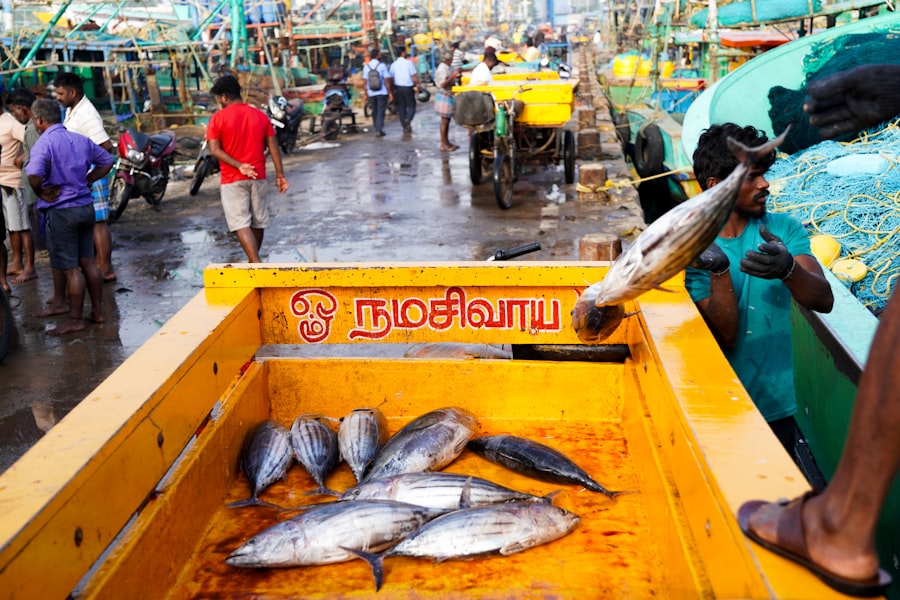
The projected impacts of AMOC collapse on marine ecosystems translate directly into severe consequences for global fisheries, an industry that provides livelihoods for millions and a vital source of protein for billions. The economic ramifications would be substantial, shaking the foundations of coastal communities and national economies.
Shifts in Catch Potential and Geographical Redistribution
The geographical redistribution of fish stocks would fundamentally alter catch potential. Traditional fishing grounds might become unproductive, forcing fleets to travel further and adapt their gear and strategies, incurring significant costs and potentially encountering new, often less accessible, fishing zones.
The Empty Seas of the Old Havens
Consider the North Atlantic, a historic cod fishery, once teeming with life and supporting entire communities. A severe cooling of these waters could render them barren for cod and many other species historically caught there. The “empty seas of the old havens” would become a bitter reality for many fishing communities.
The Risky Frontier of New Grounds
Fishing fleets might be forced to venture into previously less exploited or more challenging waters, perhaps further north into potentially ice-covered regions, or into deeper, more resource-intensive areas. This “risky frontier” of new fishing grounds would come with increased operational costs, greater risks of accidents, and potential international disputes over newly accessible resources.
Declines in Key Commercial Species and Economic Losses
The direct decline in populations of commercially important species, due to habitat loss, food scarcity, and temperature stress, would lead to significant reductions in catch volumes. This would translate into substantial economic losses for the fishing industry, including reduced incomes for fishers, job losses throughout the supply chain, and decreased profitability for seafood companies.
The Ghost of Catches Past
For communities whose economies are deeply intertwined with fishing, the decline of key species would be devastating. The “ghost of catches past” would haunt empty harbors and silent processing plants, representing lost jobs, depleted incomes, and a threatened way of life.
The Ripple Effect Through Coastal Economies
The loss of revenue from fisheries extends far beyond the boats and docks. Restaurants, fish markets, processing plants, equipment suppliers, and countless other businesses reliant on the fishing industry would suffer. This ripple effect would destabilize coastal economies, potentially leading to widespread unemployment and social hardship.
Increased Fishing Pressure on Remaining Stocks
As traditional fishing grounds become less productive and fewer species remain in abundance, there is a significant risk of increased fishing pressure on the remaining, potentially more vulnerable, fish stocks. This could lead to overfishing and further accelerate the decline of these populations, creating a vicious cycle of depletion.
The Scramble for Scarce Resources
In a scenario of declining catches, there would be an intense “scramble for scarce resources.” This could lead to intensified fishing efforts, where boats try to catch as much as possible from the dwindling available stock, often leading to unsustainable practices and further ecological damage.
Challenges for Aquaculture and Mariculture
While not directly involving wild capture, aquaculture and mariculture operations are also susceptible to AMOC collapse. Changes in water temperature, salinity, and the availability of suitable feed, as well as increased prevalence of diseases and harmful algal blooms, could significantly impact the viability of these industries.
The Vulnerability of Farmed Fish
Farmed fish are often contained within pens or tanks, making them highly vulnerable to environmental changes in their immediate surroundings. Sudden temperature shifts or the presence of toxic algae could decimate farmed populations, leading to substantial economic losses for aquaculturists.
Vulnerable Regions and Communities: Disproportionate Impacts
The impacts of AMOC collapse would not be evenly distributed. Certain geographical regions and communities, particularly those already facing socioeconomic challenges and heavily reliant on marine resources, would be disproportionately affected.
The North Atlantic: A Frontline of Change
The North Atlantic, being the region most directly and severely impacted by cooling temperatures and altered currents, would become a frontline of change. Countries bordering this region, many of which have deep historical and economic ties to fishing, would face the most immediate and profound challenges.
The Fading Livelihoods of Northern Fisherfolk
Coastal communities in regions like Newfoundland and Labrador (Canada), Iceland, Norway, and the United Kingdom, which have long depended on abundant North Atlantic fisheries, would experience a dramatic erosion of their traditional livelihoods. The very essence of their culture and economy would be threatened.
The Specter of Ice and Empty Nets
The spectre of ice encroaching on traditional fishing grounds and the stark reality of empty nets would become the grim narrative for many. This would necessitate radical societal and economic adjustments with potentially significant social upheaval.
Coastal Communities Globally: A Global Picture of Stress
Beyond the North Atlantic, coastal communities worldwide would feel the reverberations. Changes in ocean productivity, predator-prey dynamics, and the overall health of marine ecosystems would impact fisheries globally, even in areas not directly experiencing the same temperature plunges.
The Interconnected Web of Global Fisheries
It is crucial to remember that the global fisheries market is an interconnected web. Declines in key species in one region can lead to increased fishing pressure elsewhere, affecting stocks that might otherwise be stable. This interconnectedness means that the impacts of AMOC collapse would not be confined to mere geographical proximity to the North Atlantic.
Developing Nations and Food Security Concerns
For many developing nations, fish represent a primary source of protein and a vital economic resource. Declines in fish stocks due to AMOC collapse could exacerbate food insecurity, increase poverty, and lead to social instability in these already vulnerable regions.
The Protein Deficit and Growing Hunger
If fish are no longer a readily available and affordable source of protein, the “protein deficit” in developing nations would widen, potentially leading to increased malnutrition and hunger, particularly among the most vulnerable populations.
The Economic Lifeline Severed
For many coastal communities in developing countries, fishing is not just a food source but an economic lifeline. The collapse of this lifeline could plunge these communities into deeper poverty, with limited alternative employment opportunities.
The potential consequences of an AMOC collapse for fisheries are profound and far-reaching, impacting both marine ecosystems and the livelihoods of those who depend on them. As ocean currents shift, the distribution of fish stocks could change dramatically, leading to declines in certain species while others may flourish in new regions. For a deeper understanding of these implications, you can explore a related article that discusses the intricate connections between climate change and marine life. This resource provides valuable insights into how such environmental shifts could alter fishing practices and food security. To read more, visit this article.
Adaptation and Mitigation Strategies: Navigating Uncharted Waters
| Consequence | Impact on Fisheries | Geographical Region | Timeframe | Notes |
|---|---|---|---|---|
| Reduced Nutrient Transport | Decline in primary productivity leading to lower fish stocks | North Atlantic | Short to Medium Term (5-15 years) | AMOC collapse disrupts nutrient upwelling essential for fish food chains |
| Temperature Changes | Shift in fish species distribution, affecting catch composition | Northwest Atlantic, European coasts | Medium to Long Term (10-30 years) | Warming or cooling alters habitat suitability for commercial species |
| Oxygen Depletion | Increased hypoxic zones reduce fish survival rates | North Atlantic Ocean | Medium Term (10-20 years) | Slower circulation reduces oxygen replenishment in deep waters |
| Altered Ocean Currents | Disruption of larval transport and recruitment success | North Atlantic and adjacent seas | Short to Medium Term (5-15 years) | Changes in current patterns affect fish population dynamics |
| Economic Impact | Reduced fishery yields leading to economic losses for fishing communities | North Atlantic coastal regions | Medium to Long Term (10-30 years) | Dependent on severity of AMOC weakening and fishery adaptation |
The prospect of AMOC collapse necessitates a proactive and multi-faceted approach to adaptation and mitigation. While a complete reversal of such a large-scale climate phenomenon may be beyond current capabilities, strategic interventions can help buffer the worst impacts on fisheries and the communities that depend on them.
Strengthening Fisheries Management and Conservation
Robust and adaptive fisheries management practices are paramount. This includes setting science-based catch limits, implementing ecosystem-based management approaches, protecting critical marine habitats, and combating illegal, unreported, and unregulated (IUU) fishing.
The Shield of Sustainable Quotas
Implementing and rigorously enforcing sustainable quotas – quotas that allow fish populations to replenish – would be like raising a “shield of sustainable quotas” against the onslaught of overfishing. This requires strong political will and international cooperation.
The Sanctuary of Protected Areas
Establishing and expanding marine protected areas (MPAs) would create safe havens for fish populations to breed and grow, acting as vital nurseries for future fish stocks. These “sanctuaries of protected areas” are crucial for biodiversity and long-term fishery health.
Diversifying Fishing Operations and Economies
Encouraging diversification within fishing communities, moving beyond reliance on a few key species, can build resilience. This could involve developing new, sustainable fisheries, exploring alternative livelihoods, and supporting small-scale, multi-species fisheries that are less vulnerable to the collapse of single stocks.
The Versatility of the Ocean’s Bounty
Promoting the harvesting and consumption of a wider variety of seafood species, rather than focusing on a few popular ones, would increase the “versatility of the ocean’s bounty.” This could reduce pressure on iconic species and open up new economic opportunities.
Cultivating Local Resilience and New Ventures
Investing in the development of alternative industries and livelihoods in coastal communities, such as sustainable tourism, renewable energy, or specialized marine processing, can help cultivate “local resilience and new ventures,” reducing dependence on potentially failing fisheries.
Investing in Research and Monitoring
Continued and enhanced scientific research is vital to understanding the complex interactions between AMOC changes and marine ecosystems. This includes monitoring oceanographic conditions, tracking fish populations, and assessing the effectiveness of management strategies.
The Eyes and Ears of the Ocean
Dedicated scientific research acts as the “eyes and ears of the ocean,” providing crucial data to inform decision-making. This ongoing monitoring is essential for navigating the uncharted waters of climate change impacts on fisheries.
The Compass of Predictive Models
Developing and refining predictive models that can forecast the likely impacts of AMOC changes on fish stocks and ecosystems would provide a “compass of predictive models” for policymakers and stakeholders, allowing for more informed and proactive responses.
International Cooperation and Policy Frameworks
Addressing the global challenge of AMOC collapse and its impact on fisheries requires strong international cooperation. This includes sharing data and research, harmonizing management practices, and developing collaborative strategies to support affected communities and ensure food security.
The United Net of Global Action
The complexity and transboundary nature of ocean issues necessitate a “united net of global action.” International agreements and collaborative efforts are essential for effective fisheries management and for addressing the broader consequences of climate change.
A Shared Responsibility for a Fragile Future
Ultimately, the future of global fisheries in the face of potential AMOC collapse is a shared responsibility. Proactive measures, informed by scientific understanding and driven by a commitment to sustainability, offer the best hope for navigating these challenging times and ensuring the continued availability of this vital resource for generations to come. The clock is ticking, and the choices made today will echo across the oceans for decades.

WARNING: The Ocean Conveyor Belt Is Already Collapsing
FAQs
What is the AMOC and why is it important for fisheries?
The Atlantic Meridional Overturning Circulation (AMOC) is a large system of ocean currents that transports warm water from the tropics to the North Atlantic. It plays a crucial role in regulating climate and marine ecosystems, which directly affects fish habitats and migration patterns essential for fisheries.
How would the collapse of the AMOC impact fish populations?
A collapse of the AMOC could lead to significant changes in ocean temperature, salinity, and nutrient distribution. These changes can disrupt breeding grounds, alter food availability, and shift the geographic range of many fish species, potentially reducing fish populations and affecting biodiversity.
What are the potential economic consequences for fisheries if the AMOC collapses?
If the AMOC collapses, fisheries could face reduced catches and shifts in fish stocks, leading to economic losses for fishing communities and industries. This may result in decreased income, job losses, and increased costs for fishery management and conservation efforts.
Can fisheries adapt to changes caused by an AMOC collapse?
Fisheries may adapt by altering fishing locations, targeting different species, and implementing more flexible management strategies. However, the speed and extent of AMOC-related changes could challenge the ability of fisheries to adapt effectively, especially for small-scale and vulnerable communities.
What measures can be taken to mitigate the impact of an AMOC collapse on fisheries?
Mitigation measures include improving monitoring of ocean conditions, enhancing sustainable fishery management practices, reducing overfishing, and supporting ecosystem resilience. Additionally, global efforts to address climate change can help reduce the risk of AMOC collapse and its associated impacts on fisheries.