
The Atlantic Meridional Overturning Circulation (AMOC) is a vast and complex system of ocean currents that plays a critical role in regulating global climate. It acts as a giant conveyor belt, transporting warm, salty water from the tropics northward to higher latitudes, where it cools, releases heat into the atmosphere, and then sinks to the ocean floor before returning southward. This circulation pattern is a cornerstone of Earth’s climate system, and recent scientific assessments suggest a concerning weakening, raising questions about the potential consequences of a collapse. This article explores the multifaceted impacts that a collapse of the AMOC could unleash upon the planet.
The AMOC can be thought of as the planet’s thermostat, a crucial mechanism that redistributes heat around the globe. Without its moderating influence, the consequences for atmospheric temperatures and meteorological patterns would be profound and far-reaching.
The Northern Freeze: A Dramatic Cooling in Europe and North America
The most immediate and dramatic impact of an AMOC collapse would be felt in the regions it currently warms, particularly Western Europe and parts of eastern North America.
Reduced Heat Transport and Lower Temperatures
The northward flow of warm Atlantic water is responsible for a significant portion of the relative warmth experienced in these regions compared to other locations at similar latitudes. For instance, cities like London and Paris enjoy significantly milder winters than those in eastern Canada or Siberia.
- Subtropical Shift: Without the constant influx of warm water, these regions would experience a drastic reduction in heat transport. This would lead to significantly colder winters and cooler summers. Imagine the thermostat in your house suddenly being turned down by several degrees, not just for a day, but permanently.
- Impact on Agriculture: The agricultural productivity of these regions is finely tuned to current temperature regimes. A prolonged cooling could render large areas unsuitable for existing crops, leading to widespread food shortages and economic disruption. This could mean the end of certain wine regions or the inability to grow staple crops that currently thrive.
- Increased Energy Demand: The demand for heating would skyrocket, placing immense strain on energy infrastructure and potentially leading to widespread blackouts. The reliance on imported fossil fuels could also increase, exacerbating existing geopolitical tensions.
Impact on Precipitation Patterns
Beyond temperature, the AMOC’s influence extends to moisture transport and precipitation.
- Drier Conditions in Europe: As the warm, moist air masses are no longer propelled northward with the same vigor, Western Europe could face a significant reduction in rainfall, leading to prolonged droughts. This would impact everything from river levels, crucial for shipping and power generation, to the health of forests and the availability of freshwater resources.
- Shifting Storm Tracks: The large-scale atmospheric circulation patterns that dictate the movement of storms would be altered. Storm tracks might shift, potentially bringing more intense precipitation to some areas while leaving others parched.
The Southern Heat: A Paradoxical Warming in the Tropics and Southern Hemisphere
While the north experiences a chilling effect, the absence of the AMOC’s heat transport would ironically lead to warming in other parts of the globe. This doesn’t mean a uniform heatwave, but rather a more complex redistribution of thermal energy.
Thermohaline Circulation Disruption and Tropical Intensification
The AMOC is part of a larger global thermohaline circulation (THC) that is driven by differences in temperature and salinity. Its collapse would have cascading effects throughout this system.
- Reduced Upwelling of Cold Deep Water: In regions where deep, cold water typically upwells, the reduction in the AMOC could lead to less efficient upwelling. This, coupled with the increased absorption of solar radiation in the tropics without the moderating influence of northward heat transport, could contribute to a gradual warming of tropical and subtropical waters.
- Intensified Tropical Storms: Warmer ocean temperatures are a key ingredient for the formation and intensification of tropical cyclones. Therefore, a collapse of the AMOC could contribute to a more active hurricane season in the Atlantic and potentially stronger typhoons in other ocean basins, as the global heat distribution shifts.
Changes in the Southern Ocean
The Southern Ocean plays a crucial role in absorbing heat and carbon dioxide from the atmosphere. Changes in ocean circulation patterns here are also a concern.
- Altered Antarctic Circumpolar Current: The AMOC’s influence extends to the forces driving circulation in the Southern Ocean. A collapse could alter the Antarctic Circumpolar Current, affecting its ability to draw heat into the deep ocean and potentially leading to increased atmospheric warming in the Antarctic region.
The potential collapse of the Atlantic Meridional Overturning Circulation (AMOC) poses significant risks to global climate systems, as highlighted in a related article that discusses the far-reaching consequences of such an event. This article delves into the implications for weather patterns, sea level rise, and marine ecosystems, emphasizing the urgent need for climate action. For more in-depth insights, you can read the article here: Freaky Science.
Disrupted Hydrological Cycles and Water Scarcity
The AMOC’s influence on atmospheric moisture and thus precipitation patterns has far-reaching consequences for freshwater availability, impacting ecosystems and human societies alike.
The African Sahel: From Drought to Deluge and Back
The Sahel region of Africa is particularly vulnerable to changes in rainfall patterns, and the AMOC has a documented role in its hydroclimatic variability.
Interplay with Monsoon Systems
The AMOC is intricately linked to the West African Monsoon. A weakened AMOC can lead to a southward shift in the monsoon rains, bringing more precipitation to the northern parts of the Sahel, while regions further south could experience drought.
- Extreme Rainfall Events: Conversely, a sudden collapse could trigger a more abrupt and potentially devastating shift, leading to intense rainfall events concentrated in specific areas, causing flash floods and landslides. This erratic behavior, like a pendulum swinging wildly, would be incredibly difficult for communities to adapt to.
- Agricultural Devastation: Agriculture in the Sahel is largely rain-fed. Either prolonged drought or intense, localized flooding can devastate harvests, leading to widespread food insecurity and displacement.
South American River Discharge and Agricultural Systems
South America also relies on AMOC-driven climate patterns for its water resources.
Amazon Basin Vulnerability
Changes in atmospheric circulation could impact the rainfall patterns over the Amazon basin, a vital source of freshwater for the continent and a critical component of the global carbon cycle.
- Reduced Rainfall and Forest Stress: A reduction in rainfall could exacerbate existing stresses on the Amazon rainforest, making it more susceptible to fires and deforestation. The consequences for biodiversity and the global climate would be catastrophic.
- Impact on Agricultural Heartlands: Regions like the Pampas in Argentina and Uruguay, crucial for global grain production, could also experience altered rainfall, impacting their productivity and global food supplies.
Rising Sea Levels: A Tale of Two Coasts
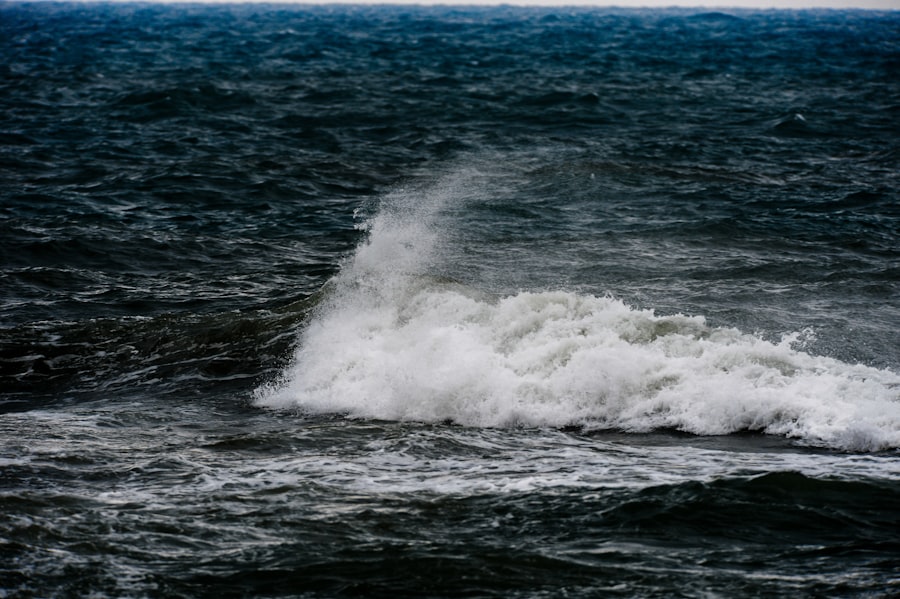
The ocean is not a static entity, and changes in its circulation patterns can lead to significant redistribution of water mass, with direct implications for coastal environments.
The Atlantic Coastline: A Double Blow of Sea-Level Rise
The collapse of the AMOC would lead to a concerning acceleration of sea-level rise along the Atlantic coastlines of North America and Europe.
Thermal Expansion and Ice Melt
Global warming itself is a driver of sea-level rise through thermal expansion of seawater and the melting of glaciers and ice sheets. However, the AMOC plays a role in the regional distribution of this rise.
- Reduced Sea Surface Height: The northward flow of warm water in the AMOC contributes to a slightly higher sea surface height in the North Atlantic compared to other ocean basins. When the AMOC weakens or collapses, this “sea level bulge” would recede, leading to an increase in sea level along the western Atlantic coast. Imagine a wave that has been pushed up against a wall; when the wall breaks, the wave spreads out.
- Amplified Impacts: This amplification of sea-level rise would inundate coastal communities and ecosystems with greater speed and severity, threatening infrastructure, displacing populations, and leading to increased coastal erosion.
The Pacific Coastline: A Relative Slowdown
In a disconcerting contrast, the Pacific coastlines might experience a relative slowdown in sea-level rise.
- Water Redistribution: As water “exits” the North Atlantic due to the weakening circulation, it would be redistributed elsewhere, potentially accumulating in the Pacific. This phenomenon would create regional disparities in sea-level rise, with some areas facing immediate crisis and others experiencing a less acute, but still significant, threat.
Ecosystem Disruptions: The Unraveling of Natural Balances
The interconnectedness of Earth’s systems means that changes in ocean circulation have profound cascading effects on ecosystems, from the microscopic to the majestic.
Marine Ecosystems Under Stress
Oceanic life is intricately adapted to specific temperature and salinity regimes, and the AMOC’s disruption would fundamentally alter these conditions.
Plankton Blooms and Food Webs
The distribution and abundance of phytoplankton, the base of the marine food web, are highly sensitive to ocean currents and temperature.
- Shifts in Phytoplankton Communities: A collapse of the AMOC could lead to significant shifts in phytoplankton species composition, with potential implications for zooplankton, fish, and ultimately, marine mammals and seabirds.
- Impacts on Fisheries: Many commercially important fish species rely on specific oceanic conditions that the AMOC helps to maintain. Changes in these conditions could lead to the decline of fish stocks, impacting global fisheries and the livelihoods that depend on them.
Coral Reefs and Ocean Acidification
While not solely driven by the AMOC, changes in ocean circulation can exacerbate existing stresses on vulnerable ecosystems like coral reefs.
- Temperature Fluctuations: Increased ocean temperatures, even in specific regions, can lead to coral bleaching events. A disrupted AMOC could contribute to these temperature anomalies.
- Ocean Acidification: The ocean absorbs a significant portion of atmospheric carbon dioxide, leading to ocean acidification. While the AMOC’s direct impact on this process is complex, shifts in circulation can influence the rate at which CO2 is absorbed and distributed within the ocean.
Terrestrial Ecosystems: A Cascade of Changes
The hydrological and climatic shifts discussed previously would inevitably lead to significant terrestrial ecosystem disruptions.
Forest Health and Fire Regimes
Changes in temperature and precipitation would directly impact forest health.
- Drought-Induced Stress: More frequent and severe droughts would increase the susceptibility of forests to disease, insect infestations, and wildfires. This could lead to significant loss of forest cover, impacting biodiversity and carbon sequestration.
- Species Migration and Extinction: As habitats change, species would attempt to migrate to more suitable conditions. However, the rapid pace of change and the presence of human-altered landscapes could lead to mass extinctions.
The potential collapse of the Atlantic Meridional Overturning Circulation (AMOC) poses significant risks to global climate patterns, sea levels, and marine ecosystems. A related article discusses the broader implications of such a collapse, emphasizing how it could lead to extreme weather events and disrupt food supplies. For more insights on this pressing issue, you can read the article on Freaky Science, which explores the interconnectedness of ocean currents and climate stability. Understanding these dynamics is crucial for preparing for the future impacts of climate change.
Socioeconomic Instability and Global Challenges
| Consequence | Description | Potential Impact | Timeframe |
|---|---|---|---|
| North Atlantic Cooling | Significant drop in sea surface temperatures in the North Atlantic region. | Decrease in regional temperatures by up to 3-5°C, affecting weather patterns. | Within decades after collapse |
| European Climate Disruption | Reduction in heat transport to Europe leading to colder winters and altered precipitation. | Colder winters, increased storm frequency, and agricultural impacts. | Decades to centuries |
| Sea Level Rise on U.S. East Coast | Reduced ocean circulation causes local sea level rise along the eastern seaboard. | Up to 30 cm additional sea level rise, increasing flood risk. | Within 50 years |
| Tropical Rainfall Changes | Shift in the Intertropical Convergence Zone (ITCZ) affecting tropical rainfall patterns. | Droughts in Sahel and parts of South America; flooding in other tropical regions. | Within decades |
| Marine Ecosystem Disruption | Altered nutrient transport and ocean temperatures impacting marine biodiversity. | Decline in fish stocks and changes in species distribution. | Decades to centuries |
| Global Climate Feedbacks | Amplification of global warming due to reduced carbon uptake by oceans. | Increased atmospheric CO2 levels accelerating climate change. | Long-term |
The environmental consequences of an AMOC collapse would inevitably translate into profound socioeconomic instability, creating new challenges for human societies.
Food and Water Security Crises
The combined impacts on agriculture and freshwater availability would create widespread food and water security crises.
- Mass Migration and Displacement: As regions become uninhabitable due to drought, famine, or rising sea levels, mass migrations and internal displacement would become commonplace, straining resources and potentially leading to social unrest.
- Economic Disruption and Inequality: The costs of adapting to these changes would be immense, and the unequal distribution of resources and vulnerabilities would likely exacerbate existing global inequalities.
Geopolitical Tensions and Conflict
Resource scarcity and mass migration often act as catalysts for geopolitical instability and conflict.
- Competition for Resources: As freshwater and arable land become scarcer, competition for these vital resources could intensify, leading to increased tensions between nations.
- Border Security and Humanitarian Crises: Managing large-scale population movements and responding to humanitarian crises would present unprecedented challenges for governments worldwide.
Economic Repercussions and Adaptation Costs
The economic consequences would be far-reaching, impacting industries, trade, and global financial markets.
- Disruption of Global Trade: Changes in agricultural productivity, energy supply, and shipping routes would disrupt global trade patterns.
- Infrastructure Damage and Adaptation Investment: Coastal erosion, increased storm severity, and altered river flows would necessitate massive investments in infrastructure adaptation and protection.
The potential collapse of the Atlantic Meridional Overturning Circulation is not a distant, abstract scientific concern. It represents a tangible threat with far-reaching and interconnected consequences. Understanding these potential impacts underscores the urgent need for robust climate mitigation and adaptation strategies to safeguard the intricate web of life and human societies that depend on the delicate balance of our planet’s climate system. The AMOC, a silent guardian of our climate, is a powerful reminder of our planet’s interconnectedness and the profound responsibility we bear in preserving its stability.

WARNING: The Ocean Conveyor Belt Is Already Collapsing
FAQs
What is the Atlantic Meridional Overturning Circulation (AMOC)?
The Atlantic Meridional Overturning Circulation (AMOC) is a large system of ocean currents in the Atlantic Ocean, including the Gulf Stream, that transports warm, salty water from the tropics to the North Atlantic and returns colder, denser water southward at depth. It plays a crucial role in regulating climate by redistributing heat.
What causes the AMOC to collapse?
The AMOC can weaken or collapse due to factors such as increased freshwater input from melting ice sheets and glaciers, higher rainfall, and changes in salinity and temperature. These changes reduce the density of surface waters in the North Atlantic, disrupting the sinking process that drives the circulation.
What are the potential climate consequences of an AMOC collapse?
A collapse of the AMOC could lead to significant climate impacts, including cooler temperatures in Europe and North America, sea level rise along the U.S. East Coast, disruptions to monsoon patterns in Africa and South Asia, and increased frequency of extreme weather events.
How would an AMOC collapse affect marine ecosystems?
An AMOC collapse could alter nutrient distribution and ocean temperatures, impacting marine ecosystems and fisheries. Changes in ocean circulation may disrupt habitats, reduce biodiversity, and affect the productivity of key species.
Is the AMOC collapse reversible, and can it be prevented?
While the AMOC has shown variability in the past, a complete collapse could be difficult to reverse on human timescales. Preventing collapse largely depends on mitigating climate change by reducing greenhouse gas emissions and limiting freshwater input from ice melt through global warming control.