
Zealandia, a vast submerged continent, holds many secrets beneath its oceanic cloak. Among these secrets are deposits of phosphorite, sedimentary rocks rich in phosphate minerals. While primarily valued for their phosphorus content, crucial for fertilizers, these phosphorites also harbor something far more intriguing: rare earth elements (REEs). The potential to unlock these REEs from New Zealand’s phosphorite deposits presents a significant opportunity, not just for economic gain, but for strategic resource security in a world increasingly reliant on these critical minerals. This article will delve into the nature of these REE-bearing phosphorites, the challenges and processes involved in their extraction, and the implications of successfully tapping into this submerged treasure trove.
Genesis of Phosphorite Formation
Phosphorites are not simply rocks that happen to contain phosphorus; their formation is a carefully orchestrated geological process. They typically form in marine environments, particularly on continental shelves and slopes, where conditions favor the concentration of phosphate-bearing materials. These conditions often include:
- Upwelling Zones: The upwelling of nutrient-rich deep ocean water to shallower depths is a primary driver. This nutrient influx fuels phytoplankton blooms. Upon their death, these organisms sink to the seafloor, their organic matter rich in phosphorus.
- Low Oxygen Conditions: Anaerobic or low-oxygen environments on the seafloor can prevent the rapid decomposition of organic matter, allowing phosphorus to accumulate in sediments.
- Sedimentation Rates: Relatively slow sedimentation rates are crucial. If sediments are deposited too quickly, they can dilute the phosphate accumulation. Phosphorites tend to form in areas where other sediments are scarce, allowing the phosphate to concentrate.
- Calcareous or Siliceous Sediments: The presence of carbonate (like chalk or limestone) or siliceous (like diatomaceous ooze) sediments can act as a host for the precipitating phosphate minerals.
The deposition of these phosphate-rich sediments over geological timescales, coupled with diagenetic processes (changes that occur after deposition), leads to the formation of consolidated phosphorite rocks. Zealandia, with its extensive continental shelf and history of marine deposition, provides a fertile ground for such formations.
Phosphorite Composition and the REE Enigma
The primary mineral component of phosphorites is apatite, typically fluorapatite [Ca5(PO4)3F] or carbonate-fluorapatite [Ca10(PO4)6(CO3)F2]. While the phosphate (PO43-) group is central, the crystal lattice of apatite is remarkably versatile. It can accommodate various cations and anions, including trace elements. It is within this complex crystal structure that rare earth elements find their way.
The REEs, a group of 17 chemically similar metallic elements (Sc, Y, and the lanthanides from La to Lu), are not truly “rare” in the Earth’s crust but are dispersed and rarely found in economically extractable concentrations in isolation. Their presence in phosphorites is often attributed to several mechanisms:
- Adsorption onto Phosphate Grains: During deposition, REEs present in seawater can adsorb onto the surfaces of forming phosphate grains.
- Incorporation into the Apatite Lattice: REEs, particularly those with similar ionic radii to calcium, can substitute for calcium ions within the apatite crystal structure. This is a more integrated, but often less abundant, form of REE presence.
- Presence in Associated Sediments: REEs can also be present in other mineral phases or organic matter interbedded with or associated with the phosphorite layers.
The concentration and distribution of REEs within Zealandia’s phosphorites can vary significantly. Factors such as the original seawater chemistry, the rate of biological productivity, and the diagenetic history of the deposit will all influence which REEs are present and in what quantities. Understanding these variations is the first step in designing an effective extraction strategy.
Regional Geological Setting of Zealandia
Zealandia, a microcontinent that is largely submerged, offers a unique geological context for phosphorite formation. Its tectonic history has resulted in extensive continental shelves, bathyal plains, and seamounts, all of which can serve as sites for the accumulation of marine sediments.
- Chatham Rise: This submarine ridge east of New Zealand is a prime example of a geological feature conducive to phosphorite formation. Historically, it has been identified as a significant phosphorite province, with deposits of varying grades and compositions. The Chatham Rise represents a substantial area for exploration.
- Other Shelf Areas: Beyond the Chatham Rise, other areas of the Zealandian continental shelf may harbor phosphorite deposits. The extent and richness of these deposits are still subjects of ongoing geological survey and research.
- Influence of Tectonics: The tectonic activity associated with Zealandia’s formation and ongoing plate boundary interactions can influence the uplift and exposure of submerged sedimentary sequences, as well as the circulation patterns that drive upwelling, thereby impacting phosphorite distribution.
Characterizing REE-Bearing Phosphorites
Before any extraction can commence, a detailed understanding of the phosphorite deposits is paramount. This involves comprehensive geological surveys and mineralogical analysis.
- Geophysical Surveys: Techniques such as seismic surveys can map the subsurface geology and identify potential phosphorite horizons.
- Geochemical Analysis: Sampling and laboratory analysis are crucial to determine the concentration of phosphorus, REEs, and other elements within the phosphorite. This includes determining the total REE content and the relative abundance of individual REEs.
- Mineralogical Studies: Investigating the specific mineral phases in which REEs are hosted is vital. Are they primarily adsorbed onto apatite surfaces, substituted within the apatite lattice, or present in accessory minerals? Techniques like X-ray diffraction (XRD), scanning electron microscopy (SEM), and energy-dispersive X-ray spectroscopy (EDX) are essential tools here.
- Resource Estimation: Based on geological mapping and geochemical data, estimates of the total quantity of phosphorite and the contained REEs can be made. This informs the economic viability of extraction.
Recent studies have highlighted the significance of rare earth elements found in the phosphorites of Zealandia, a submerged continent that holds vast geological resources. These phosphorites are not only crucial for agricultural fertilizers but also serve as a potential source for extracting rare earth elements, which are essential for modern technologies. For more insights on this topic, you can read a related article at Freaky Science.
The Extraction Challenge: From Seafloor to Refinery
Extracting resources from the ocean floor is a formidable undertaking. Phosphorite deposits, especially those containing valuable REEs, are no exception. The challenges range from the logistics of deep-sea operations to the chemical complexities of separating REEs from their mineral matrix.
Marine Mining Technologies
The physical recovery of phosphorite from the seabed requires specialized marine mining equipment. This is a frontier technology, and while some methods have been piloted, large-scale commercial operations for phosphorite are still under development.
- Dredging Systems: This is a common method for shallow marine sediment extraction. Various types of dredges, such as trailer suction dredgers or bucket dredgers, could be adapted for phosphorite collection. The challenge lies in controlling the disturbance of the seabed and minimizing environmental impact.
- Remote Operated Vehicles (ROVs) and Autonomous Underwater Vehicles (AUVs): These advanced robotic systems can be equipped with cutting or excavation tools to selectively target and collect promising phosphorite nodules or sedimentary layers. They offer precision but can be slower and more costly for large-scale extraction than bulk dredging.
- Cutter Suction Dredgers: These are powerful dredgers that use a rotating cutter head to break up the seabed material before it is sucked up through a pipe. They are effective for harder sediments and could be suitable for consolidated phosphorite.
- Environmental Considerations: Any marine mining operation must address significant environmental concerns. This includes potential impacts on marine ecosystems, sediment plumes that can affect water quality and filter feeders, and noise pollution. Rigorous environmental impact assessments and mitigation strategies are crucial.
Processing Phosphorite for Phosphorus and REEs
Once the phosphorite is brought to the surface, it undergoes processing to extract its valuable components. This is a multi-stage process, and the presence of REEs introduces additional layers of complexity.
- Comminution and Beneficiation: The raw phosphorite is typically crushed and ground into smaller particles to liberate the valuable minerals. Beneficiation processes, such as gravity separation or froth flotation, can be used to concentrate the apatite-rich fraction.
- Acid Leaching for Phosphorus: Traditionally, phosphorites are processed using sulfuric acid to produce phosphoric acid, a key ingredient in fertilizers. This wet chemical process dissolves the phosphate minerals.
- Hydrothermal or Pyrometallurgical Treatments: For REE extraction, these initial phosphorus-focused processes might not be sufficient. High-temperature treatments (pyrometallurgy) or pressurized hot water treatments (hydrothermal methods) might be necessary to break down the apatite structure and make the REEs more amenable to leaching.
- Selective Leaching for REEs: The challenge is to selectively leach REEs from the processed phosphorite without dissolving excessive amounts of other metals or the apatite itself. Different leaching agents and conditions can target specific elements. For example, acidic conditions are generally effective for leaching REEs.
- Solvent Extraction and Ion Exchange: Once the REEs are in solution, they are typically separated and purified using solvent extraction or ion exchange chromatography. These are highly sophisticated processes that exploit the subtle chemical differences between the individual REEs.
The Interplay of Phosphorus and REE Extraction
The economic viability of extracting REEs from phosphorites is intricately linked to the existing market for phosphorus. Phosphorite’s primary value has always been as a source of phosphate for agriculture.
- Co-production Strategy: A co-production strategy, where both phosphorus and REEs are extracted and marketed, could significantly enhance profitability. The revenue generated from REE sales could offset the costs of phosphorus production, making it more competitive.
- Technological Synergy: Advances in REE extraction technologies could potentially be integrated into existing phosphoric acid production lines, minimizing the need for entirely new infrastructure.
- Market Demand for REEs: The ever-increasing demand for REEs in high-tech applications – from electric vehicles and wind turbines to smartphones and defense systems – makes this co-production model increasingly attractive.
The Rare Earth Element Landscape: Zealandia’s Potential Contribution
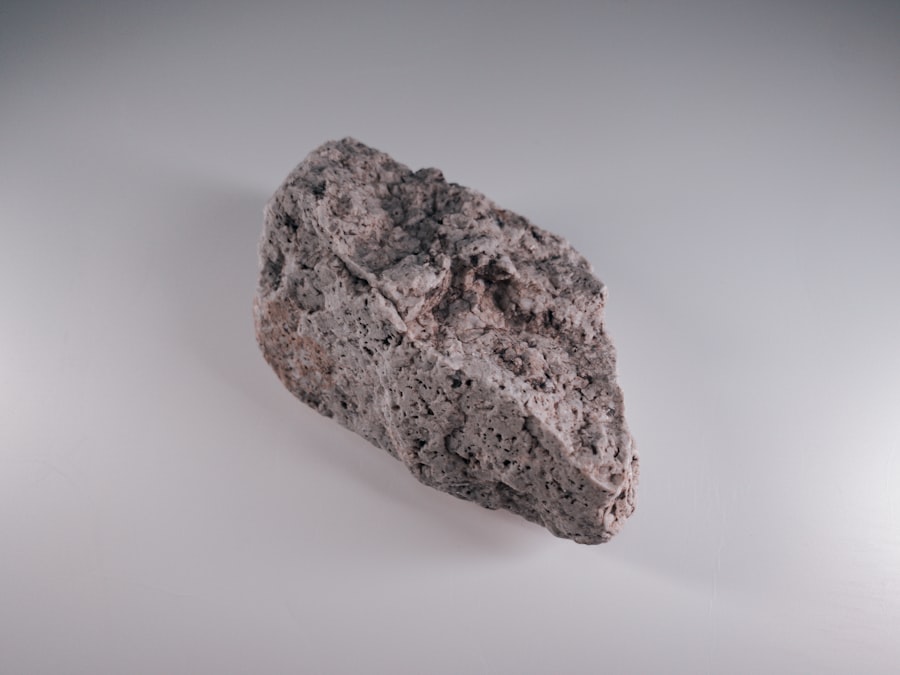
The global supply chain for rare earth elements is dominated by a few countries, creating geopolitical vulnerabilities and price volatility. Developing new, diversified sources like Zealandia’s phosphorites could significantly alter this landscape.
Geopolitical Significance of REE Supply
The strategic importance of REEs cannot be overstated. They are the “vitamins of modern industry,” enabling technologies that are driving the global economy and the transition to a green economy.
- Concentrated Supply: Historically, China has been the dominant producer of REEs, controlling a significant portion of both mining and processing capacities. This concentration has led to concerns about supply security and potential market manipulation.
- “Resource Nationalism”: Countries rich in REE deposits are increasingly recognizing their strategic value and may enact policies to control their export, further complicating international supply chains.
- Diversification Imperative: For countries that rely on imported REEs, developing domestic or diversified sources is a matter of national security and economic resilience. New Zealand, by unlocking its phosphorite potential, could position itself as a reliable supplier.
The Specific REE Mix in Phosphorites
The suite of REEs found in phosphorites is often characterized by a higher proportion of light rare earth elements (LREEs) and a moderate presence of heavy rare earth elements (HREEs). Understanding this specific mix is crucial for market assessment.
- Light Rare Earth Elements (LREEs): These include lanthanum (La), cerium (Ce), praseodymium (Pr), and neodymium (Nd). Nd and Pr are particularly important for high-strength permanent magnets used in electric vehicles and wind turbines.
- Middle Rare Earth Elements (MREEs): Europium (Eu), gadolinium (Gd), terbium (Tb), and dysprosium (Dy) fall into this category. They are used in phosphors for lighting and displays, and in advanced alloys.
- Heavy Rare Earth Elements (HREEs): These include yttrium (Y), holmium (Ho), erbium (Er), thulium (Tm), ytterbium (Yb), and lutetium (Lu). They are often more difficult to extract and are critical for specialized applications, though their abundance in phosphorites can be lower.
The economic value of a phosphorite deposit is not just determined by the total REE concentration but by the concentrations of the desired individual REEs within that mix. A deposit rich in LREEs might be highly valuable if there is strong demand for Nd and Pr, for instance.
Complementarity with Existing REE Sources
Zealandia’s phosphorites could complement existing REE supply streams rather than purely competing with them.
- Different Geological Origins: Conventional REE deposits, like hard rock mines, often have different REE distributions and associated impurities compared to REEs found in sedimentary deposits like phosphorites. This means they can cater to different market niches or processing capabilities.
- Addressing Specific Element Needs: If Zealandia’s phosphorites are particularly rich in certain REEs that are currently in high demand or are facing supply constraints from other sources, they could fulfill a critical market gap.
- Strategic Reserves: Developing new sources like Zealandia, even if they are not the cheapest in the short term, contributes to a more robust and diversified global supply, reducing overall market risk.
Challenges and Opportunities in the Zealandian Context
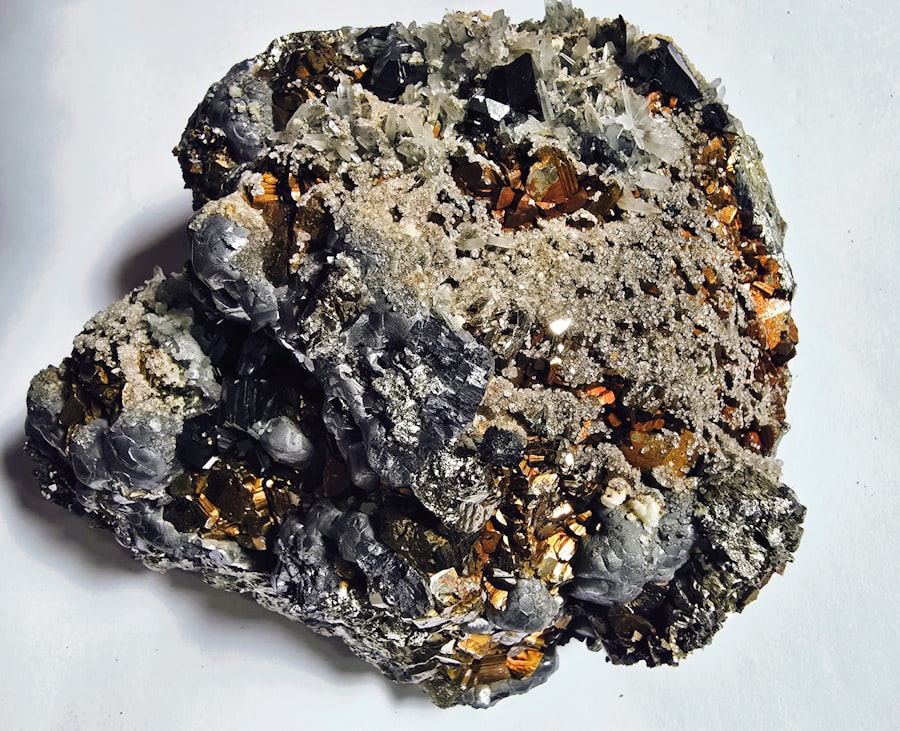
Bringing Zealandia’s phosphorite-bound REEs to market is not without its hurdles. However, the potential rewards, both economic and strategic, are substantial enough to warrant focused investigation and development.
Environmental Stewardship and Sustainable Mining
The deep-sea environment is unique and fragile. Responsible extraction is not an option but a prerequisite.
- Minimizing Seabed Disturbance: Technologies and operational protocols must be designed to minimize the physical footprint of mining activities. This includes careful planning of extraction areas and efficient material handling.
- Controlling Sediment Plumes: Suspended sediment can have widespread impacts on marine life. Effective dust suppression, settling ponds, and careful discharge management are essential to mitigate this risk.
- Monitoring and Adaptive Management: Continuous environmental monitoring before, during, and after mining operations is crucial. This allows for the detection of unforeseen impacts and the implementation of adaptive management strategies to correct them.
- Life Cycle Assessment: A comprehensive life cycle assessment, from extraction to processing and waste disposal, is necessary to understand the overall environmental footprint and identify areas for improvement.
Technological Innovation and Investment
Unlocking the potential of Zealandia’s phosphorites will require significant investment in research and development, as well as in cutting-edge extraction and processing technologies.
- Advancements in Marine Mining: As mentioned, marine mining is a developing field. Further innovation in efficiency, selectivity, and environmental protection is needed.
- Sophisticated REE Separation: Developing cost-effective and environmentally sound methods for separating individual REEs from complex phosphorite matrices is a key technological challenge.
- Pilot Projects and Scalability: Demonstrating the viability of extraction and processing through pilot projects is essential to attract investment and prove the scalability of the proposed technologies.
- Collaboration and Partnerships: International collaboration between research institutions, technology providers, and mining companies can accelerate the development and deployment of necessary innovations.
Economic Viability and Market Dynamics
The cost of extracting and processing phosphorite-bound REEs must be competitive with other global sources.
- Global REE Prices: Fluctuations in global REE prices, driven by demand and supply shifts, will heavily influence the economic attractiveness of Zealandia’s deposits.
- Processing Costs: The energy intensity and chemical requirements of REE separation are significant cost factors. Innovations that reduce these costs are vital.
- Government Support and Incentives: Governments may play a role in de-risking investments through grants, tax incentives, or long-term purchase agreements, especially given the strategic importance of REEs.
- Long-Term Resource Security: The value of Zealandia’s phosphorites may also be judged on their contribution to long-term resource security, irrespective of short-term price fluctuations.
Recent studies have highlighted the significance of rare earth elements found in Zealandia’s phosphorites, which play a crucial role in various high-tech applications. For a deeper understanding of the geological processes and the economic implications surrounding these resources, you can explore this insightful article on the topic. It provides a comprehensive overview of how Zealandia’s unique geological features contribute to the formation of these valuable phosphorites. To learn more, visit this article.
The Future Prospect: A Submerged Treasure Awakened
| Metric | Value | Unit | Notes |
|---|---|---|---|
| Rare Earth Element (REE) Concentration | 800 – 1200 | ppm | Measured in Zealandia phosphorite deposits |
| Phosphorite Deposit Thickness | 1 – 5 | meters | Typical range in Zealandia region |
| Phosphorus Pentoxide (P2O5) Content | 20 – 30 | % by weight | Indicative of phosphorite quality |
| Strontium (Sr) Concentration | 1500 – 2500 | ppm | Associated element in phosphorites |
| Lanthanum (La) Concentration | 200 – 350 | ppm | Key rare earth element in deposits |
| Neodymium (Nd) Concentration | 100 – 180 | ppm | Important for high-tech applications |
| Deposit Age | Late Cretaceous to Paleogene | Million years | Geological age of phosphorite formation |
| Estimated Total Resource | Millions of tonnes | Metric tonnes | Estimated mass of phosphorite deposits |
The journey from discovering trace elements in ocean floor rocks to establishing a viable source of critical minerals is long and arduous. However, the prospect of unlocking Zealandia’s rare earth elements from its phosphorite deposits represents a compelling opportunity for New Zealand and for the global quest for diversified and secure critical mineral supply chains.
Strategic Importance for New Zealand
For New Zealand, the potential benefits extend beyond mere economic gain.
- Resource Sovereignty: Developing domestic sources of critical minerals enhances national self-sufficiency and reduces reliance on potentially unstable international markets.
- Economic Diversification: The extraction and processing of these resources could create new industries, high-skilled jobs, and export revenue.
- Technological Advancement: The drive to unlock these resources will spur innovation in marine technology, chemical processing, and environmental monitoring.
Contribution to Global Supply Chains
The global demand for REEs is projected to grow significantly in the coming decades. Zealandia’s phosphorites could play a crucial role in meeting this demand.
- Diversifying Supply: Adding new sources to the global market can stabilize prices and make supply chains more resilient to disruptions.
- Sustainable Sourcing: If extracted and processed responsibly, these REEs can contribute to a more sustainable global technology sector.
- Technological Innovation Fuel: The availability of these critical elements is a prerequisite for continued innovation in renewable energy, electric mobility, and advanced electronics.
The Path Forward: Research, Development, and Prudent Exploration
The path to realizing the potential of Zealandia’s phosphorites requires a multi-faceted approach.
- Continued Geological Survey: More comprehensive mapping and characterization of phosphorite deposits across Zealandia are needed to pinpoint the most promising locations.
- Advanced Metallurgical Research: Intensive research into efficient and environmentally friendly methods for extracting REEs from phosphorite is paramount. This includes exploring novel leaching, separation, and purification techniques.
- Environmental Impact Studies: Thorough and transparent environmental impact assessments must be conducted for any proposed extraction activities, with a strong emphasis on robust mitigation and monitoring plans.
- Economic Feasibility Analysis: Detailed techno-economic assessments are required to determine the commercial viability of proposed extraction and processing schemes, considering all cost factors and market dynamics.
- Policy and Regulatory Frameworks: Clear and supportive policy and regulatory frameworks are essential to guide responsible development, attract investment, and ensure environmental protection.
Zealandia’s phosphorites are more than just geological curiosities; they represent a potential reservoir of elements vital to the technologies of the 21st century. Unlocking this submerged treasure requires scientific ingenuity, technological innovation, substantial investment, and a steadfast commitment to environmental stewardship. If these challenges can be successfully navigated, the rare earth elements hidden within Zealandia’s ocean floor could awaken to power a cleaner, more technologically advanced future.

WARNING: The 8th Continent Is Moving
FAQs
What are rare earth elements and why are they important?
Rare earth elements (REEs) are a group of 17 chemically similar metallic elements that are critical in the manufacturing of high-tech devices, renewable energy technologies, and various industrial applications. They are essential for producing magnets, batteries, electronics, and catalysts.
What is Zealandia and why is it significant in the study of rare earth elements?
Zealandia is a largely submerged continental fragment located in the southwest Pacific Ocean, encompassing New Zealand and surrounding areas. It is significant because its unique geological formations, including phosphorite deposits, may contain valuable concentrations of rare earth elements.
What are phosphorites and how do they relate to rare earth elements in Zealandia?
Phosphorites are sedimentary rocks rich in phosphate minerals, often formed in marine environments. In Zealandia, phosphorite deposits have been found to contain elevated levels of rare earth elements, making them a potential resource for REE extraction.
How are rare earth elements extracted from phosphorite deposits?
Extraction typically involves mining the phosphorite rock, followed by chemical processing to separate and concentrate the rare earth elements. This can include crushing, flotation, acid leaching, and solvent extraction techniques to isolate REEs from the phosphate matrix.
What are the potential environmental impacts of mining rare earth elements from Zealandia phosphorites?
Mining and processing phosphorite deposits can lead to habitat disruption, water pollution, and the generation of radioactive waste due to associated uranium and thorium content. Careful environmental management and sustainable practices are necessary to mitigate these impacts.