
Zealandia, the largely submerged continent to the east of Australia, presents a fascinating geological tapestry. Within this vast geological entity, the dichotomy between felsic and mafic rocks offers a fundamental lens through which to understand its formation, evolution, and the forces that have shaped its diverse landscapes, from the towering peaks of New Zealand to the submerged plains. This article delves into a comparative geological analysis of felsic and mafic rocks as they manifest within the Zealandia microcontinent.
To truly appreciate the geological narrative of Zealandia, one must first grasp the fundamental distinction between felsic and mafic rocks. This classification is rooted in their mineralogical and chemical composition, essentially dictating their density, color, and their place in the grand story of Earth’s crust and mantle. Think of these categories as two primary flavors in a geological cookbook, each lending itself to different culinary outcomes – or in this case, different geological environments and formations.
Mineralogical Determinants: The Building Blocks
The fundamental difference between felsic and mafic rocks lies within their constituent minerals. This is where the bedrock of their identity is laid.
Felsic Minerals: The Lightweights
Felsic rocks, standing for feldspar and silica, are characterized by a preponderance of minerals rich in silicon and aluminum, and relatively low in iron and magnesium. These minerals are often light in color, giving felsic rocks a pale, often white, pink, or light gray appearance.
Quartz: The Resilient Framework
Quartz, a crystalline mineral composed of silicon and oxygen (SiO₂), is a hallmark of felsic rocks. Its hard, glassy nature and resistance to weathering make it a persistent component, often visible as glassy grains within igneous rocks or as a significant constituent of sedimentary rocks derived from them.
Feldspar: The Abundant Anchor
Feldspars are a group of aluminosilicate minerals containing varying proportions of potassium, sodium, and calcium. They are the most abundant mineral group in the Earth’s crust. In felsic rocks, alkali feldspars (orthoclase, microcline, sanidine) and plagioclase feldspars rich in sodium (albite) are dominant. These minerals provide much of the structural framework and contribute to the light coloration.
Micas: The Flaky Layers
Micas, such as muscovite and biotite, are sheet silicate minerals characterized by their perfect basal cleavage, allowing them to split into thin, flexible sheets. Muscovite, a common felsic mica, is rich in potassium, aluminum, and hydroxyl groups, contributing to the pale hues. Biotite, while also a mica, can sometimes lean towards being a minor component in more intermediate rocks, but its presence in felsic rocks is generally at lower proportions compared to muscovite.
Mafic Minerals: The Heavweights
Conversely, mafic rocks, short for magnesium and ferric iron, are enriched in minerals containing magnesium and iron. These minerals are typically darker in color, contributing to the characteristic black or dark green appearance of mafic rocks. Their higher density is a direct consequence of these heavier elements.
Olivine: The Ultramafic Indicator
Olivine, a magnesium iron silicate, is a primary mineral in many mafic and ultramafic rocks. Its abundance is a strong indicator of derivation from the mantle or highly depleted crustal sources. Its glassy appearance, often olive-green to black, is a distinctive feature.
Pyroxenes: The Prismatic Pillars
Pyroxenes are a group of single-chain inosilicate minerals that are abundant in mafic and ultramafic igneous rocks. They are rich in iron and magnesium, contributing to the dark color and density. Common pyroxenes include augite and pigeonite.
Amphiboles: The Double Chains
Amphiboles are a group of double-chain inosilicate minerals that share similar chemical compositions with pyroxenes but have a different crystal structure. Hornblende, a common amphibole, is often found in mafic and intermediate rocks and can be black or dark green.
Plagioclase Feldspar (Calcium-Rich): The Denser Cousin
While feldspars are common in both felsic and mafic rocks, the composition of plagioclase feldspar differs significantly. In mafic rocks, plagioclase feldspar tends to be richer in calcium (e.g., labradorite, anorthite), making it denser and darker compared to its sodium-rich, felsic counterparts.
Chemical Signatures: The Elemental Recipe
Beyond mineralogy, the chemical composition provides another crucial layer of differentiation. The relative abundance of certain major elements dictates the rock’s classification.
Felsic Chemistry: The Silica-Rich Profile
Felsic rocks are characterized by a high silica content, typically exceeding 63% SiO₂. They are also enriched in elements like aluminum, potassium, and sodium, which are the building blocks of felsic minerals.
High Silica (SiO₂) Content: The Structural Backbone
The elevated silica content in felsic rocks is directly linked to the prevalence of quartz and feldspars. This high silica saturation allows for the crystallization of these minerals.
Depleted in Iron (Fe) and Magnesium (Mg): The Absence of Dark Minerals
The low concentrations of iron and magnesium are a defining feature, explaining the absence of significant quantities of olivine, pyroxenes, and amphiboles – the minerals that lend mafic rocks their dark hue.
Mafic Chemistry: The Iron and Magnesium Rich Profile
Mafic rocks, in stark contrast, have a lower silica content, typically between 45% and 52% SiO₂. They are significantly enriched in iron (Fe) and magnesium (Mg), as well as calcium (Ca), which are the principal components of mafic minerals.
Lower Silica (SiO₂) Content: The Foundation of Dark Minerals
The reduced silica content means there is less “room” for quartz and feldspars to form. Instead, the available elements are preferentially locked into iron and magnesium-rich silicate minerals.
Enriched in Iron (Fe) and Magnesium (Mg): The Source of Dark Hues and Density
The high concentrations of iron and magnesium are mirrored in the mineralogy, giving mafic rocks their characteristic dark color and higher density. These elements are crucial for the formation of olivines, pyroxenes, and calcium-rich plagioclase.
Felsic and mafic rocks play a significant role in understanding the geological composition of Zealandia, the submerged continent that includes New Zealand. An insightful article that delves into the distinctions between these two rock types and their implications for the geology of Zealandia can be found at Freaky Science. This resource provides a comprehensive overview of how the mineral content and formation processes of felsic and mafic rocks contribute to the unique geological features observed in this largely underwater landmass.
Felsic Rocks in Zealandia: The Luminous Landscapes
Zealandia, particularly its emergent landmasses like New Zealand, showcases a significant presence of felsic rocks. These often form the more dramatic and visually striking geological features, akin to the highlights in a masterful painting. Their formation is intimately tied to the processes of continental crust generation and evolution.
Granitic Intrusions: The Earth’s Deep Artwork
Granite, the quintessential felsic igneous rock, is a cornerstone of continental crust and is prominently found within Zealandia. These plutonic rocks, formed from slow cooling of magma deep beneath the Earth’s surface, are often exposed through uplift and erosion.
The Common Granite: A Symphony of Minerals
Zealandic granites typically consist of quartz, alkali feldspar (often orthoclase or microcline, giving a pinkish hue), and plagioclase feldspar, along with micas like biotite and muscovite. The coarse-grained texture, a result of slow cooling, allows these individual minerals to be readily identified.
Granitic Batholiths: The Continent’s Core
Large intrusions of granite, known as batholiths, are a testament to substantial magmatic activity over geological time. In New Zealand, the western portion of the South Island is dominated by the vast granite batholiths of the Fiordland and Westland regions, forming the rugged peaks and dramatic landscapes of the Southern Alps. These are not just mountains; they are the exposed bones of ancient magmatic plumbing systems.
Rhyolitic Volcanism: The Fiery Outbursts
While granite represents the intrusive, deep-seated manifestation of felsic magmatism, rhyolite is its extrusive, volcanic counterpart. Formed from the rapid cooling of silica-rich lava, rhyolites are often fine-grained or glassy.
Ignimbrites: Ash-Flow Surprises
Zealandia has experienced significant silicic volcanic activity, leading to the formation of extensive ignimbrite deposits. These are formed from pyroclastic flows, immense avalanches of hot volcanic ash, pumice, and gas that can travel at high speeds. The Taupo Volcanic Zone in the North Island of New Zealand is a prime example, characterized by large caldera eruptions that have produced vast sheets of rhyolitic ignimbrite. These deposits are like the dramatic brushstrokes of a sudden, explosive eruption.
Volcanic Domes and Lava Flows: The Slow Burn
Silica-rich magmas are highly viscous, meaning they flow slowly. This leads to the formation of distinctive volcanic domes and thick lava flows. The Kaimai Range in the North Island, for instance, exhibits evidence of past rhyolitic dome formation.
Sedimentary Rocks: The Legacy of Felsic Erosion
The erosion of felsic igneous and metamorphic rocks gives rise to a suite of sedimentary rocks. These rocks can cover vast areas and preserve important clues about past environments.
Sandstones: The Grains of Time
Sandstones, composed primarily of sand-sized mineral grains and rock fragments, are a common sedimentary rock derived from the breakdown of felsic rocks. The quartz content is often high, meaning these sandstones can be remarkably durable.
Conglomerates and Breccias: The Coarse Remnants
Where the erosion and transport of felsic material have been less extensive, conglomerates (rounded pebbles) and breccias (angular fragments) can form, directly reflecting the lithology of the source rocks.
Mafic Rocks in Zealandia: The Dark Depths and Foundations
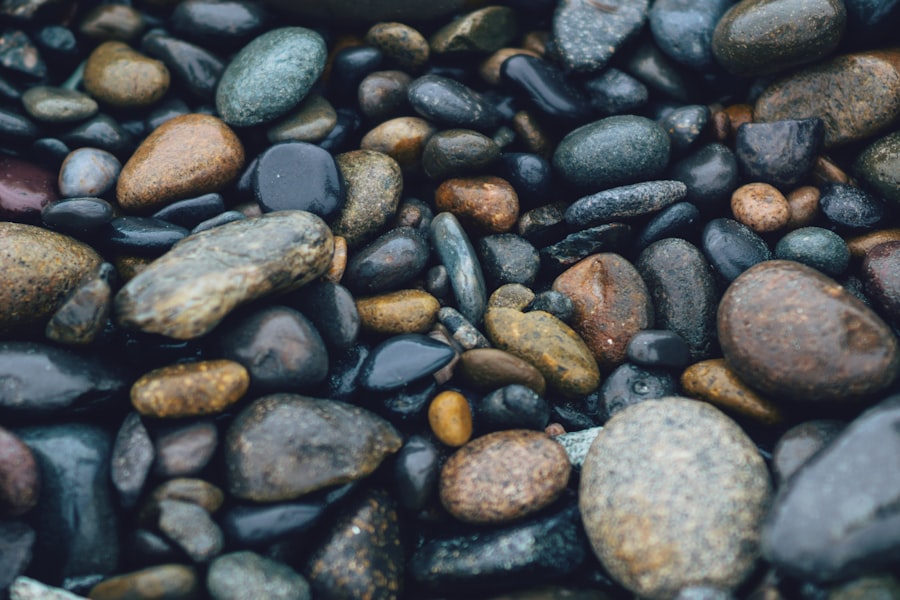
Mafic rocks, in contrast to their felsic counterparts, represent the foundational elements of Zealandia, often originating from deeper within the Earth, from the mantle, or from the more iron-rich components of the crust. They are the sturdy, dark bedrock upon which much of the continent’s history is written.
Basaltic Flows: The Oceanic Heritage
Basalt, the most common mafic volcanic rock, is a dominant feature in areas associated with oceanic crust or rifted continental margins. zealandia’s geological history is marked by periods of such activity.
Volcanic Fields: The Shield of Iron
Extensive basaltic lava flows have shaped significant portions of Zealandia. The Auckland Volcanic Field in the North Island of New Zealand is a prime example, comprised of numerous scoria cones and lava flows that represent ongoing, albeit currently dormant, basaltic volcanism. These are the dark, rugged canvases upon which the island nation’s largest city is built.
Pillow Basalts: The Underwater Sculptures
In regions where basaltic lavas erupted underwater, characteristic “pillow” structures form. These rounded, cushion-like masses are a telltale sign of eruption into a marine environment and are found in ophiolite sequences, which represent slices of ancient oceanic crust incorporated into continental margins.
Gabbro: The Deep, Dark Heart
Gabbro is the intrusive, coarse-grained equivalent of basalt. It forms from the slow cooling of mafic magma deep within the crust or in oceanic crustal roots. While less commonly exposed at the surface than basalt, large gabbroic intrusions are found in the deeper levels of Zealandia’s crust, hinting at the prevalence of mafic magmatism in its formation.
Ophiolites: The Oceanic Inclusions
Ophiolites are sequences of rocks representing oceanic crust and upper mantle that have been obducted (thrust) onto continental crust. These are crucial for understanding the tectonic assembly of continents, and Zealandia contains significant ophiolitic terrains, providing direct evidence of past seafloor spreading and subduction events. These are like fragments of the ocean floor, thrust ashore by tectonic forces.
Metamorphic Mafic Rocks: The Pressure Cooked Past
When mafic rocks are subjected to intense heat and pressure deep within the Earth, they transform into metamorphic rocks, retaining their mafic mineralogy but developing new textures and structures.
Greenschist and Amphibolite Facies: The Transformation Zones
Basaltic rocks metamorphosed under lower-grade conditions can form greenschists, characterized by minerals like chlorite, actinolite, and epidote. Under higher-grade conditions, they transform into amphibolites, dominated by amphibole and plagioclase feldspar. These are the signatures of the intense geological cooker that is the Earth’s interior, rendering old rocks into new forms.
Tectonic Settings: Where Felsic and Mafic Rocks Converge
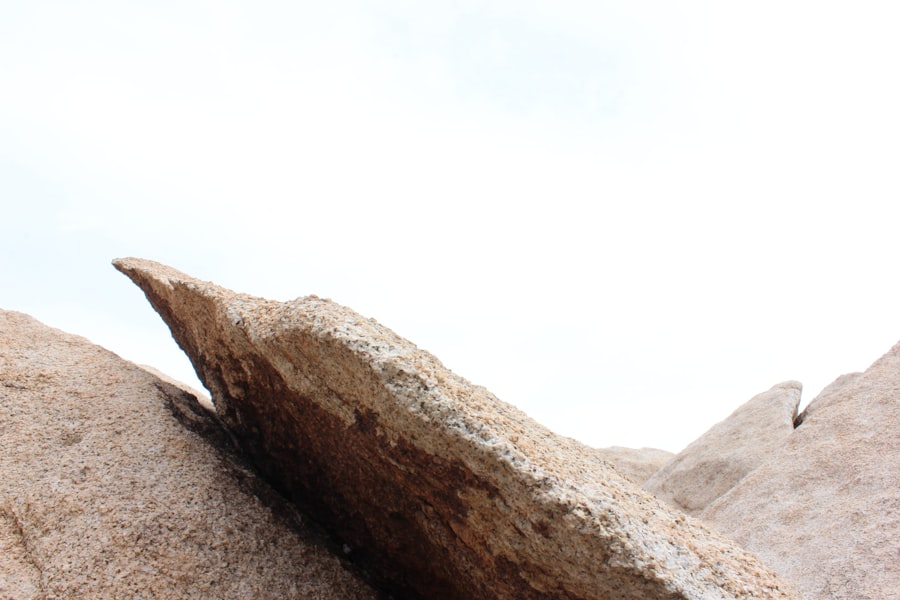
The distribution and abundance of felsic and mafic rocks within Zealandia are intrinsically linked to its complex tectonic history. Understanding these settings is key to unlocking the geological narrative of this dynamic microcontinent.
Subduction Zones: The Crucible of Felsic Magma
Subduction zones, where one tectonic plate slides beneath another, are prime environments for the generation of felsic magmas. As the subducting oceanic plate descends into the mantle, it releases water, which lowers the melting point of the overlying mantle wedge. This mantle melts, producing mafic magma, which then rises and interacts with the overlying continental crust.
Arc Magmatism: The Felsic Frontier
As this mixed magma rises and ponders within the crust, it undergoes fractional crystallization and assimilation of crustal material, leading to the generation of progressively more silica-rich (felsic) magmas. This process forms volcanic arcs, like the Taupo Volcanic Zone in New Zealand, characterized by explosive eruptions of rhyolite and andesite (an intermediate rock). These arcs are like the fiery scar tissue left behind by the Earth’s relentless tectonic churn.
Continental Collisions: The Deep Roots of Granite
Continental collisions, where two continental plates converge, also play a significant role in the formation of felsic rocks. The immense pressures generated during collision lead to crustal thickening and anatexis (partial melting of existing crustal rocks), producing vast quantities of felsic magma that can crystallize into granite batholiths. The granitic core of the Southern Alps in New Zealand is a testament to these ancient collision events.
Mid-Ocean Ridges and Rifting: The Domain of Mafic Magma
In contrast, mid-ocean ridges and continental rifting environments are the primary sites for the generation of mafic magmas.
Oceanic Crust Formation: The Basaltic Birthplace
At mid-ocean ridges, the upwelling of hot mantle material undergoes decompression melting, producing basaltic magma that erupts to form new oceanic crust. While Zealandia is not an active mid-ocean ridge today, its geological history includes periods of extension and rifting where similar processes would have occurred.
Continental Rifting: The Splitting of Continents
Continental rifting, the process by which continents begin to break apart, is also characterized by mafic magmatism. As the crust thins, mantle upwelling leads to basaltic volcanism, forming rift valleys and volcanic provinces. The initial stages of Zealandia’s separation from Gondwana likely involved significant basaltic magmatism.
In exploring the geological features of Zealandia, a fascinating comparison arises between felsic and mafic rocks, which play crucial roles in understanding the continent’s formation and composition. For a deeper insight into these rock types and their significance in the context of Zealandia, you can refer to an informative article that delves into their characteristics and differences. This resource provides valuable information that enhances our comprehension of the geological processes at play in this submerged landmass. To learn more, visit this related article.
Zealandia’s Unique Mix: A Geological Mosaic
| Characteristic | Felsic Rocks | Mafic Rocks | Context in Zealandia |
|---|---|---|---|
| Composition | High in silica, quartz, feldspar | Rich in magnesium, iron, calcium | Felsic rocks dominate continental crust portions of Zealandia |
| Color | Light-colored (pink, white, light gray) | Dark-colored (black, dark green, dark gray) | Felsic rocks found in exposed landmasses like New Zealand’s South Island |
| Density (g/cm³) | ~2.6 – 2.7 | ~3.0 – 3.3 | Mafic rocks contribute to denser oceanic crust parts of Zealandia |
| Typical Rock Types | Granite, rhyolite | Basalt, gabbro | Granite batholiths are common in Zealandia’s continental crust |
| Formation Environment | Formed from slow cooling of magma beneath surface | Formed from rapid cooling of lava at or near surface | Felsic intrusions indicate tectonic activity in Zealandia’s history |
| Silica Content (%) | >65% | 45-55% | Reflects crustal differentiation in Zealandia’s geology |
Zealandia’s geological story is not a simple dichotomy; it is a complex interplay between felsic and mafic processes, shaped by its unique tectonic journey. It’s a geological masterpiece painted with broad strokes of dark volcanic rock and delicate filigree of granite.
The Convergence of Tectonic Eras: Echoes of Gondwana
Zealandia’s origins lie within the supercontinent Gondwana. As Gondwana rifted apart, Zealandia, including present-day New Zealand, began to separate from Antarctica and Australia. This process involved both rifting, with associated mafic volcanism, and later, periods of subduction and arc magmatism, leading to the formation of felsic rocks. The juxtaposition of these rock types within Zealandia is a direct consequence of this protracted separation.
The Submerged Continent: Unveiling the Deeper Story
The vast majority of Zealandia lies beneath the ocean. This submergence masks large swathes of its geological history. However, seismic surveys and seafloor sampling reveal extensive basaltic plains in some areas, indicative of past oceanic crust formation or extensive flood basalt provinces. The submerged nature also means that much of the intrusive felsic activity, like granite batholiths, remains hidden, revealed only by the erosion of overlying younger rocks and the gradual uplift that exposes the deeper crust.
The Influence of Plate Boundaries: A Dynamic Edge
Zealandia straddles a complex plate boundary between the Pacific and Australian plates. This tectonic dynamism drives ongoing volcanism, seismicity, and mountain building. The predominantly felsic volcanism of the Taupo Volcanic Zone on the North Island is a direct result of the Pacific Plate subducting beneath the Australian Plate. Conversely, the uplift and exposure of the granitic Southern Alps are related to the compressive forces along this boundary.
Conclusion: A Tale of Two Rocks in a Lost Continent
The comparison of felsic and mafic rocks within Zealandia is more than an academic exercise; it is the key to unlocking the continent’s deep history. Felsic rocks, with their luminous appearance and silica-rich composition, speak of the processes that built and thickened continental crust, forming iconic mountain ranges and explosive volcanic landscapes. Mafic rocks, dark and dense, tell a tale of oceanic origins, mantle upwelling, and the foundational basaltic crust that once, or still, underpins vast regions. Zealandia, a continent adrift, showcases a remarkable geological mosaic where these two fundamental rock types have converged, each contributing its unique mineralogical and chemical signature to the fabric of this extraordinary landmass. Understanding this felsic-mafic dichotomy allows us to read the geological story etched into the very rock of Zealandia, from the visible peaks to the unseen depths.

WARNING: The 8th Continent Is Moving
FAQs
What are felsic rocks and mafic rocks?
Felsic rocks are igneous rocks rich in silica and light-colored minerals such as quartz and feldspar. Mafic rocks are igneous rocks that contain higher amounts of magnesium and iron, making them darker in color, with minerals like pyroxene and olivine.
How do felsic and mafic rocks differ in composition?
Felsic rocks have a high silica content (typically over 65%) and are rich in lighter minerals, while mafic rocks have lower silica content (45-55%) and are dominated by darker, denser minerals rich in iron and magnesium.
What types of rocks are commonly found in Zealandia?
Zealandia features a variety of igneous rocks, including both felsic and mafic types. The continental crust of Zealandia is primarily composed of felsic rocks like granite, while mafic rocks such as basalt are common in volcanic regions and oceanic crust areas.
Why is the distinction between felsic and mafic rocks important in studying Zealandia?
Understanding the distribution of felsic and mafic rocks helps geologists interpret Zealandia’s geological history, including its crustal composition, tectonic activity, and volcanic processes, which are key to understanding the continent’s formation and evolution.
How do felsic and mafic rocks affect the landscape and geology of Zealandia?
Felsic rocks tend to form lighter-colored, more resistant landforms such as mountain ranges, while mafic rocks often create darker, denser formations like volcanic plateaus. Their differing properties influence erosion patterns, soil types, and the overall topography of Zealandia.