
The placebo effect is a fascinating phenomenon that has intrigued scientists, medical professionals, and patients alike for decades. It refers to the beneficial outcomes that arise from a treatment that has no therapeutic value, often due to the patient’s belief in its efficacy. This effect highlights the complex interplay between the mind and body, demonstrating how psychological factors can significantly influence physical health.
The placebo effect serves as a reminder of the power of perception and expectation in the healing process, raising important questions about the nature of treatment and recovery. In clinical settings, the placebo effect can manifest in various ways, from pain relief to improved symptoms in chronic conditions. It is not merely a trick of the mind; rather, it underscores the importance of patient engagement and belief in their treatment.
As researchers delve deeper into understanding this phenomenon, they uncover layers of complexity that challenge traditional views of medicine and healing. The placebo effect invites a broader discussion about how healthcare providers can harness this power to enhance patient outcomes and improve overall well-being.
Key Takeaways
- The placebo effect is a phenomenon where a patient’s symptoms improve after receiving a treatment that has no therapeutic effect.
- The concept of the placebo effect dates back to ancient times, but it wasn’t until the 18th century that it was formally recognized in medical literature.
- The placebo effect is believed to be influenced by a combination of psychological and physiological factors, including the patient’s expectations and the release of endorphins in the brain.
- Common misconceptions about the placebo effect include the idea that it is purely psychological and that it only occurs in certain individuals.
- Studies and research on the placebo effect have shown its potential to improve patient outcomes, but ethical considerations and the role of expectations must be carefully considered in medical practice.
History of the Placebo Effect
The history of the placebo effect is rich and multifaceted, tracing back to ancient times when healers relied on rituals and potions to invoke healing. The term “placebo” itself originates from the Latin word meaning “I shall please,” reflecting the idea that a treatment could work simply because it satisfies the patient’s expectations. In the 18th century, physicians began to recognize that some patients improved after receiving inert substances, leading to early discussions about the psychological components of healing.
As medical science advanced, particularly in the 20th century, the placebo effect gained more attention. Researchers began conducting controlled studies to differentiate between the effects of actual treatments and those attributable to placebo responses. The introduction of randomized controlled trials marked a significant turning point in understanding the placebo effect, as it allowed for more rigorous examination of how belief and expectation could influence health outcomes.
This historical evolution has paved the way for contemporary research that continues to explore the nuances of this intriguing phenomenon.
The Science Behind the Placebo Effect
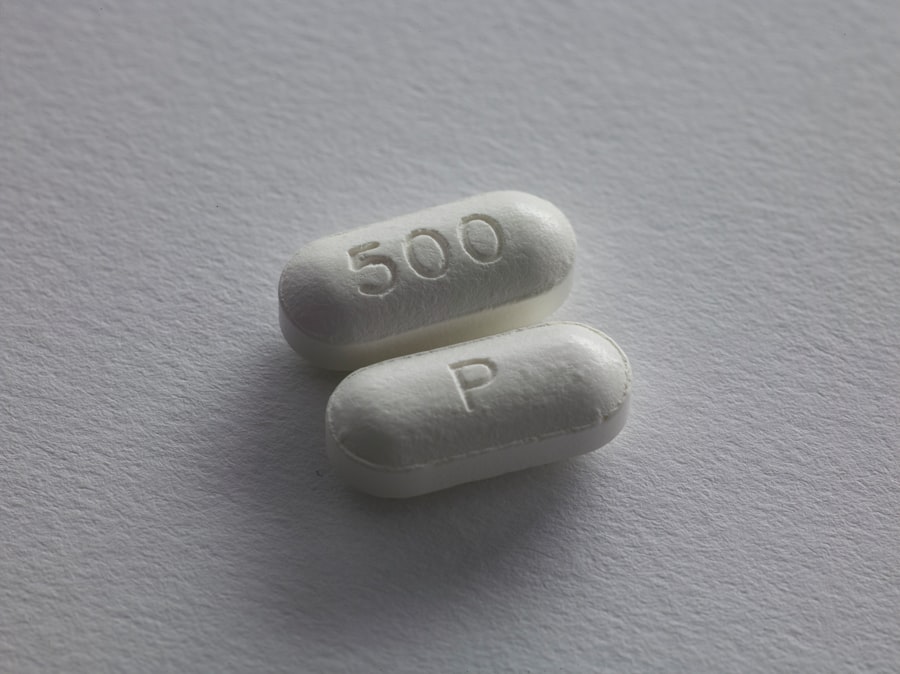
The science behind the placebo effect is rooted in neurobiology and psychology, revealing how the brain responds to expectations and beliefs. When a patient believes they are receiving an effective treatment, their brain can release neurotransmitters such as endorphins and dopamine, which are associated with pain relief and feelings of pleasure. This biochemical response can lead to tangible improvements in symptoms, demonstrating that the mind can indeed influence physical health.
Moreover, studies have shown that the placebo effect can activate specific brain regions associated with pain perception and emotional regulation. For instance, imaging studies have revealed that when individuals experience relief from pain due to a placebo, there is increased activity in areas of the brain responsible for processing pain signals. This connection between mental states and physiological responses underscores the importance of understanding how psychological factors can be harnessed in clinical practice to enhance treatment efficacy.
Common Misconceptions about the Placebo Effect
| Misconception | Explanation |
|---|---|
| Placebos only work if the patient believes in them | Research has shown that placebos can have an effect even if the patient is aware they are receiving a placebo. |
| Placebo effects are purely psychological | Studies have indicated that placebos can have physiological effects, such as changes in brain activity and hormone levels. |
| Placebo effects are always positive | While placebos can produce positive effects, they can also lead to negative effects known as the “nocebo” effect. |
| Placebo effects are only relevant in clinical trials | Placebo effects can influence real-world medical outcomes and should be considered in clinical practice. |
Despite its well-documented existence, several misconceptions about the placebo effect persist in public discourse. One common misunderstanding is that the placebo effect is merely a result of patients imagining their symptoms improving or being overly optimistic about their treatment. While belief plays a crucial role, it is essential to recognize that the placebo effect can produce measurable physiological changes, not just psychological ones.
This distinction is vital for appreciating the complexity of how belief interacts with biological processes. Another misconception is that the placebo effect is only relevant in cases where patients are not seriously ill. In reality, research has shown that even individuals with chronic conditions or severe illnesses can experience significant benefits from placebos.
This challenges the notion that effective treatments must always be pharmacological or invasive, highlighting instead the potential for harnessing psychological factors in various medical contexts.
Studies and Research on the Placebo Effect
Numerous studies have explored the placebo effect across different medical fields, providing valuable insights into its mechanisms and implications. One landmark study published in 2001 examined patients with irritable bowel syndrome (IBS) and found that those who received a placebo treatment reported significant symptom relief compared to those who received no treatment at all. This study underscored how even inert treatments could lead to real improvements in health outcomes when patients believed they were receiving effective care.
Further research has expanded on these findings, investigating how factors such as conditioning, context, and patient-provider interactions can influence placebo responses. For instance, studies have shown that patients who receive placebos in a clinical setting with a supportive healthcare provider are more likely to experience positive outcomes than those who receive placebos in a less engaging environment.
The Role of Expectations in the Placebo Effect
Expectations play a pivotal role in shaping the placebo effect, as they can significantly influence how individuals perceive their symptoms and respond to treatment. When patients have high expectations for a particular intervention, they are more likely to experience positive outcomes, even if the treatment itself is inert. This phenomenon can be attributed to cognitive processes such as anticipation and belief, which can alter pain perception and emotional states.
Research has demonstrated that expectations can be manipulated through various means, such as verbal suggestions or conditioning. For example, if a healthcare provider conveys confidence in a treatment’s effectiveness, patients may be more inclined to believe in its potential benefits. This highlights the importance of communication in healthcare settings, as providers can enhance treatment efficacy by fostering positive expectations among their patients.
Ethical Considerations of the Placebo Effect in Medicine
The use of placebos in clinical practice raises several ethical considerations that warrant careful examination. One primary concern is informed consent; patients must be aware of what they are receiving and understand that they may not be receiving an active treatment. Deceiving patients by administering placebos without their knowledge can undermine trust between patients and healthcare providers, potentially leading to negative consequences for patient-provider relationships.
Additionally, there is an ongoing debate about whether it is ethical to use placebos when effective treatments are available. Some argue that withholding proven therapies in favor of placebos could be detrimental to patient health. However, proponents of placebo use contend that when no effective treatment exists or when a patient expresses a desire for an alternative approach, placebos can serve as valuable tools for enhancing well-being without causing harm.
Placebo Effect in Alternative Medicine
The placebo effect is particularly prominent in alternative medicine practices, where belief systems often play a central role in treatment efficacy. Many alternative therapies rely on holistic approaches that emphasize patient empowerment and self-healing through positive thinking and lifestyle changes. In these contexts, the placebo effect can be harnessed effectively to promote healing and improve health outcomes.
For instance, practices such as acupuncture or homeopathy may produce significant benefits for patients due to their belief in these modalities’ effectiveness rather than any inherent pharmacological properties. This highlights how alternative medicine can leverage psychological factors to facilitate healing processes, reinforcing the idea that mind-body connections are integral to overall health.
Placebo Effect in Clinical Trials
In clinical trials, understanding and controlling for the placebo effect is crucial for accurately assessing new treatments’ efficacy. Researchers often employ randomized controlled trials (RCTs) to differentiate between active treatments and placebo responses systematically. By including a placebo group alongside those receiving active interventions, researchers can determine whether observed effects are due to the treatment itself or simply attributable to participants’ expectations.
The challenge lies in designing trials that account for various factors influencing placebo responses, such as patient demographics, prior experiences with treatments, and even cultural beliefs about health and illness. As researchers continue to refine methodologies for studying the placebo effect within clinical trials, they contribute valuable insights into how best to evaluate new therapies while acknowledging the complex interplay between mind and body.
The Placebo Effect in Mental Health
The placebo effect holds particular significance in mental health treatment, where psychological factors often play a central role in symptom management. Conditions such as depression and anxiety are influenced by cognitive processes like expectation and belief, making them prime candidates for exploring how placebos can impact treatment outcomes. Research has shown that individuals with mental health disorders can experience substantial improvements when given placebos due to their belief in potential benefits.
Moreover, psychotherapy itself can elicit placebo-like responses by fostering positive expectations about recovery through therapeutic relationships and interventions. This underscores the importance of considering both pharmacological and non-pharmacological approaches when addressing mental health issues, as harnessing the power of belief can enhance overall treatment efficacy.
The Future of Research on the Placebo Effect
As research on the placebo effect continues to evolve, future studies will likely delve deeper into its underlying mechanisms and applications across various medical fields. Advances in neuroimaging technology may provide further insights into how brain activity correlates with placebo responses, allowing researchers to identify specific neural pathways involved in this phenomenon. Additionally, exploring cultural differences in placebo responses could yield valuable information about how beliefs shape health outcomes across diverse populations.
By understanding these nuances, healthcare providers can tailor interventions more effectively to meet individual patients’ needs while harnessing the power of expectation and belief in promoting healing. In conclusion, the placebo effect remains a captivating area of study that bridges psychology and medicine. Its implications extend far beyond mere anecdotal evidence; they challenge conventional notions of treatment efficacy while highlighting the profound impact of belief on health outcomes.
As researchers continue to unravel its complexities, they pave the way for innovative approaches that integrate both mind and body into holistic healthcare practices.
In recent years, the placebo effect has been a topic of much debate and research, with various studies attempting to either debunk or confirm its efficacy. An interesting article that delves into this subject can be found on Freaky Science, where the complexities and nuances of the placebo effect are explored in detail. This article provides insights into how the placebo effect can sometimes produce real physiological changes in patients, challenging the traditional understanding of medical treatment. For a deeper dive into this fascinating topic, you can read more about it here.
WATCH THIS! 🧪The Placebo Effect Is Completely Fake
FAQs
What is the placebo effect?
The placebo effect is a phenomenon in which a person experiences a real improvement in their condition after receiving a treatment that has no therapeutic effect.
Has the placebo effect been debunked?
The placebo effect has not been debunked. It is a well-documented and widely studied phenomenon in medical research.
Has the placebo effect been confirmed?
Yes, the placebo effect has been confirmed through numerous scientific studies and clinical trials. It is recognized as a legitimate and important factor in medical treatment.
How does the placebo effect work?
The exact mechanisms of the placebo effect are not fully understood, but it is believed to involve a combination of psychological, neurological, and physiological factors.
Can the placebo effect be used in medical treatment?
Yes, the placebo effect can be harnessed in medical treatment, particularly in clinical trials and in the management of certain conditions where psychological factors play a significant role in symptom relief.
Are there ethical considerations when using the placebo effect in medical treatment?
There are ethical considerations when using the placebo effect in medical treatment, particularly in terms of informed consent and ensuring that patients are not misled about the nature of the treatment they are receiving.